





 Portuguese
  English
  Spanish
  3 min of reading


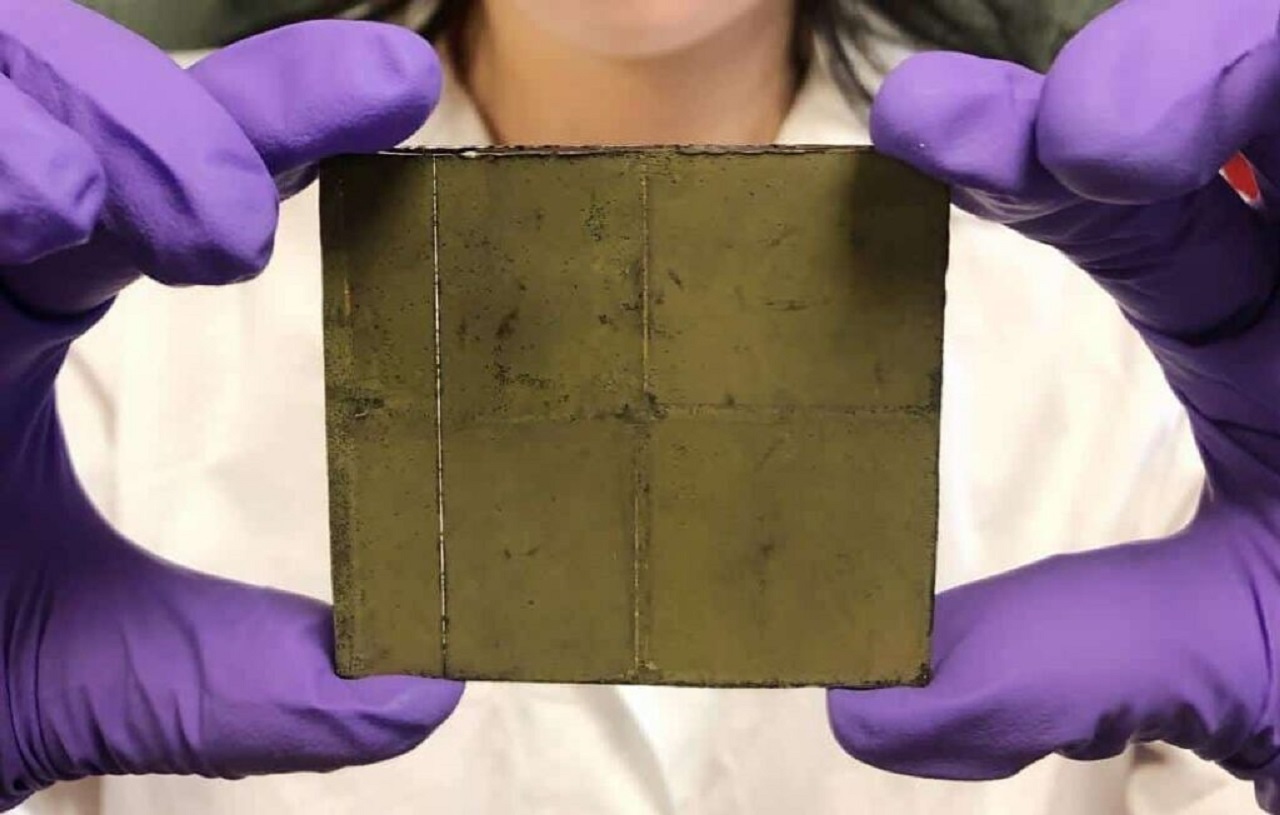
UK Scientists Developed An Artificial Leaf Capable Of Generating Clean Fuel Using Solar Energy. The Product May Be A Major Advance In The Solar Sector.
The field of artificial leaves, capable of performing artificial photosynthesis, has gained another essential member: the first aquatic artificial leaf. This leaf can generate clean fuel using solar energy and water; the initial tests, conducted near a river at the University of Cambridge in the UK, showed that the leaves can convert sunlight into clean fuel as efficiently as real plant leaves.
Artificial Leaf Utilizes Various Innovations
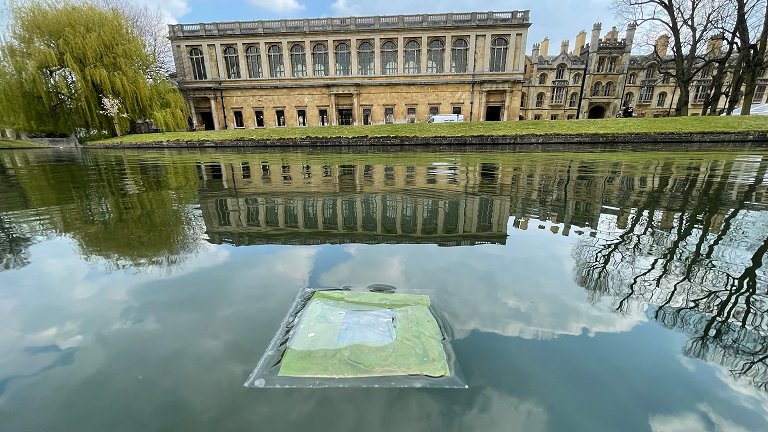
This is the first time that clean fuel is generated in water, and if the process can be scaled up, artificial leaves could be used in polluted waterways, ports, or even in the sea, lakes, and ponds.
The aquatic artificial leaf that generates clean fuel is the result of years of research and dedication from Professor Erwin Reisner’s team at the University of Cambridge in the UK, which focuses on producing various fuels using solar energy. In fact, the artificial leaf utilizes many previous innovations created by the team, including an artificial leaf that generates syngas, a solar reactor that produces clean fuel, and even a new form of semi-artificial photosynthesis.
-
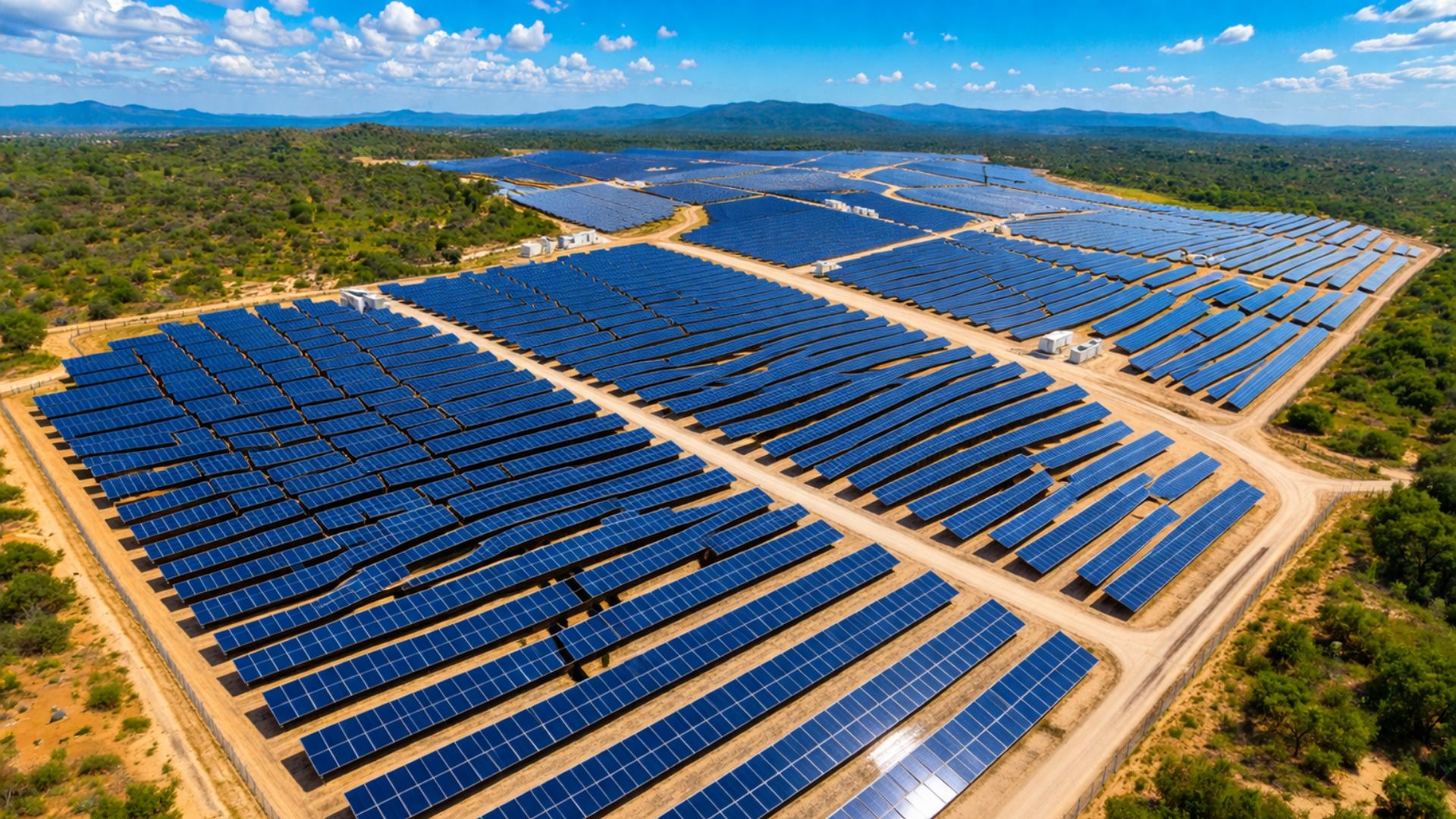
The Sol do Agreste Photovoltaic Complex begins operations in Pernambuco and accelerates the expansion of solar energy in Brazil, directly impacting the reduction of emissions and strengthening the sustainable energy matrix.
-
The Sol do Agreste Photovoltaic Complex begins operations in Pernambuco and accelerates the expansion of solar energy in Brazil, directly impacting the reduction of emissions and strengthening the sustainable energy matrix.
-
Renewable energy advances over protected areas in Brazil, and a survey by the Energy Transition Observatory reveals silent impacts that challenge environmental conservation and pressure sensitive traditional territories.

-
Rio Grande do Sul accelerates energy transition: State invests in renewable technologies and consolidates decarbonization strategies and pathways to attract billions in new industrial investments.


According to Reisner, the studies aimed to prove how far it is possible to thin out the materials that these devices use without affecting their performance. If it were possible to mitigate the materials enough for them to be light enough to float, it would open up new possibilities for using these artificial leaves.
Artificial Leaf Is A Thin Film
The solar reactor that the team developed previously generates clean fuel using sunlight, CO₂, and water, combining two light absorbers with the appropriate catalysts; however, it requires glass substrates and moisture-protective coatings, making the devices bulky.
Researcher Virgil Andrei, a team member, sought inspiration from the electronics industry and its relentless pursuit of miniaturization, which is currently utilizing an emerging type of semiconductor known as perovskite, transformed into thin films to develop flexible and transparent electronic circuits.
The fact is that perovskites can generate excellent solar cells. It was then sufficient to coat a perovskite artificial leaf with very thin carbon layers, yet enough to repel water, keeping the solar energy-absorbing material safe from any moisture. This thin film replaced all the bulky active part of the original solar reactor.
Scientists Seek To Demonstrate The Robustness Of The Technology
Tests conducted with the new artificial leaf that generates clean fuel showed that it can split water into hydrogen and oxygen or reduce carbon dioxide into syngas, just like the original reactor.
This study demonstrates that artificial leaves are compatible with the techniques currently used for manufacturing, marking a significant step towards the automation and expansion of clean fuel production from sunlight.
According to Andrei, these leaves combine the benefits of most solar energy fuel technologies, achieving the lightweight nature of powder suspensions and the high performance of wired systems.
The researchers’ mission now is to demonstrate the robustness of the technology, which should operate for long periods without being handled, and to develop efficient ways to collect the clean fuel, eventually solar hydrogen, generated by future floating panels.









Seja o primeiro a reagir!