





 Portuguese
  English
  Spanish
  3 min of reading
  79 comments


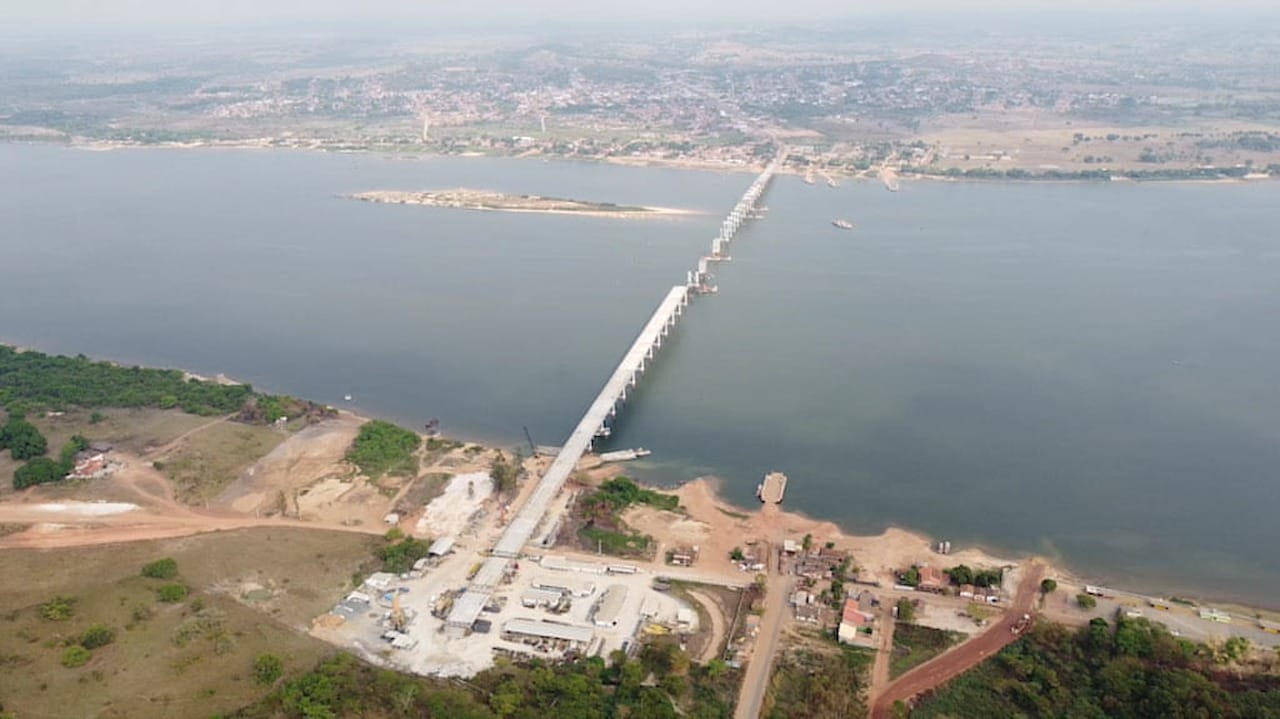

The Xambioá Bridge Is Changing the North of Brazil by Connecting Tocantins to Pará. Discover How This Monumental Construction Is Transforming the Region and Boosting the Local Economy
The Northern region of Brazil is truly remarkable. Its vast territorial expanse makes it the largest region in the country, housing incredible biodiversity, especially due to the majestic Amazon Rainforest. The influence of the natural landscape on people’s lives is evident, reflected in the presence of riverside communities and the use of rivers as the main means of transportation. Additionally, the construction of infrastructures, such as bridges and roads, is essential for improving connectivity and the development of the region.
The North is the only Brazilian region traversed by the equator, contributing to an equatorial climate characterized by high temperatures and abundant rainfall.
The Xambioá Bridge: A Monumental Work for the North of Brazil
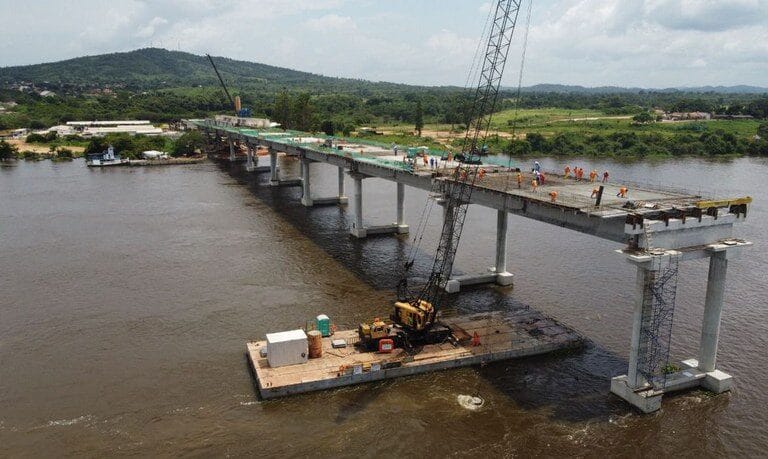
Currently, the highlight of the region is the construction of the Xambioá Bridge, which will connect the states of Tocantins and Pará, eliminating the need to use ferries to cross the Araguaia River. This will be one of the largest river bridges in Brazil, with an impressive length of 1,727 meters and a budget of 193 million reais. The strategic importance of this work for the Northern region of the country is undeniable, representing one of the largest investments in the area, with benefits that go beyond infrastructure, positively impacting local economies.
-
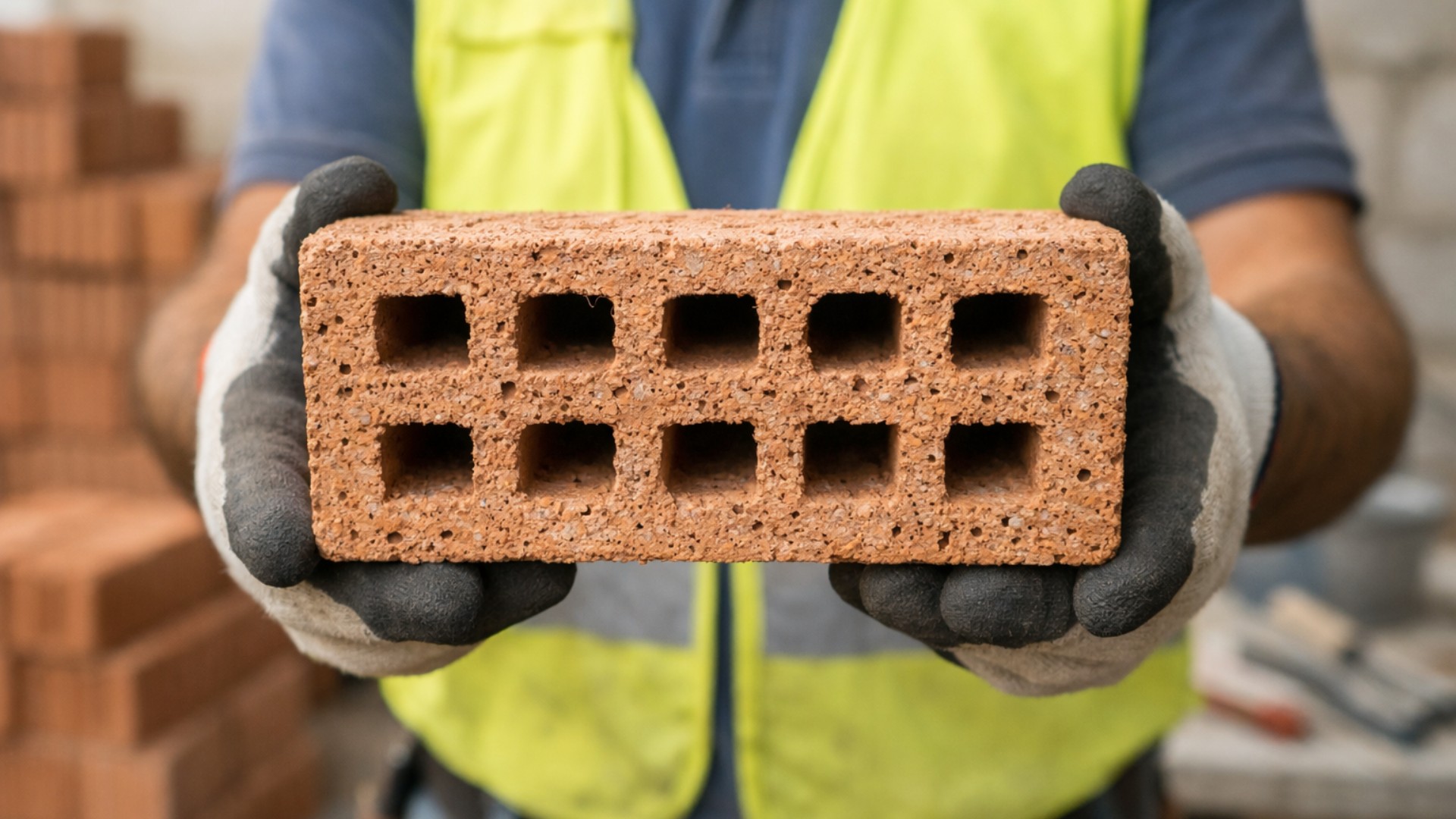
Scientists use sawdust mixed with clay to create a lighter brick, promising efficient thermal insulation and impressing by transforming waste into a solution for construction.
-
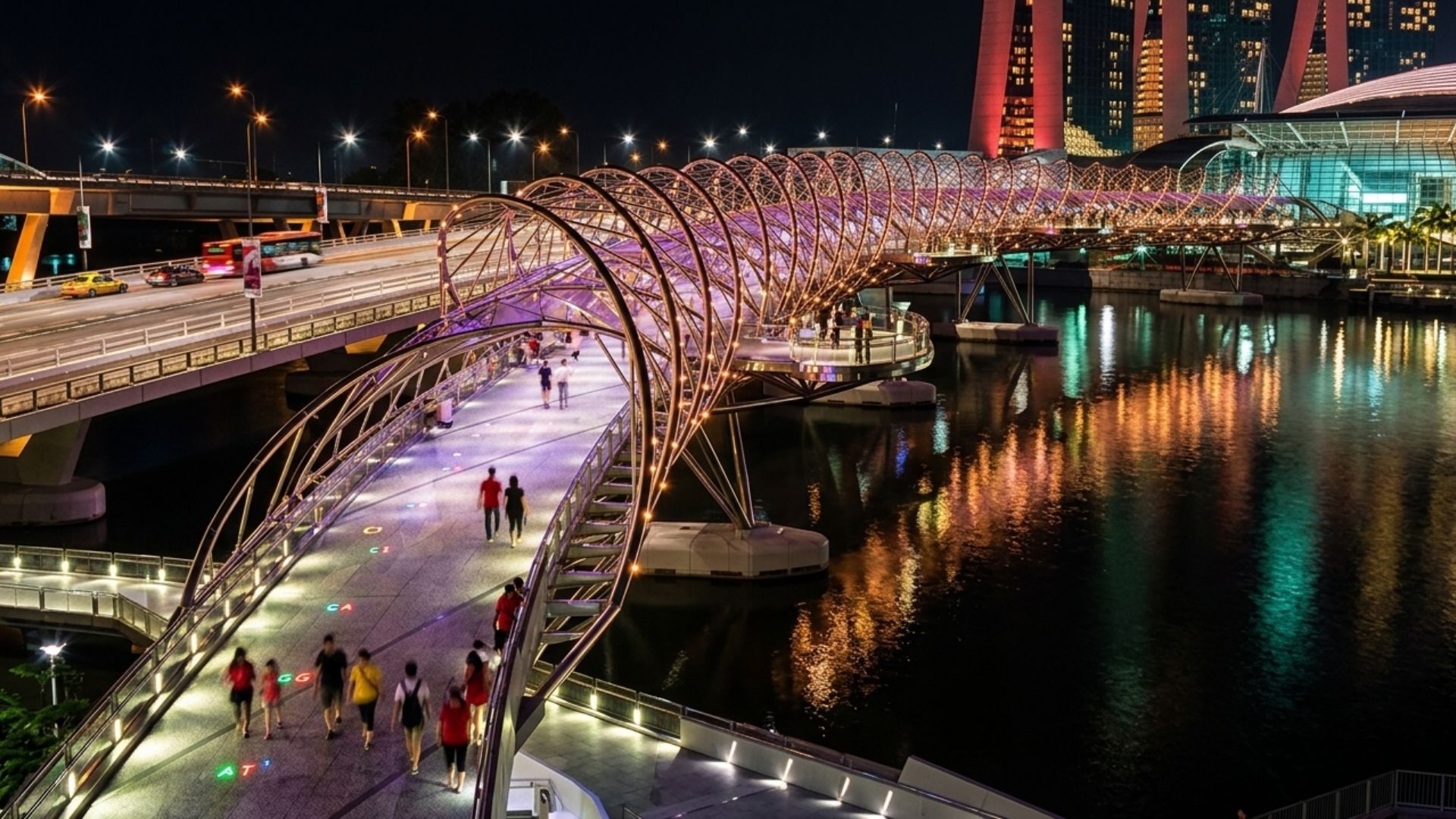
With a DNA shape, this bridge in Singapore draws attention in modern architecture and surprises tourists by transforming a simple crossing into an unforgettable visual experience in the urban heart.
-
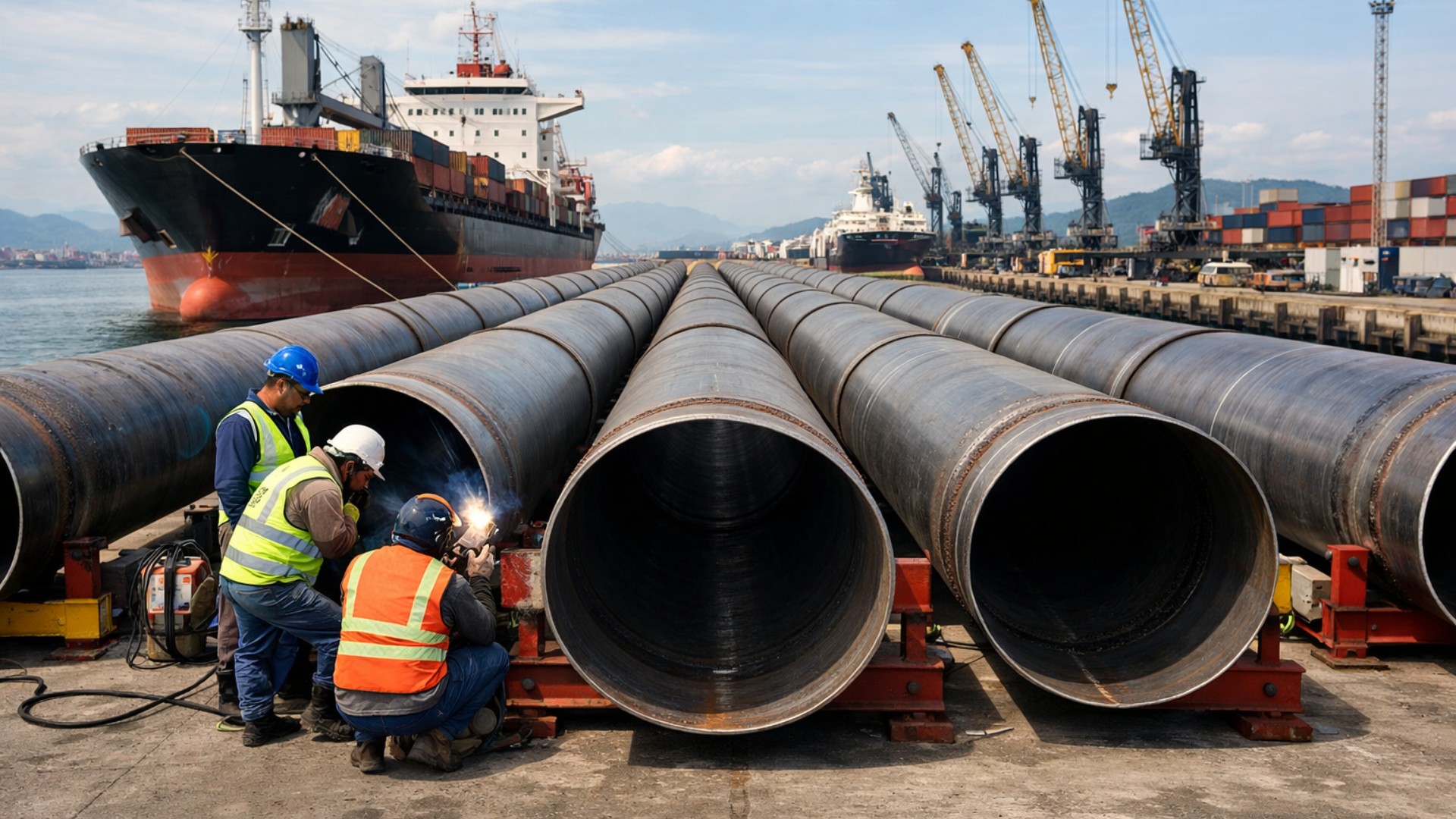
Giant underwater pipeline begins to take shape with a R$ 134.7 million project at the Port of Santos: the 1.7 km structure uses 12-meter and 700 mm pipes to supply water to 450,000 people in Guarujá.
-
A mason reveals a professional plastering technique that uses aligned guides and a 3-meter ruler to plaster an entire wall in up to 3 hours, without visible seams, with uniform thickness, perfect plumb, and a finish ready for painting without rework.

Challenges and Achievements in the Bridge Construction
Although the construction of the bridge began more than a decade ago, in 2010, it has faced numerous challenges and adjustments over time. Finally, in 2017, the contract for the work was signed by former President Michel Temer, and in April 2020, after legal disputes, the construction began. The main objective of the bridge is to improve the logistics of BR-153, the main route for the local production flow, especially in the agribusiness and mining areas. Currently, the crossing of BR-153 between the states of Tocantins and Pará is done by ferries, which incurs high costs, waiting times, and difficulties during the rainy season.
Environmental Impact and Preservation Measures in the Bridge Construction
The construction of the Xambioá Bridge also has a significant impact on environmental issues, due to the importance of the Araguaia River for the local ecosystem. The river is home to the largest river island in the world, the Bananal Island, as well as other sand islands that form during the dry season. Therefore, during the construction of the bridge, various measures are being taken to minimize negative environmental impacts. Communication with local populations and the challenges overcome
Another concern during the bridge construction was communication with local populations. The goal is to inform about the progress of the work, prevent accidents, and act efficiently in possible emergencies. This constant communication is essential to ensure the safety of people living near the construction site and to maintain a transparent dialogue with the community.

The Xambioá Bridge and Its Transformative Role in the Northern Region
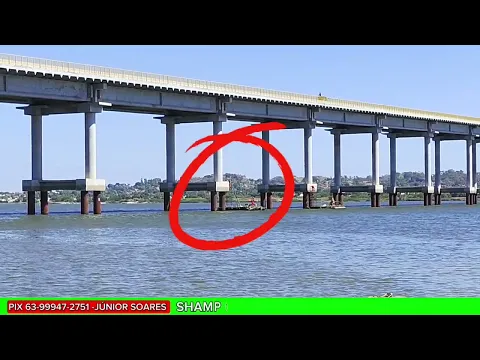
The Xambioá Bridge is more than an engineering work; it is a symbol of progress and development for the Northern region of Brazil. With its imminent inauguration, it represents not only the overcoming of technical challenges but also the union of efforts to achieve a common goal. Its impact will be felt not only in infrastructure but also in the economy, in the environment, and in the quality of life of the people living in the region. The Xambioá Bridge is undoubtedly an achievement to be celebrated and a milestone in Brazil’s history.







Ninguém lembrou de comentar que o metro desta ponte custa mais de um milhão.
Não fosse o governo Bolsonaro que tivesse dado uma alavancada para o início da obra, milhões teriam ido parar no ralo do PT, assim como foi a refinaria de Abreu Lima e a transposição do Rio São Francisco, mas não se sabe se a obra da ponte vai ter final nesse desgoverno, afinal qual foi a obra começada e terminada pelo encantador de jumentos aqui no Brasil?
Esqueceram de sitar na reportagem Tarcísio e Bolsonaro