





 Portuguese
  English
  Spanish
  4 min of reading
  3 comments


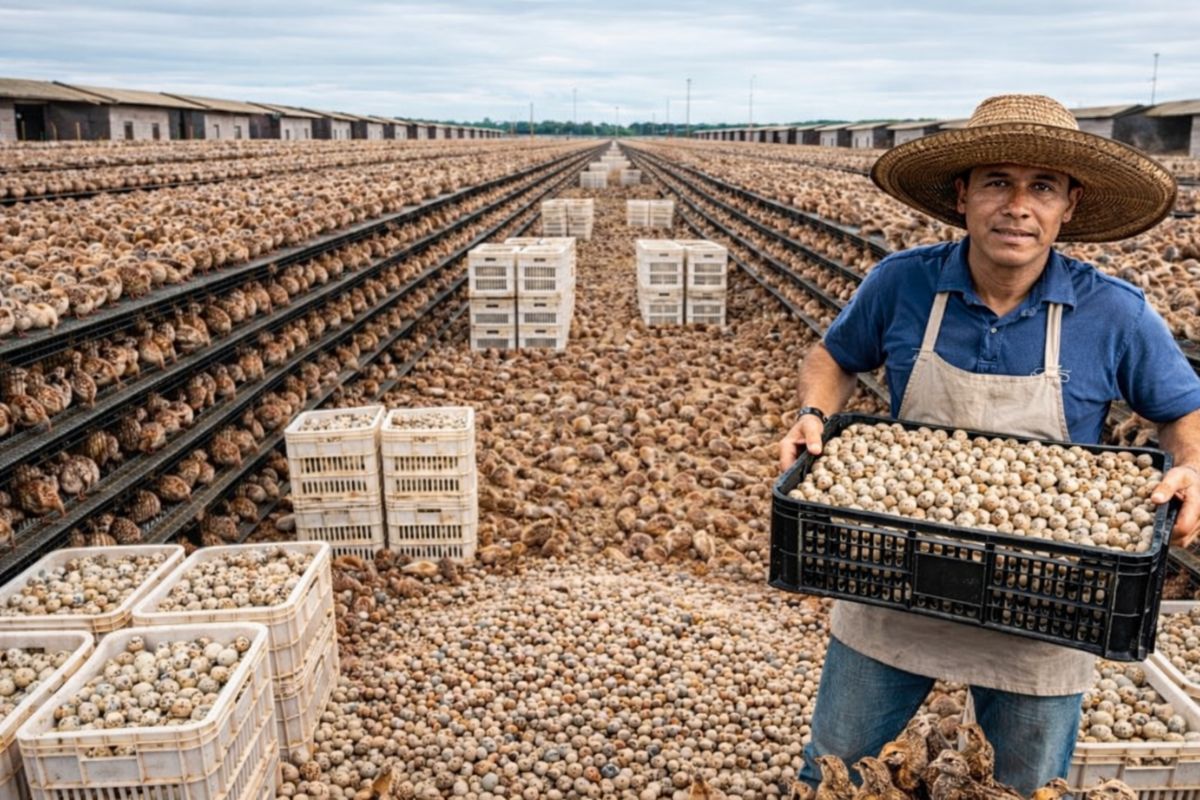


The Largest Quail Farm Reveals an Intensive Supply Chain That Goes from Genetics to Slaughter, While Another Operation Leads the Laying with 1.2 Million Birds and 680 Thousand Eggs Daily, Showing How Strict Biosafety, Technical Management, and Integrated Logistics Sustain Two National Poles of Food Production in Brazil.
The largest quail farm helps explain why a bird rarely seen in daily life occupies a relevant space in national nutrition. Even though it is discreet for much of the public, the quail sustains a highly technified chain, with sanitary control, productivity goals, and industrial processes on a large scale.
In Brazil, this productive map is organized into two complementary axes. In Santa Catarina, the focus is on meat, with an integrated operation from start to finish. In Espírito Santo, the highlight is on egg production, with a daily volume that transforms a small product into a large logistical and economic outcome.
From Ancient Farming to an Intensive Sector in Brazil
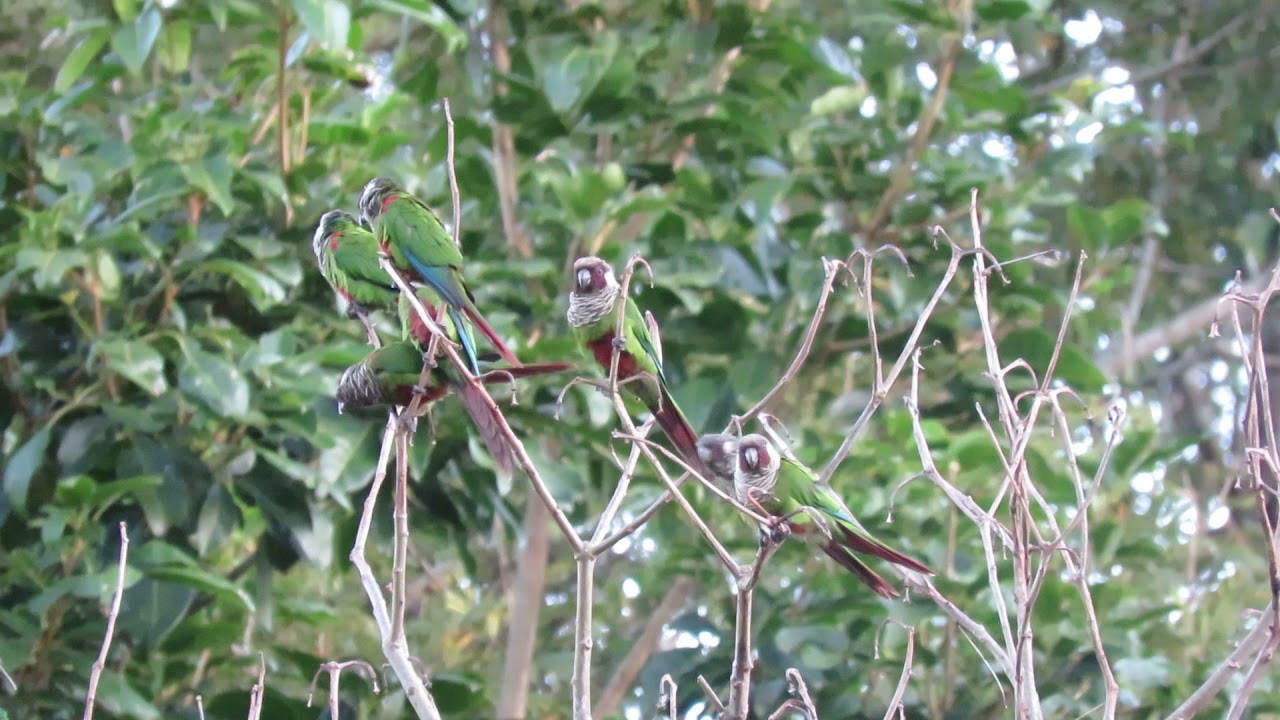
The quail has accompanied humanity for millennia, with records in North Africa, Europe, and regions of Asia. China and Korea played an important role in the first organized farming, and Japan accelerated this process in the early 20th century, around 1910, by crossing lineages to obtain more resistant, productive, and confinement-adapted birds.
-
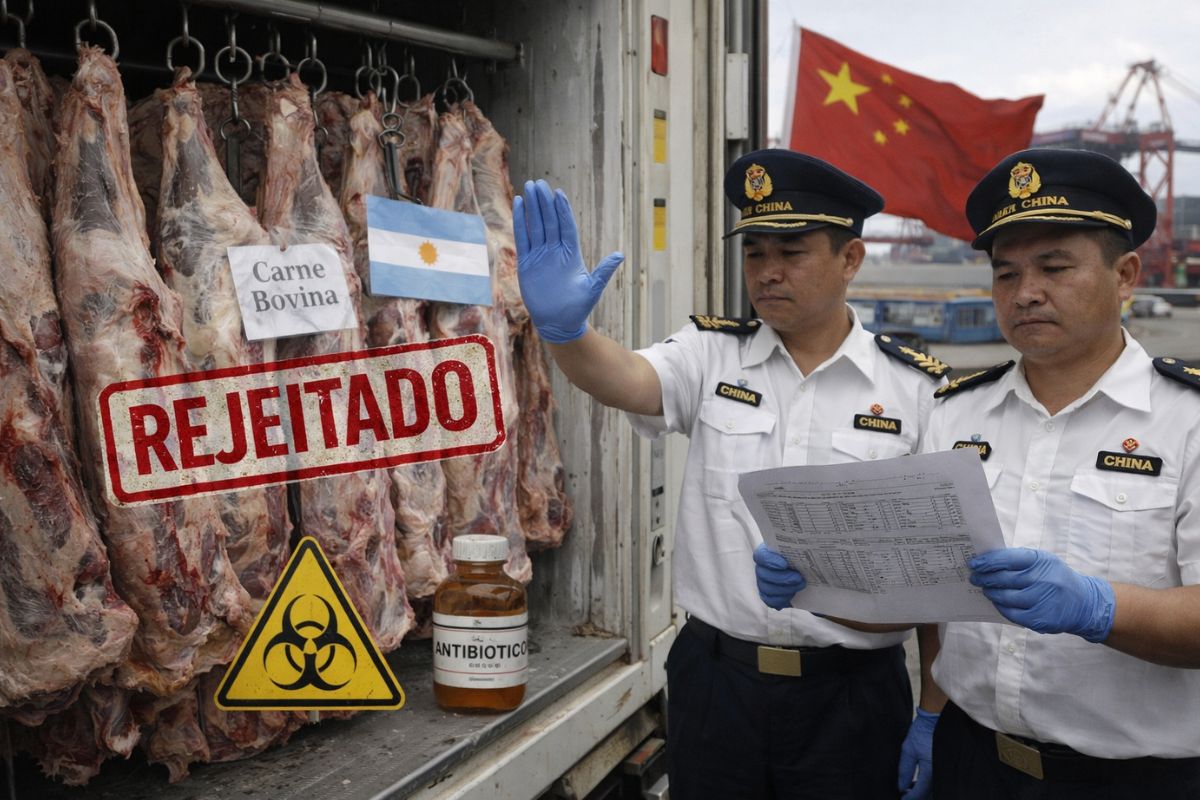
China rejected an entire shipment of beef from Argentina after detecting an antibiotic so dangerous that it has been banned for human consumption for over 30 years, and now the export sector is facing a crisis of international trust.
-
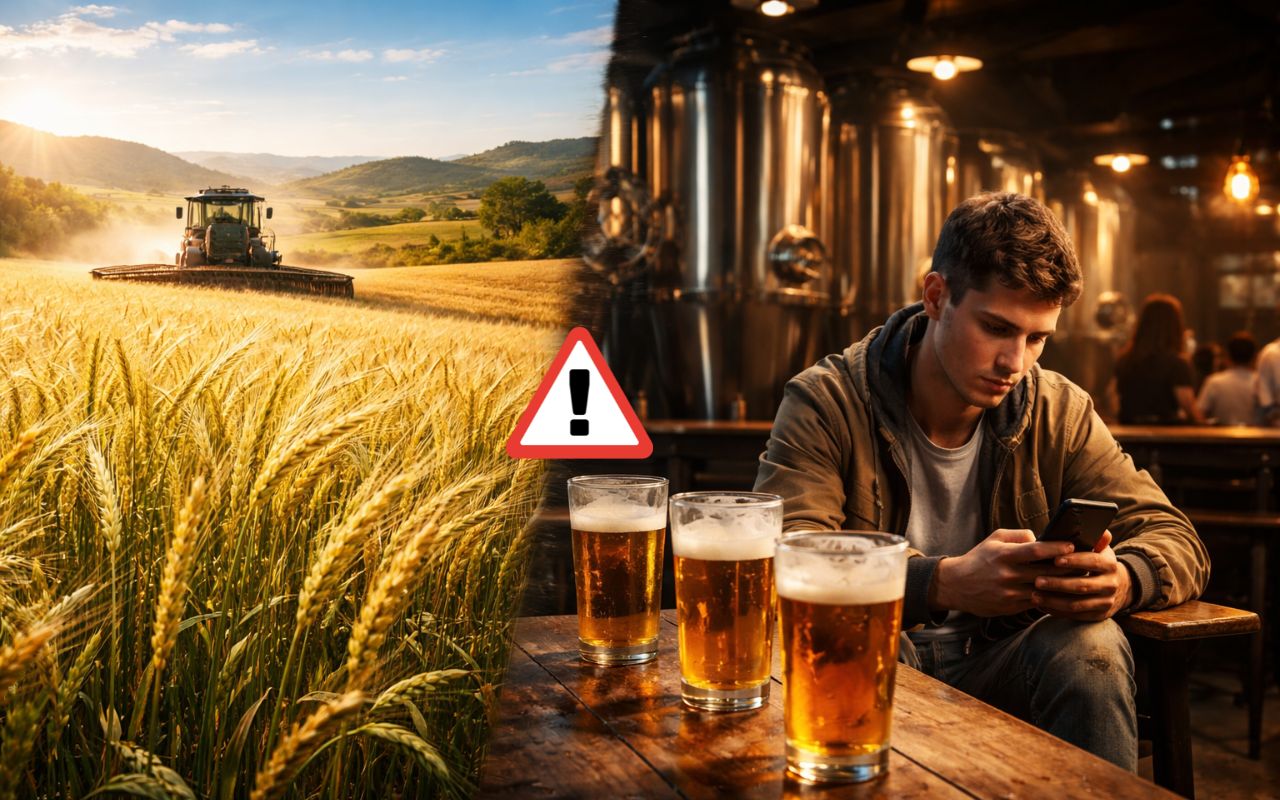
With nearly 500 thousand tons per year, barley production is growing in Brazil, while a decline in beer consumption among Generation Z raises alarms in the sector.
-
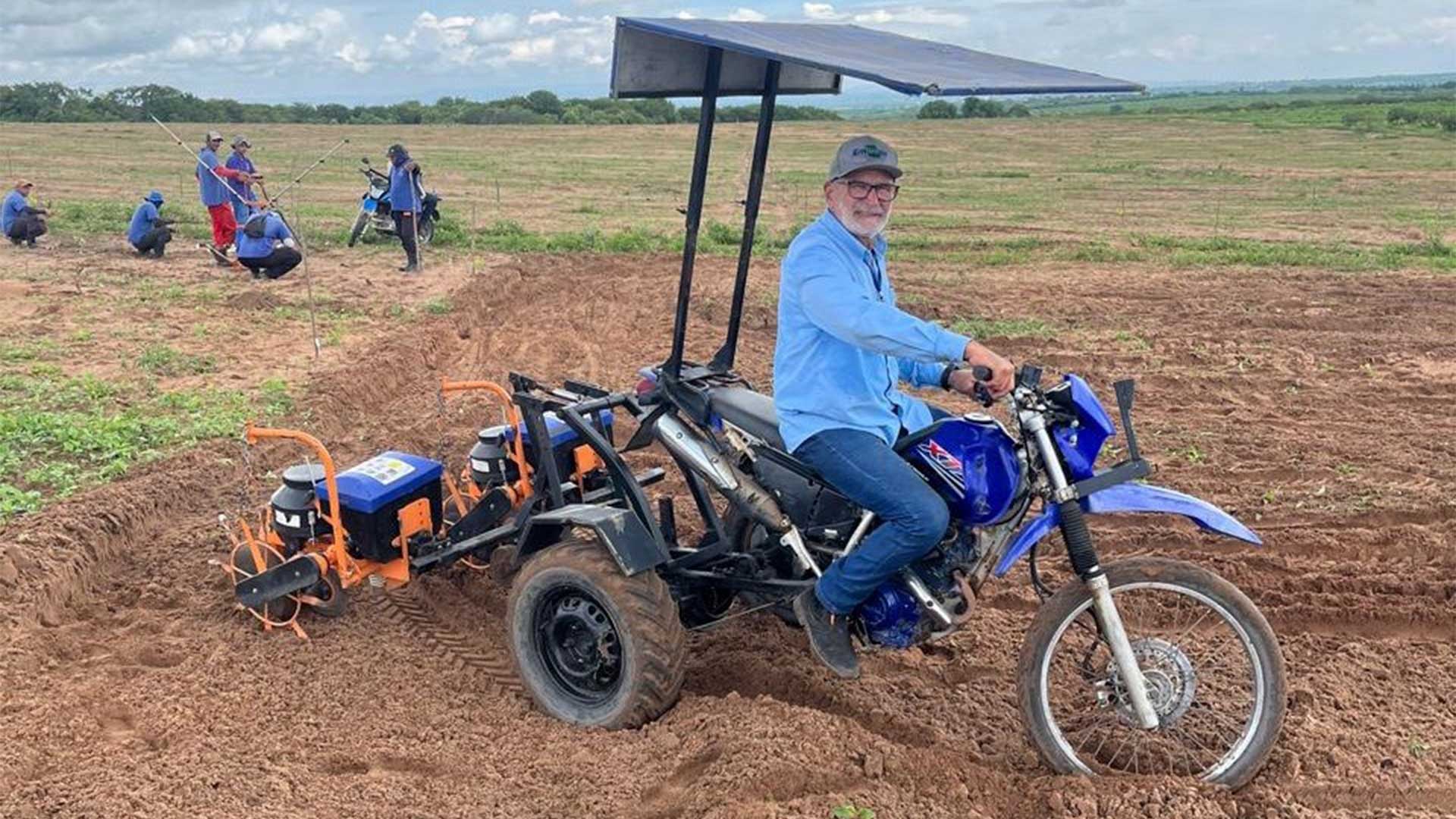
With tractors out of reach for small producers, a tricycle created by Embrapa Algodão becomes a cheap and efficient solution and gains national prominence.
-
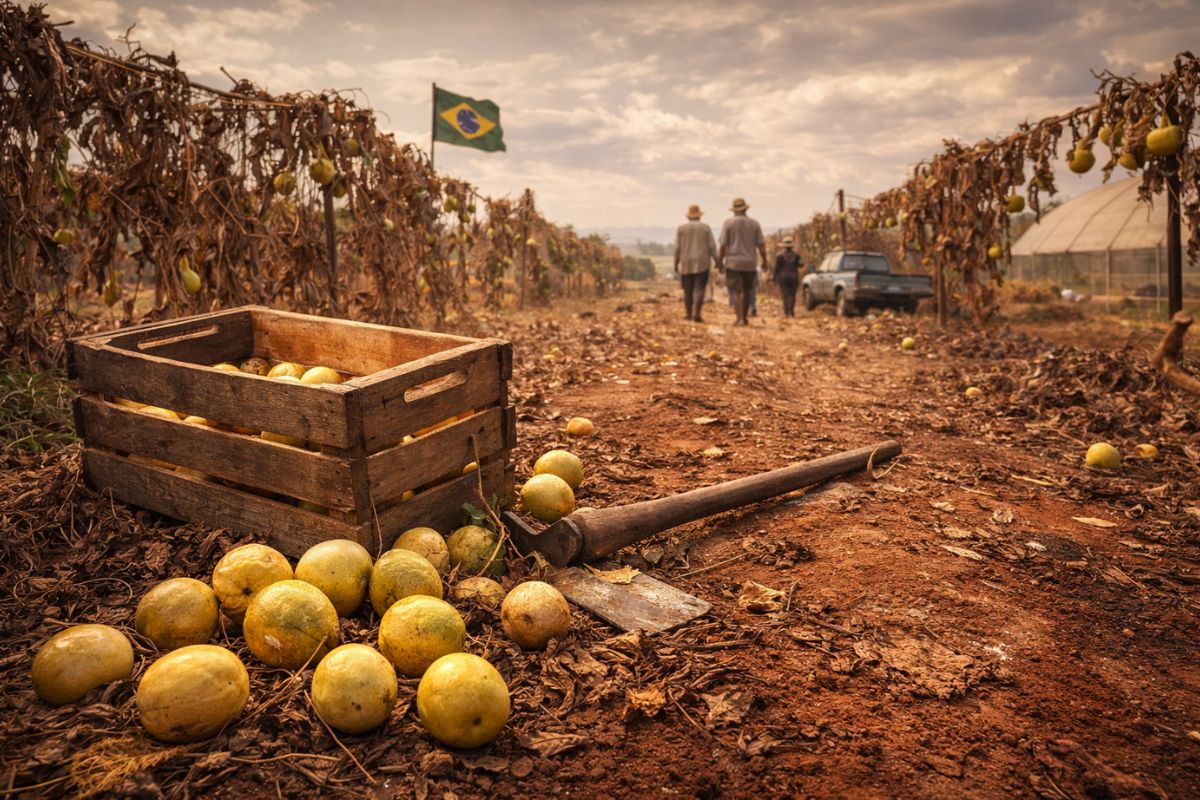
From 130 producers in the year 2000 to just 15 today: the dramatic decline of passion fruit in Araguari shows how the lack of labor in the Brazilian countryside is killing a decades-old agricultural tradition, even with Brazil being the largest producer in the world.

In Brazil, the arrival occurred in 1959, mainly brought by Italian and Japanese immigrants. The initial interest was not centered on meat and eggs but on the bird’s song. Over time, the productive potential asserted itself, and the activity moved from being peripheral to becoming an intensive segment of poultry farming, paving the way for structures that now define the largest quail farm in the country.
Santa Catarina Houses the Largest Quail Farm Focused on Meat

In Coronel Freitas, SC, the operation of Good Alimentos is described as the largest producer of quail meat in Brazil and Latin America.

The difference lies in the complete integration of the supply chain: genetics, incubation, farming, slaughter, processing, and distribution within the same structure. The complex occupies about 360,000 m², functioning like an industrial city specialized in quails.

Sanitary control is treated as a central axis. Any entry into production areas requires biosafety protocols with bathing and clothing changes.
The routine includes receiving approximately 16,500 fertile eggs daily, with an expansion plan to exceed 20 thousand. Incubation lasts about 21 days, with two major hatchings each week of about 33 thousand quails per batch and an average utilization rate of 80%.
After the initial screening, the birds move to the slaughter aviaries and reach ideal weight in approximately 27 days.
The slaughter process goes through nine stages supervised by the Federal Inspection Service. Daily production is around 17 thousand quails, equivalent to about 16 tons of meat, aiming to reach 50 tons monthly with the expansion of markets.
In Espírito Santo, the Egg Scale Redefines the Notion of Volume

If Santa Catarina symbolizes the strength of meat, Santa Maria de Jetibá in Espírito Santo concentrates one of the largest laying structures. The farm houses 1.2 million quails distributed among six barns, each with 4,160 cages and an average of 33 birds per cage. The operational scenario is highly standardized, focusing on productive consistency and sanitary stability.

According to cited data from IBGE in the database itself, Espírito Santo gathers nearly 4 million quails and leads this segment in the country. The pandemic reduced the demand for pickled eggs, especially due to reliance on bars and restaurants, and the farm even temporarily deactivated three barns. Still, recovery came with maintenance of the technical structure and reorganization of the operation.
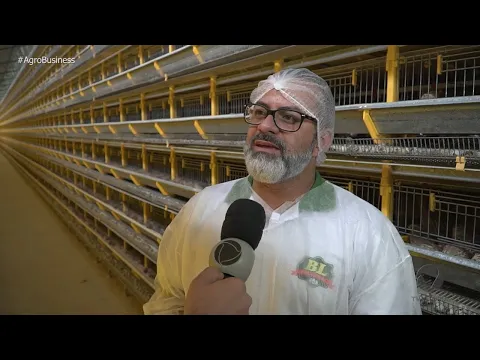

The quails arrive at one day old, weighing about 4 g, go through rearing until five weeks, and continue to production until about 52 weeks. The feed combines vitamins, minerals, essential oils, organic acids, and probiotics. The management is quiet because stress directly affects egg production, and each stage occurs with chlorinated water, daily monitoring, and individual observation of the cages.
What the Numbers Show About Efficiency, Risk, and Expansion
The daily egg production reaches 680 thousand units, destined for supermarkets, industries, and pickles. In pickled eggs alone, the farm achieves about 35 tons per month. The process includes cooking, rapid cooling, and packaging in brine, with strict control against salmonella, reinforcing that productivity and food safety go hand in hand.
When observing the largest quail farm and the associated operations, it is clear that scale does not depend on the size of the bird, but on process engineering. The logic sustaining the sector combines health, production rhythm, and regional logistics. Therefore, the expansion plan for Goiás appears as a strategic move to reduce costs and broaden national presence without losing technical standards.
In the end, the quail ceases to be an occasional item and becomes a classic case of organized agro-industry. The consumer sees a small egg on the plate, but behind it exists a robust, integrated, and highly controlled chain that connects the farm, industry, inspection, and distribution in two decisive poles of Brazilian production.
And in your routine, where does the quail egg truly appear: in market pickles, in home recipes, in meals out, or almost never? Which of these numbers surprised you the most, 1.2 million birds, 680 thousand eggs per day, or 17 thousand quails processed daily?








Uma batida de ovos de codorna com uma caracu,seguida de uma variedade de frutas: laranja,****,alguns cereais,para complementar e uma boa refeição,pela manhã e pela noite.
Excelente matéria.
Esse homem da foto aí vai quebrar muitos ovos