






 Portuguese
  Spanish


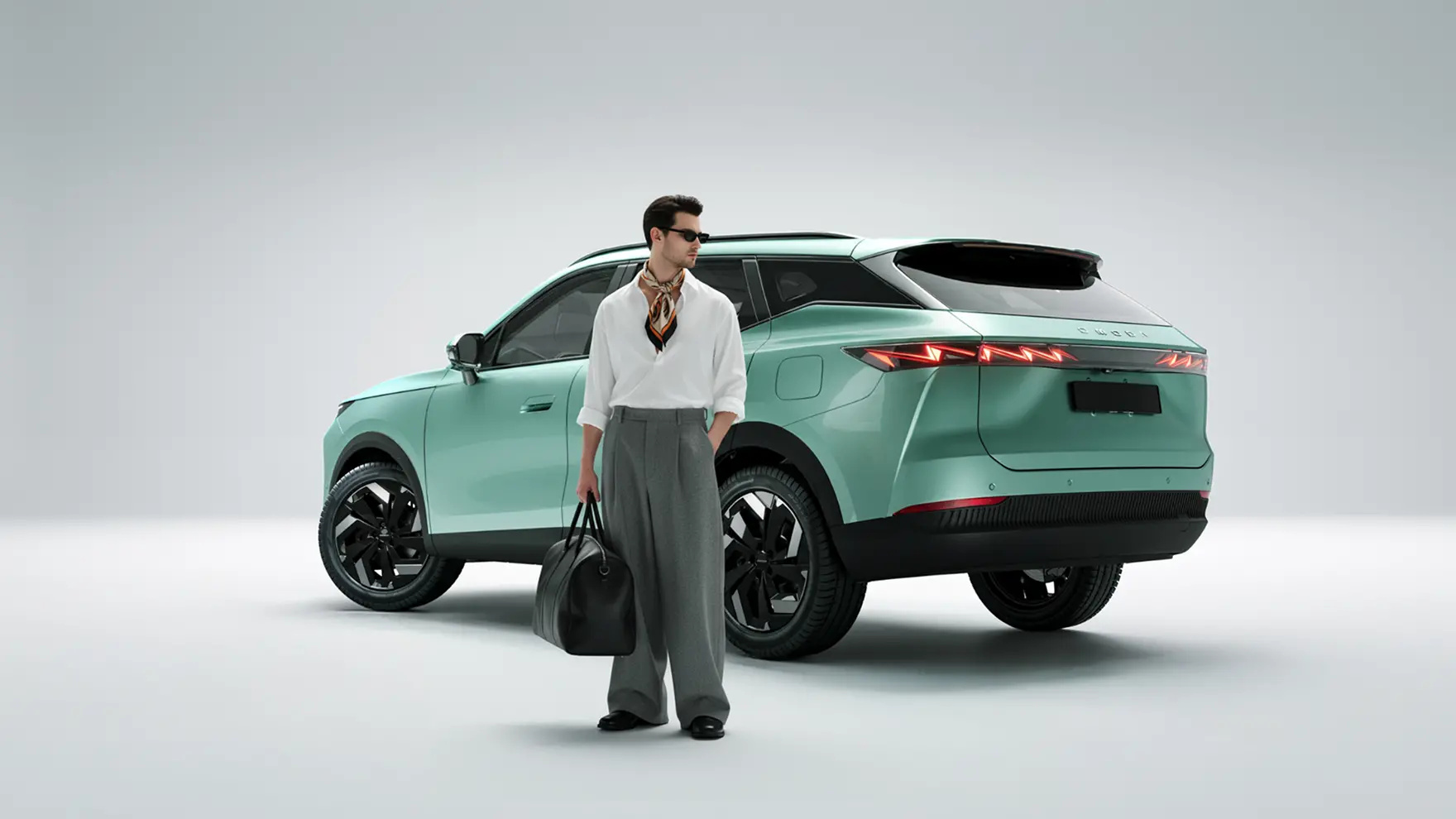
OMODA 7 stands out at London Fashion Week 2026 by uniting fashion and automotive design and transforming the car into a global aesthetic expression
In 2026, during London Fashion Week 2026, OMODA consolidated its global strategy by positioning the OMODA 7 as the protagonist of a new approach that integrates fashion, design, and the automotive industry. As the main partner of the event, the brand showcased the SUV in an environment that transcends the traditional concept of mobility, placing the vehicle within the universe of aesthetics, urban culture, and contemporary visual expression.
The initiative reinforces a growing trend in the industry: the convergence between automobiles and fashion as cultural language. The OMODA 7 is now interpreted not just as an automotive product, but as a design object with global symbolic and aesthetic value.
OMODA 7 at London Fashion Week: immersive experience unites car, city, and urban culture
In a scenario where the boundaries between fashion and the automotive industry become increasingly fluid, OMODA consolidates its presence as a new global icon of trends. As the main partner of London Fashion Week 2026, the brand placed the OMODA 7 at the center of an immersive experience that integrated city, runway, and urban culture.
-
Chinese SUV Achieves 24.4 km/l, Outperforms Toyota Yaris Cross in Real-World Tests with 224 hp Hybrid System, Offers 51-Liter Tank for Greater Range, and Costs Up to R$ 5,000 Less.

-
Uber Black Revamps Fleet, Drops Ten Car Models and Sets Deadline for Electric BYD Dolphin

-
Chinese Giant Uses Metal Structures and Cranes to Deliver Over 700 Electric Cars to Brazil

-
Uber Faces Shareholder Scrutiny as Board Accused of Ignoring Safety, Compliance, and Harassment Warnings Amid Over 3,500 U.S. Lawsuits


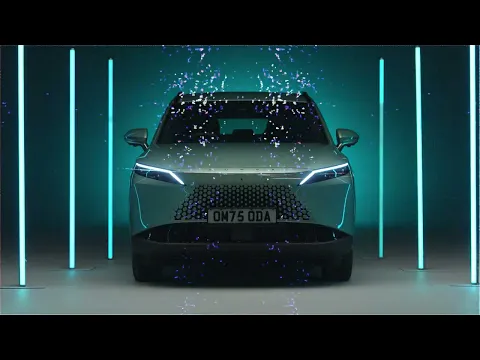

From the VIP fleet circulating through the streets of London to the “OMODA Lounge,” a space dedicated to youth culture, the brand presented a clear proposal: the automobile ceases to be merely a means of transportation to become a mobile symbol of style, identity, and attitude.
This concept took shape with three exclusive visual interventions, developed in collaboration with international designers, who reinterpreted the vehicle as a true fashion piece.
The strategy positions the OMODA 7 as an active element within the urban cultural ecosystem, expanding its role beyond mobility.
Automotive design and fashion: OMODA 7 transforms aesthetics into a sensory experience
Sensitivity and expression: design beyond fashion
The creative director of KNWLS reinterpreted the brand’s floral language, transforming it into a more fluid and emotional visual narrative. Applied to the OMODA 7, the concept softens the vehicle’s metallic surface, creating depth and visual warmth.
This transition from material to emotion dialogues with the interior of the model, where elements such as the 15.6-inch sliding screen and the intelligent fragrance system enhance the sensory experience. The result is a design that is not only observed but felt, expanding the reach of fashion beyond the runways.
The integration between visual design and sensory stimuli reinforces the concept of the car as an immersive experience.
OMODA and design “Art in Motion”: balance between strength, sophistication, and visual performance
The interpretation signed by the creative director of Roksanda explores the balance between strength and sophistication. Based on striking color blocks, especially the burgundy tone, the design gives the vehicle a duality that combines elegance and sporty spirit.
This approach connects directly to the “Art in Motion” language of the OMODA 7, where dynamic lines and the X-shaped front create a sense of continuous movement. The result is a car that expresses energy and refinement simultaneously, both in motion and at rest.
The proposal reinforces the visual identity of the model as a dynamic object that communicates movement even when static.
OMODA 7 revives retro and contemporary aesthetics with references from the 1960s
The proposal by Talia Byre revives iconic elements such as the brand’s characteristic stripes, reinterpreted from visual references of the 1960s. The design combines nostalgia and contemporaneity, creating an aesthetic bridge between past and future.
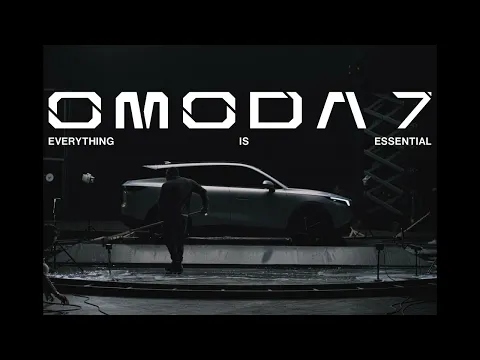
In the OMODA 7, this language translates into a modern reading of classic codes, with plays of light and shadow that reinforce its adaptability to different cultural and visual contexts.
This fusion of historical references with current design broadens the global reach of the model in different markets.
OMODA 7 as a fashion piece in motion redefines the role of the car in the automotive industry
The three interpretations open new paths for the OMODA 7 to surpass the traditional limits of the automotive industry. By dialoguing with different languages, from printing to everyday emotion and cultural memory, the model positions itself as a design object that actively participates in fashion expression.
The brand’s presence at London Fashion Week highlights a new approach: taking fashion beyond the runway and embedding it in everyday life. In this context, the car assumes a new role, not only functional but symbolic.
The OMODA 7 consolidates itself as a vehicle that incorporates identity, style, and cultural narrative, expanding the concept of mobility to a global aesthetic dimension.





Be the first to react!