





 Português
  Inglês
  Espanhol
  2 min de leitura
  0 comentários


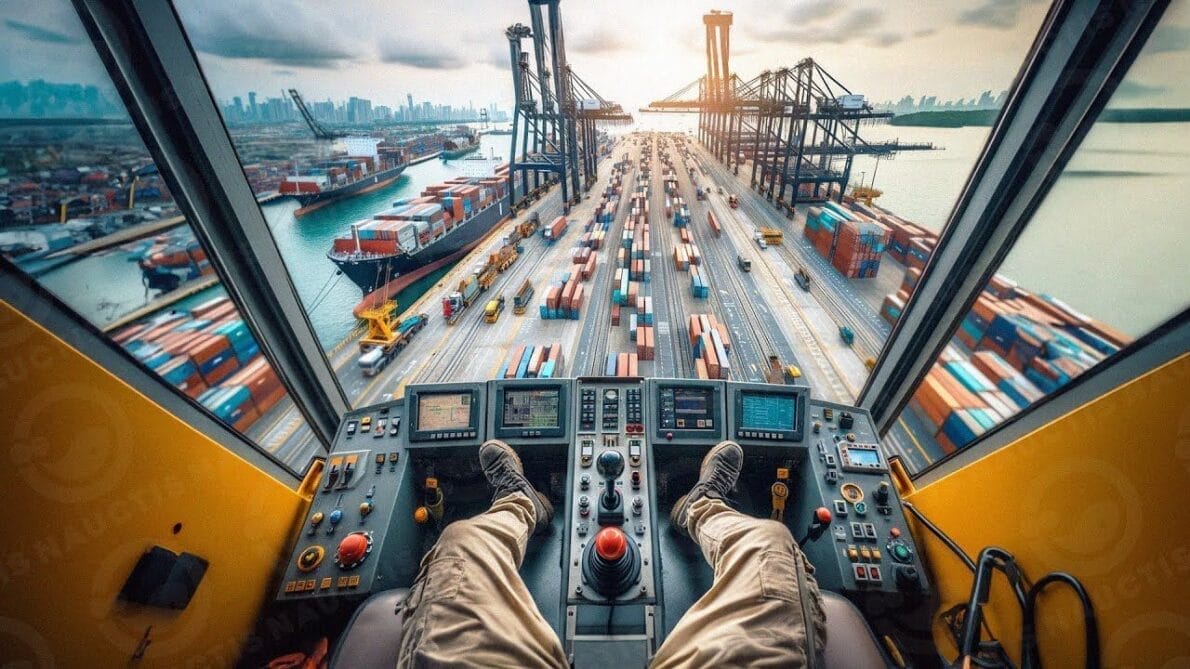
Cranes Are Essential in Ports, Responsible for Lifting and Moving Heavy Loads, Such as Containers and Steel Beams. To Operate a Crane, an Experienced and Certified Crane Operator Is Required, Ensuring the Safety and Efficiency of the Process.
To Become a Crane Operator at the Port, One Must Obtain Specialized Certifications, Such as the NCCCO, as Well as Safety Training. Crane Operators Must Learn to Operate the Machines, Read Blueprints, Maintain the Equipment, and Follow Strict Safety Procedures.
A Crane Operator’s Day Begins with Detailed Inspections of the Equipment, Checking for Possible Defects and Ensuring Everything Is in Order. These Inspections Can Take Up to an Hour. Afterward, the Operator Enters the Crane Cabin, Buckles Their Seatbelts and Puts on a Hard Hat, and Is Ready to Start Work.
Port Cranes, Powered by Electricity from Diesel Generators, Lift and Move Large Loads.


The Lifting Capacity Varies Depending on the Size of the Crane, and Operators Need to Have a Clear View of the Operations, Ensuring That the Work Is Done Safely and Efficiently.
-
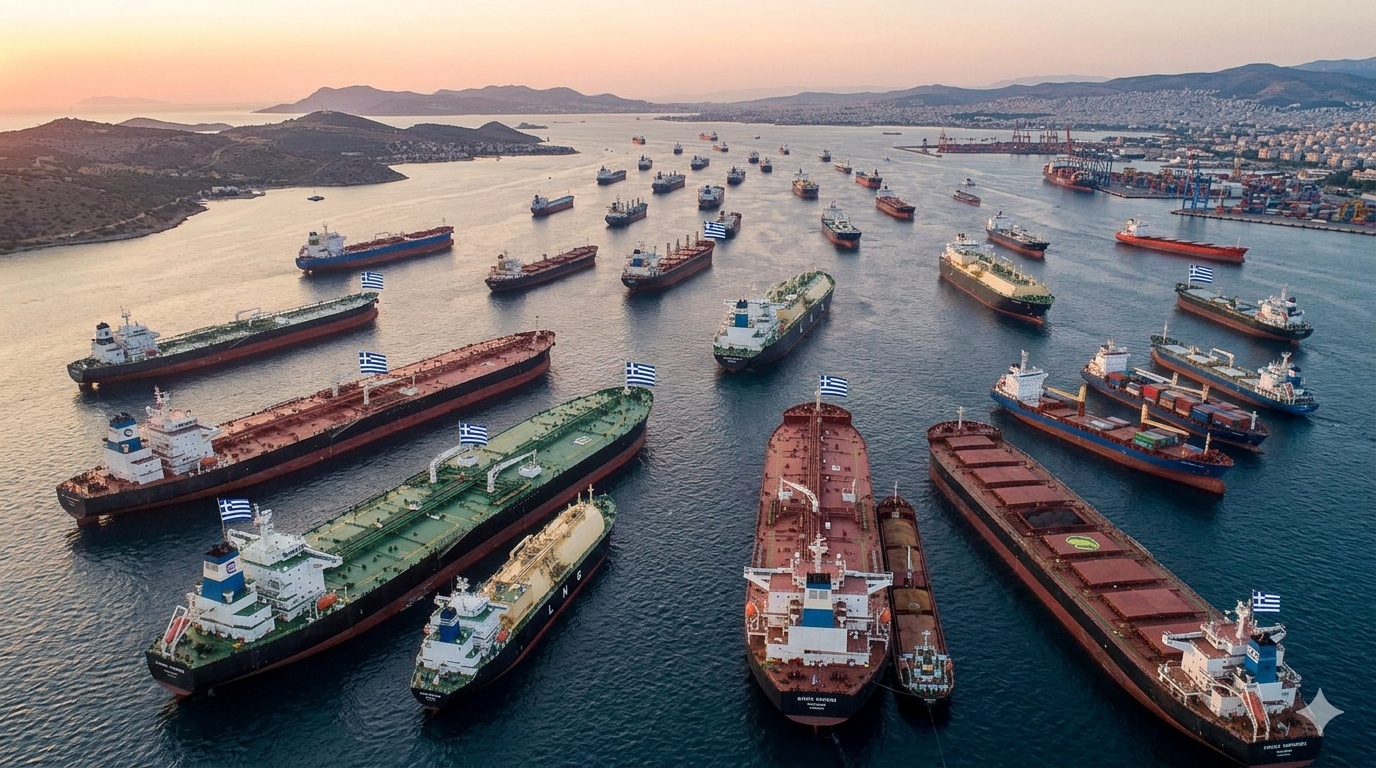
Neither the USA nor China: a small European nation has become one of the largest maritime powers on the planet, controlling one of the largest merchant fleets in the world with thousands of ships and dominating the global transportation of oil and strategic cargo.
-
Scotland and the United Kingdom have created a new anchoring system that floats in the water without touching the seabed, after discovering that the current from a conventional anchor destroys up to 50 m² of seagrass meadow per event and that ship-damaged reefs showed no signs of recovery even ten years later.

-
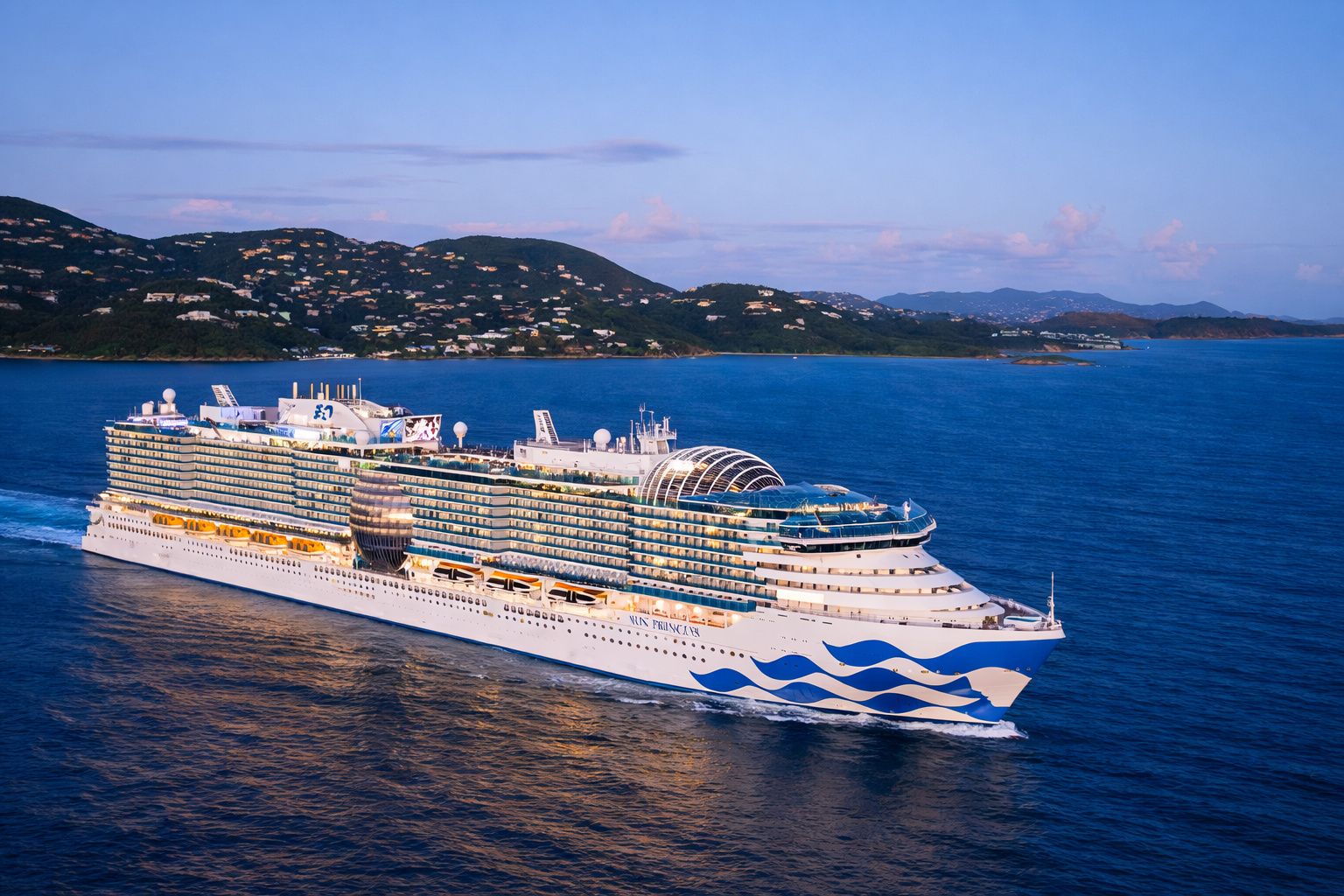
Weighing 175,500 Tons, Measuring 345 Meters Long, and With Capacity for Over 4,300 Passengers, the Sun Princess Becomes the Largest Ship Ever Built by Princess Cruises and Attracts Global Attention for Its Huge Glass Dome Inspired by Santorini’s Architecture Installed on Top of the Vessel
-
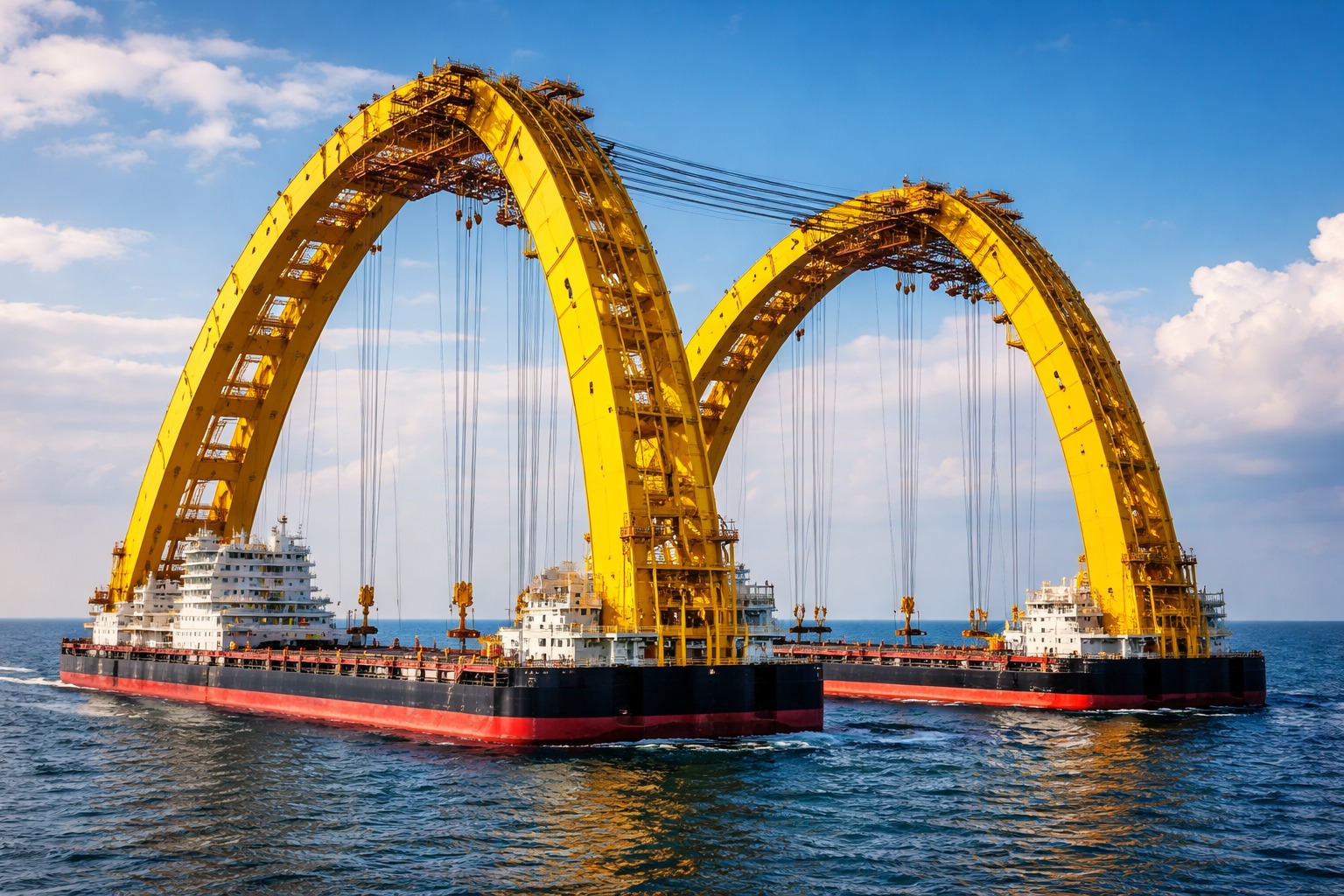
TX-10, The Colossus of The Sea: Largest Lifter Ship in The U.S., With Two Giant Barges, 73-Meter Tall Structure, and Strength to Raise 7,500 Tons of Sunken Oil Rigs

Communication Is Crucial. Crane Operators Use Radios to Coordinate with the Team at the Port and on the Ship, Preventing Accidents. During Container Movement, Operators Ensure That Each Container Is Secured and Released Properly, Using Special Locks.
Besides the Daily Challenges, Crane Operators Face Adverse Weather Conditions, Such as Strong Winds and Extreme Temperatures, That Can Affect the Crane’s Functioning.
Precision and Coordination Are Essential to Avoid Serious Accidents, Such as Falls or Collisions. Crane Operators Work Long Hours, Often in Shifts That Include Weekends and Holidays.
Companies Provide Housing and Health Benefits Due to the Risks Involved. On Average, Port Crane Operators Earn About $47,000 a Year, with Opportunities for Bonuses and Salary Increases Based on Experience.
Being a Crane Operator Is a Challenging and Vital Profession for the Efficient Operation of Ports. These Professionals Ensure That Millions of Containers Are Moved Safely, Playing a Crucial Role in the Global Supply Chain.










Seja o primeiro a reagir!