





 English
  Francês
  Alemão
  Italiano
  Japonês
  Norueguês
  Portuguese
  Spanish
  3 min of reading


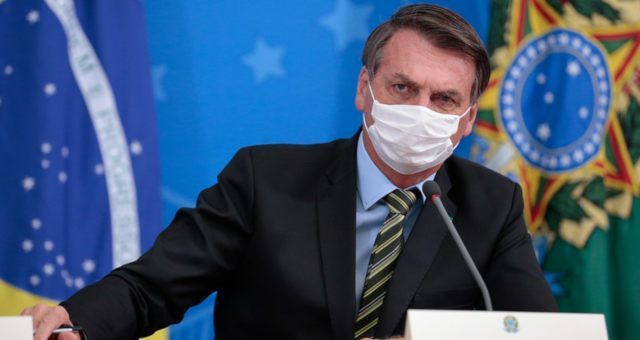
Government of Jair Bolsonaro Announces Some Actions Taken Under His Mandate Since January 2019. Check Out the Main Ones Below
Government of Jair Bolsonaro Publishes Major Achievements in Brazil Since January 2019 – When He Took Office, Until the Present Day. Check Out His Main Actions Below. Justice Rules and Petrobras Will Change the Name of Lula’s Field.
Read Also
- Local Content: ANP Discusses Turning Fines into New Investments Among Other Changes
- Oil States Brasil Rescues Submarine Pipeline in the Campos Basin
- Eneva Announces Oil and Gas Discovery in the Parnaíba Basin, in Maranhão, and Will Drill New Well in the Region
Check Below the Main Actions Taken by the Current Government
-
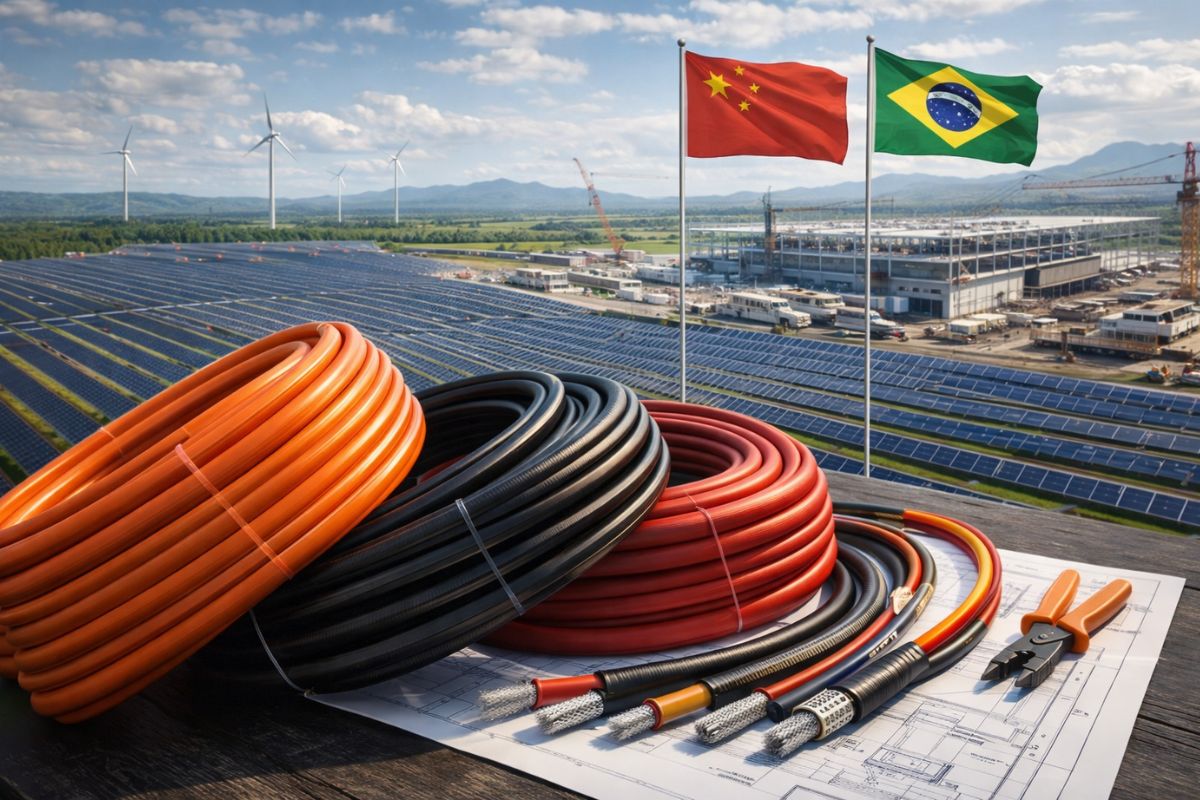
Chinese giant worth nearly R$ 4 billion that manufactures cables for electric cars, solar energy, and robotics wants to open a factory in SC.
-
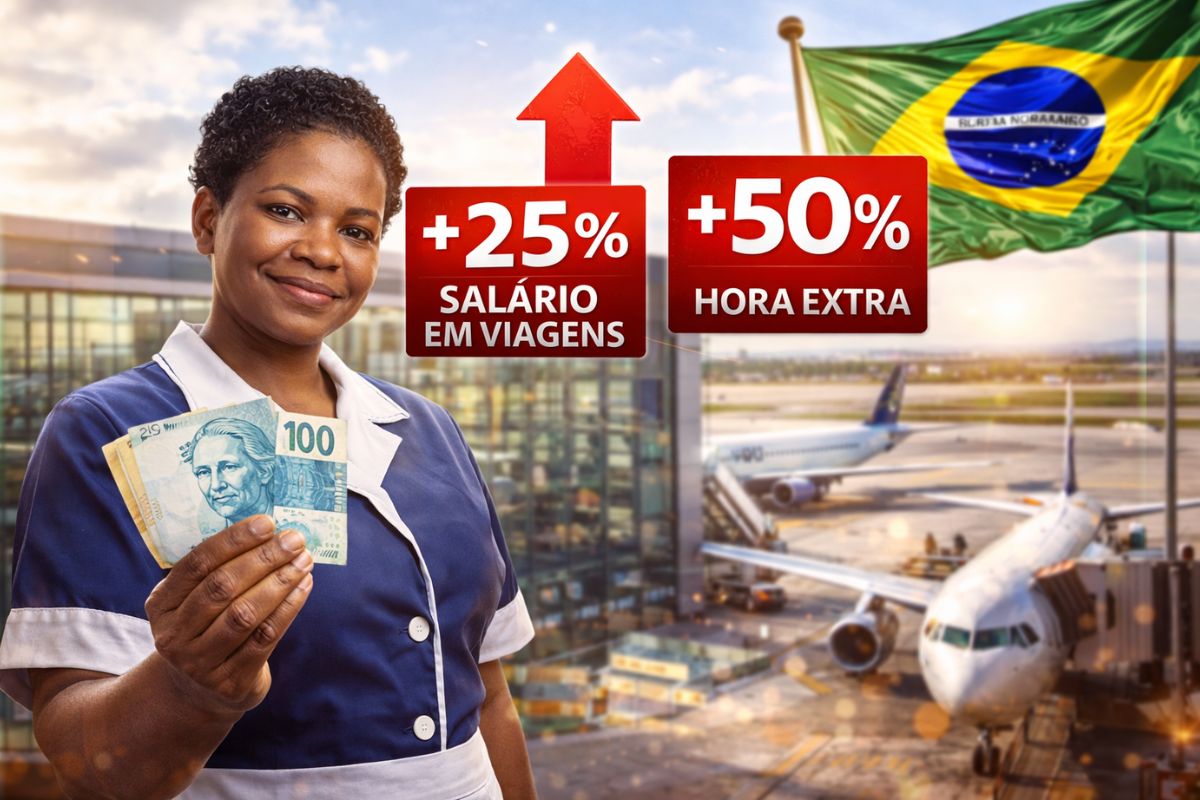
Many employers do not know, but the law guarantees domestic workers a 25% increase in salary during trips, 50% for overtime, 20% for night shifts, and 17 additional benefits that can lead to labor lawsuits if not paid.
-
Gasoline prices soar and the question arises: is ethanol more advantageous? The 70% rule reveals the limit with gasoline.

-
The government has made a decision and is starting a test with more ethanol in gasoline, anticipating a mixture of up to 35%, diesel with 25% biodiesel, and a study to assess the impacts on engines.


- State-Owned Companies in 2015: R$ 32 Billion in Losses. State-Owned Companies in 2019: R$ 109 Billion in Profits.
- Brazil Back Among the 25 Most Reliable Countries for Investment.
- Fewer Ministries, Technical Appointments, Cut of 21 Thousand Positions and Roles, Implementation of Clean Record in Federal Government Positions.
- Law Against Fraud in INSS (savings of R$ 100 billion over 10 years).
- End of Secrecy in Credit Operations with Federal Funds.
- Digitalization of Hundreds of Services, Generating Savings and Agility for the Population in Various Operations.
- Lifetime Pension for Families of Children with Microcephaly Caused by the Zika Virus.
- Billions in Investments in Philanthropic and University Hospitals.
- Unprecedented 13th Salary for Bolsa Família.
- Zero Taxes on Cancer and AIDS Medications.
- Desalination Program in the Northeast.
- Drop in Violence Rates, Notably in Murders and Rapes.
- Record Drug Seizures.
- Regulation of the Sale of Criminals’ Assets for Use by Security Forces.
- Land Invasions: Almost Total Reduction; there were 5 in 2019, all pacified in less than 1 week – FHC 1995: 145; FHC 1999: 502; Lula 2003: 222; Lula 2007: 298; Dilma 2011: 200; Dilma 2015: 182
- Completion of Dozens of Long-Expected Works – to Name a Few: the Transposition of the São Francisco River, Duplication of BR-101 in Alagoas, Duplication of BR-116 in Rio Grande do Sul and Paving of BR-163 in Pará.
- Auctions and Concessions of Ports, Airports, and Railways, Generating Jobs, Investments, Improvements, and Revenue.
- Historic New Pension Reform.
- Approximately One Million Jobs in 2019.
- Breaking Petrobras’ Monopoly in the Gas Sector.
- Historic Reduction of Interest Rates – Lowest Index.
- Release of FGTS for Workers.
- Economic Freedom Law: Actions That Reduce Bureaucracy for Companies of All Sizes, Stimulating Entrepreneurship and Competitiveness, Generating Jobs and Income.
- Country Risk Reaches Lowest Level Since 2013.
- Operation Acolhida: Welcome to Refugees from Venezuelan Socialism, with a Whole Network of Medical, Diplomatic, and Humanitarian Support.
- Brazil Moving Towards the OECD (Organization of the Most Developed Countries), with Support from Some of the Most Important Nations.
- Record Exports to the Arab World.
- Leadership in the Agreement Between Mercosur and the European Union.
- Leadership in the Agreement Between Mercosur and EFTA (European Free Trade Association).
- Attraction of R$ 10 Billion in Investments from Saudi Arabia.
- 4th Largest Destination for Investments Among G20 Countries.
- National Literacy Secretariat: Focus on the Foundation of Education.
- Digital ENEM, More Comprehensive, Cost-Effective, and Less Bureaucratic.
- FUTURE-SE, a Program That Enables the Collection of Sponsorship for Research, Bringing University Students Closer to the Market.
- Connected Education: Digitization of Thousands of Schools in the North and Northeast.
- National Civic-Military School Program.
- New Paths Program (vocational education).
- Reduction of Fires and Fight Against Deforestation.
- Zero Landfill Program (urban environmental agenda).
- New Basic Sanitation Framework.
- Opening and Expansion of Various Markets for Brazilian Agribusiness (Egypt, Indonesia, China, etc.).
- Record Safra Plan.
- Support for Family and Organic Agriculture.
- MP for Land Regularization.
Some of the Main Actions During the Pandemic
- Immediate Reaction: Notification of Ports, Airports, and Borders and Preparation of the Public Network Still in January.
- Health Emergency Decree on 02/03. (20 days later, Carnival would happen normally in states and municipalities)
- Emergency Aid for 65 Million Brazilians, Directly or Indirectly Benefiting More Than Half of the Population.
- About R$ One Trillion Destined or Planned for Fighting the Pandemic and Its Economic Consequences.
- Over R$ 150 Billion for States and Municipalities.
- More than R$ 40 Billion for Small and Micro Enterprises.
- More than 10 Million Jobs Preserved.
- Investment Index Against the Pandemic Higher than Wealthy Countries.
- One of the Countries That Recovers Infected Individuals the Most.







Seja o primeiro a reagir!