





 Portuguese
  English
  Spanish
  4 min of reading
  0 comments


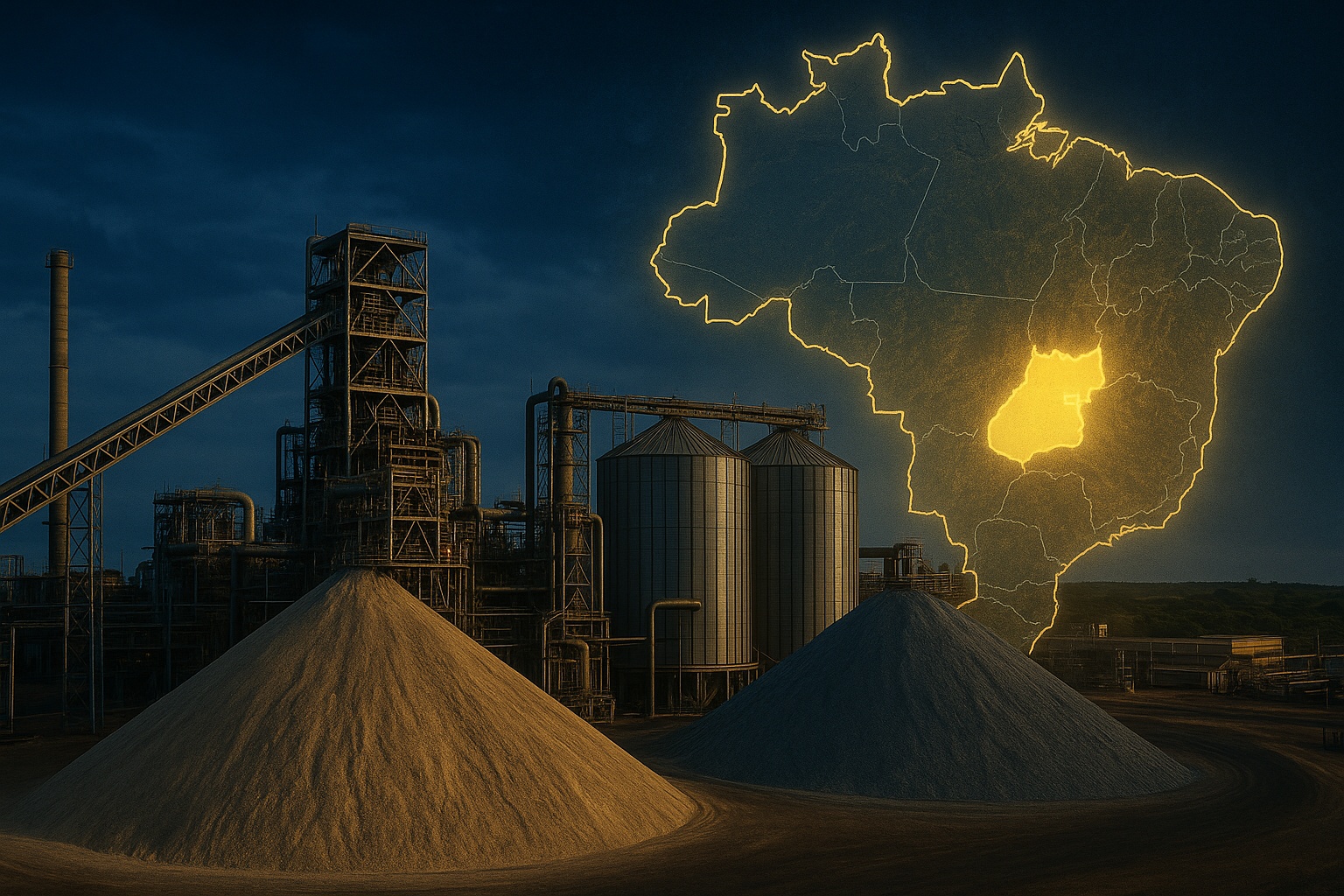
Catalão (GO) Hosts Niobium and Phosphate Complex Among the Largest in Brazil and Projects Itself as a Strategic Hub for Fertilizers and Technology with Global Impact.
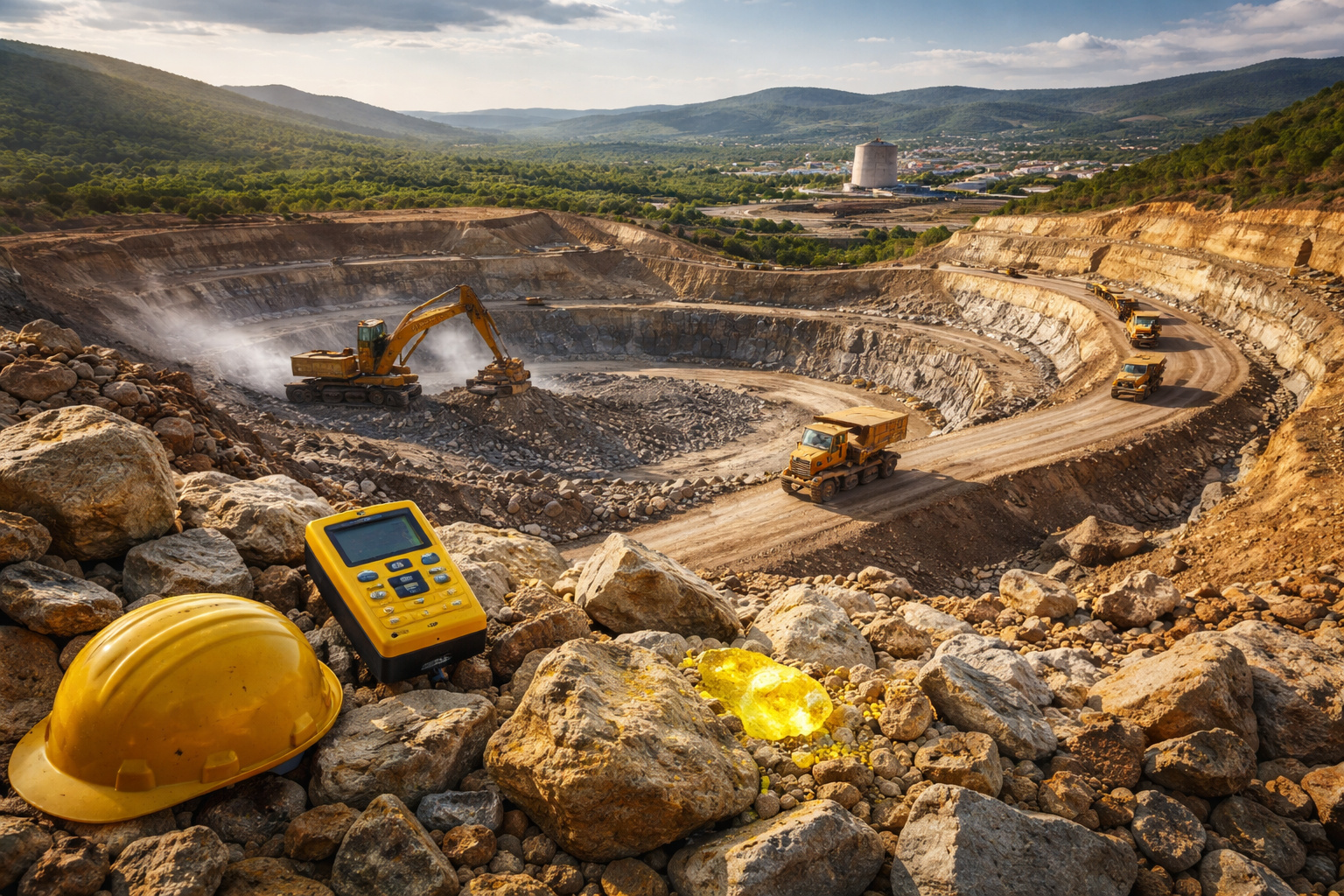
Located in southeastern Goiás, the city of Catalão, with just over 115 thousand inhabitants, is home to one of Brazil’s most important mineral hubs. Recognized for the extraction of niobium and phosphate, the region has solidified itself as a key player for two strategic sectors: agriculture, which heavily relies on phosphate fertilizers, and the high-tech industry, which uses niobium in advanced metal alloys.
Catalão has become an example of how interior cities can gain global relevance when built upon strategic mineral resources, attracting multinationals, generating billions, and directly impacting the Brazilian trade balance.
Mineral Complex of Catalão
The municipality houses mines operated by CMOC Brasil (China Molybdenum), one of the largest mining companies in the world, which focuses on niobium and phosphate.
-
Brazil extracts 26.3 million tons of ore from what was previously treated as waste, transforming residues into wealth, producing over 3 million tons of sand, and demonstrating how national mining is relearning to generate value.
-
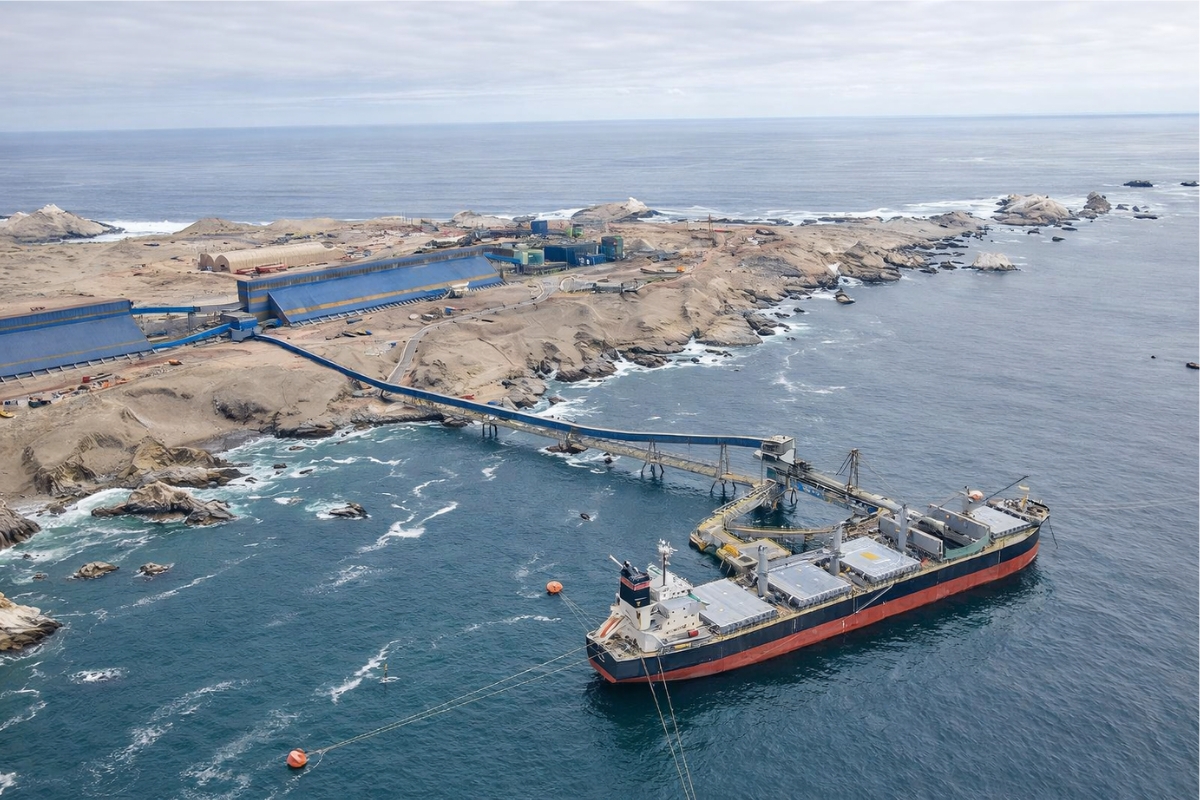
A $3.5 billion megaproject in Latin America pumps desalinated seawater at 1,050 liters per second over 194 km to keep a copper supermine in the Andes operational for another 20 years.
-
A hidden mine in the Andes valued at nearly R$ 1 trillion is starting to attract global attention, containing copper, gold, and silver, and raises an intriguing question: why do Argentina and Chile need to act together to exploit this gigantic wealth?
-
A silent discovery in the interior of Bahia could change the future of energy in Brazil: a uranium reserve in Lagoa Real has an estimated capacity to produce 400 tons per year and is already attracting the attention of energy sector specialists.

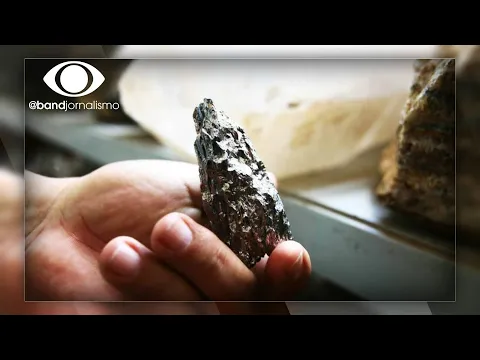

- Niobium: the ore is primarily extracted from the Boa Vista Mine. Although Araxá (MG) leads global production, Catalão plays an important role in diversifying the Brazilian supply, ensuring additional provision in a strategic market.
- Phosphate: the Ouvidor unit, in the vicinity of Catalão, is one of the largest producers of phosphate concentrate in the country, an essential input for agricultural fertilizers.
This combination of resources transforms the region into a convergence point between Brazilian agricultural production—dependent on fertilizers—and the high-tech sector, which uses niobium to manufacture special steels, turbines, superconductors, and even parts for rockets.
Niobium: A Strategic Mineral
Niobium is considered one of the most strategic minerals on the planet. It provides strength and lightness to metal alloys and is used in:
- Aerospace and aeronautics industry.
- Lighter and more economical cars and trucks.
- Clean energy generation, including wind turbines.
- Superconductors and research in nuclear fusion.
Brazil is the world’s largest producer, responsible for about 80% of the global supply. Catalão, alongside Araxá (MG) and São Gabriel da Cachoeira (AM), forms the tripod of the country’s main deposits.
Phosphate: An Essential Input for Agriculture
While niobium positions Brazil on the global technological stage, phosphate ensures the foundation of national agriculture. The country is one of the largest producers and exporters of grains in the world, but still depends on the import of fertilizers.
In this context, Catalão stands out: the phosphate complex in the Ouvidor/Catalão region produces millions of tons of concentrate annually, meeting a significant portion of Brazilian demand.
Without phosphate, the productivity of soybeans, corn, and other crops that sustain agribusiness would fall dramatically.
Economic Impact
Mining in Catalão has direct repercussions on the local and regional economy.
- Direct and Indirect Jobs: thousands of job positions in mining, transportation, and services.
- Municipal Revenue: mining royalties ensure significant revenue for investments in health, education, and infrastructure.
- Integration with Agriculture: locally produced fertilizers supply agricultural hubs in the Midwest, reducing logistical costs.
This impact makes Catalão a municipality that goes far beyond its population size, positioning itself as a relevant player in the national economy.
Social and Environmental Challenges
As with all mining activities, the economic benefits come with challenges.
- Environmental Impacts: the extraction of phosphate and niobium alters the landscape and requires strict monitoring of waste and dams.
- Water Sustainability: the activity consumes large volumes of water, necessitating management to avoid impacting local communities.
- Economic Diversification: reliance on mining can create vulnerability during periods of price fluctuations in the global market.
These challenges place Catalão in the position of needing to balance growth with environmental and social responsibility.
University City and Knowledge Hub
In addition to mining, Catalão is home to a campus of the Federal University of Goiás (UFG) and other higher education institutions. This academic presence strengthens the training of professionals in engineering, geology, and agronomy, creating a skilled workforce to support the local production chain.
The exchange between universities and mining companies paves the way for research projects in sustainability, restoration of degraded areas, and technological innovation in mineral utilization.
Catalão in the Geopolitical Context
The role of Catalão cannot be viewed only on a local scale. The production of niobium and phosphate places the municipality on the radar of global interests:
- China: CMOC is controlled by Chinese capital, which reinforces Beijing’s influence in Brazilian strategic resources.
- Global Market: the demand for niobium is expected to grow with the energy transition and the need for more resilient and lighter materials.
- Food Security: the phosphate produced in Catalão contributes to the stability of Brazilian agribusiness, which feeds billions of people worldwide.
Thus, the Goiás city emerges as a link between global energy and food security.
The Future of Catalão
The challenge for the future lies in maintaining economic relevance without compromising sustainability. Experts advocate for greater investment in:
- Clean Mining Technologies.
- Diversification of the Local Economy.
- Research into New Uses of Niobium, such as batteries and electronic devices.
- Increased National Production of Fertilizers, reducing external dependence.
Catalão has already proven that medium-sized cities can play strategic roles on the international stage. Now, it needs to consolidate its status as a hub of mining and technology, balancing progress with responsibility.






-

Uma pessoa reagiu a isso.