





 Portuguese
  English
  Spanish
  5 min of reading
  6 comments


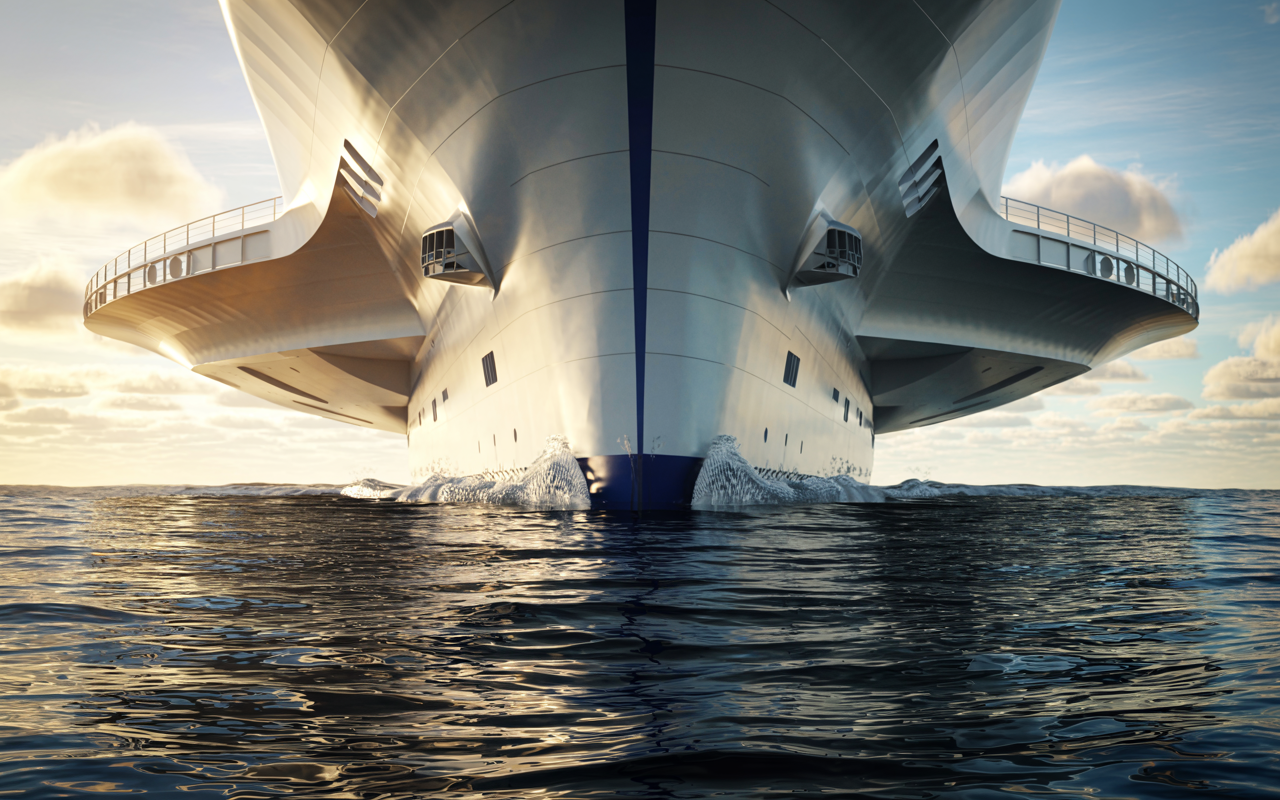


The Stabilizers of the Icon of the Seas, the Largest Cruise Ship in the World, Weigh 350 Tons and Have Dimensions Comparable to Those of an Airplane. Discover How This Technology Guarantees Comfort and Safety at Sea.
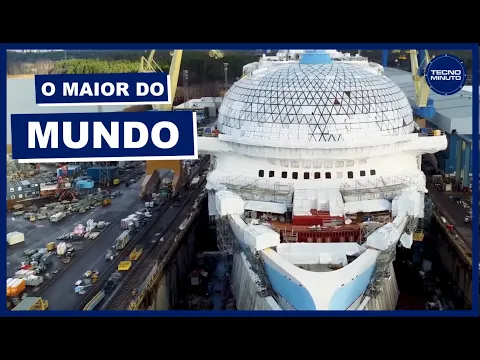
The Icon of the Seas, from Royal Caribbean, is currently the largest cruise ship in the world (2024). With a capacity for approximately 7,600 passengers and more than 2,300 crew members, this floating city is an icon of modern naval engineering. But how does a sea giant, over 365 meters long and displacing more than 250 thousand tons, cross turbulent seas while ensuring comfort and safety? The answer lies in its impressive stabilizers, advanced technological structures that reduce lateral rolling and keep the ship stable amidst the waves.
What Are the Stabilizers of the Icon of the Seas
The roll stabilizers of the Icon of the Seas are large hydrodynamic structures installed on the sides of the hull, submerged during operation. They function as true “submarine wings,” generating lateral lift forces that neutralize the oscillation movement caused by waves — the so-called roll.

On the Icon of the Seas, each stabilizer weighs about 175 tons, totaling 350 tons of technology dedicated to the comfort and safety of passengers and crew.
-
These living root bridges and ladders are over 700 years old and help indigenous people survive in one of the rainiest regions in the world.

-
From sertanejo star to international investor: Ana Castela invests millions in a mansion in the USA, creates a themed accommodation in Orlando, and shows that the “boiadeira” also wants to grow away from the stage.

-
The 10 most stunning motorhomes in the world: a $3 million trailer with a rooftop nightclub and garage for a Ferrari, “palaces on wheels” with Italian marble, private cinema, and five-star hotel luxury for billionaires.
-
Trump wanted to spend $400 million on the White House, but the courts prohibited the million-dollar construction.


Dimensions and Materials: The Impressive Numbers of the System
The stabilizers of the Icon of the Seas are comparable in size to a regional commercial airplane. Each unit has:
- Length: between 8 and 10 meters (similar to the length of an Embraer 175 or Bombardier CRJ)
- Wingspan (width): between 3 and 4 meters
- Weight: approximately 175 tons per stabilizer
- Material: high-strength steel combined with cutting-edge hydraulic components
Designed to withstand the stress of maritime forces, the stabilizers feature high-precision hydraulic systems and are controlled by computers that receive data from gyroscopes and tide and motion sensors.
The Cost and Technology of the Stabilizers of the Largest Cruise Ship in the World
The stabilizers of the Icon of the Seas represent a multi-million dollar investment. It is estimated that each unit costs between 4 and 6 million dollars, depending on the level of onboard technology, totaling approximately 10 million dollars for the complete system.
Among the suppliers that traditionally equip Royal Caribbean ships are names such as:
- Wärtsilä
- Fincantieri
- Rolls-Royce Stabilization Systems
The stabilizers are of the retractable type, meaning they can be retracted when not needed (for instance, in calm waters), which improves the hydrodynamic efficiency of the ship and reduces fuel consumption.
How the Stabilizers Improve the Passenger Experience
The main function of the stabilizers of the Icon of the Seas is to reduce lateral rolling (roll) of the ship, ensuring greater comfort on board. Among the direct benefits are:
- Significant reduction of seasickness, one of the main challenges on ocean voyages.
- Increased structural safety, avoiding excessive stress on the ship’s structure during storms and rough seas.
- Improved operational efficiency, as it allows for higher speeds in adverse conditions since the ship rolls less.
- Protection of equipment sensitive to vibrations and sudden movements, such as electronic systems and industrial kitchens.
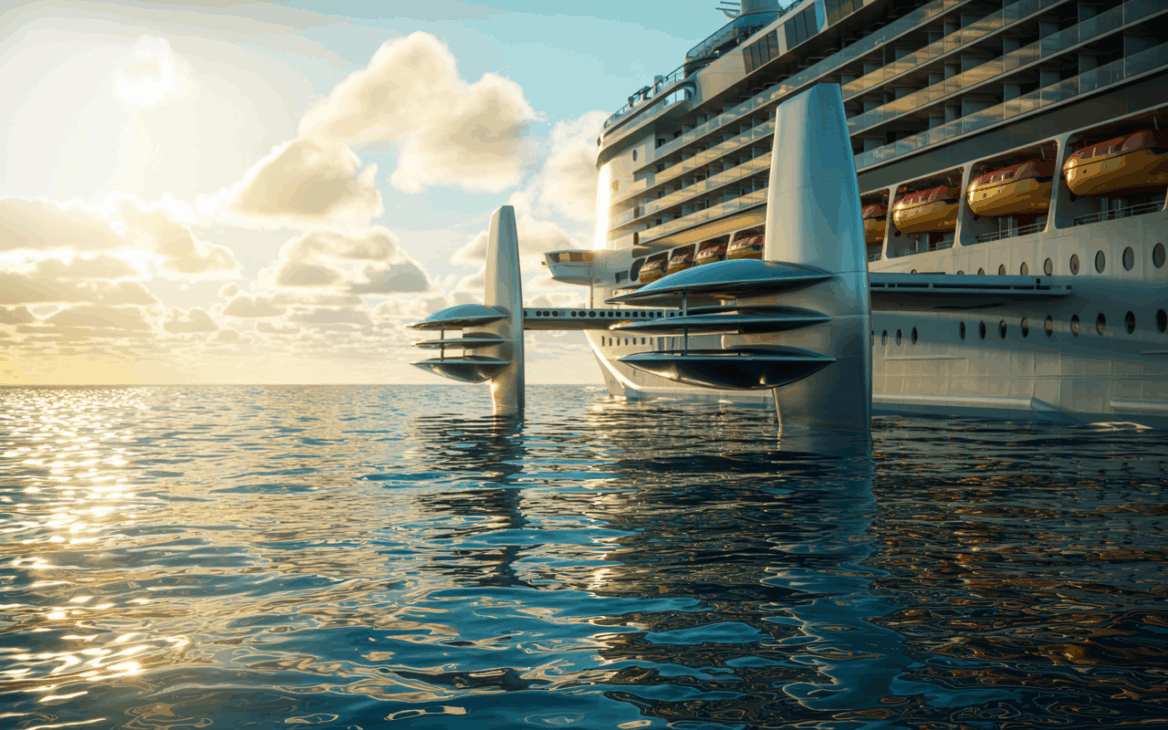
On long crossings or in regions known for challenging seas, such as the North Atlantic, these systems are crucial for the success of the operation.
The High Technology Operation Behind the Stabilizers
The stabilization system of the Icon of the Seas operates automatically and highly precisely. The onboard sensors continuously monitor the state of the sea and the behavior of the ship.
Based on movement data, the onboard computer dynamically adjusts the angle of the stabilizers to generate forces that counteract lateral rolling.
This real-time control is essential for the effectiveness of the stabilizers, especially in varying sea and wind conditions. Additionally, the system is integrated with the rest of the navigation equipment, allowing maximum synergy between propulsion, steering, and stabilization.
Why the System Is Essential on the Largest Cruise Ship in the World
In the case of the Icon of the Seas, the importance of the stabilizers is amplified by its size and the number of passengers. With thousands of people on board, including children and the elderly, comfort and safety are a priority.
An efficient stabilization system ensures that the cruise remains an enjoyable experience, regardless of weather conditions.
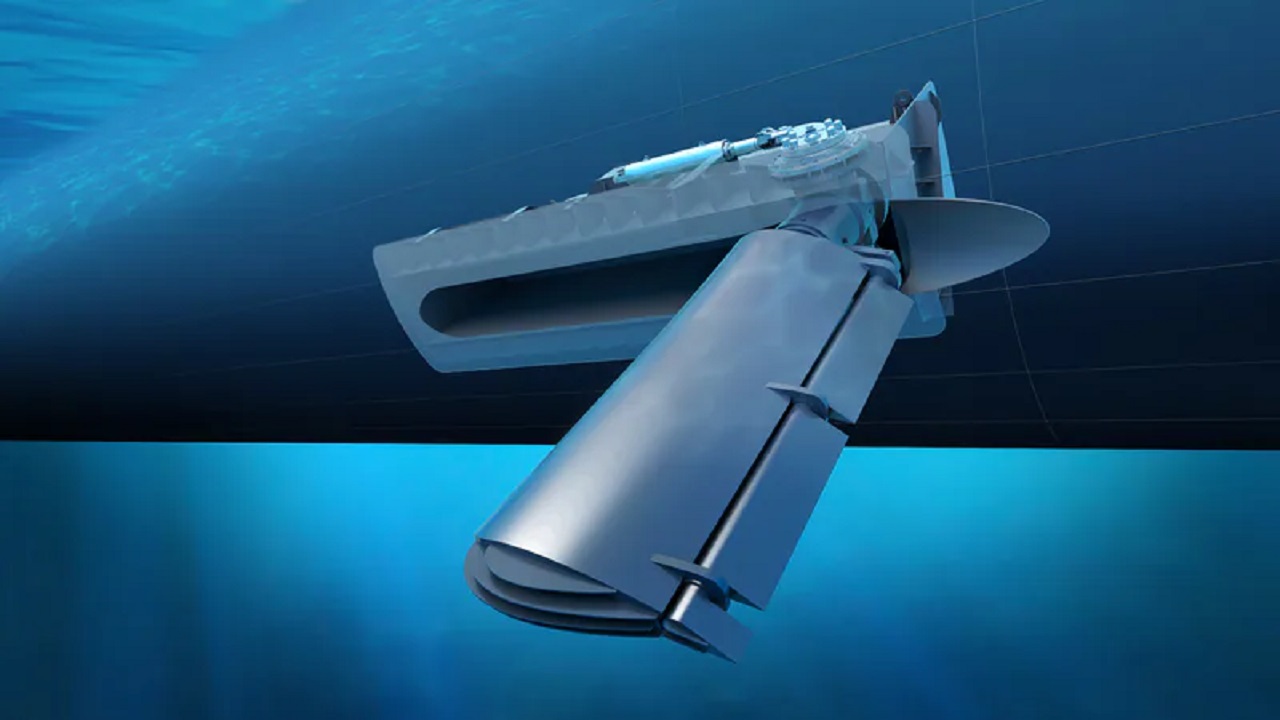
Moreover, the monumental structure of the ship requires a system capable of handling hydrodynamic forces much greater than those of smaller vessels. The 350-ton stabilizers of the Icon of the Seas fulfill this role masterfully.
The Future of Stabilization on Cruise Ships
The evolution of stabilizers keeps pace with innovations in naval design. In the coming years, the use of lighter and stronger materials, such as advanced composites, is expected, as well as intelligent systems that learn from sea patterns and optimize energy use for stabilization.
The goal is to further reduce fuel consumption and maximize passenger comfort. The Icon of the Seas already represents the state of the art, but the upcoming projects promise to go beyond, with technologies that will make future cruise generations even more stable and efficient.
The stabilizers of the Icon of the Seas are true colossi of naval engineering. Weighing about 350 tons and the size of a regional airplane, these systems are essential to ensure that the largest cruise ship in the world offers safe and comfortable journeys to its passengers.
More than just mechanical parts, the stabilizers represent the maritime industry’s commitment to safety, comfort, and innovation at sea.








Não é da Royal, e sim da empresa msc.
Quero fazer um cruzeiro nesse navío
Não é 350 toneladas e sim 350000 toneladas.
Pelo que diz na reportagem o navio todo pesa 250mil toneladas, logo eu acho que está certo os estabilizadores pesarem 350 toneladas.
Faz sentido. O pé não pode ser maior que o sapato..!