





 Portuguese
  English
  Spanish
  4 min of reading
  0 comments


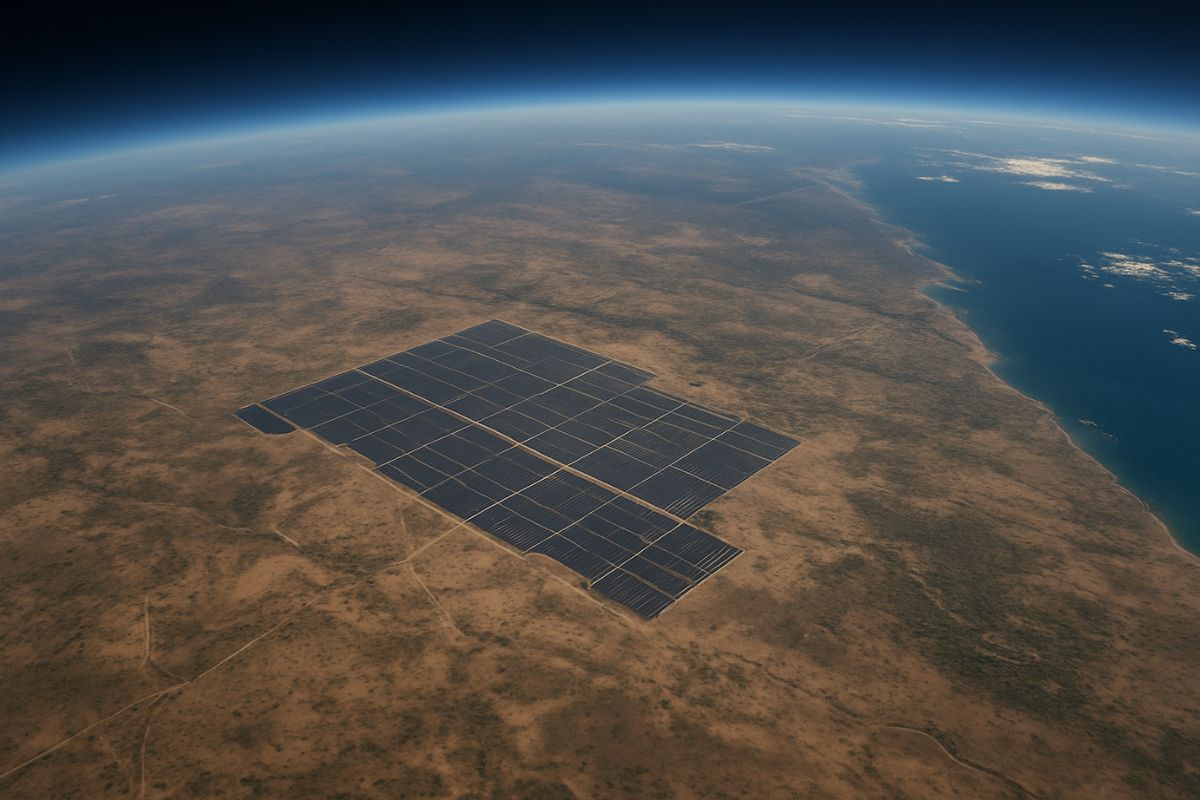
With An Area Equivalent To More Than 70 Thousand Soccer Fields, India’s Solar Plant Will Be Larger Than Cities Like Recife Or Campinas, And Will Change The Future Of Energy
India Builds The Largest Solar Plant On The Planet: 500 km² In The Desert To Supply More Than 16 Million Homes With Clean Energy
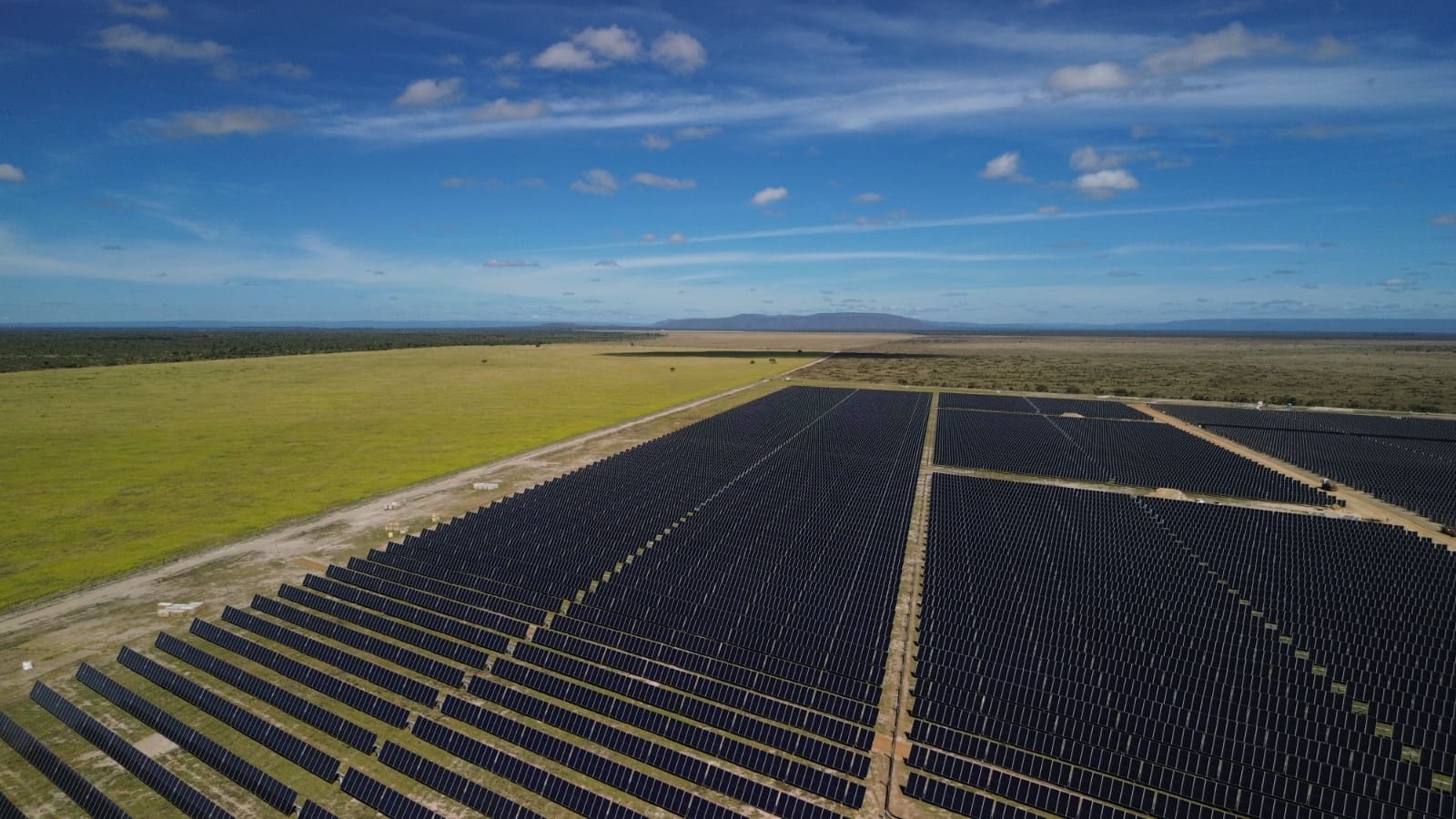
A grand project is taking shape in the heart of the Kutch desert in India. It is the construction of the world’s largest solar power plant, an initiative led by the company Adani Green Energy Limited (AGEL), which is transforming an arid area of more than 500 km² into an unprecedented sustainable power generation hub. When completed, the complex will be able to supply clean energy to 16.1 million households, marking a turning point in India’s energy transition.
A Desert Transformed Into The Epicenter Of The Green Revolution
The project is being erected in the Kutch region of Gujarat, one of the sunniest areas on the planet. With flat terrain and low humidity, the location is strategic for the installation of bifacial photovoltaic panels that capture radiation from both the front and back of the modules, significantly increasing generation efficiency.
-
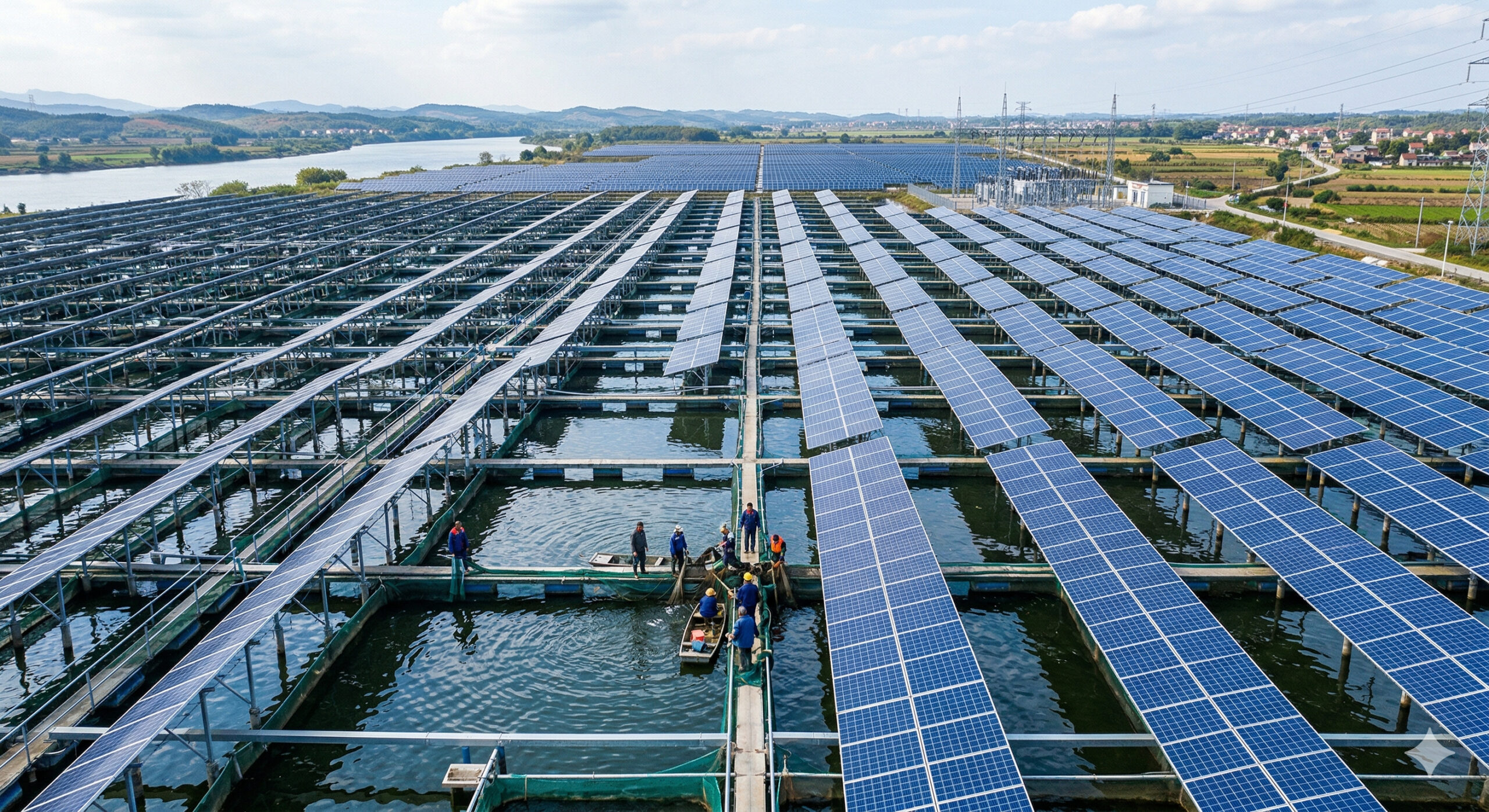
China bets on the Fishery-PV model and transforms fish farms into giant solar plants, covering ponds with panels that generate energy while utilizing the same space for large-scale aquaculture production.
-
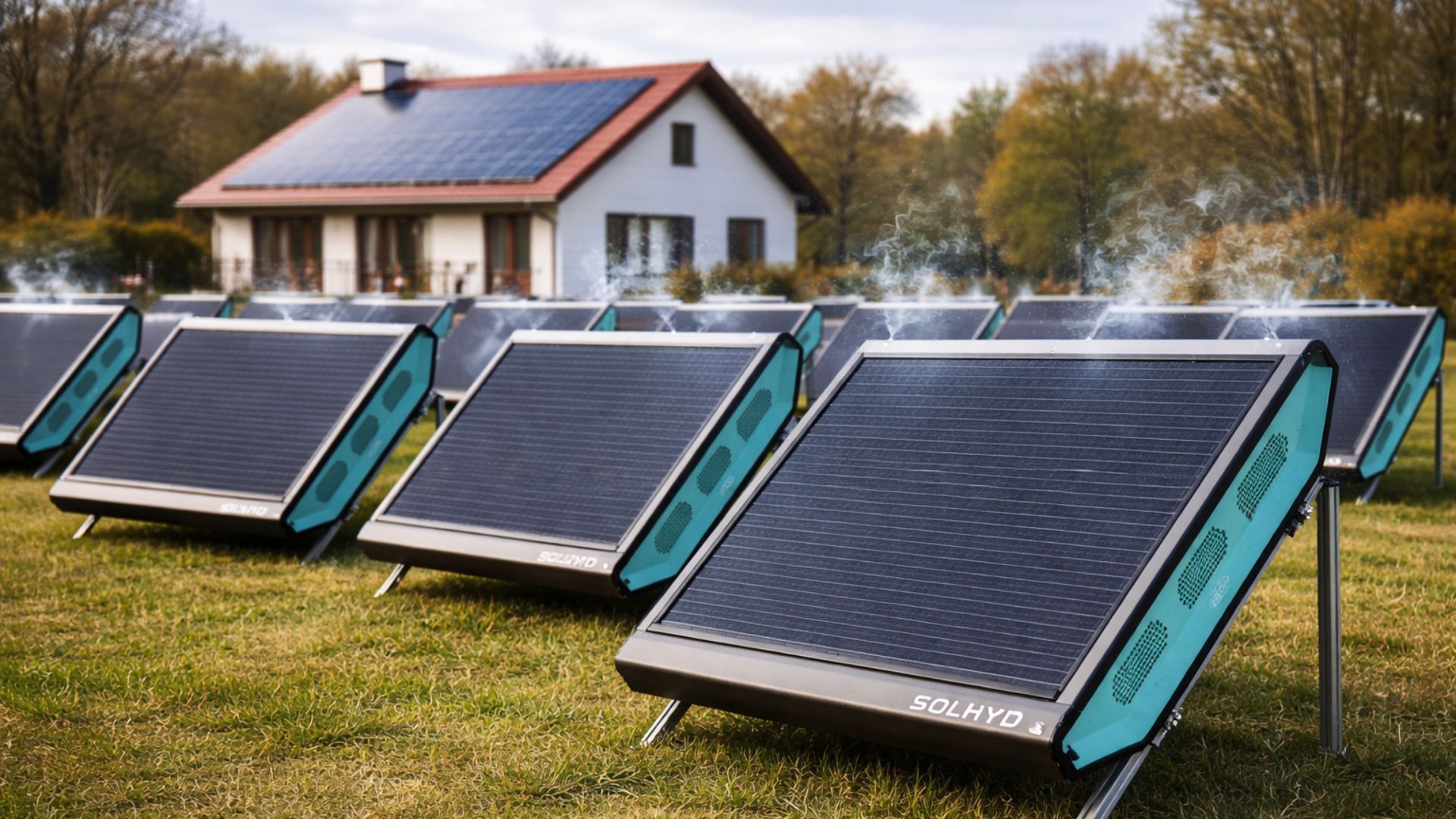
Green hydrogen at home: Belgium launches new technology that makes solar panels produce fuel from the moisture in the air, which could boost the energy transition.
-
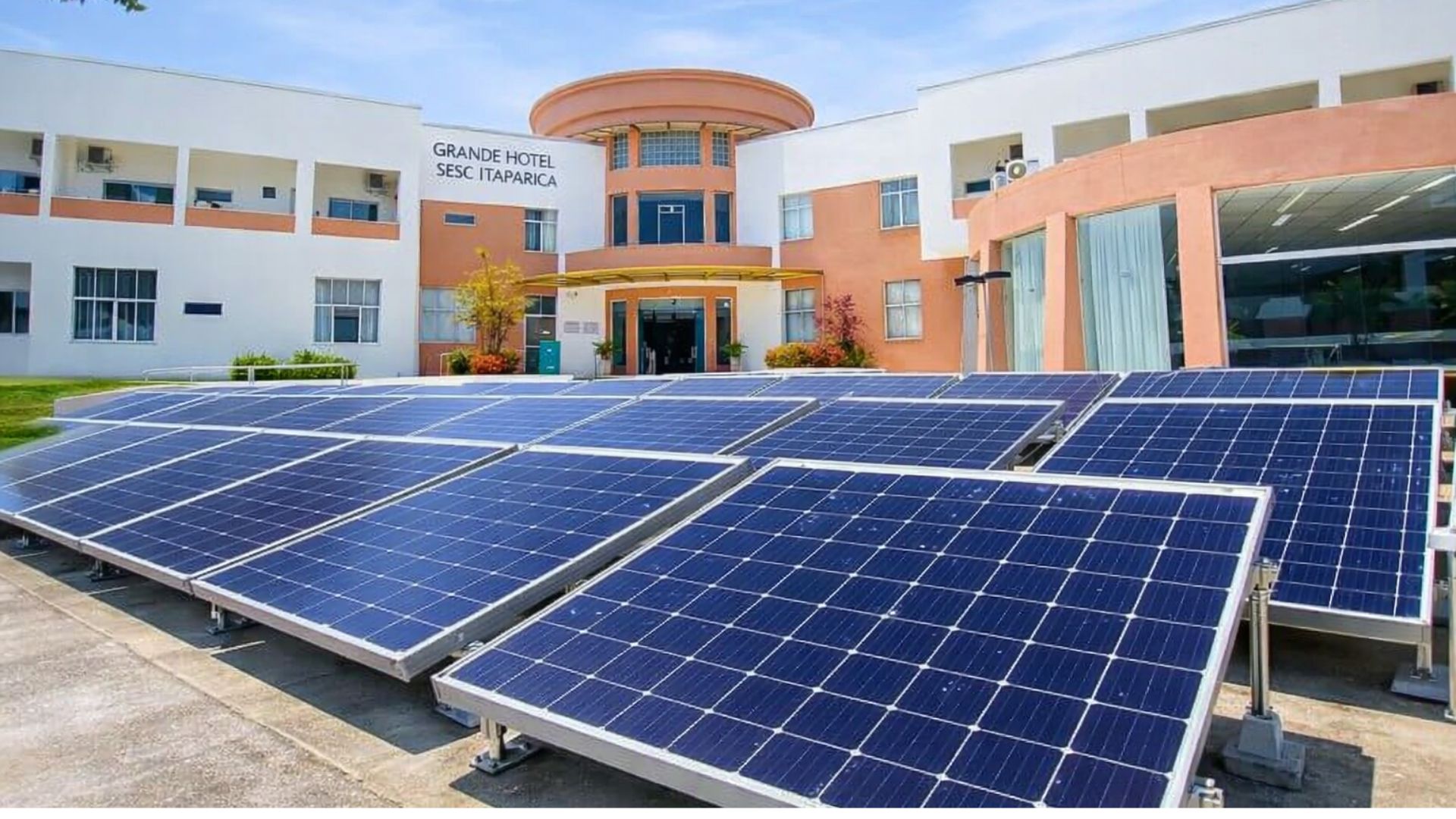
Sesc-BA bets on renewable energy with the support of EDP and drives the energy transition with a direct impact on cost reduction and the sustainability of its operations in Bahia.
-
Technology giant breaks global sustainability records: How Amazon’s leadership in renewable energy procurement transformed the global energy market in the past year.


In addition to solar energy, the complex will feature state-of-the-art wind turbines, capable of generating up to 5.2 megawatts each. This integration of renewable sources, solar and wind, is part of the concept of hybrid infrastructure, promoting stability and better utilization of the energy matrix.
A Plant That Has Already Started Operating
Although the construction of the plant is scheduled to be completed only in 2030, part of the operations is already underway. According to data from Adani Green Energy itself, 551 megawatts of clean energy are already being generated, which are injected into the Indian power grid. The ultimate goal of the complex is to reach 30 gigawatts of installed capacity, equivalent to almost the entire solar capacity currently installed in Brazil, for example.

Artificial Intelligence And Automation At The Heart Of The Operation
One of the most innovative highlights of the project is the use of artificial intelligence and autonomous systems to monitor, diagnose, and correct failures in the thousands of solar modules installed. AGEL aims to automate almost 100% of the plant’s maintenance and supervision, reducing costs and increasing production reliability.
“This project symbolizes a paradigm shift for India and the world. We are leveraging the best of technology to accelerate the energy transition,” said Gautam Adani, founder of the Adani Group conglomerate, during a recent event in New Delhi.
A Direct Response To The Climate Crisis And Dependence On Coal
More than 70% of the electricity consumed in India still comes from coal, one of the most polluting sources on the planet. The construction of the Kutch solar plant represents not only a technological advancement but also an urgent response to the climate crisis and the need to diversify India’s energy matrix.
According to estimates from the International Energy Agency (IEA), India will be the country with the highest growth in global energy demand by 2040, even surpassing China in proportional expansion. The national target is to achieve 500 gigawatts of renewable energy by 2030, and AGEL’s project will be one of the pillars of this strategy.
Recent Updates And Global Impact
In May 2025, Adani Green Energy confirmed the installation of new high-efficiency solar modules produced locally, as part of the government program “Make in India.” Construction of ultra-high voltage transmission lines (UHVDC) has also begun to transport the generated energy to major urban centers like Mumbai and Delhi.
At the same time, India has established renewable technology export agreements with countries in Africa and Southeast Asia, aiming to become a global leader in sustainable solutions. The Kutch project will be used as a replicable model in desert areas of other countries.
The Largest Energy Project Of The 21st Century?
With an area larger than cities like Porto Alegre or Belo Horizonte, the solar complex in Gujarat is being compared in scale and ambition to China’s Tengger solar energy project and Morocco’s Noor solar park. However, when it reaches its maximum capacity, no other plant will have the same energy output based solely on clean sources.
If forecasts hold true, India could avoid emitting over 1 billion tons of CO₂ by 2040 just with AGEL’s projects, establishing itself as one of the leaders in the global fight against climate change.
“This will be the most important project of my career and perhaps in the history of clean energy in Asia,” Gautam Adani said in a recent interview with Bloomberg.










-

Uma pessoa reagiu a isso.