





 Portuguese
  English
  Spanish
  5 min of reading
  6 comments


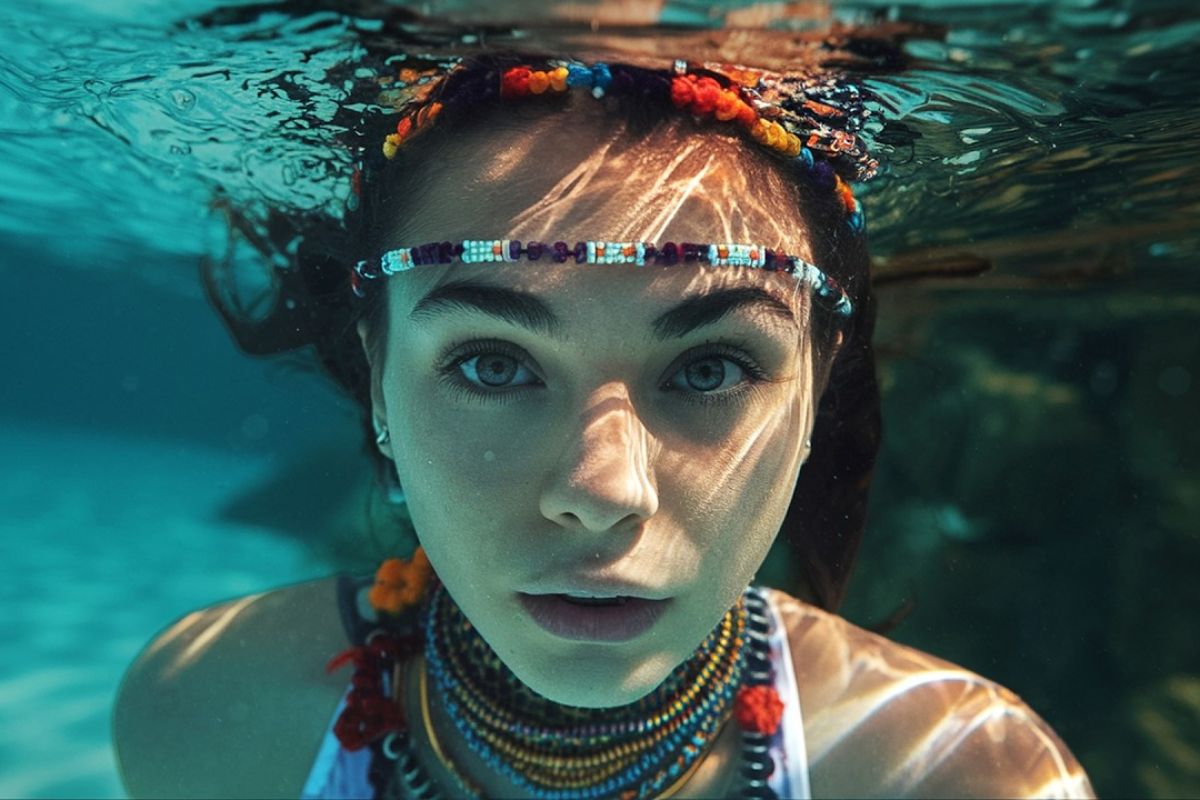


Get To Know The Bajau People, Nomadic Community Of Southeast Asia That Builds Houses On Water, Fishes By Diving For Long Periods, And Preserves A Maritime Lifestyle Between The Philippines, Indonesia And Malaysia
The Bajau people are known as sea gypsies for living literally on the water, in stilt houses and villages connected by canals and small boats. Between the Sulu Archipelago in the Philippines, the islands of Indonesia, and coastal areas of Malaysia, Bajau identity remains cohesive even across borders, with language, fishing, and faith as structuring elements of daily life.
Field reports show Bajau divers remaining submerged for long minutes while hunting with spears and hand lines. The practice starts early, is daily, and guides food, commerce, and family calendars, sustaining a marine-based economy and mobility between coves, reefs, and stilted villages.
Where They Live And How They Organize
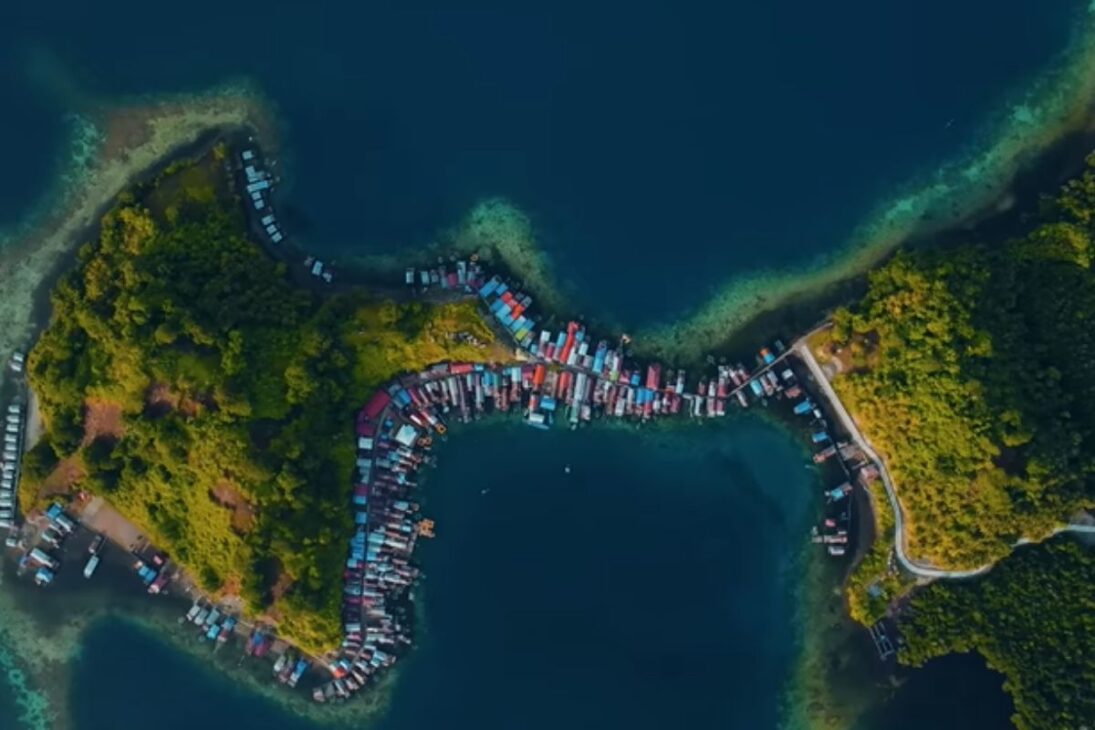
The Bajau people are spread across three Southeast Asian countries. In the Philippines, villages like Sitangkai in Tawi-Tawi form a true floating city where streets are canals and the constant noise is that of the tides and boat engines.
-
A gigantic dam project in the Himalayas could solve one crisis but silently create another for millions of people.
-
Nikola Tesla said that intelligent people tend to have fewer friends, and now science partially confirms this: a study with over 15,000 people showed that for the more intelligent, socializing too much can even reduce life satisfaction.

-
A superyacht worth US$ 17 million is delivered in impeccable condition, sets out to sail, and hits a bridge in the Bahamas just two hours later.

-
Residents of Australia woke up to a sky completely red like blood before the arrival of Cyclone Narelle, which hit the coast with winds of 250 km/h, tearing off roofs and lifting iron dust in a scene they described as apocalyptic.


In Indonesia, communities in Sulawesi maintain compact villages over the sea, with close houses and intense coexistence.
Despite geographical dispersion, social organization is of strong proximity. Most are Muslim, and celebrations like Ramadan mark community life.
Mobility is part of the system, with families moving for work and fishing, but maintaining ties with relatives and compadres from different islands.
Life On Water And Essential Infrastructure
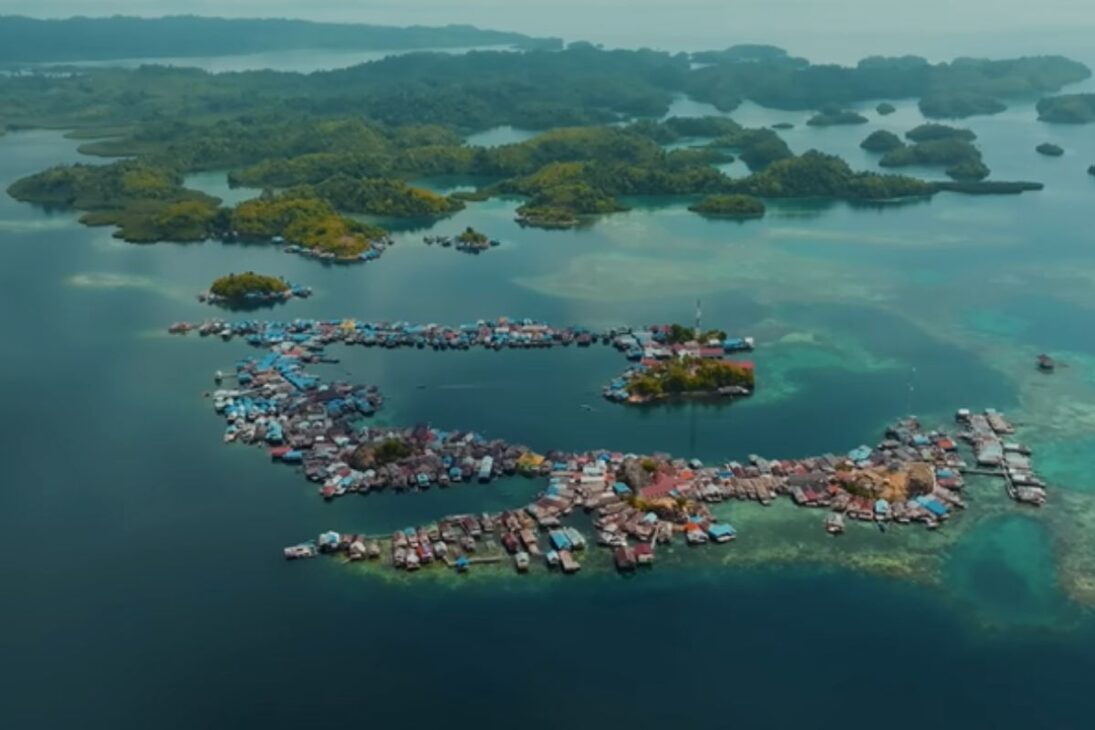
The houses of the Bajau people are built on stilts and connected by walkways and boats. Supply comes by sea from nearby markets, and in some points, there is paid access to satellite internet for short periods, sufficient for basic communication.
Daily life is shaped by tides, wind, and the availability of fish, which requires collective planning.
Internal logistics include traditional boats for circulation and transportation of goods. In floating cities, children grow up knowing how to row, anchor, and swim, learning early to differentiate currents and read the sky.
The practical school is the sea itself, and much of the learning occurs by following elders.
Diving Technique And Apnea Time
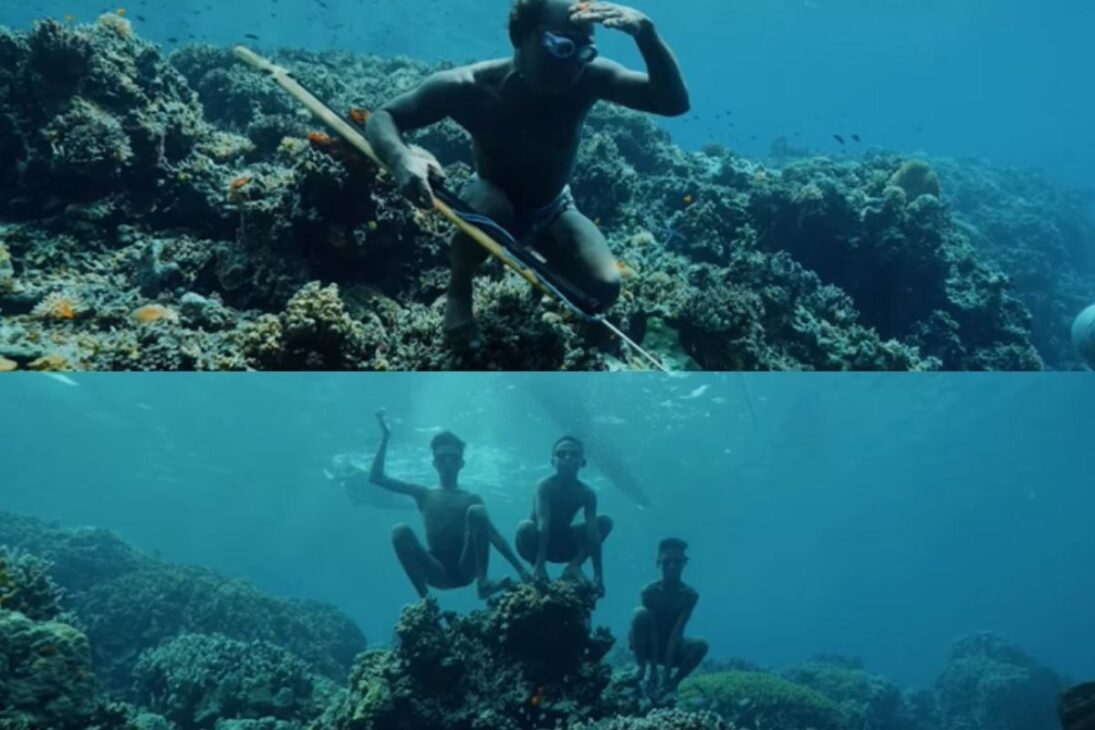
The fame of the Bajau people comes from their ability to dive on apnea for prolonged periods during fishing. Fishermen report routines of repeated descents, with short intervals on the surface, combining relaxation, preparation whistles, and rhythm control to conserve oxygen.
The constant practice since childhood is pointed out by the Bajau themselves as the main secret to their performance.
On days with good visibility, teams alternate roles between those steering the boat and those diving to catch fish and octopus. The sea provides the menu and imposes limits.
The precision of diving reduces waste and avoids unnecessary risks, since navigation often occurs far from land support.
Fishing, Commerce And Production Methods
The economy of the Bajau people is anchored in artisanal fishing of dozens of species with spears and lines, as well as shellfish collection. At border points, part of the goods and supplies come from neighboring countries via short open sea routes, keeping local markets supplied.
Direct sales sustain the family budget and finance repairs, fuel, and maintenance of the boats.
Regional changes in fishing pressure and the presence of modern vessels affect village yields.
To mitigate, the Bajau diversify fishing areas and adjust techniques according to the seasons. Resilience lies in moving with the sea and avoiding dependence on a single fishing spot.
Circulation Between Countries And Historical Memory
Community reports place the origin of many Bajau nuclei in the Philippines, with subsequent dispersion to Indonesia and Malaysia due to conflicts and opportunities.
This historical circulation explains related families living in different archipelagos and reunions at fairs, mosques, and support points. The maritime routes are also routes of memory.
In some regions, past periods of insecurity have created external stigmas. Today, residents and local leaders emphasize the normalization of daily life, hospitality, and focus on sea work.
The sought reputation is that of a people of the ocean who preserve their crafts.
Children’s Education And Cultural Practices
Children of the Bajau people participate early in life at sea, learning to swim, shallow dive, and assist in fishing. Games and soccer coexist with routine activities, and faith organizes the week with prayers and communal meals on sacred dates.
Belonging is built at home, on the boat, and in the community.
The transmission of knowledge occurs through observation and repetition. Each technique, from tying knots to hull repairs, is taught by those who do.
Knowledge is practical, situational, and continually updated, as the sea changes and requires new paths.
Local Leaderships And Sea Figures


In Indonesian villages, older figures are guardians of stories and techniques. A fisherman known as Jago became a reference after appearing in an international documentary, symbolizing the vitality and toughness of maritime life.
These leaders preserve family narratives, rituals, and fishing routes, offering guidance to young divers.
The memory of losses at sea coexists with pride in the craft. Families maintain simple tributes, reminding that the wealth of the sea comes with responsibility and prudence. Respect for the ocean is an unwritten rule.
The Bajau people face challenges related to access to services, pressure on fish stocks, and environmental changes.
The response involves strengthening sustainable practices, improving basic infrastructure, and ensuring safe circulation between villages. The continuity of their way of life depends on balancing tradition and adaptation.
At the same time, external curiosity is growing. Responsible visits require permission, local mediation, and respect for fishing routines.
Recording is not invading. The goal is to understand without turning the village into an attraction, maintaining the dignity of those who live off the sea.
What aspect of the Bajau people caught your attention the most: life in stilt houses over the sea, the apnea technique in fishing, or how communities from three countries maintain a common identity?








Não sabia e achei muito interessante.
Eu não sabia 😮 que a religião deles era saudita 😮.. povo bajaj da Indonésia..
Eu não sabia que a religião deles era ” saudita”😮