





 Portuguese
  English
  Spanish
  3 min of reading
  21 comments


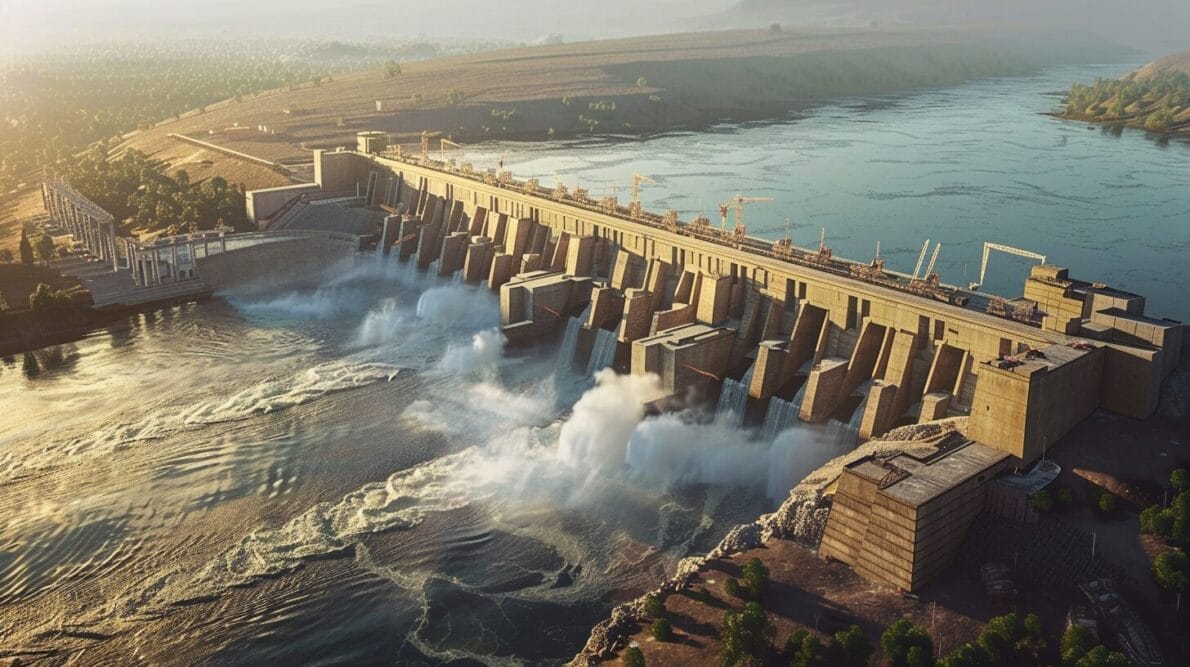

The Grand Renaissance Dam: A Mega Construction With Potential to Transform the Economy and Cause Regional Conflicts!
The Grand Ethiopian Renaissance Dam is a monumental US$ 5 billion project that promises to change the face of the country while also raising tensions with neighboring nations like Egypt and Sudan. With the capacity to generate 5,150 megawatts of hydroelectric power, the dam aims to double Ethiopia’s energy supply, boosting its economy and lifting millions out of poverty, according to constructiontime.
Boosting the Economy and Quality of Life
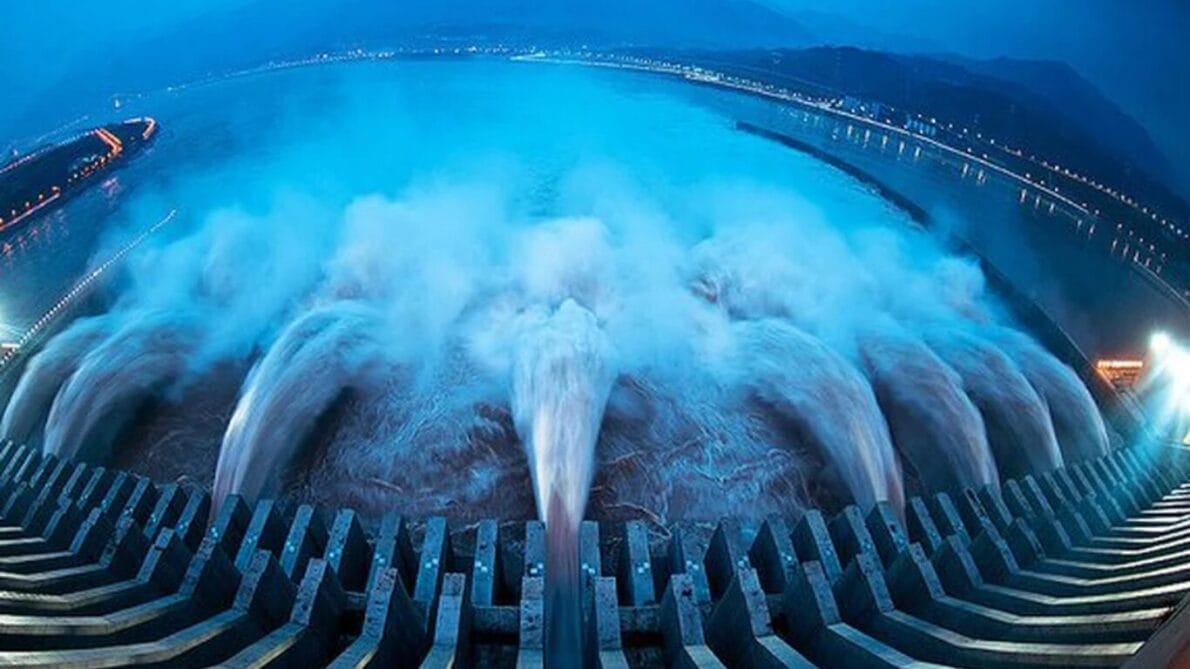
Once completed, the dam will be able to store 74 billion cubic meters of water, enough to fill over 26 million Olympic-sized swimming pools. This monumental volume of water will not only generate renewable energy, but it will also regulate the flow of the Nile River, minimizing the risks of flooding and droughts that affect agriculture. Furthermore, the dam is expected to increase Ethiopia’s agricultural and energy exports, solidifying its position as an emerging economic power in Africa.
Regional Tensions and Complex Negotiations
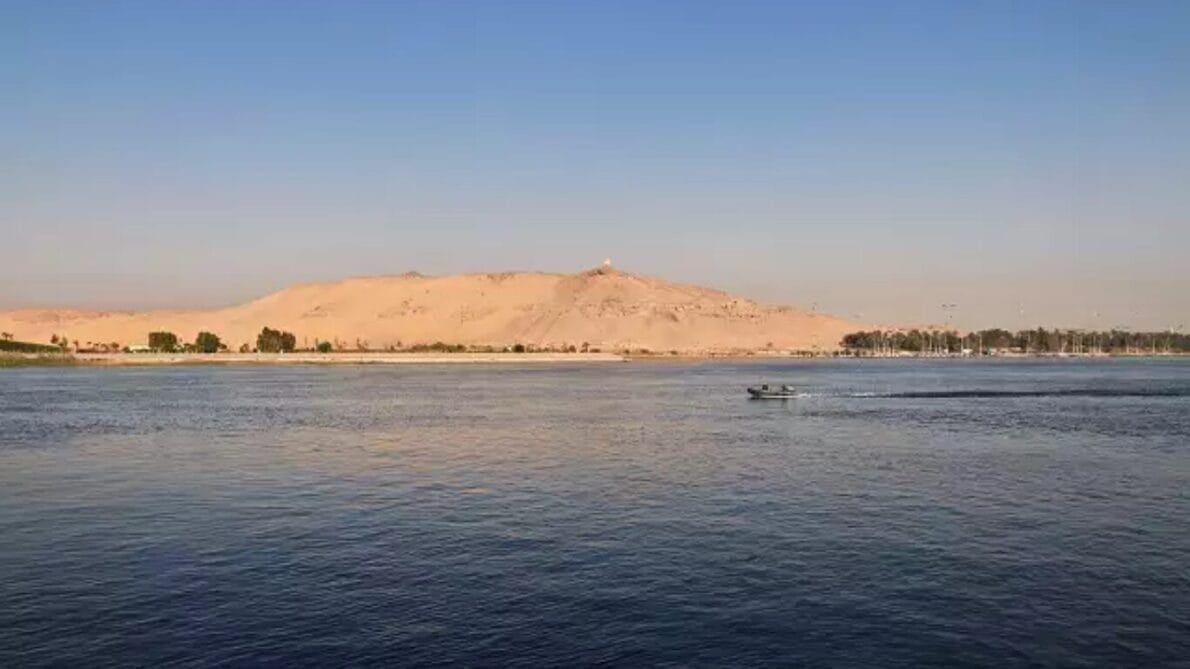
However, the Grand Renaissance Dam is also a source of tension between Ethiopia and its neighbors. Egypt, which relies on the Nile for its agriculture and water security, fears that the dam will significantly reduce water flow. Similarly, Sudan, located downstream from Ethiopia, expresses concerns about the potential impacts on its own water availability.
-
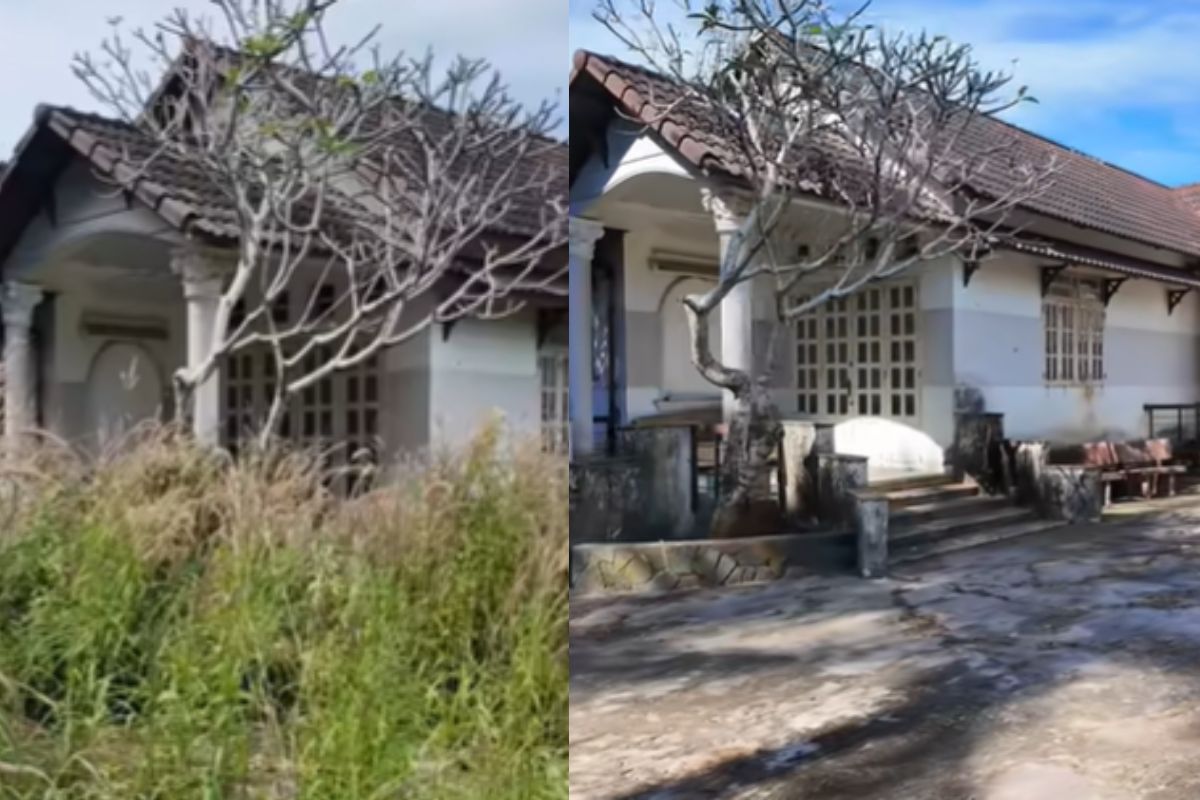
Abandoned house for 15 years disappears in the woods, shocks owner with unrecognizable scenery and is reborn in an intense transformation after almost 90 hours of work in just 10 days.
-
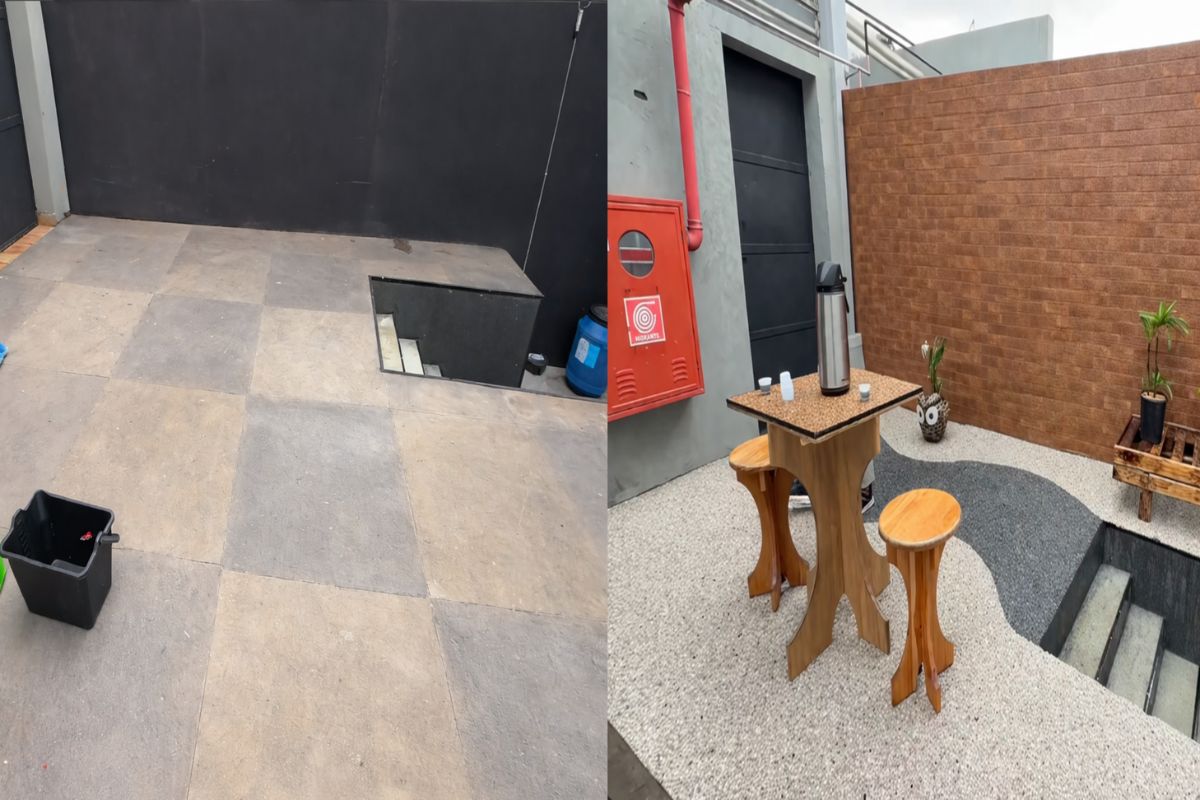
In just three hours, a natural stone floor transforms the entrance of the house with an organic effect, immediate drainage, and a sophisticated non-slip finish that doesn’t puddle water, dries quickly, and impresses with the final result.
-
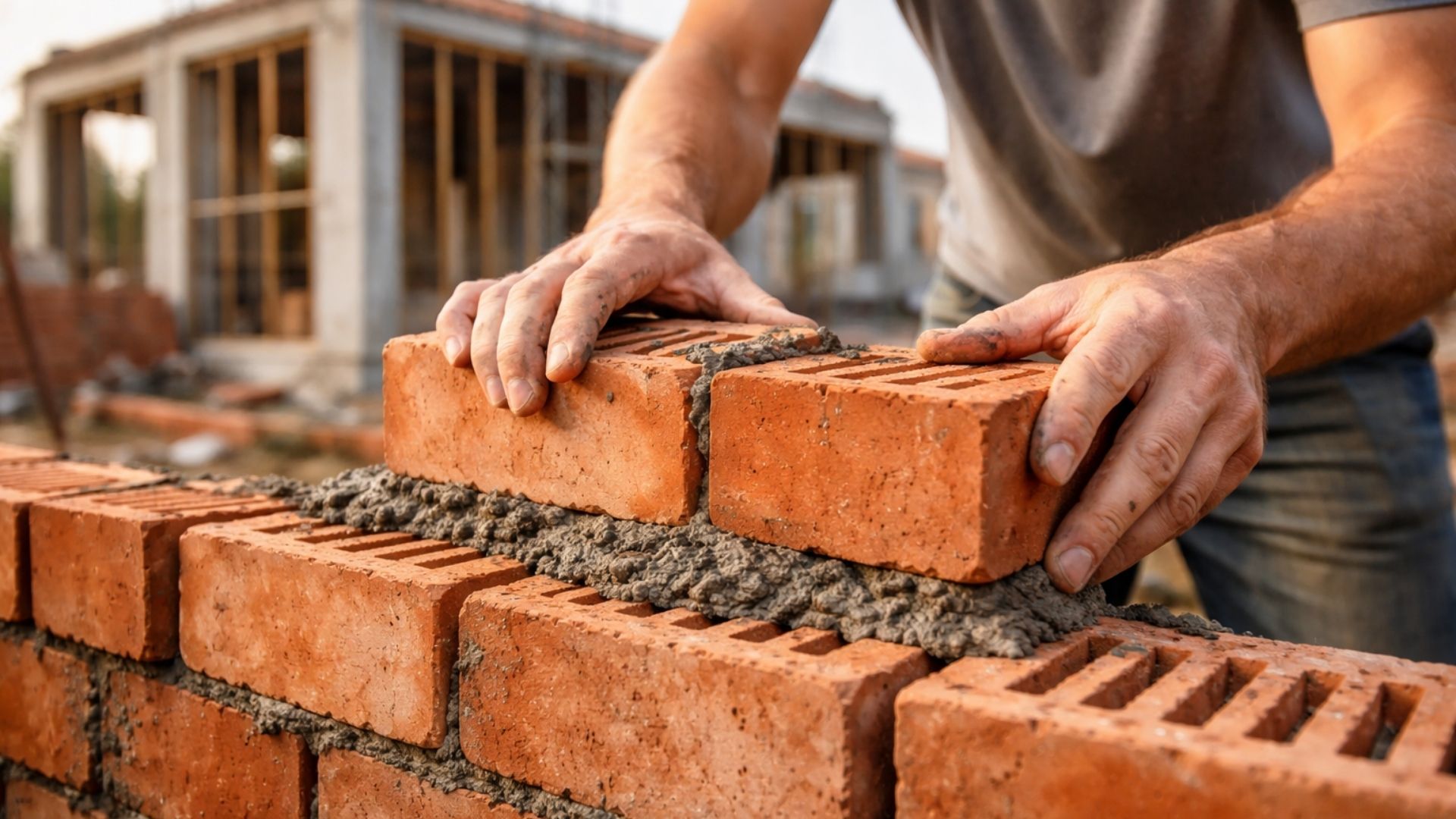
‘Interlocking brick’ made of earth arrives in the construction industry with cost reductions of up to 40% on the project.
-
Espírito Santo will receive the largest engineering project in its history with the duplication of BR 262, which will have 50 viaducts, 28 bridges, and 2-kilometer tunnels cutting through the most challenging mountainous region of the entire state.

Negotiations between Ethiopia and Egypt have been tense, with each country trying to secure its water interests. Despite diplomatic efforts, a definitive agreement has yet to be reached, increasing the risk of regional conflicts.
Hydroelectric Power: The Best Option For Ethiopia
Hydroelectric power is considered one of the most stable and long-lasting forms of energy production. Unlike solar and wind energy, which have a lifespan of 15 to 20 years, dams like the Itaipu in Brazil can generate power for centuries. For Ethiopia, this means a substantial improvement in the quality of life for its rapidly growing population.
The dam’s large water storage capacity will help regulate the flow of the Nile River, benefiting not only Ethiopian agriculture but also that of Sudan and Egypt. This vast reservoir will mitigate the damage caused by floods and losses during droughts downstream.
Hydroelectric plants utilize more local resources compared to other forms of renewable energy. In the case of Ethiopia, the dam is a 100% domestic project, promoting the development of the local economy and the use of Ethiopian labor and materials.
Environmental Challenges and Controversies
Despite the benefits, the construction of the dam is not without criticism. Some researchers warn about potential environmental impacts, such as greenhouse gas emissions and harm to biodiversity. The dam’s location on the Blue Nile, which accounts for only a third of the entire Nile’s water, adds a layer of complexity to the debates about sustainability and environmental impact.
An Ambitious Project With Great Risks
The Grand Ethiopian Renaissance Dam is a mega construction project that has the potential to transform the country’s economy and significantly improve the lives of millions of Ethiopians. However, the path to success is fraught with challenges, from regional tensions with Egypt and Sudan to environmental controversies. The future of Ethiopia depends on how these obstacles will be addressed and overcome, but one thing is certain: the dam represents a milestone in the quest for renewable energy and sustainable development in Africa.








Gerar emprego neste tempo de IA ficará cada vez mais difícil. Um mega projeto dessa natureza gera um número muito grande de empregos com baixa qualificação muito necessário na África, movimenta a economia através do alto consumo de insumos básicos da construção, além de alojamentos, alimentação, segurança, transporte, saúde do trabalho e muitas outras atividades paralelas. Um bom projeto favorece ainda o transporte fluvial com custos mais baratos, a piscicultura, a agricultura, etc. Além do mais, o Criador, ao dotar o homem com inteligência, foi também com este propósito, caso contrário era para vivermos ainda na idade da pedra, embora na relação inter homens, hoje, parece que ainda estamos lá. Uma construção dessa, em última análise, é um projeto de ganha ganha e quem constrói tem direito ao lucro, seja pouco ou muito. O resto, é conversa de quem só preocupa com o próprio umbigo, e pior, relegar o continente africano a eterna condição de subdesenvolvimento escravocrata.
Seja energia hídrica, solar, eólica ou nuclear, todas tem impactos , isso é fato , mas para a evolução da humanidade e sustentabilidade alimentar, são necessárias, o que se deve fazer é estudar exaustivamente todos os prós e contras, tomar ações que possa mitigar os problemas, isso se chama evolução, ou então vamos estacionar, o que não combina com a evolução humana.
No Youtube tem esse vídeo!
Faça login com suas redes sociais ou crie uma conta para poder compartilhar links, deixar contatos de telefone e e-mail no Feed de Notícias do CPG.