





 Portuguese
  English
  Spanish
  4 min of reading
  0 comments


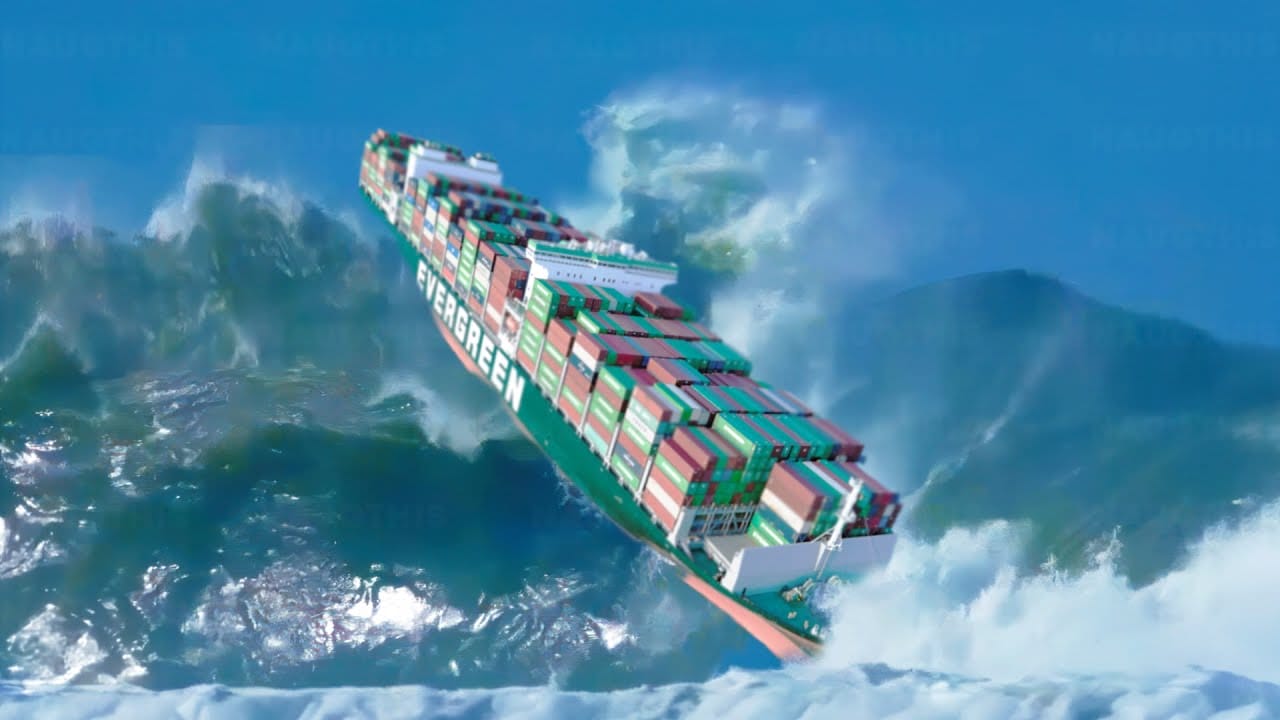
Explore The Technology Behind The Stability Of Large Ships At Sea. Discover The Essential Devices And Systems
In modern times, even large ships can remain stable, even in extreme weather conditions. Some ships even have the capability to right themselves when capsized by waves. Let’s explore the technology behind these unsinkable units.
Large ships, such as bulk carriers weighing hundreds of thousands of tons, often remain stable even when hit by giant waves. When a ship sails in the sea, it is subject to various forces and pressures from waves and wind. To survive, all ships are built with a stability system, which is the balance of the ship when floating. Thus, when it is rocked by waves or wind, it can right itself again.

Devices For Maintaining Ship Stability
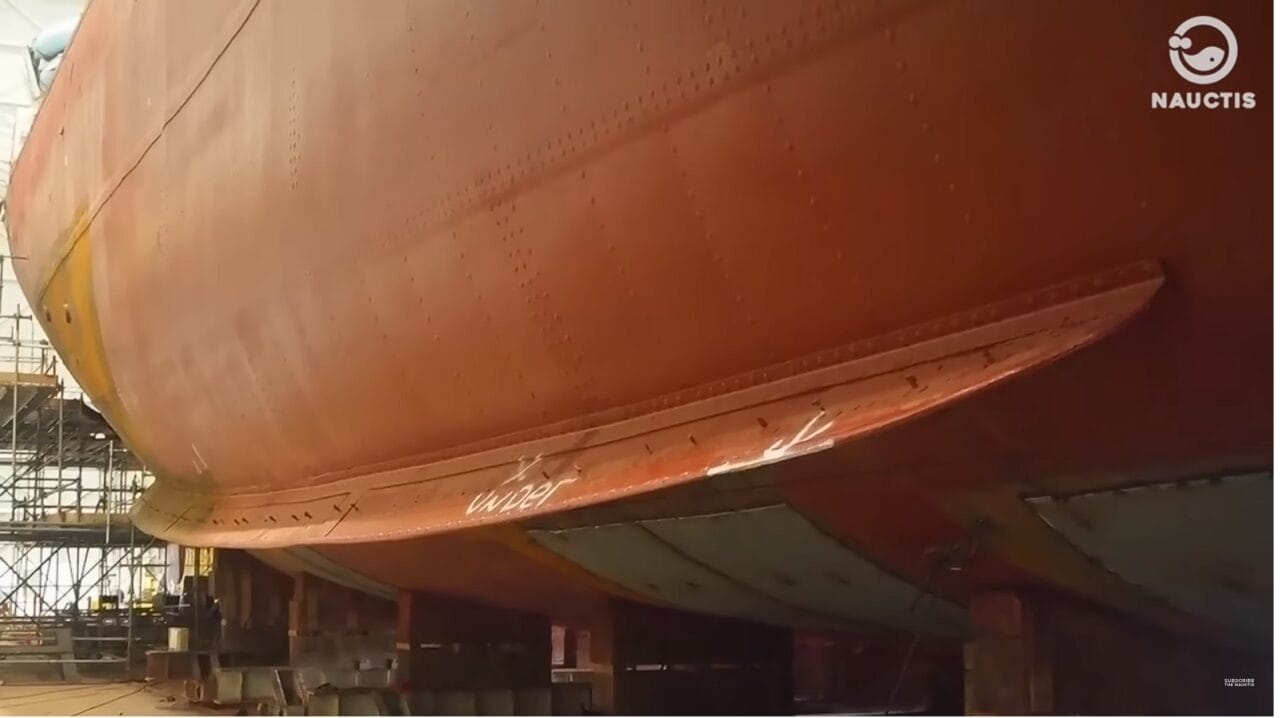
There are several devices used to maintain stability, including bilge keels. Bilge keels are wing- or fin-shaped and are installed on the side of the hull. They extend for about two-thirds of the length, and their stabilizing effect increases as the ship travels faster.
-
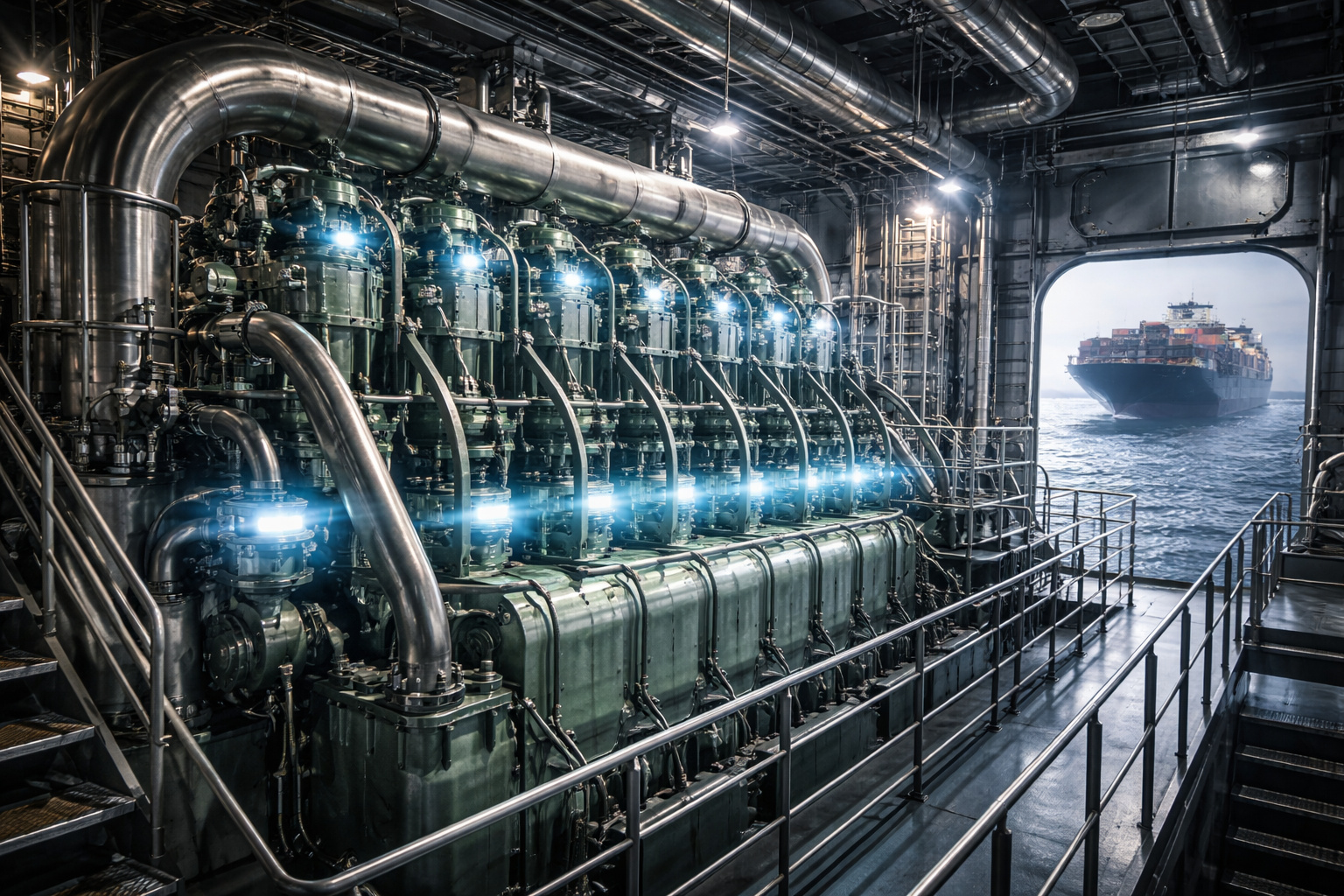
Europe is trying to create an ammonia-powered marine engine without auxiliary fuel, which could unlock the race for giant emission-free ships. The technology aims to eliminate one of the biggest obstacles to clean maritime propulsion.
-
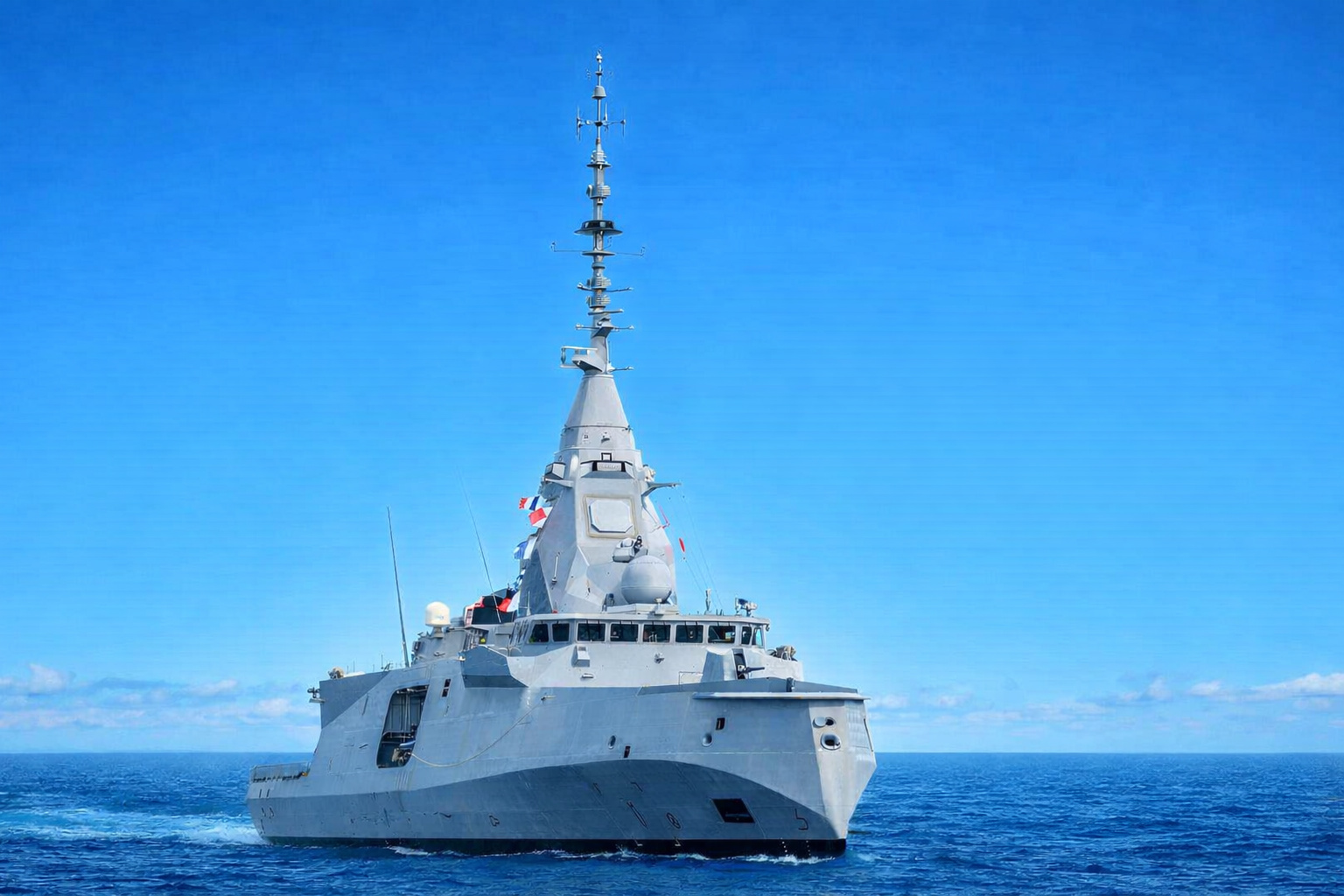
A 4,500-ton frigate with just over 100 crew members, state-of-the-art radar, and cruise missiles is being touted as the new standard of naval warfare in the 21st century.
-
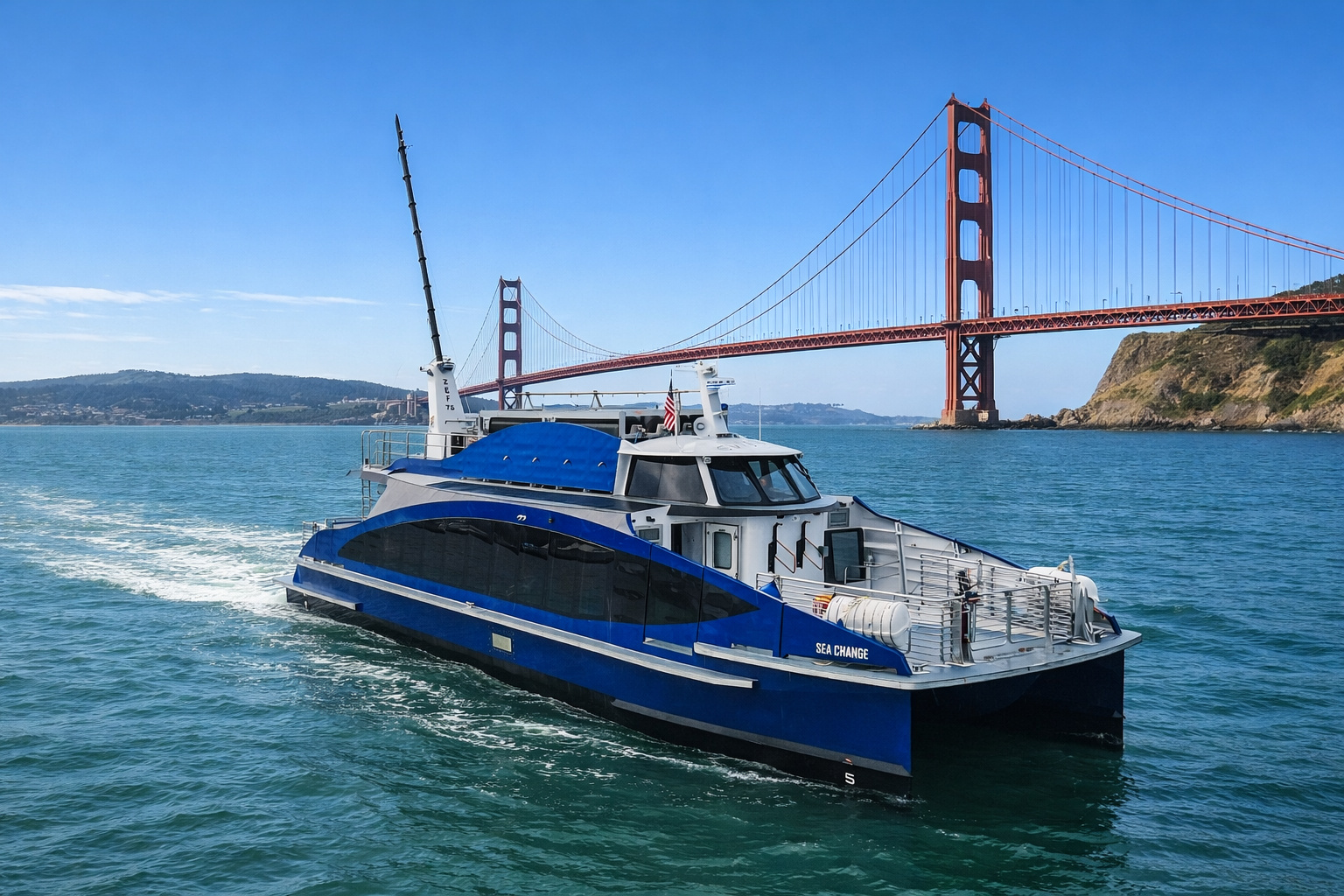
The first commercial hydrogen-powered ferry enters operation in the U.S., eliminates the use of diesel, uses fuel cells to generate clean energy on board, and transforms San Francisco Bay into a landmark of the new era of emission-free navigation.
-
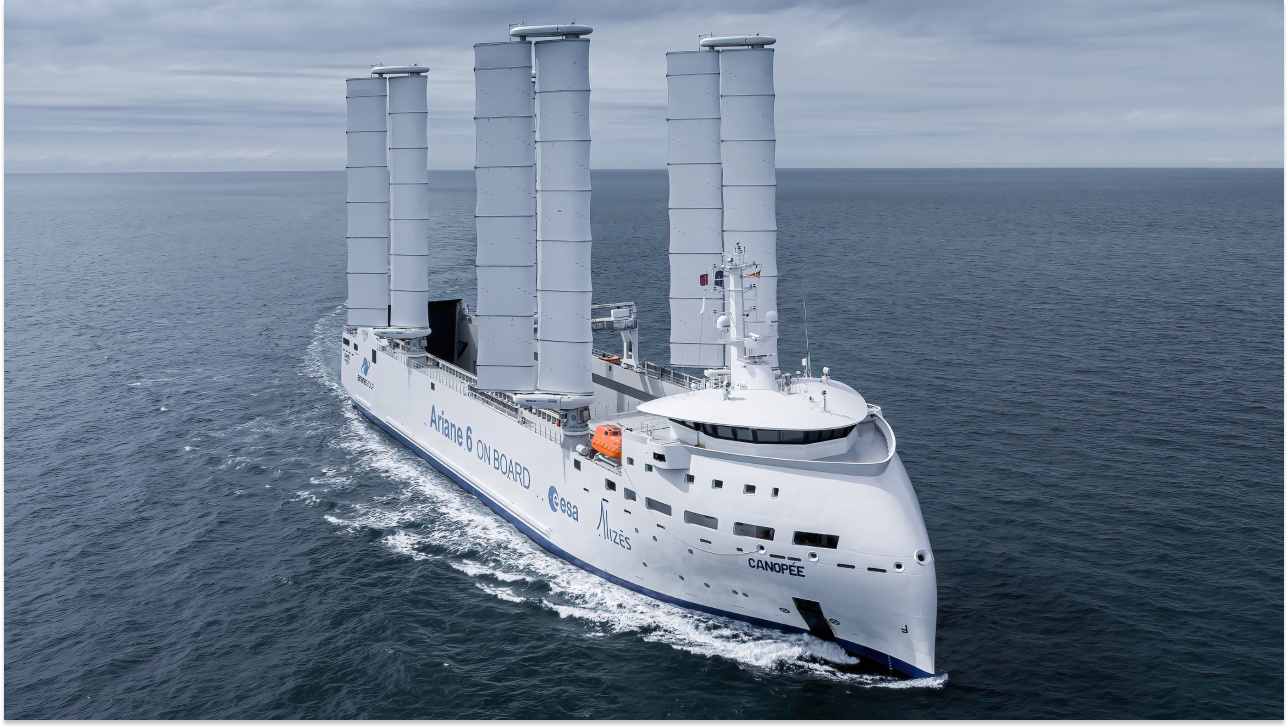
With a length of 121 meters and four rigid sails of 36 meters that automatically rotate to capture the wind, Canopée is the world’s first hybrid industrial cargo ship powered by wind, used to transport rockets and reduce fuel consumption by up to 30% on transoceanic routes.

Another type of stability device is the anti-rolling tank, which is a tank that works to stabilize the ship’s position when it tilts to the left or right. It is installed across the width of the unit, and when it tilts to one side, the water in the tank flows, significantly reducing rolling motion. The anti-rolling tank has two types: active and passive. In an active rolling tank, the water flow mechanism in both tanks is more complex and uses a pump.
The next type of stability device is the active fin stabilizer, which is a fin-shaped device that works to dampen rolling or pitching motion. The fin stabilizer is installed on both sides of the hull and can move in various directions controlled by the ship’s sensitive gyroscopic system. When the ship is rolling or pitching, the sensitive gyroscopic system sends a signal to the activation system in the form of electro-hydraulic.
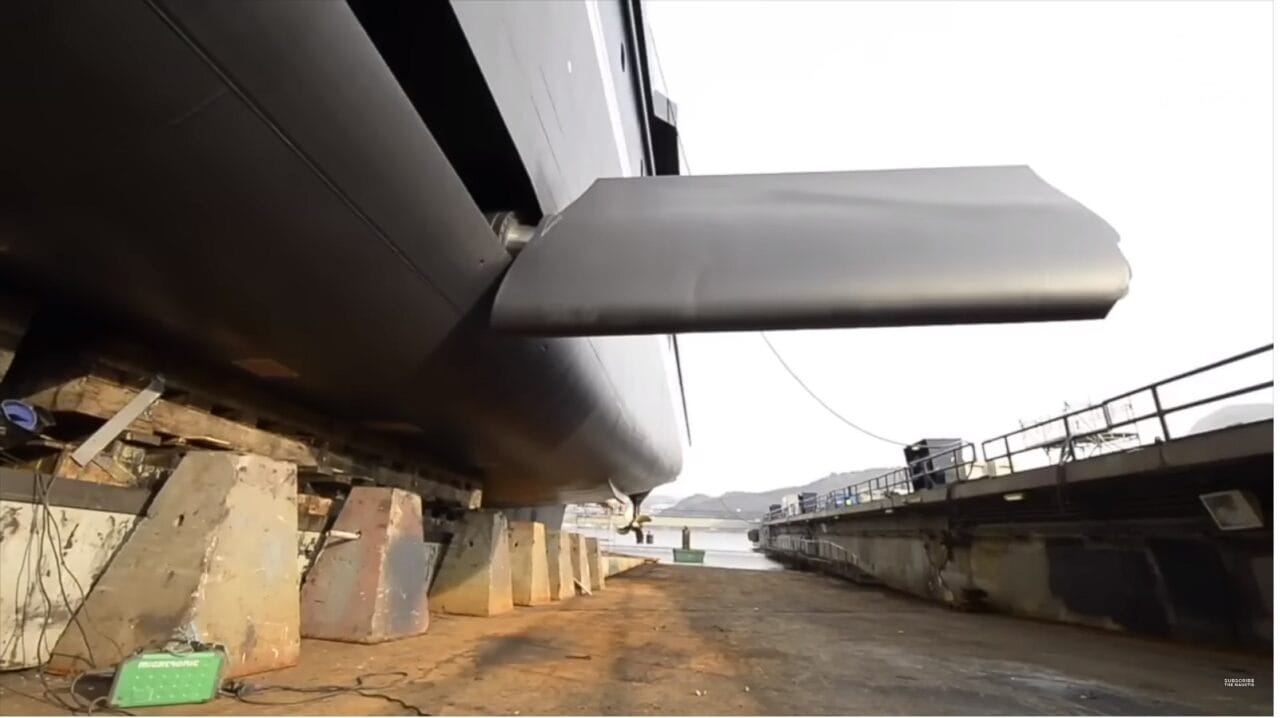
Additional Stability Systems On Ships
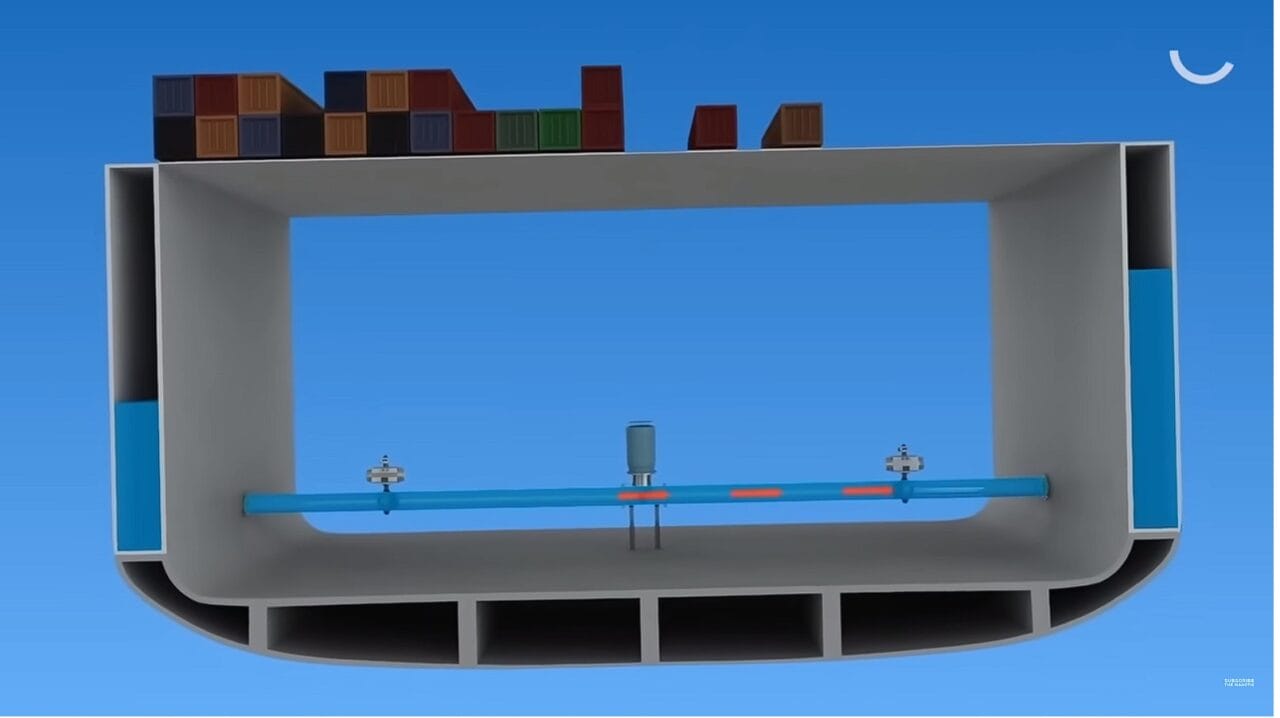
In container ships, there is an anti-listing system that is a servo control system designed to keep the ship horizontal during loading and unloading in ports. The anti-listing cannot be used as a stabilization system in open seas and can only be used when the ship is in port loading and unloading containers. The anti-listing system is used to detect the ship’s list angle and to automatically balance the ship by pumping water to the ballast tank from right to left or vice versa.
The stability system is influenced by its equilibrium points, which determine the magnitude of the unit’s stability. For this reason, the ship’s equilibrium points must always be considered by the crew, as one of the main causes of accidents is neglecting stability calculations, whether at sea or in port.
Challenges In Maritime Rescue Operations
During maritime rescue operations, extreme weather conditions and high sea waves can hinder search and rescue (SAR) operations and potentially cause the ship to capsize. To face this challenge, engineers around the world have developed rescue ships with the concept of self-righting boats, which are capable of returning to their original position even when capsized 180 degrees.
Crucial Elements In Self-Righting Boats
There are several crucial elements in creating self-righting ships that enable them to reposition themselves. The first element involves the initial design of the ship, where all heavy equipment and objects must be positioned as low as possible within the ship.
The second element is the operational and control area of the ship, which must be lightweight, strong, and airy. Additionally, the crew access door must be watertight to prevent water from entering when the ship capsizes. In self-righting units, there is also a pendulum system designed to prevent water from entering the interior of the ship during operation. When the self-righting ship tips over, the weights in the pendulum system hang vertically, causing all open sections to automatically close and prevent water from entering the unit.
These self-righting units also have an onboard system that detects if the boat is capsized. This system automatically protects the boat by shutting down the radar and engines before righting the boat back to its original position. Once the boat returns to its normal position, the radar and engines restart. Furthermore, the crew members inside the boat must be seated and secured with seatbelts to ensure their safety during a capsizing event.









Seja o primeiro a reagir!