





 Portuguese
  English
  Spanish
  4 min of reading
  0 comments


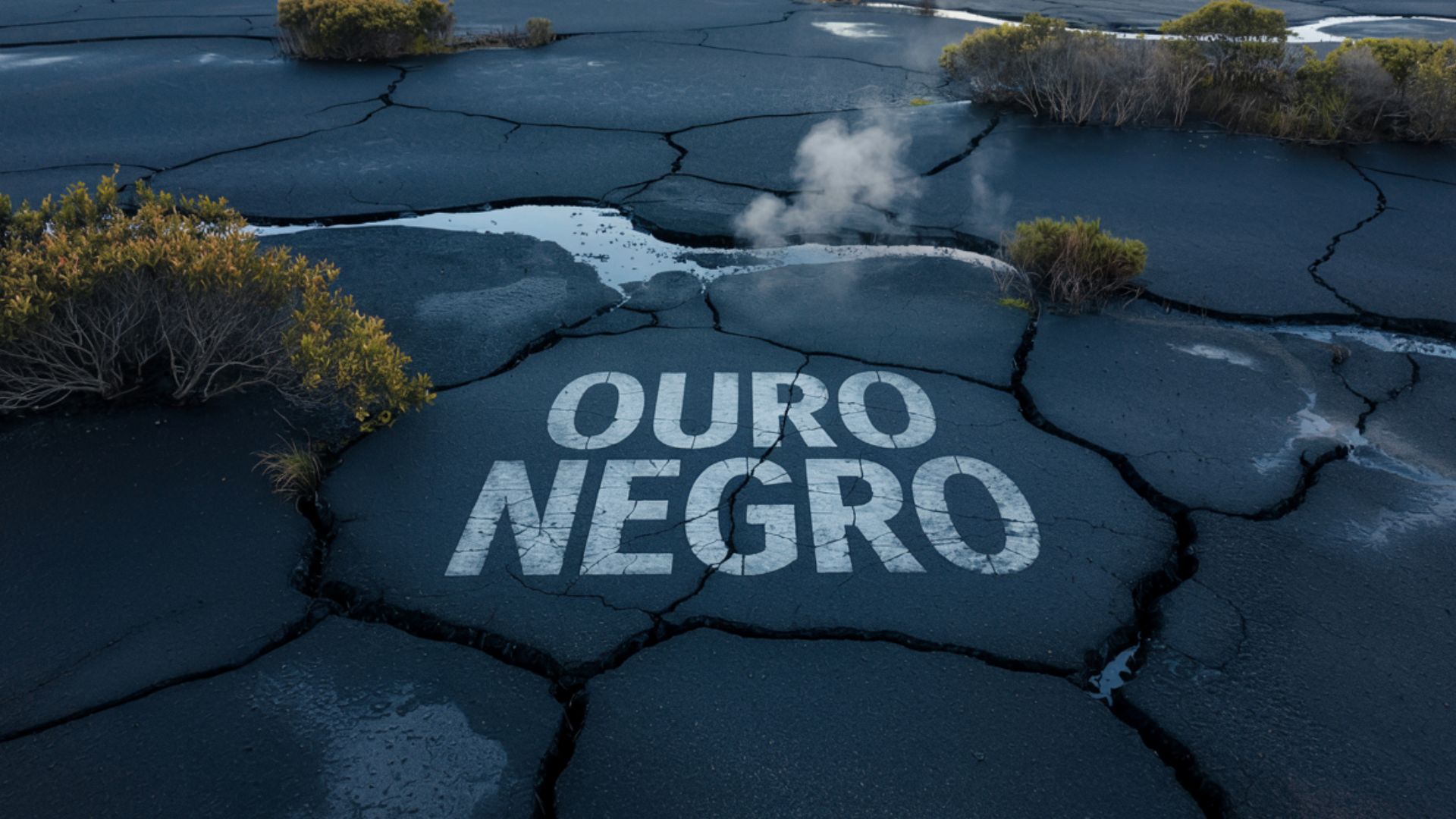
In Few Places In The World, Crude Oil Rises From The Ground And Forms Asphalt Lakes Without Drilling, Creating Unique Landscapes That Reveal Surprising Geological Curiosities.
In some parts of the world, oil rises from the underground and reaches the surface without the need for drilling, creating locations known as asphalt lakes. These spots attract the attention of researchers and visitors for naturally displaying the presence of crude oil in regions with specific geological characteristics.
The largest asphalt lake in the world is in Trinidad and Tobago, covering an area of 40 hectares and reaching about 75 meters in depth. It is estimated that the site contains approximately ten million tons of natural asphalt. Other examples exist in Venezuela, California, and Azerbaijan, all in areas with geological formations that facilitate the oil’s release to the surface.
How Asphalt Lakes Form
Asphalt lakes appear in regions with soil faults or in areas where tectonic plates meet. In these areas, the crude oil found in underground reservoirs encounters fissures that allow it to move toward the surface. When the oil reaches the ground, the lighter elements evaporate, leaving behind the heavier part that forms a dark and viscous surface.
-
Lula reveals a masterstroke by Petrobras to undo a deal made by Bolsonaro, which involves the return of an important refinery that currently produces less than half of what was expected and makes Brazil dependent on international diesel.
-
A study confirms that the natural gas sector will reduce greenhouse gas emissions in Brazil by 0.5% and accelerate the energy transition by 2026.

-
Petrobras implements a severe adjustment and confirms a 55% increase in the price of aviation kerosene with a proposal for installment payments for the companies.

-
The rise in oil prices could ensure an extra revenue of R$ 100 billion for the Federal Government, indicates a recent economic study.


This process is natural and has been recorded for centuries in different parts of the planet, making these locations geological curiosities that serve as references for studies related to oil and the Earth’s internal processes.
The Asphalt Lake In Trinidad And Tobago
In La Brea, Trinidad and Tobago, lies the largest known asphalt lake. The site welcomes visitors who walk through areas where the surface is firm, while other parts maintain a viscous texture. The site also features points where gases like methane rise to the surface, creating bubbles and characteristic noises.
Research shows that the lake hosts microorganisms that live in low-oxygen conditions, providing important data for studies of life in extreme environments and contributing to scientific advancement in areas such as astrobiology.
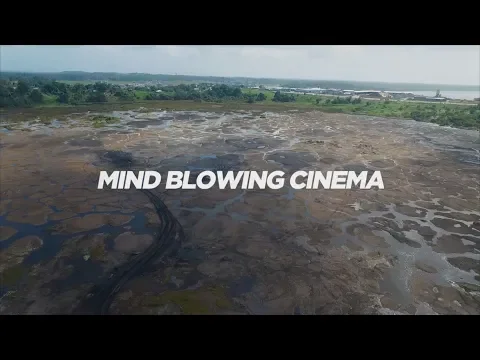

Places Where Oil Rises From The Soil
Besides Trinidad and Tobago, other spots on the planet possess similar characteristics. In California, the La Brea Tar Pits in Los Angeles are known for containing crude oil that seeps from the ground and for housing fossils of animals that became trapped in the viscous layer. The site is considered important for paleontological research.
In Venezuela, Lake Guanoco features similar characteristics, being one of the largest asphalt lakes in the world. In Azerbaijan, the Binagadi region contains smaller deposits, but also shows the rise of oil in areas with specific geological formations.
Historical Use And Current Importance
In the past, asphalt lakes were used for asphalt extraction, employed in road paving in different countries. Today, many of these locations have become research and preservation sites, attracting visitors interested in learning about the natural formations and understanding the processes that bring oil to the surface.
These locations contribute to the study of subsurface conditions and help understand how crude oil behaves in natural environments. They also demonstrate how the planet stores and releases energy resources spontaneously in specific regions.
What Asphalt Lakes Reveal About Geological Formations
Asphalt lakes are considered a window into processes occurring within the Earth. They show how the movement of tectonic plates and the presence of fissures can create pathways for oil to rise, forming natural reservoirs on the surface.
These locations also serve as observation points to understand the interaction between oil and the environment, helping researchers identify patterns that may assist in locating new areas of interest for geological studies.

Curiosities About Asphalt Lakes
Asphalt lakes have areas where it is possible to walk, but also maintain regions where the surface remains viscous, with the possibility of sinking. The bubbles that appear on the surface are caused by the release of gases accumulated beneath the asphalt.
The dark coloration and characteristic texture make these locations points of tourist and scientific interest, attracting visitors who wish to explore places where crude oil is exposed without the need for drilling equipment.










-

-

-

-

-

31 pessoas reagiram a isso.