





 Portuguese
  English
  Spanish
  3 min of reading
  0 comments



The Top 10 Alone Concentrate R$ 249.6 Billion, A Portrait of The Sector’s Strength: According to Forbes 2025, The Agribusiness Sector Gathers 39 Billionaires in Brazil, With A Combined Wealth of R$ 382.8 Billion
Agribusiness is regarded as the engine of the Brazilian economy. According to CNA, it accounts for almost 25% of GDP and over 40% of exports.
This economic weight is reflected in fortunes. In Forbes 2025, 39 billionaires from agribusiness total R$ 382.8 billion, with R$ 249.6 billion concentrated in the top ten.
Who’s on Top: The 10 Billionaires of Agribusiness in 2025
The list features entrepreneurs from different agribusiness chains, with fortunes calculated by Forbes based on audited public data.
-
The water that almost everyone throws away after cooking potatoes carries nutrients released during the preparation and can be reused to help in the development of plants when used correctly at the base of gardens and pots, at no additional cost and without changing the routine.

-
The sea water temperature rose from 28 to 34 degrees in Santa Catarina and killed up to 90% of the oysters: producers who planted over 1 million seeds lost practically everything and say that if it happens again, production is doomed to end.

-
An Indian tree that grows in the Brazilian Northeast produces an oil capable of acting against more than 200 species of pests and interrupting the insect cycle, gaining ground as a natural alternative in soybean, cotton, and vegetable crops.

-
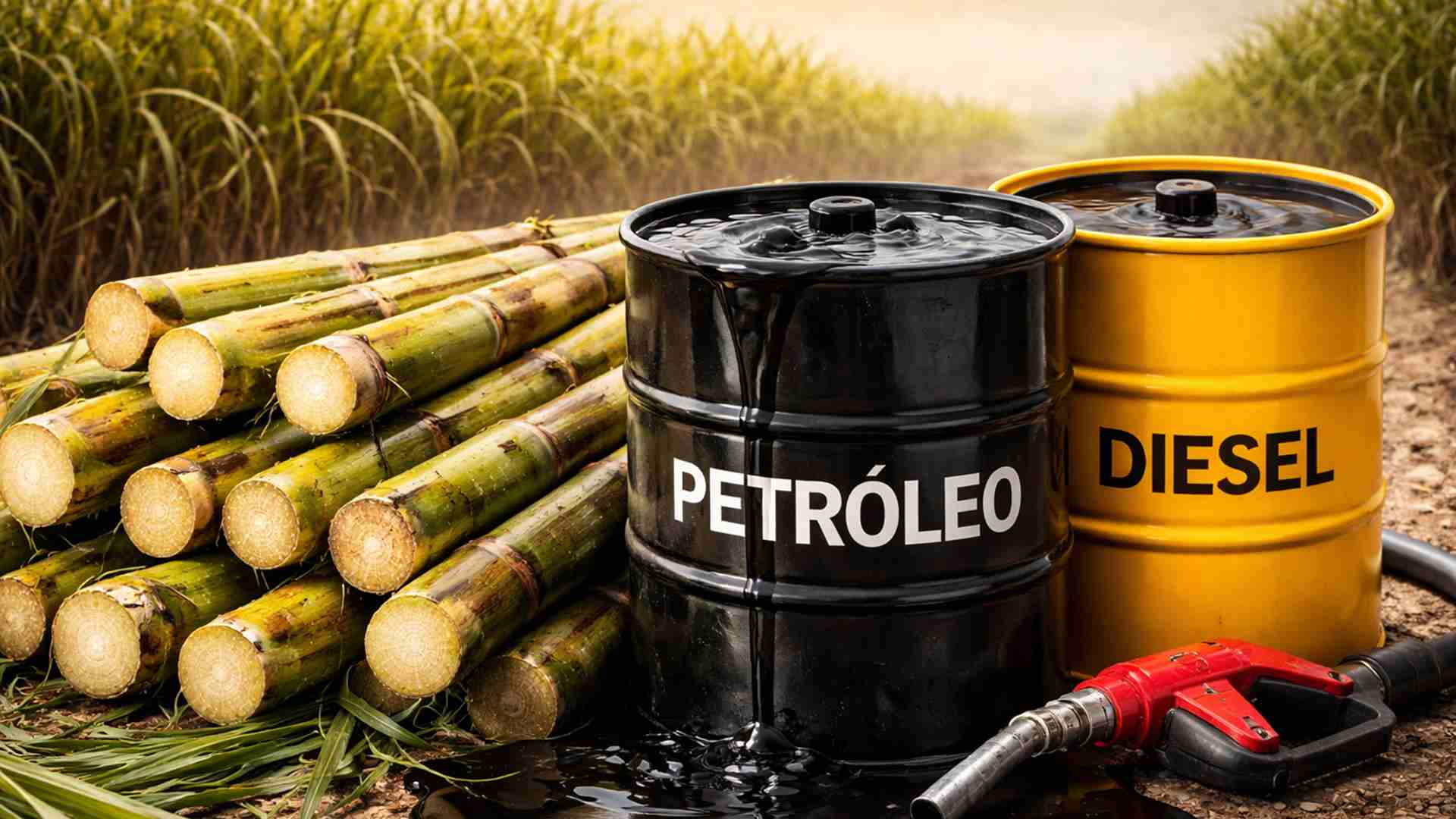
The rise in oil prices in the Middle East is already affecting Brazilian sugar: mills in the Central-South are seeing their margins shrink just as ethanol gains strength.

- Jorge Paulo Lemann — R$ 88 billion. Shareholder of AB Inbev/3G Capital; remains the richest in the sector and 3rd in Brazil.
- Carlos Alberto da Veiga Sicupira — R$ 39.1 billion. Partner of Lemann at 3G Capital; strong in beverages, impacted by the Americanas crisis.
- Joesley Batista — R$ 25 billion. Controller of JBS, the largest animal protein company in the world.
- Wesley Batista — R$ 25 billion. Co-controller of JBS; shares increased 40% in 12 months.
- Ricardo Faria — R$ 19.6 billion. Founder of Granja Faria, the largest producer of commercial and fertile eggs in the country; expanded to the USA and Spain.
- Alceu Elias Feldmann — R$ 18.5 billion. Controller of Fertipar, with 15% of the national fertilizer market.
- Marcel Herrmann Telles — R$ 12.5 billion. Partner of Lemann and Sicupira; wealth decreased by 79.5%, and transfers to heirs have begun.
- Rubens Ometto Silveira Mello — R$ 7.6 billion. A historical name in Cosan; controls Raízen (the largest global producer of ethanol) and Rumo (the largest railway in Brazil).
- Marcos Molina dos Santos — R$ 7.2 billion. Owner of Marfrig; merger process with BRF to form MBRF is underway.
- David Feffer — R$ 7.1 billion. President of Grupo Suzano, a reference in paper and cellulose.
Where The Money Comes From: Protein, Grains, Fertilizers, Cellulose, and Beverages
Forbes 2025 points to fortunes distributed across almost all chains of agribusiness.
Represented are animal protein (such as JBS, Marfrig, and Minerva), food and beverages (Dias Branco, Vontobel, Logemann families), agricultural production (like Lucia Borges Maggi and heirs of Grupo Amaggi), as well as agroenergy, fertilizers, paper, cellulose, and wood.
The picture is of a diversified agribusiness, spanning from input to port, through industry, logistics, and export.
Where These Fortunes Live: São Paulo Leads; South and Southeast Follow Strong
In the regional breakdown, Forbes shows regional concentration:
São Paulo leads with 20 representatives; Rio Grande do Sul has 6; Rio de Janeiro, 5.
Goiás and Ceará appear with 3 names each; Santa Catarina and Paraná have 2; Minas Gerais has 1.
Another 17 did not declare their birthplace.
This distribution follows the historical strength of agribusiness in these regions and the presence of large business groups.
How Agribusiness Becomes Billions: Long Chains, Strong Exports, and Listed Capital
The fortunes listed by Forbes reflect long chains of agribusiness.
There are companies with publicly traded capital, exposure to exports, and portfolios that include energy, logistics, and industry.
Forbes’ methodology considers audited public data, such as stock prices — which implies that some fortunes may be underestimated in relation to the total economic value of family groups.
Economic Power, Social Impact, and The Debates Surrounding The Sector
Agribusiness sustains millions of direct and indirect jobs and drives supply, transportation, and export chains.
At the same time, discussions on environmental issues, land use, and regulation remain on the public and business radar.
Even with pressures and economic cycles, agribusiness continues to be seen as a pillar of the Brazilian economy, with billionaires reflecting the sector’s scale in the country’s finances.
With 39 billionaires totaling R$ 382.8 billion only in agribusiness, the question remains: does this economic power help drive Brazil’s development or concentrate wealth too much in the hands of a few?








-

Uma pessoa reagiu a isso.