





 Portuguese
  English
  Spanish
  3 min of reading
  0 comments



The Ibó Interchange, Between Pernambuco and Bahia, Is Vital for Transport in the Northeast but Faces High Violence. Truck Drivers Suffer Frequent Robberies, with Criminals Blocking Roads and Looting Loads. The Lack of Effective Patrolling Increases the Feeling of Insecurity, Despite PRF’s Efforts.
The Ibó Interchange, located at the intersection of BRs 316 and 116, is more than just a strategic roadway connection in Northeast Brazil. Also known for its high incidence of violence, this stretch on the border between Pernambuco and Bahia has become notorious for frequent truck robbery cases.
Although vital for cargo transport in the region, the Ibó Interchange faces constant challenges related to security, which has directly impacted drivers’ routines and logistics operations.
Ibó Interchange: A Scene of Violence and Logistical Challenges in Northeast Brazil
The Ibó Interchange is a critical point not only due to its strategic importance for road transport, linking Recife to Southern Brazil, but also because of the vulnerability it presents due to the prevailing violence in the area.
-
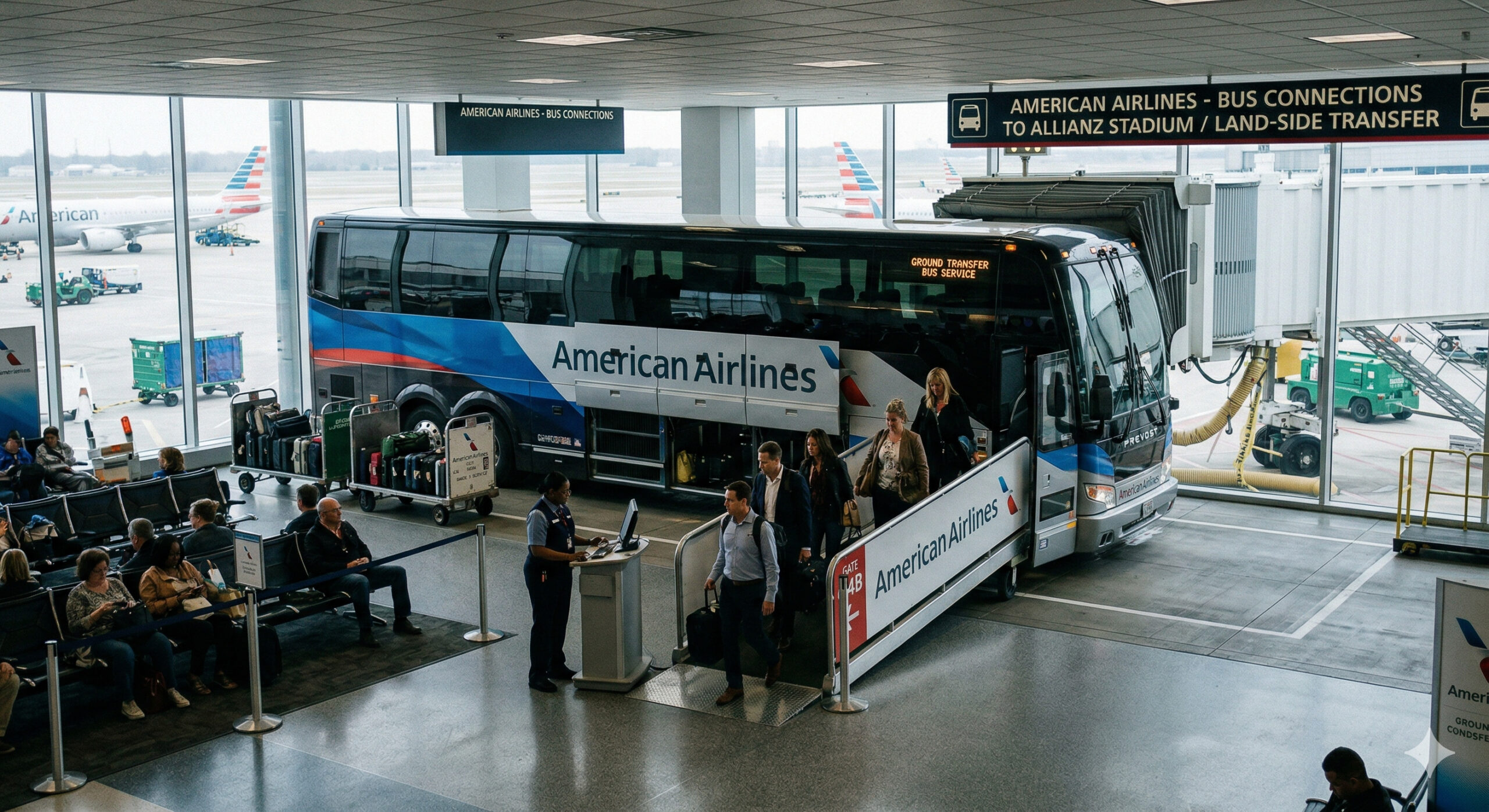
American Airlines starts selling trips as if they were flights, with check-in and baggage check at the airport, but on short routes, passengers board luxury buses connecting cities to major hubs in the U.S.
-
São Paulo surprises the world with a colossal railway network project that promises over 1,000 km of tracks, R$ 194 billion in investments, and 40 projects connecting the capital to the interior with fast and sustainable trains.

-
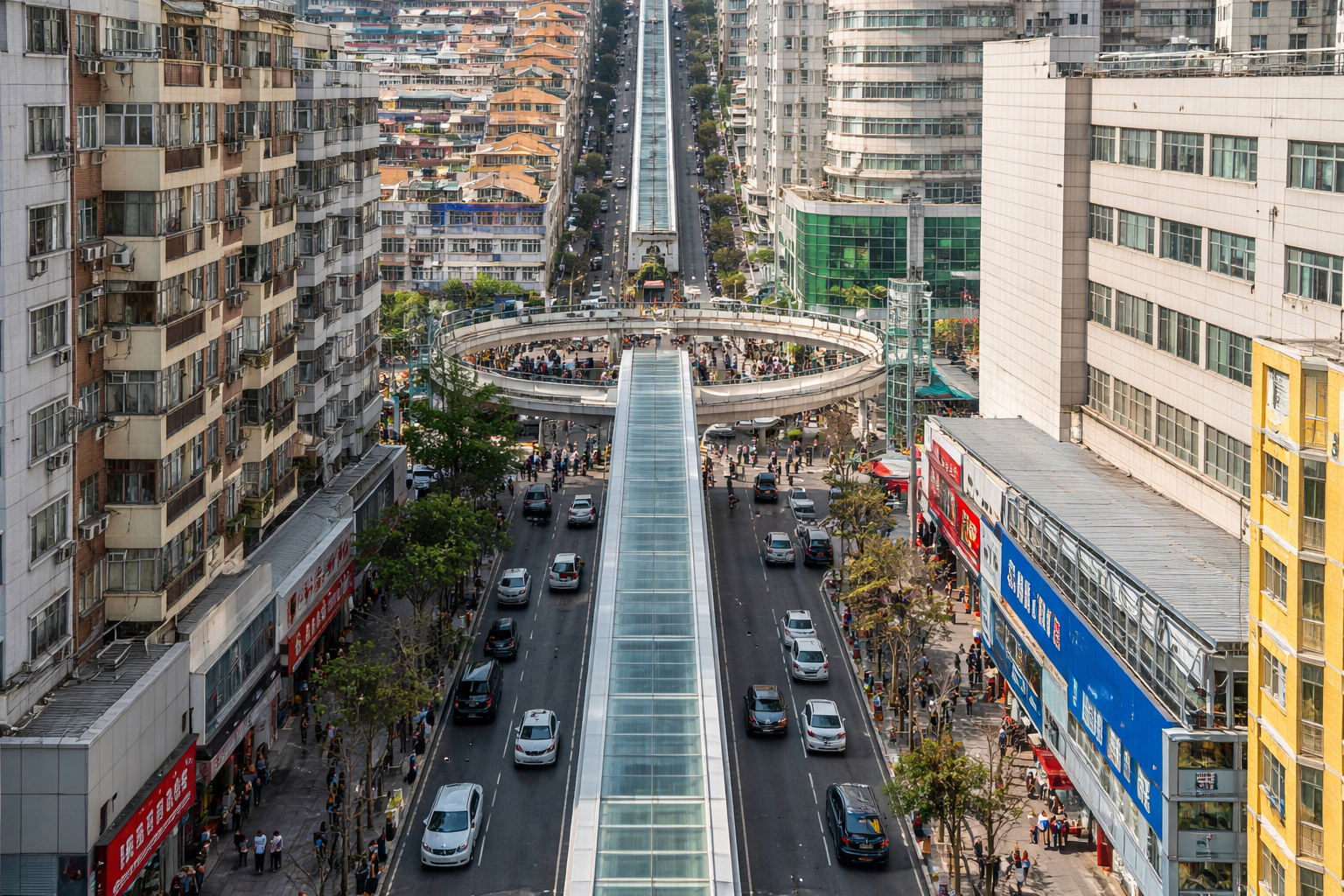
The world’s largest escalator, measuring 905 meters in China, reduces urban travel time from 1 hour to about 20 minutes and transforms mobility in mountainous regions with an engineering solution adapted to the terrain.
-
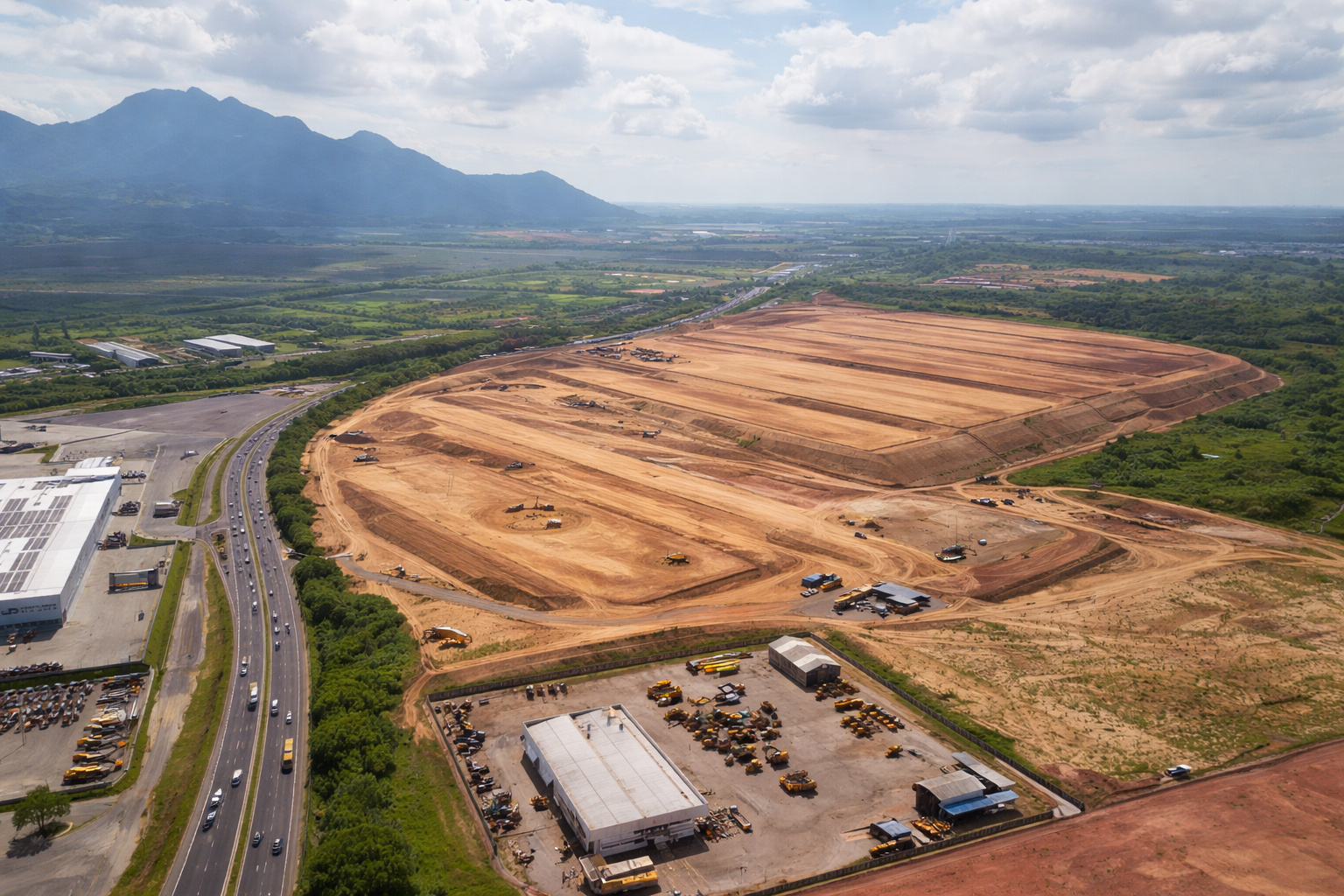
A R$ 300 million logistics giant is taking shape in Serra with over 100,000 m² and raises a question: how can this transform e-commerce and distribution in the state?

Truck drivers frequenting this area report alarming situations of frequent attacks and thefts.
Yuri Monteiro, one of the drivers who regularly travels through the region, described incidents where colleagues were victims of violent robberies, with reports of trucks being forcefully approached and entire loads being looted in broad daylight.
How Are The Robberies Carried Out?
The criminals’ tactics are well elaborated: they frequently block the road with objects like stones and logs, forcing vehicles to slow down and making them easy targets for robbery.
Despite the precautions taken by drivers, such as traveling in convoys and avoiding driving at night, the attacks persist.
Many truck drivers feel helpless due to the lack of effective police presence in the area.
The Federal Highway Police (PRF), responsible for patrolling, claims to conduct periodic rounds at the Ibó Interchange and maintain strategic posts nearby, but the feeling of insecurity continues to be a constant.
The geography of the region, marked by the vastness of the caatinga and the absence of significant urban structures, contributes to the authorities’ difficulties in controlling crime.
The criminals take advantage of the arid terrain and dense vegetation to hide, further complicating the police’s monitoring and prevention work.
Despite promises of increased police reinforcement, the community of drivers relying on the Ibó Interchange for transporting goods calls for more vigorous and effective action from the competent authorities.
The Strategic Importance of the Ibó Interchange
The Ibó Interchange is a microcosm of the challenges faced in the logistical context of Northeast Brazil.
While these roads are essential for the regional economy, rampant violence poses a significant obstacle to the free flow of goods and the safety of transportation workers.
The situation demands a delicate balance between the need for a more robust police intervention and the implementation of proactive security measures by the drivers themselves and transportation companies.
Meanwhile, the Ibó Interchange remains not only a point of convergence of roads but also a symbol of the challenges faced in ensuring safety and logistical efficiency in the Northeast region of Brazil.
Check Out More Information








-

-

7 pessoas reagiram a isso.