





 Portuguese
  English
  Spanish
  6 min of reading
  0 comments


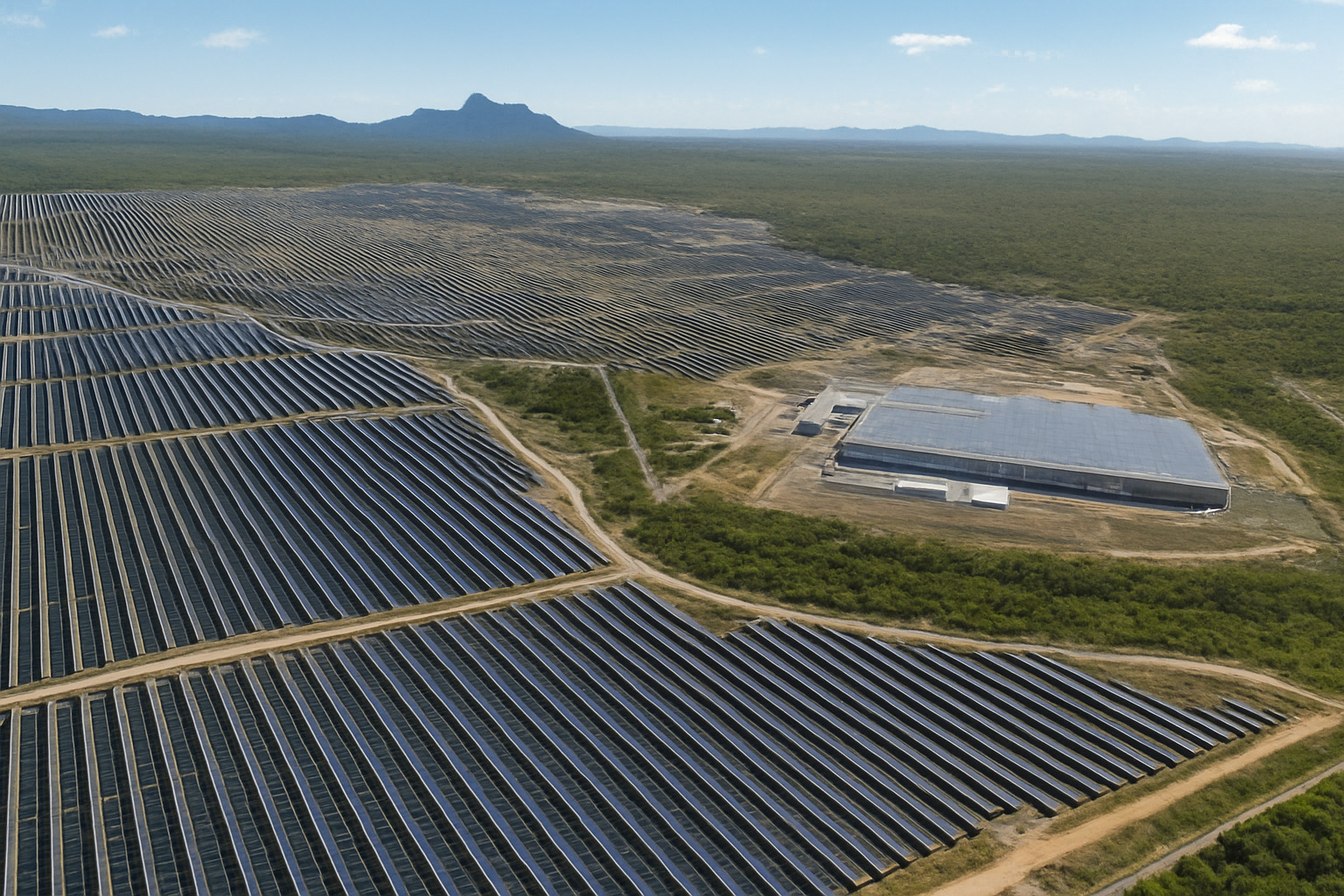
Discover How Brazil Advances in Solar Power Plant Sustainability, Promoting Clean Energy with Environmental Protection and Social Inclusion.
In recent years, Brazil, therefore, has experienced a true revolution in the solar energy sector.
Indeed, the installation of photovoltaic plants has grown rapidly, making solar energy the second largest source of electricity in the country, responsible for 22.2% of the installed capacity of the national electricity matrix.
This growth reflects not only the abundance of solar radiation but also the country’s interest in diversifying its energy matrix.
-
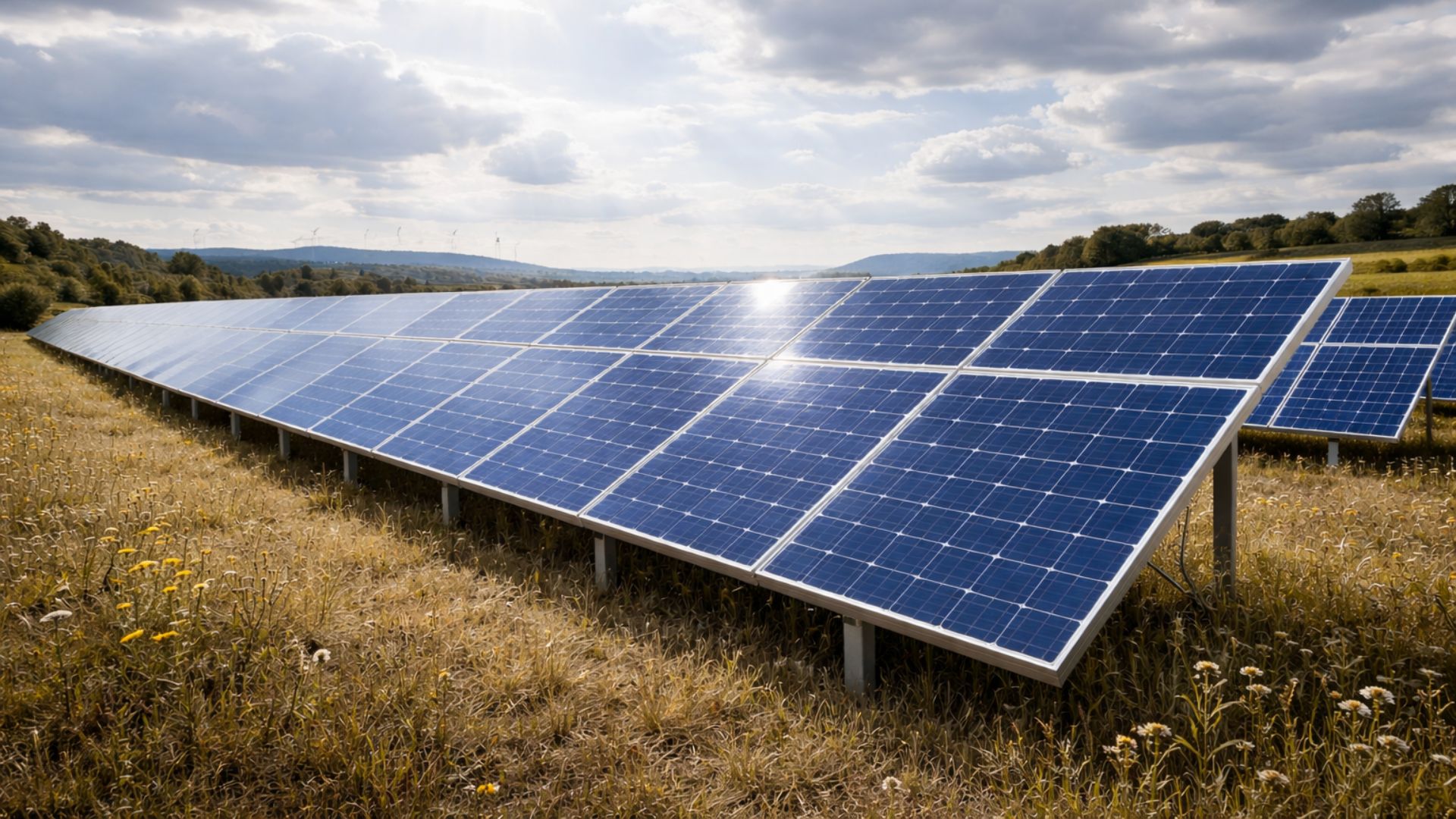
Jacareí advances with a photovoltaic plant and bets on sustainability to transform public management with clean solar energy, reducing operational costs and strengthening energy efficiency in essential services.
-
Maricá transforms Risca-Faca into Leonel Brizola Neighborhood with solar energy and promises to reduce costs for families while promoting dignity, urbanization, and social development in a historically vulnerable community.

-
The future of the electrical grid: How Virtual Power Plants (VPPs) are revolutionizing the monetization of solar energy and creating new income sources for consumers in 2026.

-
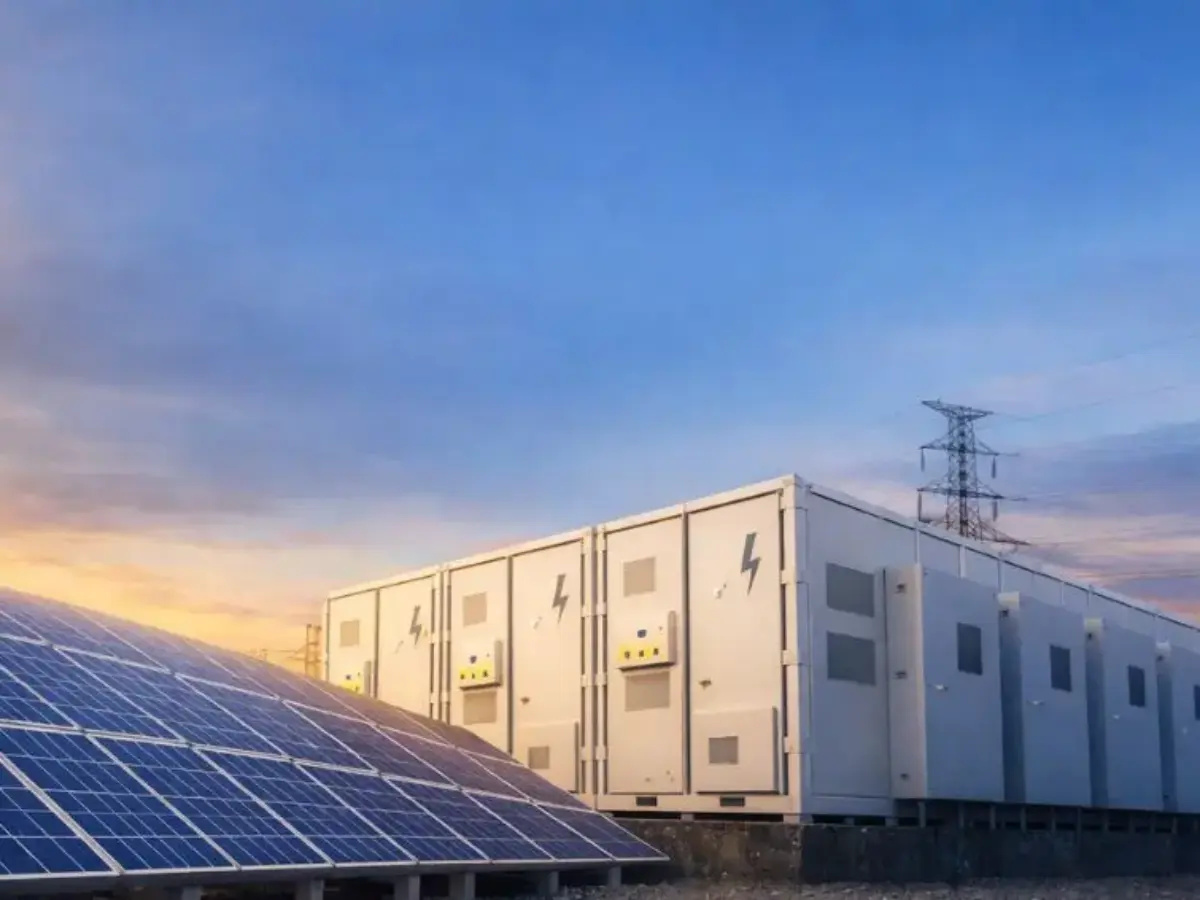
Revolution in the electric sector: ANEEL approves the operation of the first BESS project co-located with a solar plant in Brazil to stabilize the grid and optimize renewable generation in 2026.
Moreover, it helps to reduce dependence on fossil fuels and, consequently, mitigate the effects of climate change.
However, the rapid advancement of the sector has simultaneously brought significant challenges related to sustainability in solar power plants.
Although solar energy is clean and renewable, some plants unfortunately cause social and environmental impacts.
Recent studies show that the expansion of photovoltaic plants in the Northeast has significantly contributed to deforestation of the Caatinga, a bioma of great ecological importance, with significant loss of native vegetation and effects on local fauna.
Between 2016 and 2024, states such as Bahia, Piauí, Rio Grande do Norte, Ceará, Pernambuco, and Paraíba recorded increased deforestation due to the plants.
In addition, important social consequences arise.
The implementation of large solar projects often involves land negotiations with family farmers and traditional communities.
In many cases, local populations have low technical or legal knowledge, leading to unequal contracts and harming income, public health, and territorial permanence.
Moreover, the absence of prior consultations and the lack of dialogue with communities intensify land conflicts and the feeling of exclusion.
Another relevant point is the cumulative effect of solar expansion in regions already pressured by other economic activities, such as agriculture and livestock.
Thus, installing plants in high ecological value areas can alter water cycles, reduce biodiversity, and compromise long-term environmental resilience.
Therefore, the growth of the sector requires careful planning, constant monitoring, and public policies that prioritize sustainability in solar power plants.
Socio-Environmental Safeguards for Solar Energy
Recognizing these challenges, the Potência Northeast Collective, therefore, launched a set of measures called Socio-Environmental Safeguards for Centralized Photovoltaic Solar Energy.
The report, which gathers more than 40 guidelines, directs governments, entrepreneurs, funding agents, and communities to implement solar plants responsibly.
Thus, it promotes sustainability in solar power plants by protecting the environment, valuing sociobiodiversity, and respecting local populations.
Historically, the environmental issue in Brazil gained relevance with urban and industrial growth in the 20th century.
In the 1970s, the country expanded its agriculture and energy, which brought enormous economic benefits but also caused deforestation and ecosystem degradation.
Subsequently, with the creation of the National Environmental System (SISNAMA) in the 1980s, it began to require licensing and impact assessments for large projects.
Thus, in the 21st century, awareness of environmental preservation and social inclusion has strengthened, reflecting the need for public policies that ensure sustainable development.
The new safeguard report seeks, therefore, to prevent the rapid expansion of solar energy from repeating past mistakes.
Among the recommendations are prioritizing already degraded areas for installing plants, avoiding impacts in regions of high ecological value, and adopting minimum contractual clauses for land leasing, ensuring that farmers and traditional communities do not suffer losses.
Social Challenges and Community Participation
Experts warn that sustainability in solar power plants is not limited to environmental preservation.
Therefore, it is necessary to use water resources rationally, especially in regions with water scarcity.
Additionally, the impermeability of the soil and the suppression of native vegetation hinder water infiltration and increase ecosystem vulnerability.
At the same time, local communities should participate in decisions about the projects to ensure a just and inclusive energy transition.
The report further emphasizes that sustainability requires dialogue and collective building.
For example, the experience of farmers from Rio Grande do Norte shows that poorly drafted contracts generate significant losses.
Indeed, families who ceded their lands later realized that the agreements did not reflect their interests, leading to economic losses and making it difficult to continue traditional activities, such as cashew and nut cultivation.
Furthermore, another challenge is to ensure that workers involved in the operation and maintenance of the plants receive proper training, fair compensation, and safe working conditions.
Thus, including local communities in technical and administrative roles strengthens the regional economy and contributes to sustainability in solar power plants broadly, involving social, environmental, and economic aspects.
In this regard, socio-environmental safeguards offer an opportunity to consolidate a more balanced development model.
Therefore, the integration between companies, governments, and communities allows for the responsible installation of solar plants, respecting territory and populations.
This maintains biodiversity, protects fragile ecosystems, and strengthens the local economy, promoting social inclusion and environmental security.
Voluntary Commitment and Best Practices
The Potência Northeast Collective emphasizes, therefore, that companies can voluntarily adhere to the safeguards.
This adherence creates trust and establishes a balanced relationship between the private sector and the people of the territories.
Moreover, experience shows that sustainable development works best when everyone commits to dialogue and transparency.
The document further reinforces the importance of aligning environmental licensing with the assessment of accumulated effects of different projects in the same territory.
In this way, it prevents long-term environmental impacts and ensures that the growth of solar energy is compatible with the preservation of strategic ecosystems.
Evaluating projects in an integrated manner and adopting good technical, social, and environmental practices become essential tools to achieve true sustainability.
Additionally, the participation of universities, research institutes, and non-governmental organizations expands the sector’s capacity to follow international sustainability standards in solar power plants.
These actors provide technical studies, map risk areas, and propose innovative solutions that increase energy efficiency without compromising the environment or communities.
Historically, Brazil has sought to balance economic growth and environmental preservation.
Thus, installing solar plants represents an opportunity to consolidate this trajectory, providing clean energy and contributing to the global energy transition.
However, without clear policies and mitigation measures, the plants can compromise ecosystems and local communities.
Thus, the guidelines presented by the Potência Northeast Collective ensure that solar energy is renewable, socially just, and environmentally responsible.
Benefits of Sustainability for the Future
Implementing sustainability measures in solar power plants is, therefore, a strategic step for the country.
By promoting responsible practices, prioritizing degraded areas, and engaging in dialogue with communities, it is possible to transform solar energy into a tool for economic, social, and environmental development.
Thus, this timeless approach allows Brazil to harness its solar potential without repeating past mistakes, ensuring benefits for all involved.
In the long term, socio-environmental safeguards strengthen the country’s image on the international stage, demonstrating commitment to sustainable development and preservation of biomes.
Therefore, balancing clean energy production, respect for populations, and environmental protection consolidates Brazil’s leadership in the solar sector and ensures fair distribution of the benefits of renewable energy.
In summary, the launch of the safeguards for solar power plants marks a step forward in building a responsible energy expansion model.
With more than 40 guidelines directing governments, companies, and communities, the document reinforces the need to reconcile economic growth, environmental protection, and social inclusion.
Thus, sustainability in solar power plants becomes an essential pillar for Brazil’s development and for building a balanced, just, and secure future for all.










Seja o primeiro a reagir!