





 Portuguese
  English
  Spanish
 5 min of reading
  2 comments


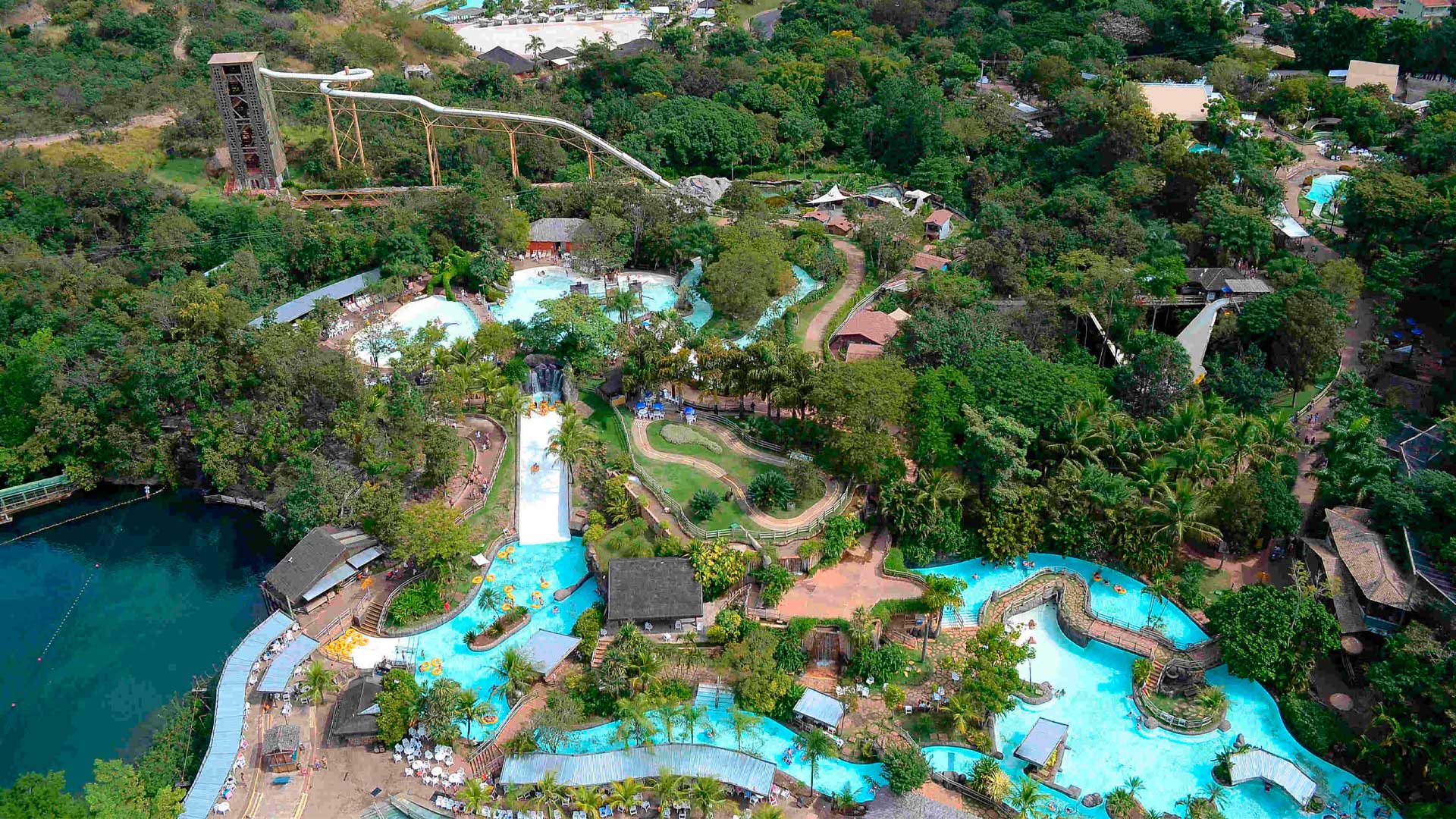


Considered the Largest Hydrothermal Resort in the World, the Region of Caldas Novas and Rio Quente Combines Leisure, Well-Being and Nature. The Increase in Interest Also Reopens the Debate on Preservation of the Serra de Caldas and the Responsible Use of Water.
Caldas Novas, in southern Goiás, has returned to the center of attention as the city associated with the largest complex of thermal waters on the planet, boosting tourism, services, and new housing.
The city is regarded as the largest hydrothermal resort in the world in recent publications and tourism materials, especially when considered along with the neighboring municipality of Rio Quente.
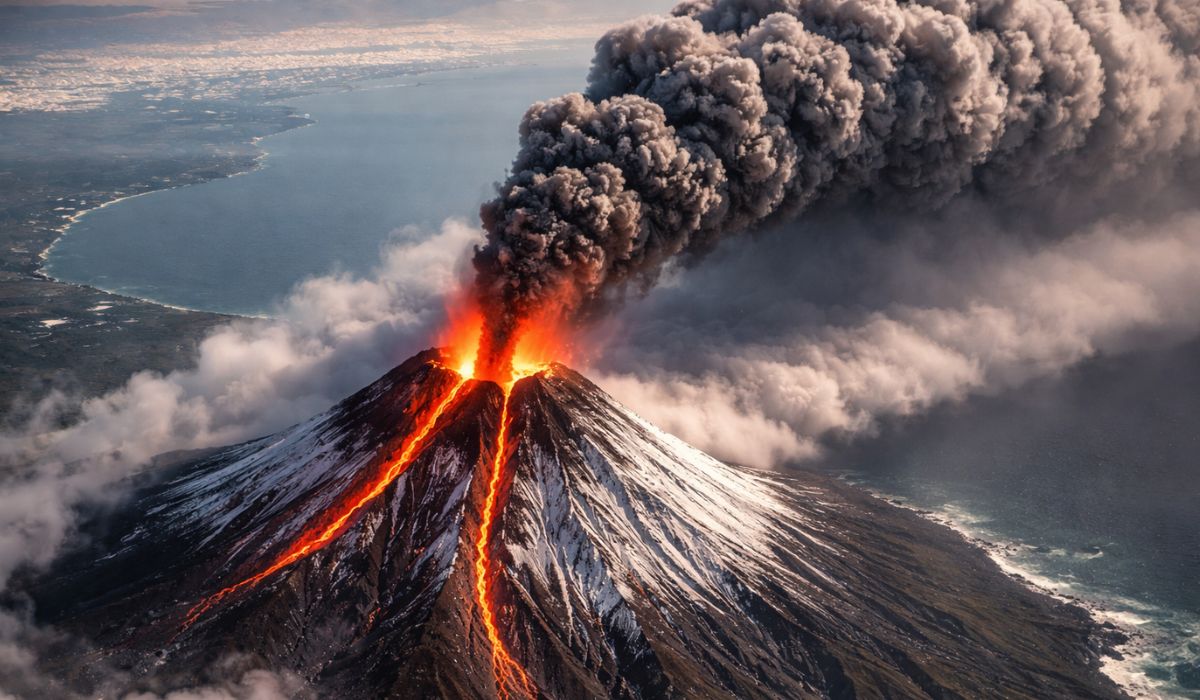
The explanation for the phenomenon also helps to debunk an old myth. The region’s hot waters do not depend on a volcano, but on geothermal energy, with rainwater infiltrating recharge areas on the Serra de Caldas, heating at great depths and returning to the surface.
-
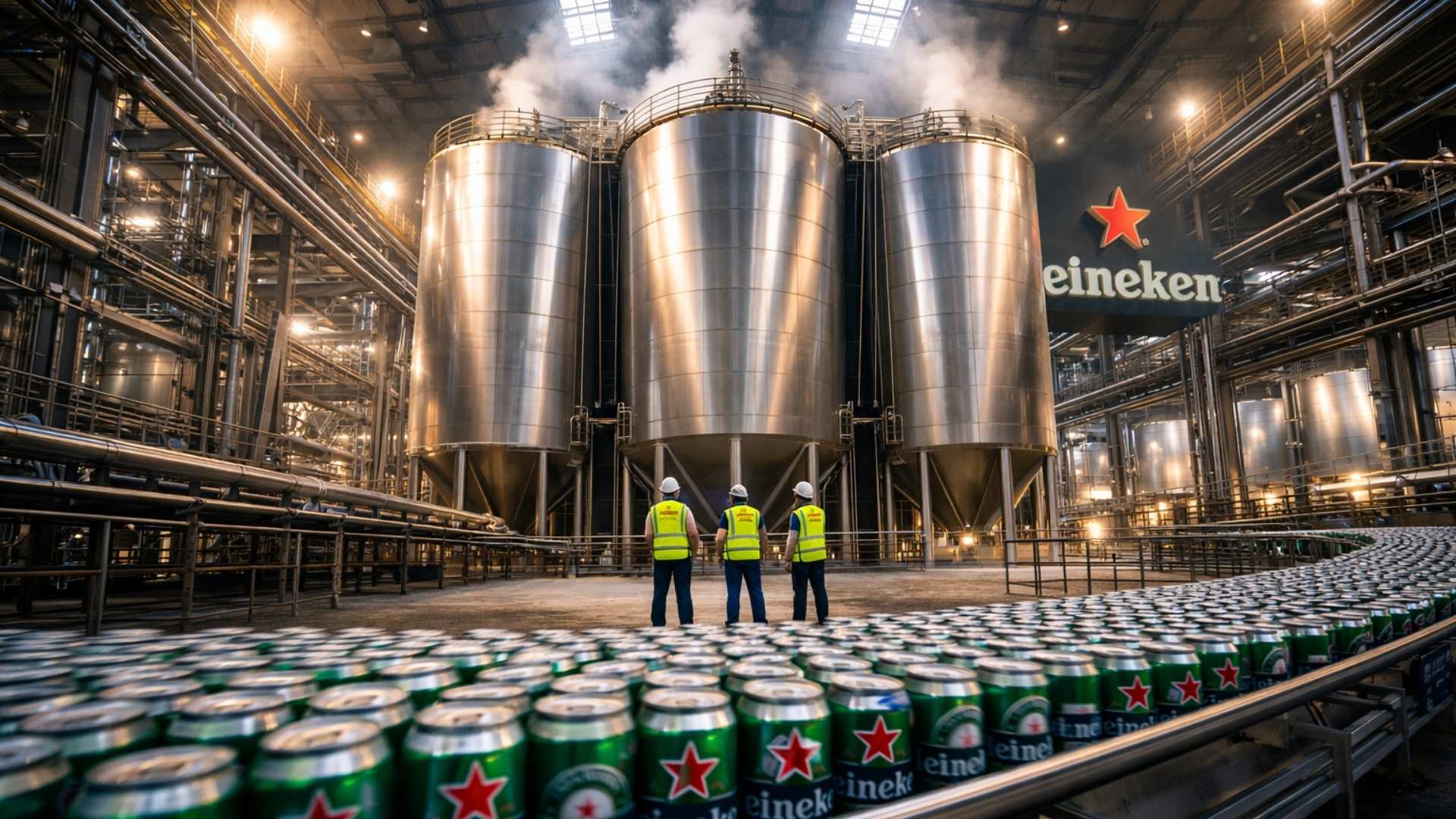
Heineken’s factory in Brazil produces 300 million beer cans in just 4 months, reaches 1 million hectoliters, received R$ 2.5 billion, and is already projecting an annual capacity of 5 million with sustainable technology.
-
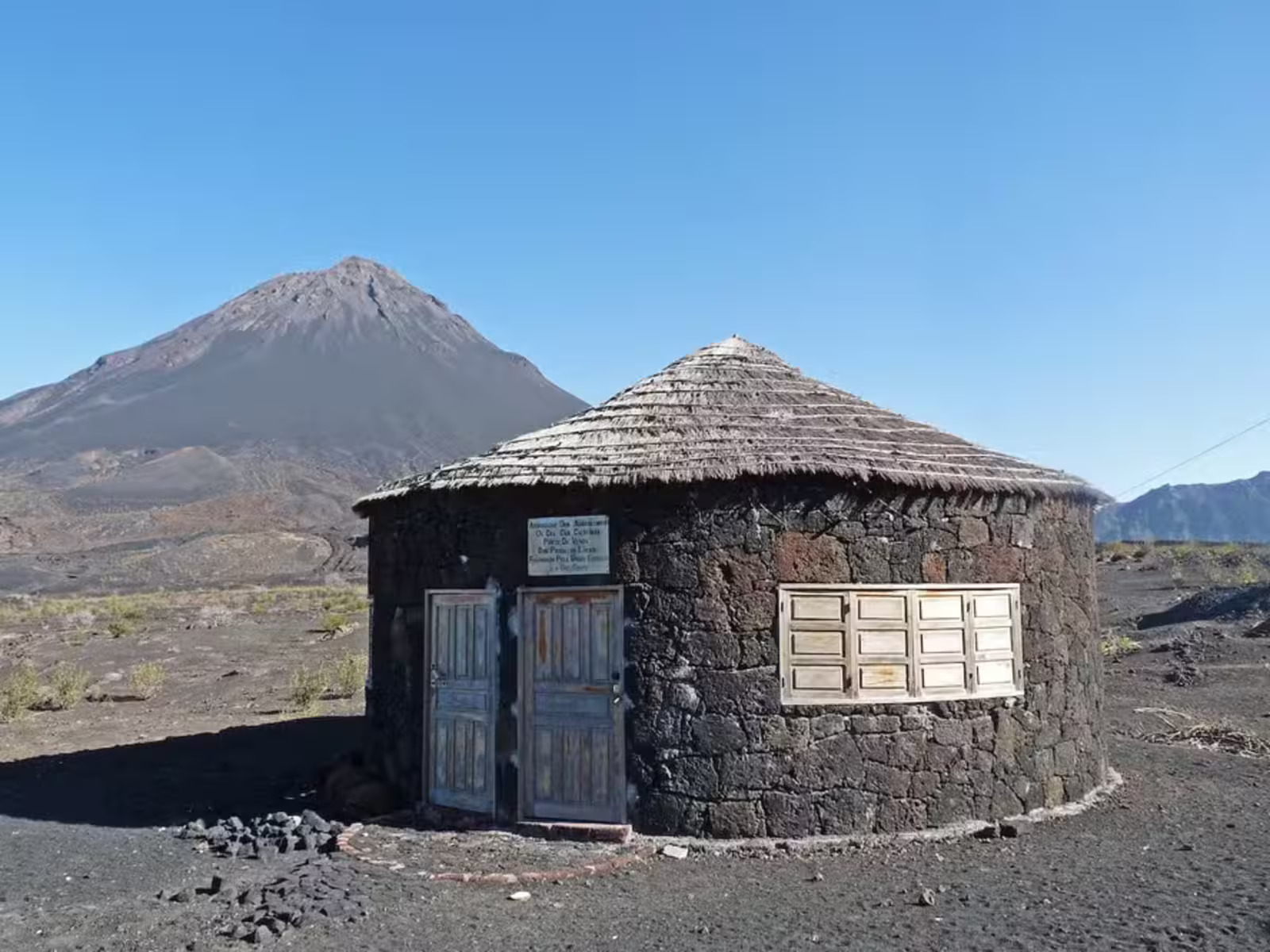
Inside an active volcano in Africa, residents use volcanic rocks to build houses in an impressive setting.
-
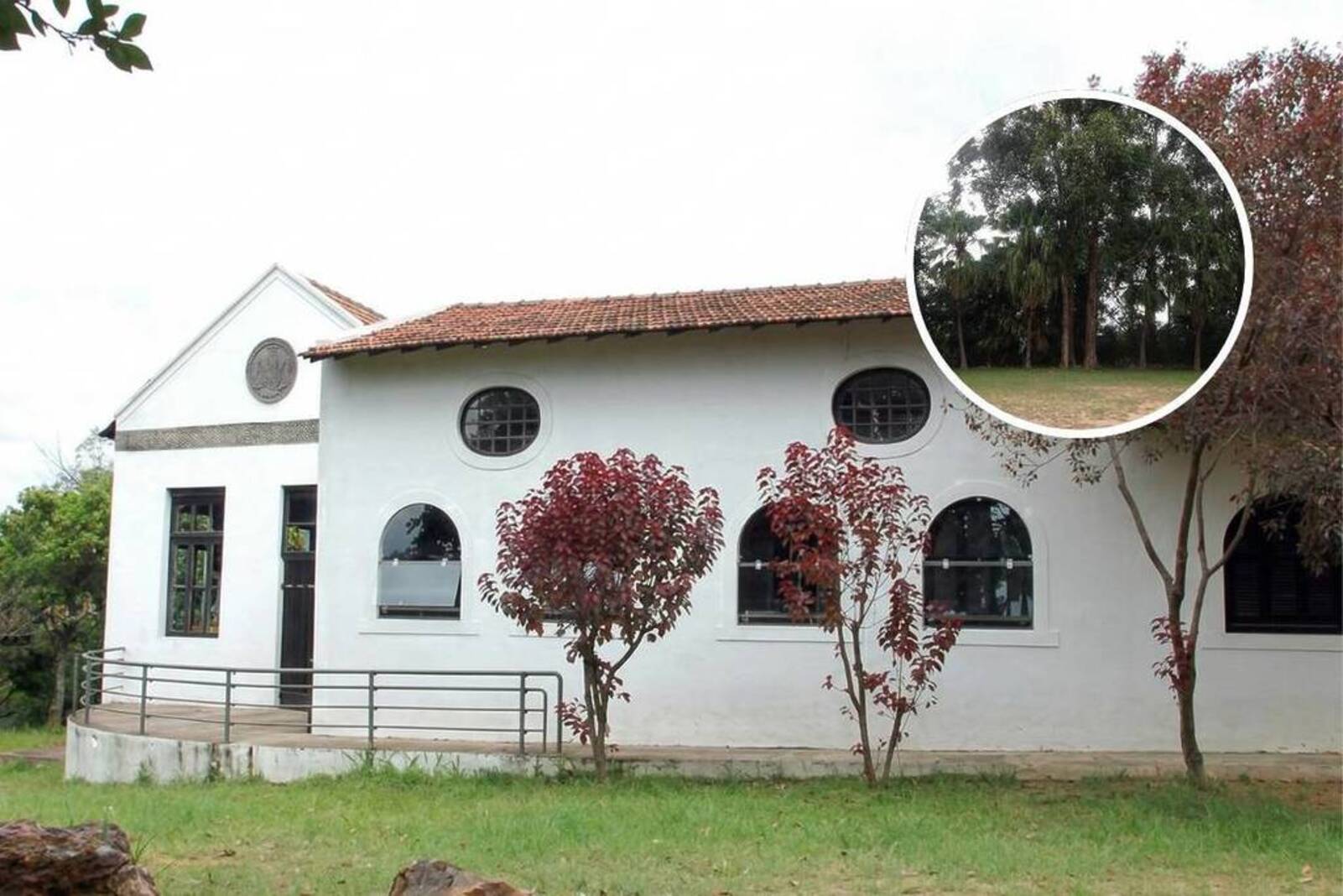
After 14 years of waiting, a rammed earth mansion built in 1702 in the North Zone of São Paulo will become a park with leisure facilities and green areas, with a million-dollar investment.
-
With 2 unfinished nuclear reactors, up to 25 billion in costs, and proven fraud, the Nukegate case has left 800,000 consumers still paying today for energy that will never be produced.

The interest is not just tourism. According to IBGE, Caldas Novas had 98,622 inhabitants in the 2022 Census and an estimated 106,820 inhabitants for 2025, numbers that help to quantify the urban and service pressure in a city that receives a large seasonal influx of visitors.
Caldas Novas in Goiás Concentrates Thermal Waters and a Leisure Network That Attracts the Whole Country
The municipality gained national fame for its naturally heated pools and the presence of water parks, hotels, and clubs that operate practically year-round. Reports about the destination highlight Caldas Novas as a reference for leisure and well-being in the Midwest, combining family tourism and a search for relaxation.
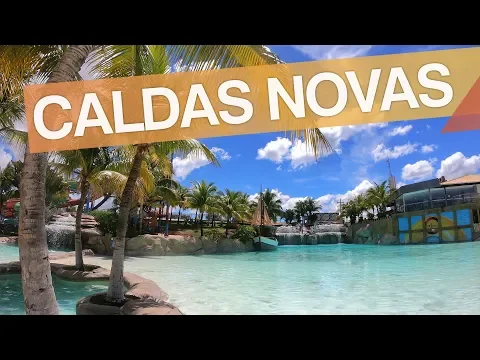

In addition to the tourist appeal, the volume and temperature draw attention. A tourism survey points out that the hot waters can spring from the ground with variations between 43°C and 70°C, supplying businesses and attracting visitors of different profiles, from children in parks to people seeking rest.
Nearby, Rio Quente reinforces the thermal “corridor.” The Ministry of Tourism describes that Rio Quente, with just over 4,000 inhabitants, hosts a hotel complex and Hot Park, and that the municipality forms with Caldas Novas the largest hydrothermal resort in the world.
Geothermal Energy in the Serra de Caldas Explains the Hot Water and the Long Time Hidden in the Bath
The origin of the heating has a well-documented geological logic. According to the Ministry of Tourism, the water comes from rains up to a thousand years ago, which slowly infiltrate the Serra de Caldas, reach depths of about 1,000 meters, heat up through the geothermal gradient, and return under pressure.
Along this path, the water can reach around 60°C at depth, and as it approaches the surface, it mixes with shallower infiltrations, arriving at more comfortable average temperatures, close to 37.5°C.
This narrative helps explain why the destination sustains parks and hotels without relying on artificial heating in most cases, a point often cited as a competitive advantage compared to other thermal centers in Brazil.
Water Parks and Hotels Generate Jobs, but Expand the Demand for Thermal Water Management
The thermal tourism supports a large local employment chain, including hospitality, food, commerce, and transport. In recent content about the municipality, the strength of the hotel network appears as an economic engine, associated with urban services that accompany the tourism vocation.
The same dynamic, however, brings up a sensitive point. Technical studies compiled by groundwater specialists show that since the 1970s, there has been drilling of many wells and indiscriminate use, with reduction in the potentiometric surface of the thermal aquifer.
The monitoring mentioned in the study reports that, after 1996, a drop of over 50 meters was detected in the Araxá aquifer system, leading to measures such as the closure of illegal wells and suspension of new authorizations, with partial recovery of around 30 meters.
Even with control actions, the summary of the work points to signs of new trends of reduction after a period of relative stability, which keeps the topic alive for those advocating for rapid tourism expansion and for those demanding stricter limits.
PESCAN and Ecotourism in the Cerrado Have Become Central Pieces to Protect the Recharge of the Thermal Aquifer
The State Park of Serra de Caldas Novas, known as PESCAN, is a key piece because it protects precisely the recharge area. The Secretary of the Environment of Goiás informs that the park is located in the municipalities of Caldas Novas and Rio Quente, has an area of 12,315.3580 hectares, and is pointed out by studies as one of the most important recharge areas for the region’s hydrothermal aquifers.
The creation of the park itself is old and linked to the preservation of natural and tourist heritage. The official page registers Law No. 7.282 of September 25, 1970, which creates PESCAN, and subsequent regulations for management and buffer zone.
For visitors, the park is also a nature tourism product with clear rules. According to SEMAD, there are two open trails that end at waterfalls, the Trilha da Cascatinha with 716 m and the Trilha do Paredão with 1.161 km, in addition to entry hours from 6 a.m. to 4 p.m. and a stay permitted until 6 p.m.
This creates a contrast that many people feel in practice: hot water in clubs and resorts, cold water in the waterfalls and viewpoints of the Cerrado, with the same backdrop, the Serra de Caldas, functioning as a natural reservoir of the thermal system.
Living in Caldas Novas Gains Momentum and Reopens the Dispute Over Real Estate Expansion and Preservation
With the city growing, the discourse of quality of life appears more and more, supported by the availability of leisure and services in a medium-sized municipality. The combination of a consolidated tourist destination and a quieter daily life in the interior is used as an argument to attract new residents.
At the same time, the need for management of the thermal aquifer tends to become more pressured with urban advance, especially if expansion occurs without strengthening oversight of wells and without effective protection of recharge areas. The monitoring literature of the aquifer shows that the system responds to intensive use and is not an “infinite” resource in practice.
The central point is that the success of tourism depends on balance. The Serra de Caldas needs to remain intact to maintain recharge, and control over illegal or poorly operated extractions becomes an inevitable theme whenever the city enters a new growth wave.
Whether the region will prioritize new ventures at any cost or establish stricter limits to protect the thermal waters is the discussion that is likely to gain more strength in the coming years, especially when record seasons elevate the demand for water and infrastructure.




Caldas Novas cresceu tanto nos últimos 25 anos que já não a reconheço mais , é insustentável , já que todos os complexos aquáticos e hotéis trocam água das piscinas todos os dias .
O hot park e uma **** o atendimento! Principalmente na saída. Os preços são super faturados em produtos que vale 3,00por exemplo. Vergonha.