





 Portuguese
  English
  Spanish
  5 min of reading
  0 comments


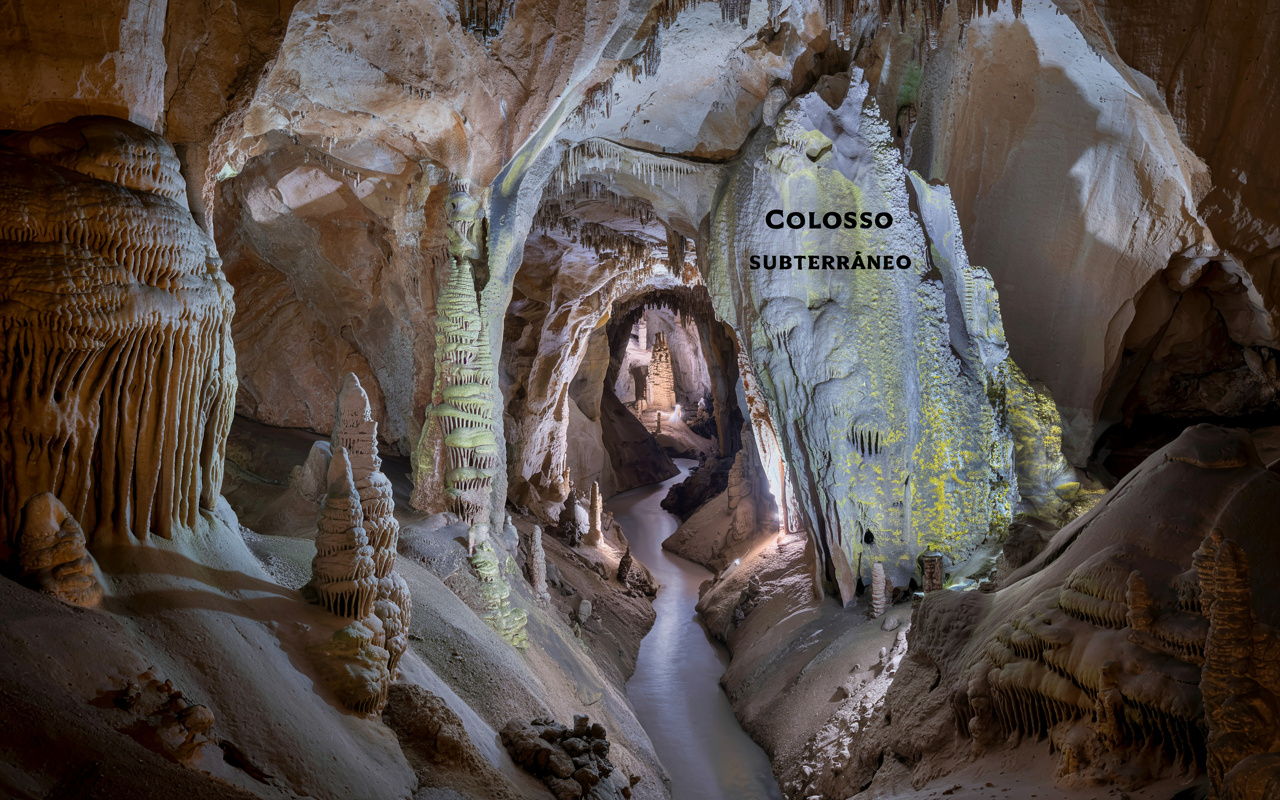
Explore The Amazing Mammoth Cave System, Recognized As The Largest Cave In The World, Located In The United States. Discover Its Impressive Extent, Unique Biodiversity And Historical Importance. Find Updated Facts And Curiosities About This Fascinating Subterranean Cave
The Mammoth Cave system, located in the state of Kentucky in the United States, is officially the largest cave in the world, with over 685 kilometers of mapped underground tunnels as of 2024. This impressive network of subterranean passages, which continues to be explored and expanded by spelunkers, is regarded as a true geological colossus and one of the greatest natural wonders on the planet.
Recognized as UNESCO World Heritage Site Since 1981 and also as a Biosphere Reserve, Mammoth Cave is not only impressive for its size: it hosts a vast diversity of species and rare geological formations, and plays an essential role in studies of subterranean ecosystems.
What Makes The Mammoth Cave System So Unique?
The Mammoth Cave system stands out as the most extensive in the world in terms of mapped passages. According to updated data from the U.S. National Park Service (NPS), the known length of the cave reached 685 kilometers in 2024, and continues to grow as new galleries are discovered.
-
A 68-year-old pizza delivery driver went off route to buy a soda that was missing from a visually impaired customer’s order, refused an extra tip, and now Dan Simpson has over R$ 546,000 in donations from people around the world who want to ensure he can retire peacefully on April 30.

-
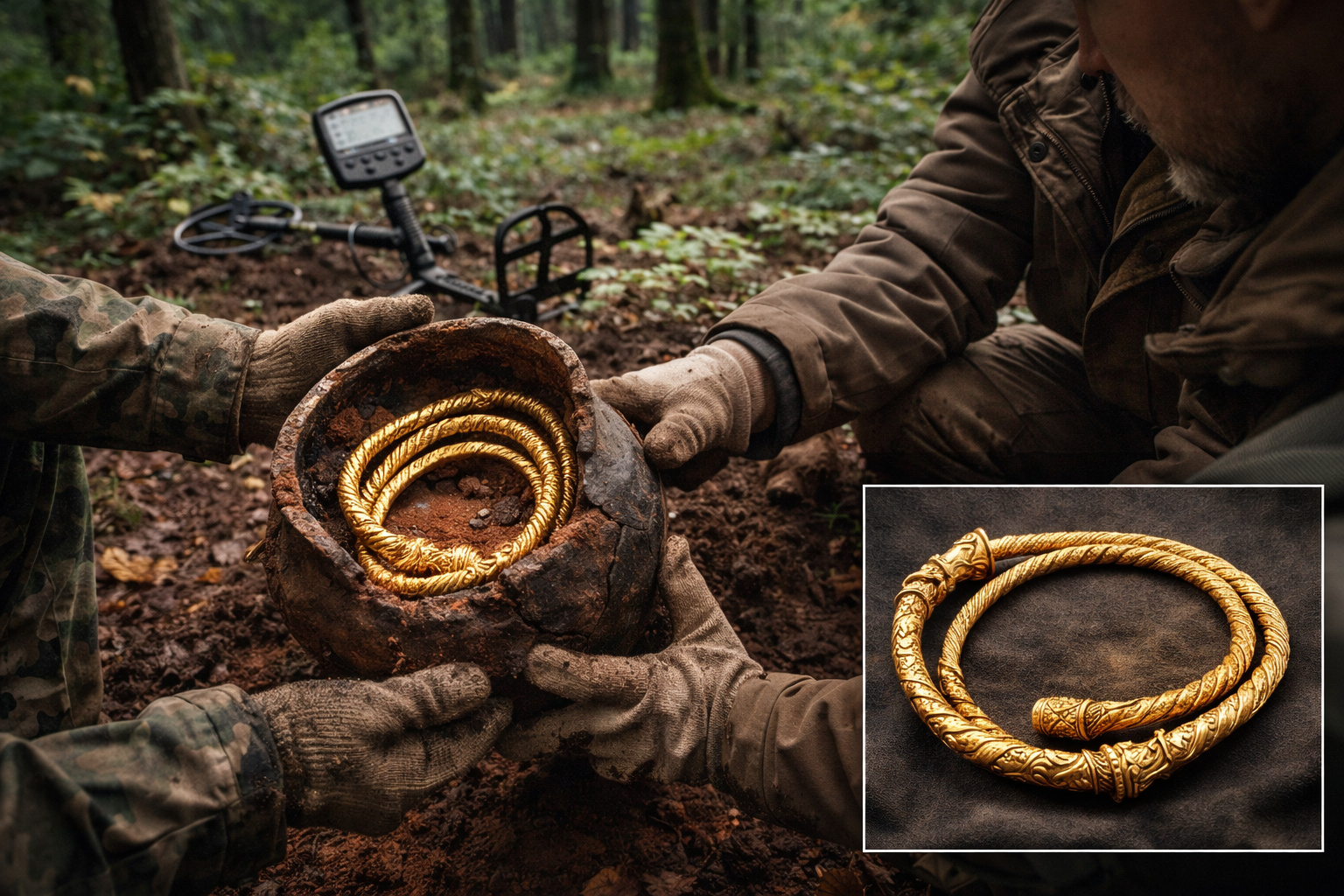
Amateur archaeologists were searching a forest in Poland with metal detectors when they found a ceramic pot buried for over 1,500 years. Inside was a pure gold necklace weighing 222 grams, folded to fit in the vessel, and when experts examined the piece, they discovered it was the first Gothic torque ever found in Polish territory.
-
Millions of people have been eating pomegranates for centuries without knowing that this ancient fruit contains punicalagins, which scientists are studying for their possible effects on memory and vascular health.

-
Argentina patrols the South Atlantic with ships built in France and monitors over 1.1 million km² with 87 m OPVs, a range of 7,500 miles, 360° radar, and a 30 mm cannon against illegal fishing in the 200-mile zone.

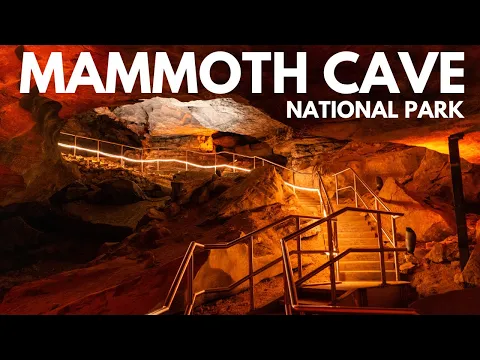

This complex underground network was sculpted over millions of years by the action of water on limestone, creating gigantic halls, underground rivers, and a multitude of interconnected passages. The geology of the Kentucky region, with its rich sedimentary rock soils, favored the formation of one of the most impressive cave systems ever recorded.
A Natural Laboratory For Science And Conservation
The cave in the United States is also an important natural laboratory for researchers in the fields of biology, geology, hydrology, and climatology. More than 130 subterranean species have been identified at the site, including endemic animals, such as the Kentucky cavefish (Amblyopsis spelaea) and species of bats at risk of extinction.
The biodiversity of Mammoth Cave is so significant that it has been protected as a national park since 1941, ensuring the conservation of both the fauna and the geological structure of the region. Furthermore, scientists study the impact of climate change on subterranean ecosystems, with data collected within the system.
Human History Tied To The Largest Cave In The World
Even before the arrival of European settlers, the largest cave in the world was already known to indigenous peoples of North America. Archaeologists have identified artifacts over 4,000 years old, including cane torches, sandals made from plant fibers, and rock engravings.
In the 19th century, the cave was used as a saltpeter mine, essential in the manufacture of gunpowder. During the War of 1812, its commercial exploration increased, and soon after, Mammoth Cave began to receive tourists, becoming one of the first natural attractions visited in the United States.
A Milestone In American Ecotourism
Since the establishment of Mammoth Cave National Park in 1941, the site has attracted thousands of visitors annually. In 2023, more than 520,000 tourists visited the park, according to official NPS statistics. Today, visitation is conducted with strict environmental controls, with different types of tours ranging from easy walks to deeper explorations with specialized guides.
Geology And Formation Of The Cave – United States
Mammoth Cave is mainly formed by limestone and dolomite, sedimentary rocks that have been shaped by dissolution processes over millions of years. The water table and underground rivers were responsible for sculpting corridors, halls, and shafts, creating a unique subterranean landscape.
The karst, a type of relief characterized by soluble soils, is the primary responsible for the formation of the system. This geological process is typical in regions with high humidity and soils rich in calcium carbonate, as occurs in the south-central region of Kentucky.
In addition to its horizontal extent, the Mammoth Cave system also has vertical levels, with elevation differences of up to 115 meters between the highest and deepest points.
Caving And New Discoveries In The Largest Cave In The World
The exploration of the cave – United States continues, conducted by professional spelunkers and volunteers who are part of the Cave Research Foundation (CRF). Each year, new galleries and connections are discovered, adding kilometers to the already known network.
It is estimated that hundreds of kilometers are still unmapped, especially in the deeper and less accessible areas. Discoveries are documented with scientific rigor and assist in updating maps of the national park and in preserving the most sensitive areas.
Environmental Impact And Conservation In The Mammoth Cave System
With the increase in tourism and climate change, Mammoth Cave faces significant challenges for its preservation. Global warming and human activity have already caused changes in some sections of the system, such as increased internal temperature and decreased humidity.
Therefore, the park adopts strict conservation practices: marked trails, a restricted number of visitors per group, environmental monitoring, and ecological education projects. Collaboration among scientists, environmental NGOs, and the U.S. government has been crucial in maintaining the ecological balance of the site.
Mammoth Cave In Culture And Popular Imaginary
The largest cave in the world has inspired stories, books, and even movies. Since the 19th century, it has appeared in accounts by explorers and travelers, such as Nathaniel Parker Willis and Stephen Bishop, one of the first African American guides to map the internal passages of the cave.
Today, it continues to fascinate not only tourists but also artists, musicians, and writers. Soundtracks, photographs, and art exhibitions have been created from the unique atmosphere of the place. The combination of extreme nature, absolute darkness, and geological beauty transforms it into a symbol of untouched nature.
Why Is The Largest Cave In The World So Relevant Today?
Visiting Mammoth Cave is a transformative experience. The site offers a rare opportunity to explore the underground in its purest and grandest form, with impressive rock formations, hidden rivers, and a deep connection with Earth’s natural and human past.
Moreover, the park offers quality infrastructure, with a visitor center, museum, accommodations, camping areas, and surface trails for different levels of adventure. All of this makes the cave – United States an ideal destination for those seeking ecological, scientific, and cultural tourism.
The largest cave in the world, the Mammoth Cave system, represents a geological, biological, and cultural landmark not only for the United States but for all of humanity. With more than 685 kilometers of mapped tunnels, its vastness impresses, but it is its biodiversity, history, and scientific role that ensure its global importance.
With each new gallery discovered, the subterranean colossus reminds us of how much more there is to learn about the natural world — even beneath the surface. Preserving this heritage ensures that future generations can continue to explore and be enchanted by the mysteries hidden beneath our feet.







-

-

-

-

7 pessoas reagiram a isso.