





 Portuguese
  English
  Spanish
  4 min of reading
  0 comments



Old Gol, Corsa, and Fiesta Consume Little, Break Less, and Have Cheap Insurance, Being Rational Choices for Minimum Wage Earners.
For those earning a minimum wage, the car needs to serve a basic function: to transport without becoming debt. In this scenario, older and simpler models continue to be smarter choices than newer cars, filled with technology and hidden costs. This is exactly why old Volkswagen Gol, Chevrolet Corsa, and Ford Fiesta remain steadfast on Brazilian streets. They are not trendy but offer low consumption, familiar mechanics, and predictable costs, which are essential for those living on a tight budget.
Why Older Cars Still Make More Sense for Those Who Earn Little
The biggest mistake for those earning a minimum wage is believing that a newer car means less expense. In practice, older cars with simple mechanics tend to break less and cost much less when repairs are needed.


Moreover, the low market value reduces IPVA and insurance, two costs that weigh much more for those with limited income. The secret lies not in the year but in the simplicity of the design.
-
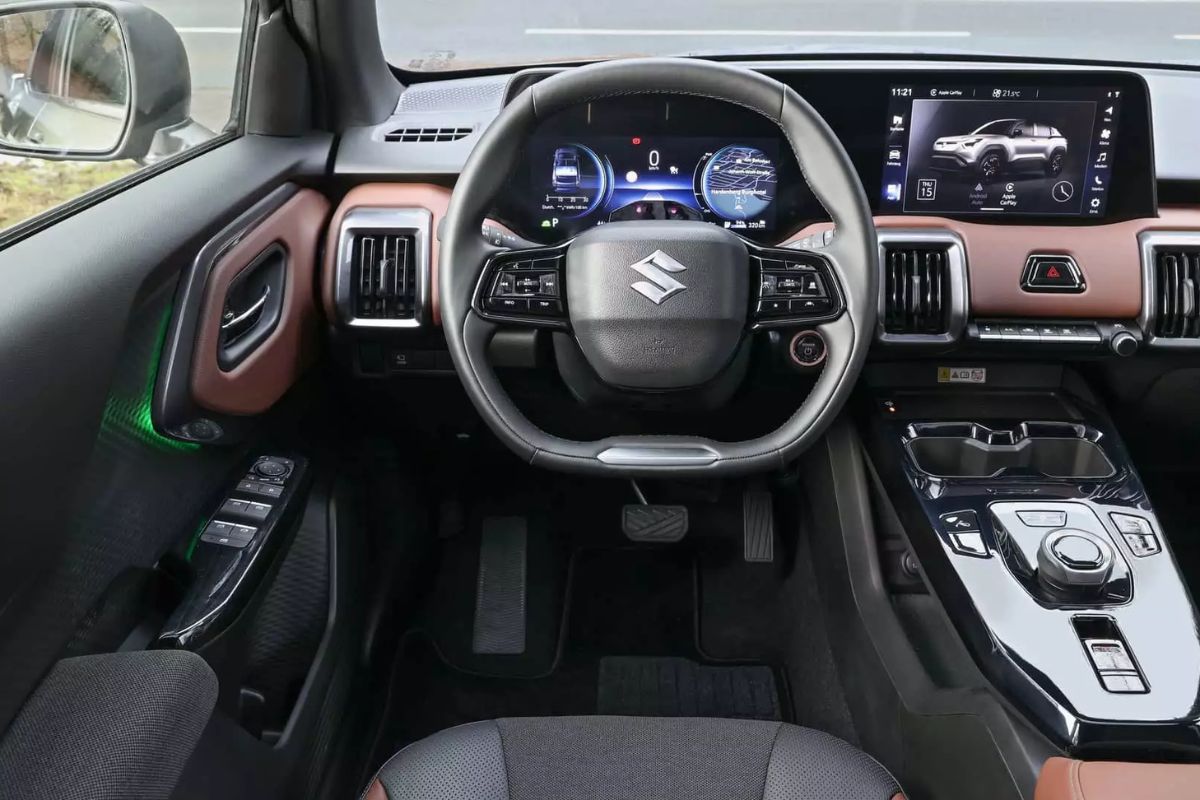
The 2026 electric Vitara arrives in Brazil and proves that Suzuki is not leaving: 4×4 traction, 184 hp, 61 kWh LFP battery, 293 km range, R$ 259,000, and a trunk capacity of 224 L.
-
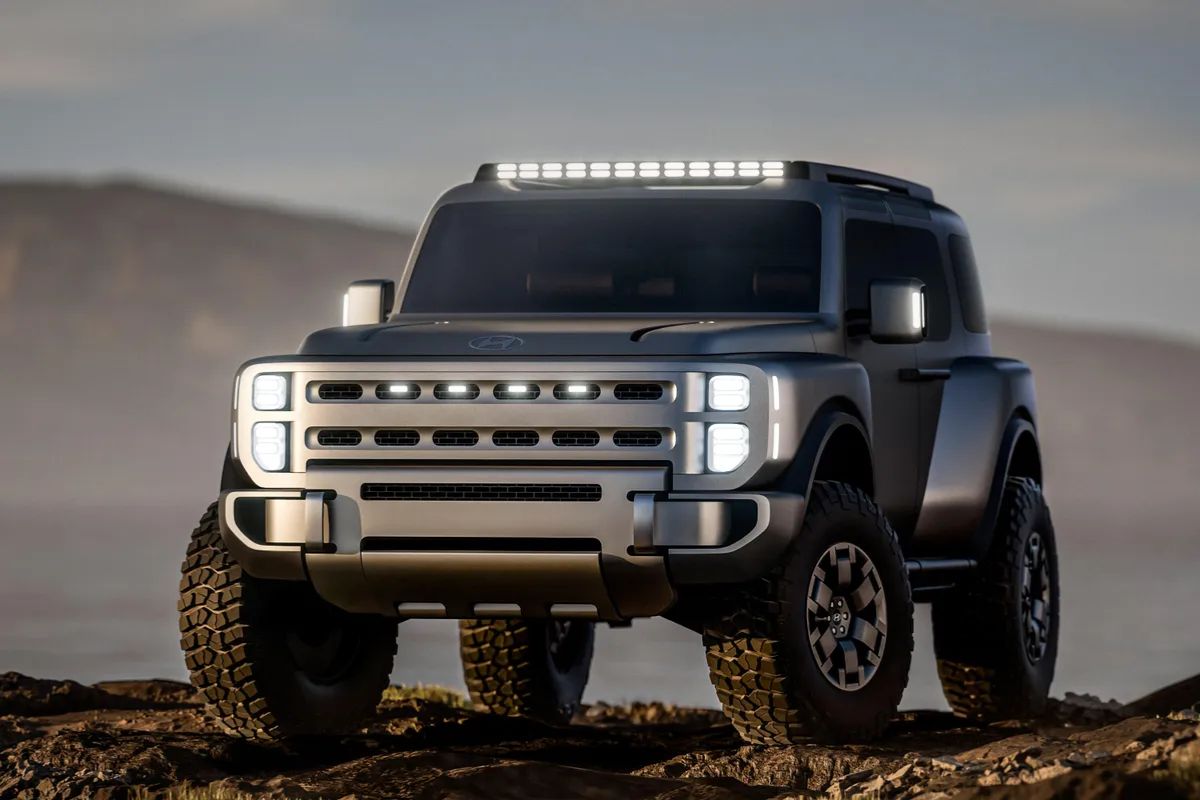
Hyundai has unveiled the Boulder, a square SUV with a body-on-frame design, 37-inch mud tires, and carriage-style doors that seems to be made to take on the Ford Bronco and the Scout Traveller in the United States.
-
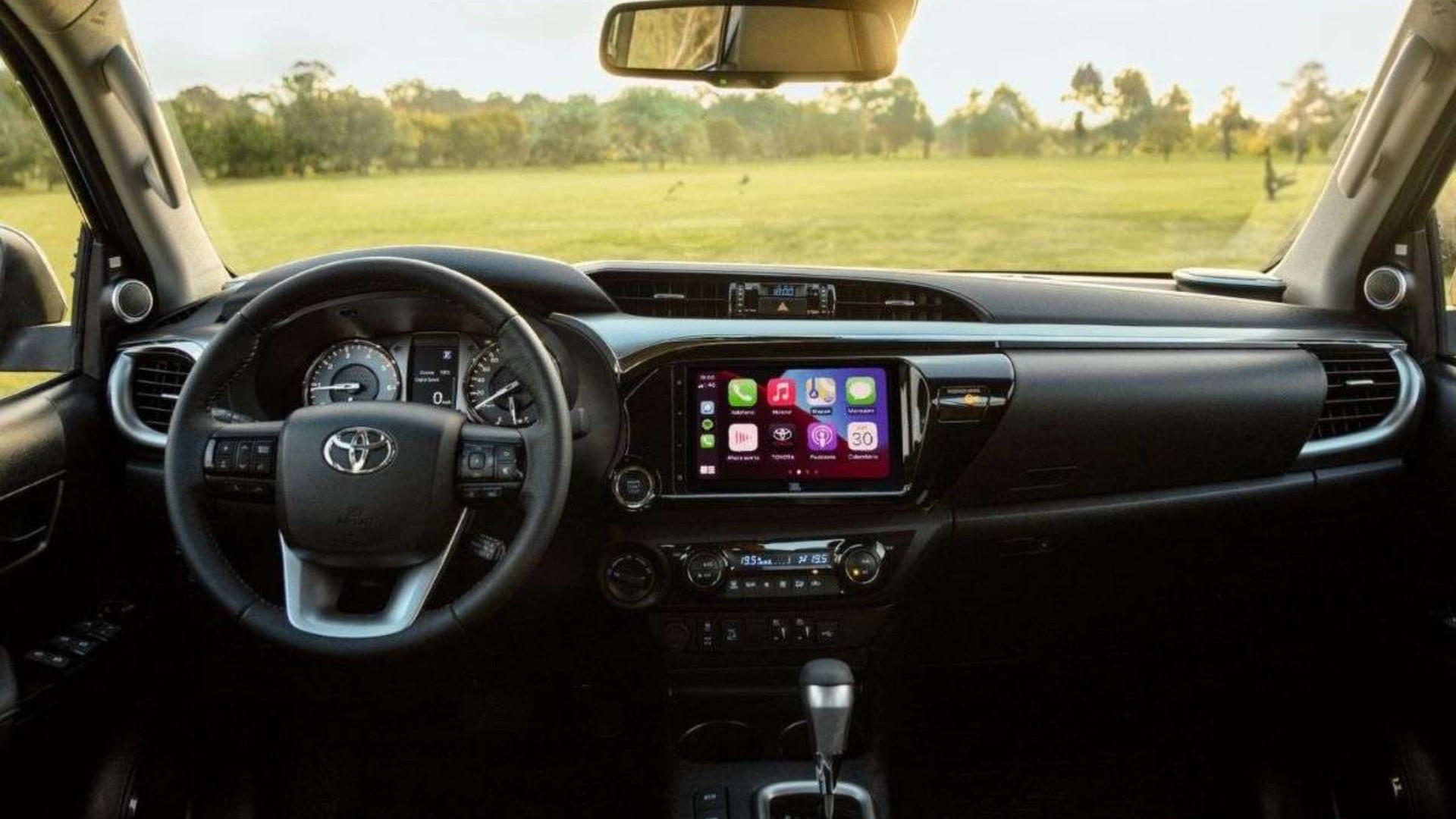
The Toyota Hilux is R$ 75.5 thousand cheaper and bets on the 2.8 turbodiesel engine with up to 204 hp and 50.9 kgfm to catch up with the VW Saveiro, which leads with 4,472 sales.
-
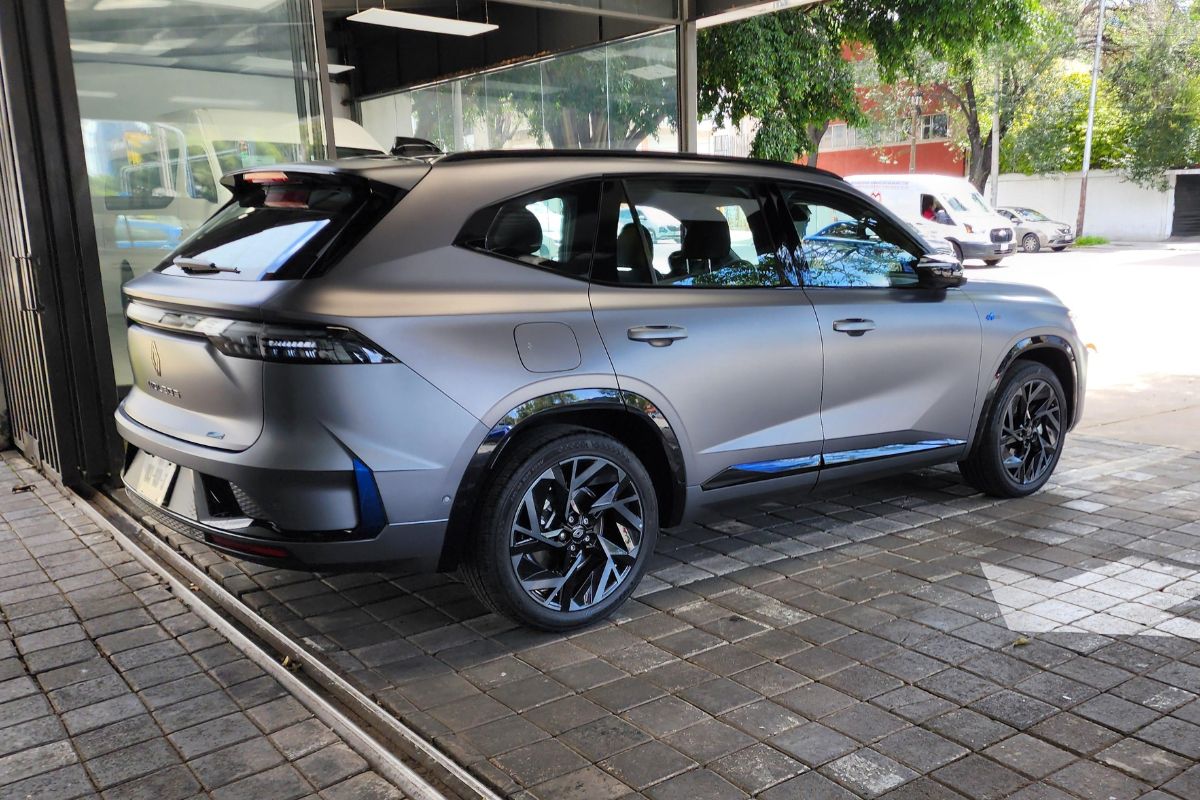
The new Renault Koleos has a screen exclusively for the passenger that is invisible to the driver, heated rear seats, and 29 assistance systems, but its Chinese competitors cost R$ 40,000 less and deliver more power.
Old Volkswagen Gol: Controlled Consumption and Total Liquidity
The G3 and G4 generations of Gol have become a national reference for easy maintenance cars. The simple engine can handle intense daily use, and any mechanic knows how to work on this setup.
Urban consumption usually stays around 10 to 12 km/l, insurance is affordable, and parts are available in any city. Another crucial point is the ease of resale, which is important for those who cannot be stuck with a problematic car.
Chevrolet Corsa: Basic Comfort with Predictable Maintenance
The Corsa has always delivered a rare balance between comfort and cost. It offers a slightly smoother ride than other popular cars without increasing monthly expenses.
The mechanics are simple, the consumption is reasonable for its size, and the cost of parts and labor is low. For those spending many hours in traffic, this extra comfort makes a difference without weighing on the wallet.
Old Ford Fiesta: Light, Economical, and Underestimated
The old Fiesta, especially in the simpler 1.0 and 1.6 versions, is one of the most underestimated cars in the market. Light and well-tuned, it delivers good consumption and honest drivability.
The low market value helps with IPVA and insurance, and maintenance is simpler than many imagine. When well cared for, it’s a car that runs for years without major financial shocks.
Gol, Corsa, and Fiesta are not among the most targeted cars for theft and have cheap parts, which lowers insurance costs. In many cases, full insurance costs less than that of popular motorcycles.
For those earning little, this means one less fixed monthly cost, an essential factor for maintaining financial balance.
Simple Maintenance is What Prevents Indebtedness
These three models share the greatest virtue possible for those living on a minimum wage: predictable maintenance. Oil changes, belts, brakes, and suspension cost little and are done quickly.
This prevents situations where a single breakdown consumes two to three months of income, something common in more complex and modern cars.
How Much Does It Cost to Maintain Gol, Corsa, or Fiesta in Practice
With moderate urban use, these cars usually generate R$ 200 to R$ 300 per month in fuel, R$ 80 to R$ 120 in diluted maintenance, and low IPVA and insurance, depending on the state.
This total cost remains within a limit compatible with those earning a minimum wage, as long as use is rational and maintenance is not neglected.
What to Observe Before Buying One of These Models
Even though they are simple cars, it is essential to check the condition of the engine, suspension, clutch, and basic maintenance history. A cheap car that is poorly cared for can become a problem.
The advantage is that, in these models, any defect usually has a cheap solution, which reduces financial risk.
Old Gol, Corsa, and Fiesta remain relevant because they work. They consume little, break less, have cheap insurance, and do not turn a minimum wage into debt.
For those needing mobility without compromising basic expenses, these cars continue to be rational, safe, and financially intelligent choices. In the end, a good car is not the newest one; it’s the one that fits the budget every month.










-

2 pessoas reagiram a isso.