





 Portuguese
  English
  Spanish
 3 min of reading


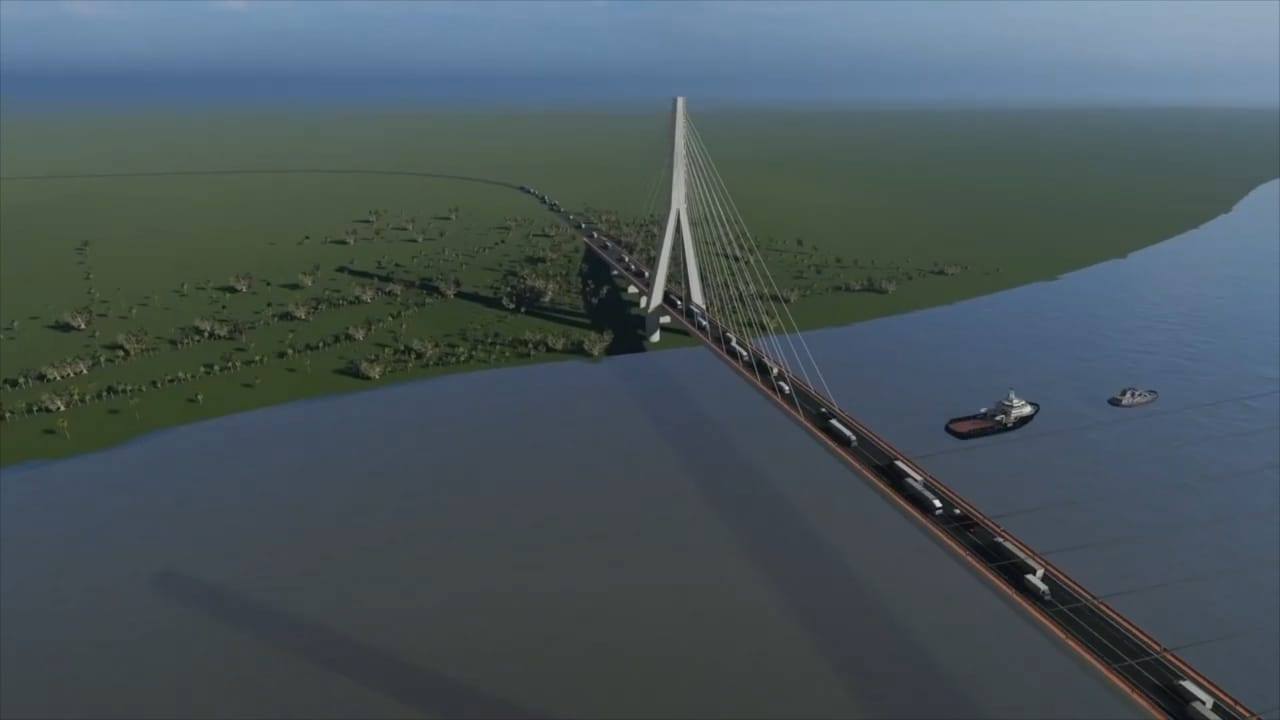
With the acceleration of the development of the construction works of the Bioceanic Route, Mercosur countries are encouraged about the possibilities of expanding the commercialization of goods between the ports of the nations more agile.
The PY-BRA consortium, responsible for the construction of the bridge over the Paraguay River, also known as the Bioceanic Route, connecting the Atlantic and Pacific Oceans, is accelerating the works. Thus, Mercosur countries are awaiting the completion of the project for interconnection between the ports of the nations, enabling commercial relations to grow increasingly, contributing to the economy of all parties.
Project Works are Accelerated and PY-BRA Consortium Advances to Deliver the New Interconnection Route Between the Ports of Mercosur Countries
During the last week, the PY-BRA consortium installed the fourth support pile of the work that will connect the cities of Carmelo Peralta, in Alto Paraguay, to Porto Murtinho, in Mato Grosso do Sul. Thus, the company is advancing in the development of the Bioceanic Route among Mercosur countries, which got this name because it will enable a connection between the Atlantic and Pacific Oceans via Brazil, Paraguay, Argentina, and Chile.
And with the completion of the installation of the fourth support pile of the work, the PY-BRA company will continue the foundation works, which began earlier this month of July, on the other side of the border, the location where nine out of a total of 20 piles will be installed, in the segment of the access viaducts to the cable-stayed bridge that will have a length of 1,300 meters and a height of 630 meters.
-
With 74% of companies facing difficulties in hiring, technicians and engineers in renewable energy are becoming scarce in Brazil and are essential to support the expansion of solar, wind, and green hydrogen projects.

-
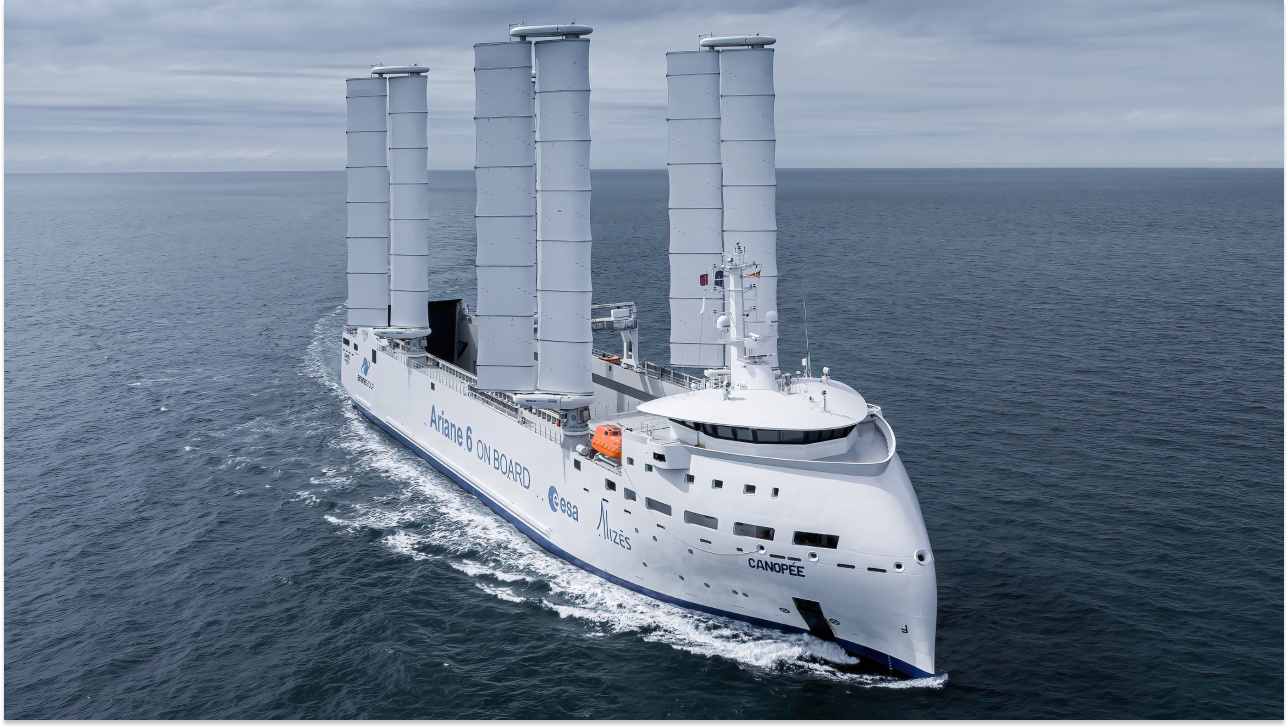
Europe is trying to create an ammonia-powered marine engine without auxiliary fuel, which could unlock the race for giant emission-free ships. The technology aims to eliminate one of the biggest obstacles to clean maritime propulsion.

-
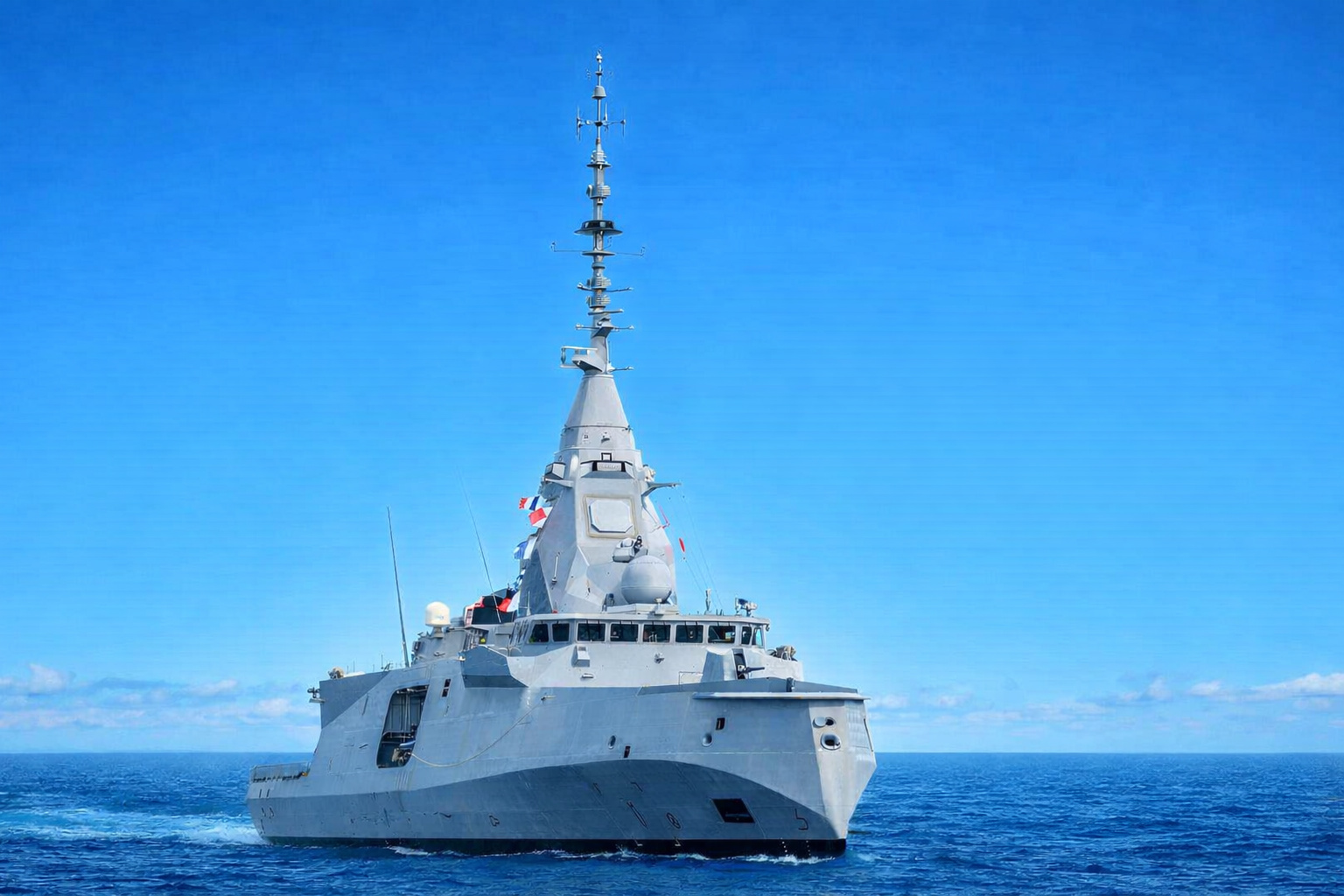
A 4,500-ton frigate with just over 100 crew members, state-of-the-art radar, and cruise missiles is being touted as the new standard of naval warfare in the 21st century.
-
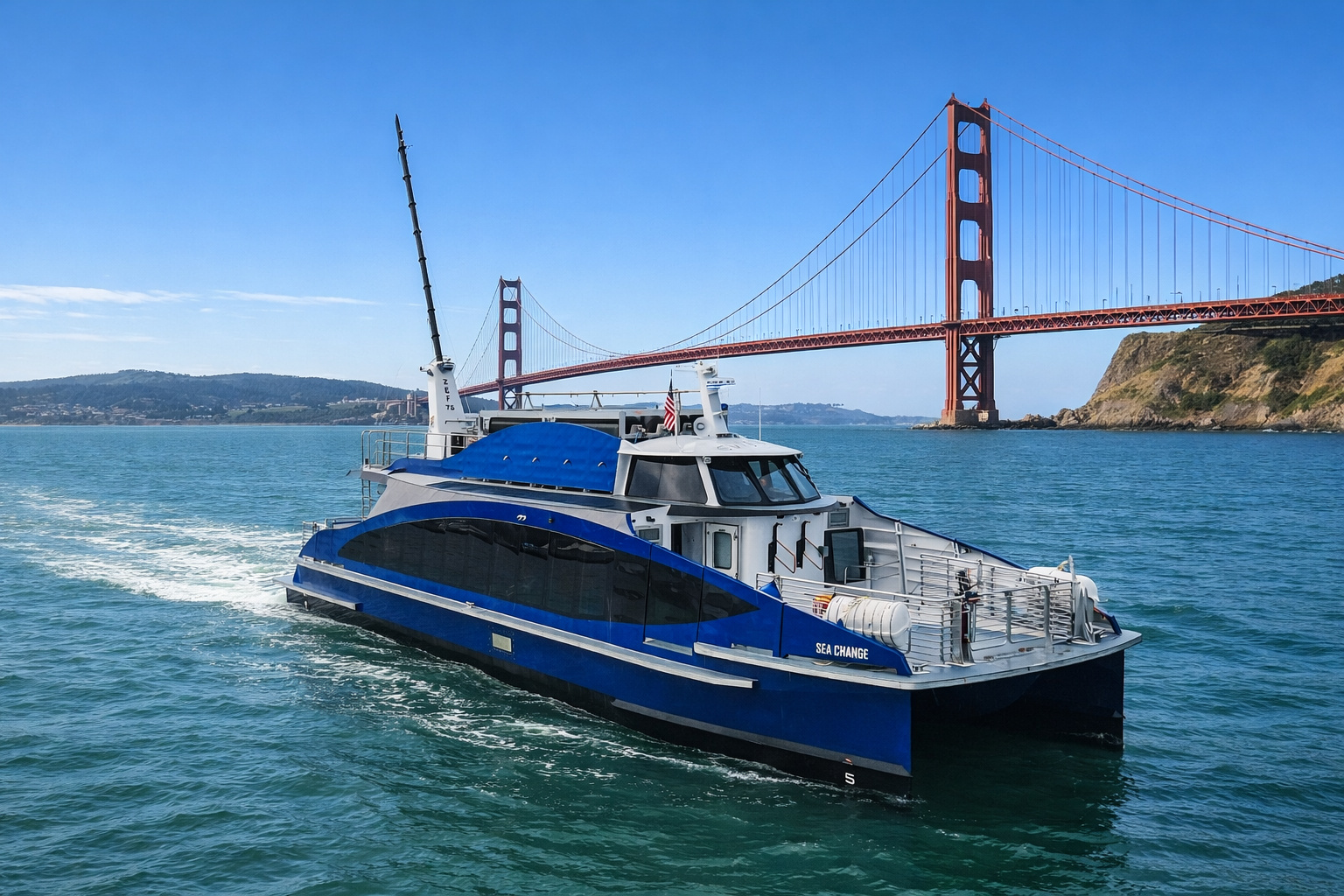
The first commercial hydrogen-powered ferry enters operation in the U.S., eliminates the use of diesel, uses fuel cells to generate clean energy on board, and transforms San Francisco Bay into a landmark of the new era of emission-free navigation.

The project of the bridge known as the Bioceanic Route is being funded by Itaipu Binacional/PY in the amount of US$ 89.7 million, approximately R$ 485 million. And with the completion of the construction works, the new route will enable an even greater connection between the ports of Mercosur countries, which currently suffer from logistical issues in cargo movement, such as the use of the Panama Canal for crossing between oceans.
Implementation of the Bioceanic Route Will Allow Economic Growth Among Mercosur Countries with the Interconnection of Ports After the Completion of PY-BRA Works
With the completion of the construction works of the Bioceanic Route, which are being managed by PY-BRA, there will be much greater integration between the distribution centers of Mercosur ports, ensuring more connection in commercial relations. Moreover, the use of the bridge is expected to shorten the distance traveled today in the transportation of international cargo by up to eight thousand kilometers and enable a significant reduction in the logistical costs of operations.
Thus, the State University of Mato Grosso do Sul (UEMS) is developing the UEMS Project on the Bioceanic Route, from which a network of 140 researchers was created, uniting the experience of Mercosur countries for the development of a more efficient and high-quality route for the interconnection between the commercial distribution centers of goods.
So, the coordinator of the works, Prof. Dr. Ruberval Franco, commented on the research projects and their importance for the works of the Bioceanic Route and said that “The proposal is to point out important actions, and for that, we created a dialogue channel between universities and the business and government sectors to align and propose solutions for the population that will be directly impacted by the Bioceanic Route.”
Finally, he highlighted that the state of Mato Grosso do Sul will be strongly benefited with the job opportunities offered throughout the final installation of the Bioceanic Route, contributing to the socioeconomic development of the region.








Seja o primeiro a reagir!