





 Portuguese
  English
  Spanish
  3 min of reading
  0 comments


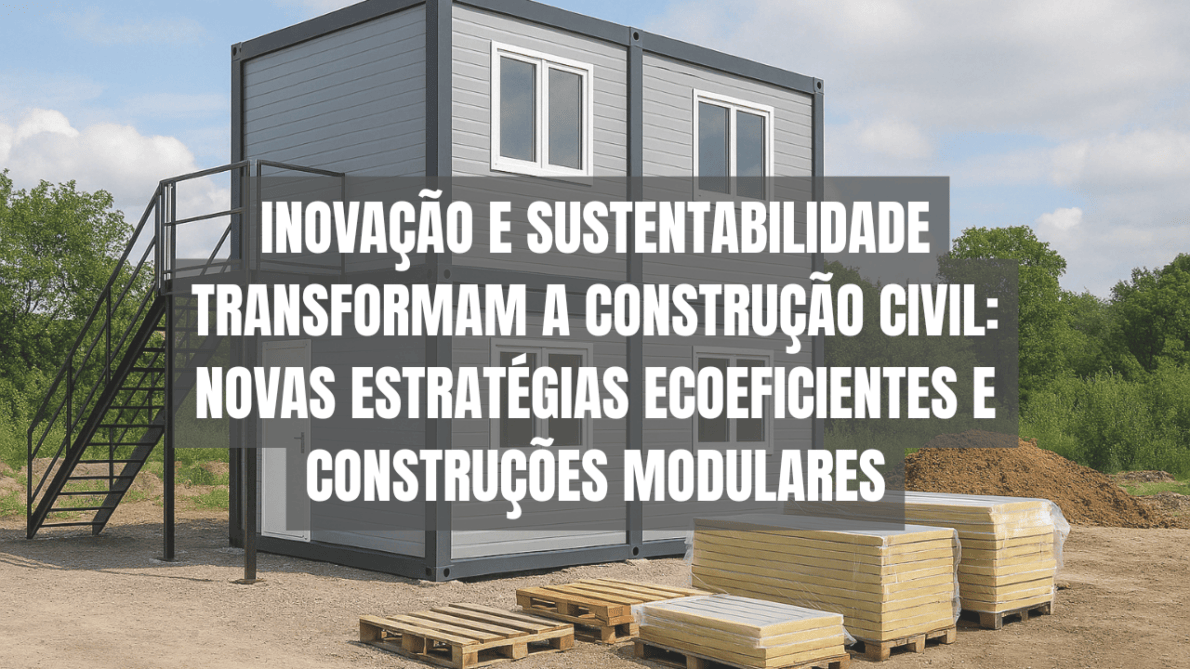
How Civil Construction Integrates Sustainable Practices and Modular Constructions, Promoting Economy and Reducing Environmental Impacts!
Civil construction is undergoing a profound transformation, driven by the need to unite economic development with environmental preservation. New approaches, such as modular constructions, circular economy, and sustainability certification seals, are revolutionizing the sector.
These initiatives not only help reduce the environmental footprint of construction but also promote savings and efficiency on site, ensuring a more sustainable and conscious future.
A New Era for Civil Construction
Traditionally, civil construction has been pointed out as one of the major contributors to environmental degradation, consuming vast natural resources such as sand, cement, and wood, in addition to generating a significant amount of waste.
-
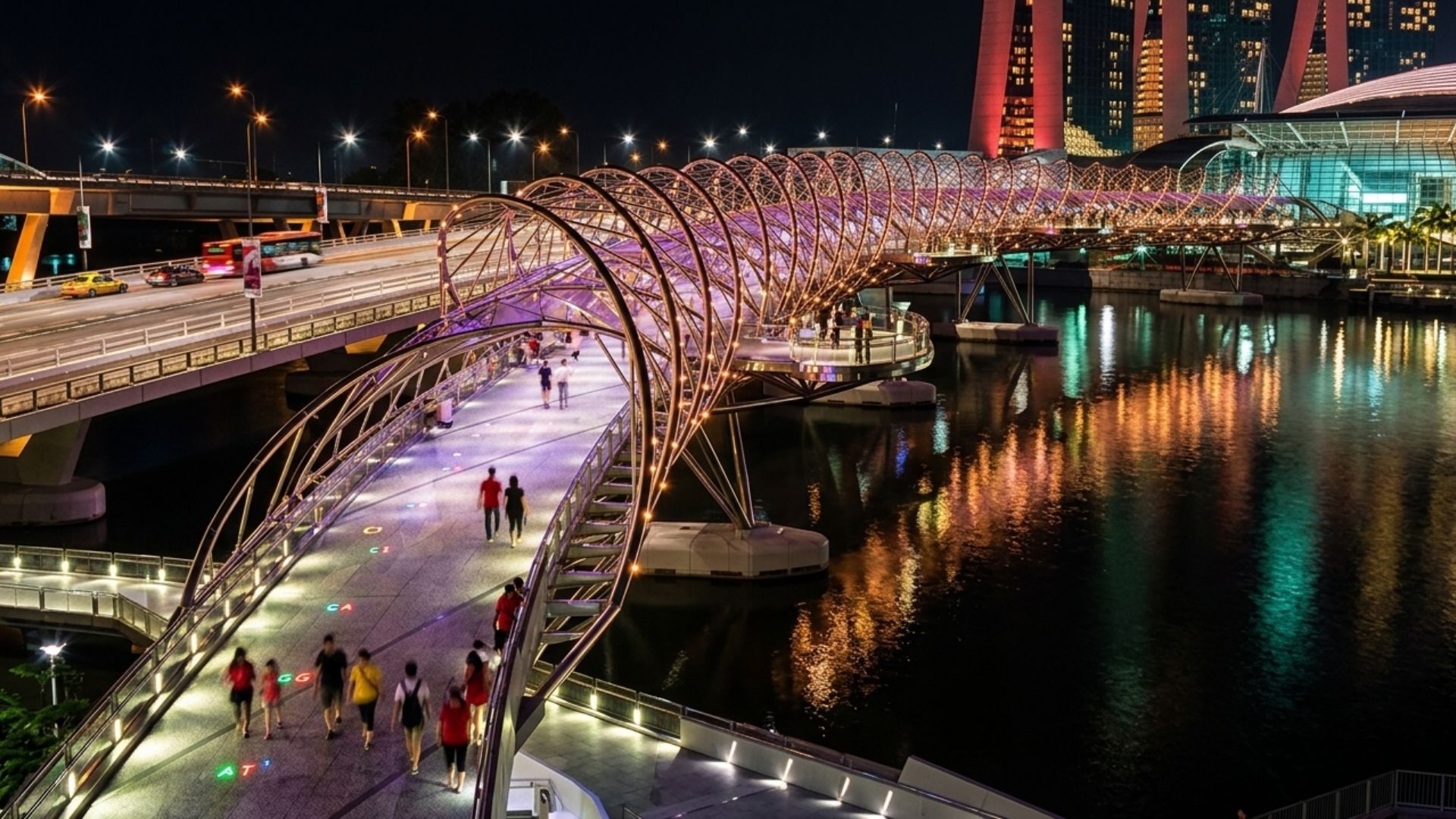
With a DNA shape, this bridge in Singapore draws attention in modern architecture and surprises tourists by transforming a simple crossing into an unforgettable visual experience in the urban heart.
-
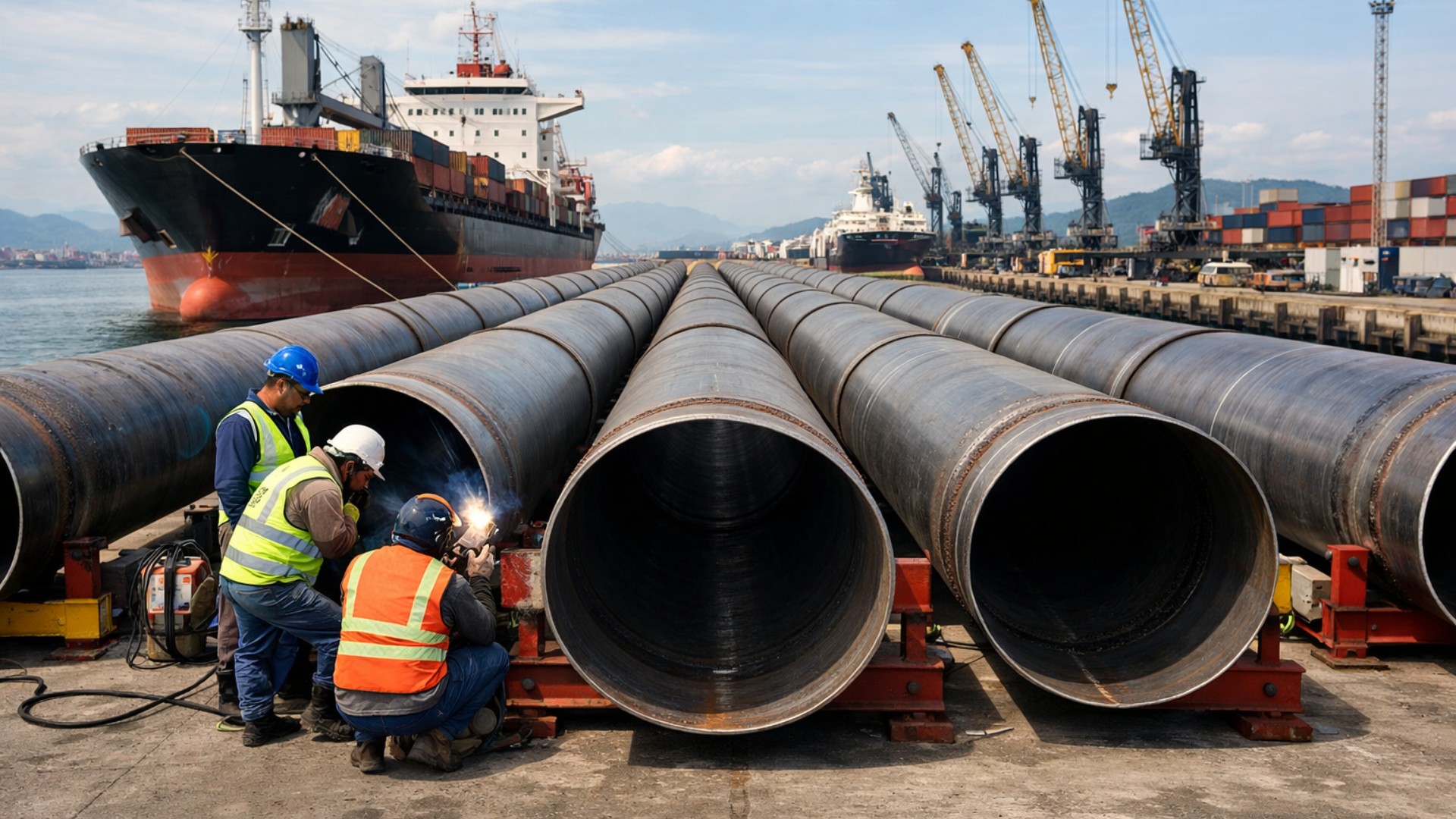
Giant underwater pipeline begins to take shape with a R$ 134.7 million project at the Port of Santos: the 1.7 km structure uses 12-meter and 700 mm pipes to supply water to 450,000 people in Guarujá.
-
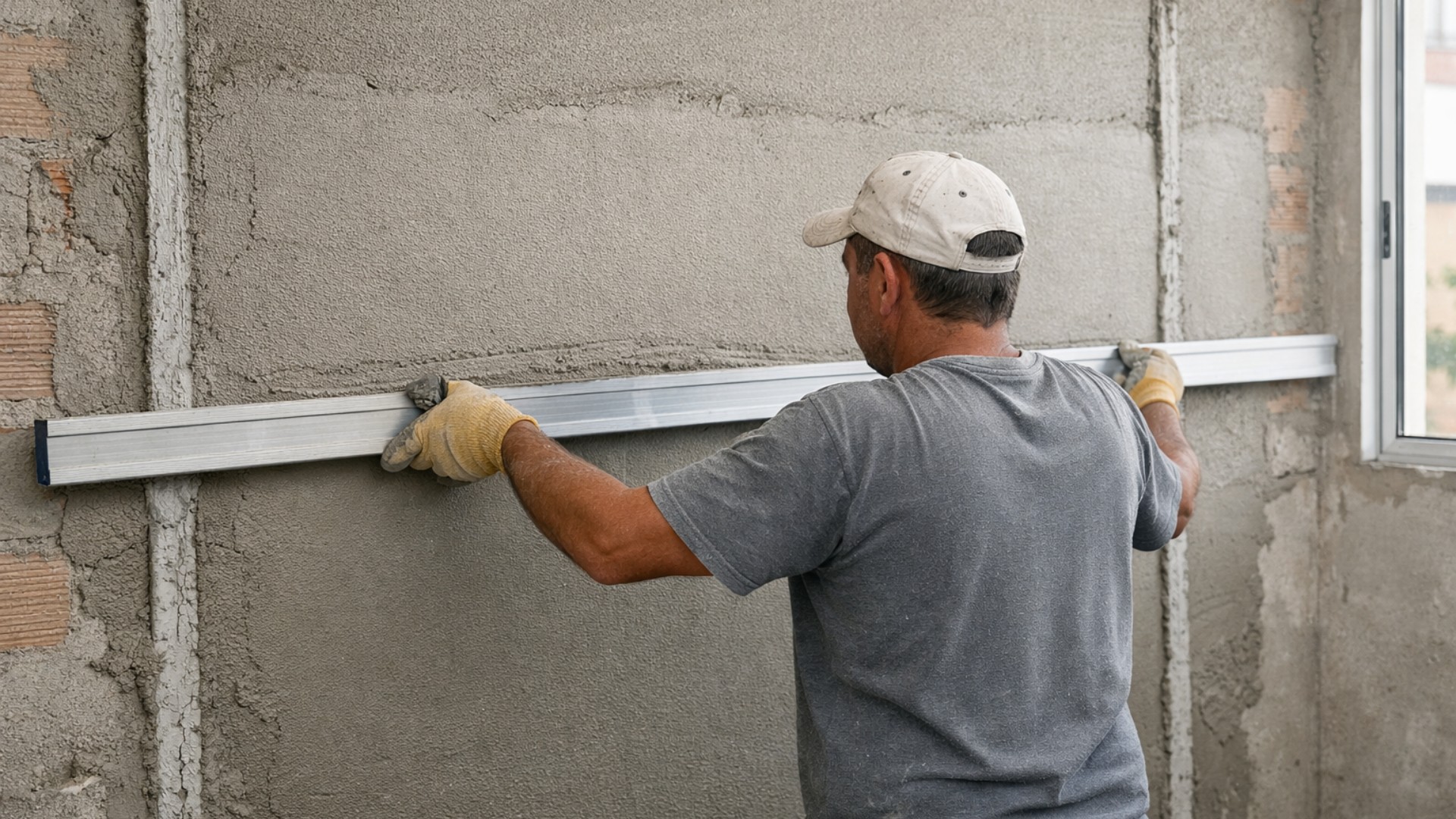
A mason reveals a professional plastering technique that uses aligned guides and a 3-meter ruler to plaster an entire wall in up to 3 hours, without visible seams, with uniform thickness, perfect plumb, and a finish ready for painting without rework.
-
The project that was supposed to be ready for the 2014 World Cup in Brazil debuted with a 12-year delay and nearly R$ 6 billion invested: the Line 17-Gold of the São Paulo monorail opened with reduced hours and is only expected to operate fully in October.


Recent data indicates that, in 2021 alone, Brazil produced about 48 million tons of waste from construction and demolition, which accounts for about 30% of the country’s solid waste.
This scenario demands a paradigm shift, where sustainability becomes a central pillar, aligned with the economy and innovation in the sector.
Circular Economy: The Cycle That Turns Waste into Resources
The implementation of the circular economy in civil construction is one of the most promising strategies to reduce waste and environmental impact.
This model proposes the reuse of materials and recycling in the manufacture of new components for construction, replacing processes that generate pollution and waste.
Companies in the sector have invested in the incorporation of recycled waste into additives, cement, and pipes made from recycled plastic, as well as the use of reused aluminum and steel.
The practice of retrofitting, which involves modernizing old buildings, is also gaining traction, intelligently using parts from demolitions for new projects.
These initiatives demonstrate how the circular economy can, in practice, transform the concept of construction into a sustainable process without sacrificing quality and safety.
Modular Constructions: Technology and Agility
The adoption of modular constructions represents a true revolution in the way projects are conceived and executed in civil construction.
The use of prefabricated modules, produced in industrial plants, allows for the assembly of structures using innovative methods.
These units are manufactured off-site and transported to the assembly location, where they fit together like “Lego pieces.”
This method not only reduces execution time and production costs but also minimizes material waste, contributing to cleaner and more efficient construction.
With the integration of pre-configured hydraulic and electrical systems, the process becomes even more agile, meeting the demands for economy and sustainability at every phase of the project.
Sustainability Seals: Guarantee of Environmental Commitment
Another significant initiative in civil construction is the adoption of sustainability seals, which certify projects committed to ecologically responsible practices.
These seals attest that the construction follows stringent guidelines for the rational use of energy and water, in addition to the proper management of resources and materials used.
The certification, which can be initiated at the project phase, undergoes re-evaluations during and after the project execution, ensuring that the defined parameters are being met in practice.
This approach not only strengthens the credibility of the project but also translates into long-term benefits, promoting savings and reducing the environmental impacts caused by civil construction.
Impacts on the Economy and the Environment
The transition to more sustainable practices is directly linked to the improvement of economic indicators and the strengthening of the construction sector.
With the growing appreciation of projects that adopt cleaner and more efficient processes, clients and investors are beginning to recognize the importance of innovative solutions that result in constructions with greater durability and lower operational costs.
Moreover, the adoption of technologies and methods that reduce electricity and water consumption contributes to a significant reduction in the environmental footprint, benefiting not only the environment but society as a whole.
In summary, the conjunction of sustainability concepts, modular constructions, and circular economy is transforming the way civil construction operates in Brazil and worldwide.
This journey towards a cleaner and more efficient sector demonstrates that it is possible to align innovation, economy, and respect for the environment, creating a new paradigm for the future of construction.








Seja o primeiro a reagir!