





 English
  Francês
  Alemão
  Italiano
  Japonês
  Norueguês
  Portuguese
  Spanish
 3 min of reading


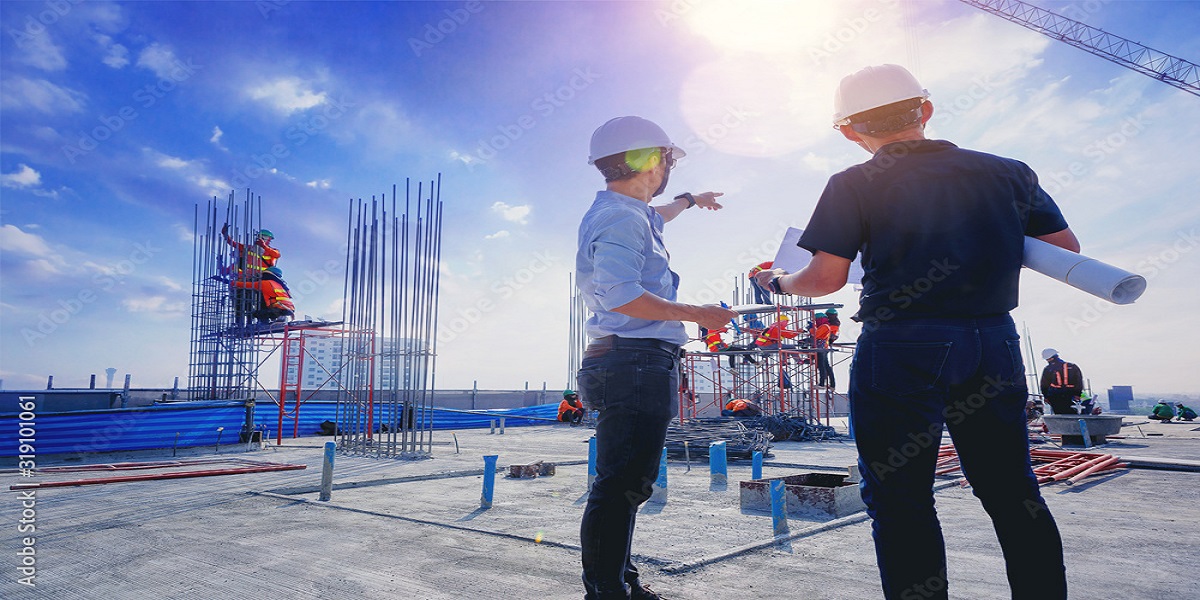
According to the Ministry of Labor, 7.35% of the total formal workers in Bahia are employed in the construction industry
The construction industry is growing in the state of Bahia, being the second state generating more jobs than before the pandemic. In early 2020, there were 114,000 formal job openings, while in early 2022, the number of jobs jumped to 133,000, which is an increase of 15%. Meanwhile, Salvador, the capital of Bahia, is the third municipality that generated the most formal jobs in the first months of this year: there were 3,043, behind only the cities of São Paulo and Rio de Janeiro.
The release of this data was made by the Brazilian Chamber of Construction Industry (CBIC) on March 27, during an event held at the headquarters of the Construction Industry Union of the State of Bahia (Sinduscon-BA). According to the Ministry of Labor, 7.35% of the total formal workers in Bahia are employed in the construction industry, thus highlighting the importance of the construction sector to the economy.
Job Creation in the Sector Increased by 20% Compared to the Pre-Pandemic Period in the Northeast
According to CBIC economist, Iêda Vasconcelos, the construction industry currently employs 20% more workers than before the pandemic in the Northeast, including Bahia. Bahia has over 20,000 formal employees, meaning the construction market is important for job and income generation.
-
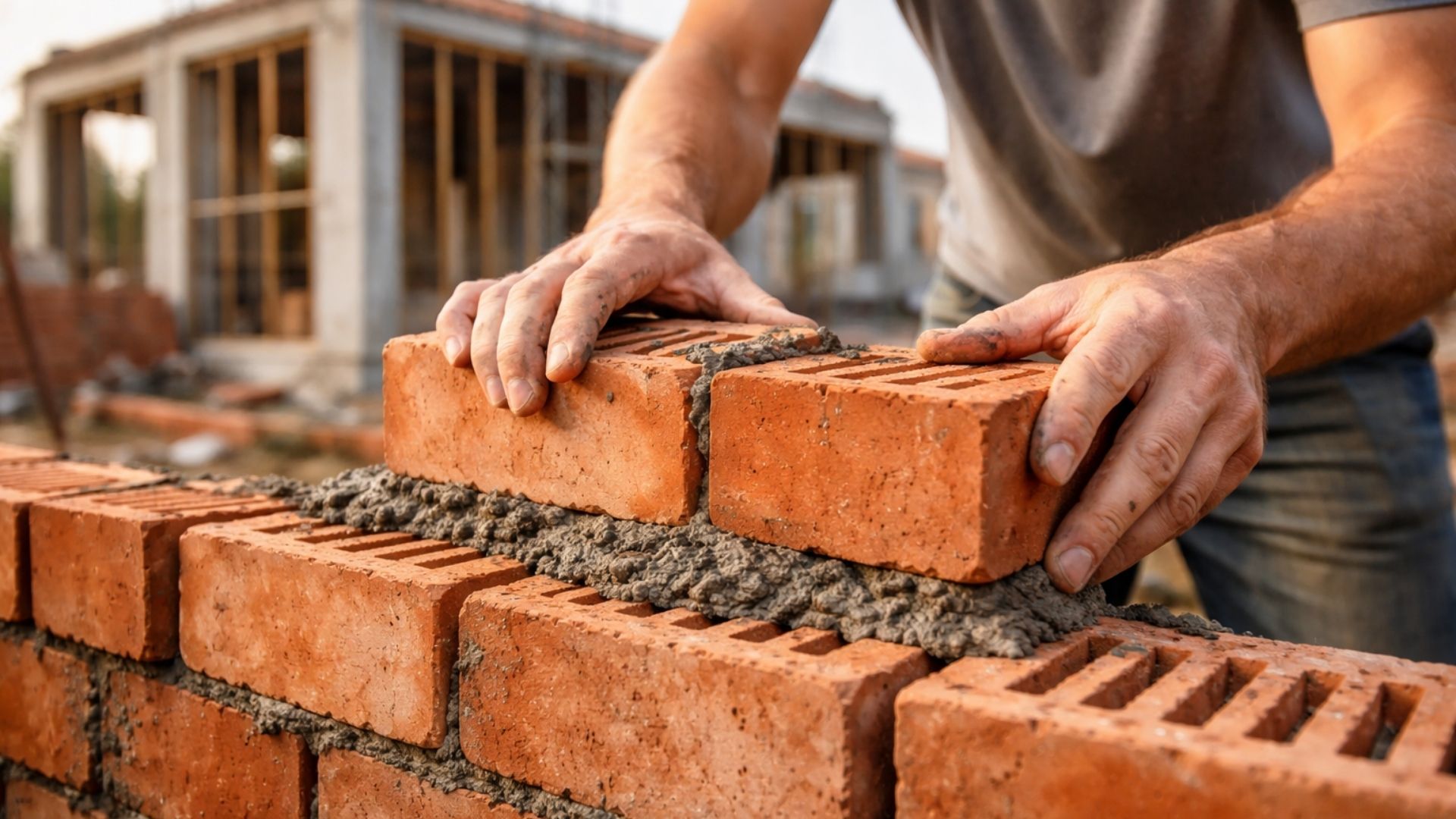
‘Interlocking brick’ made of earth arrives in the construction industry with cost reductions of up to 40% on the project.
-
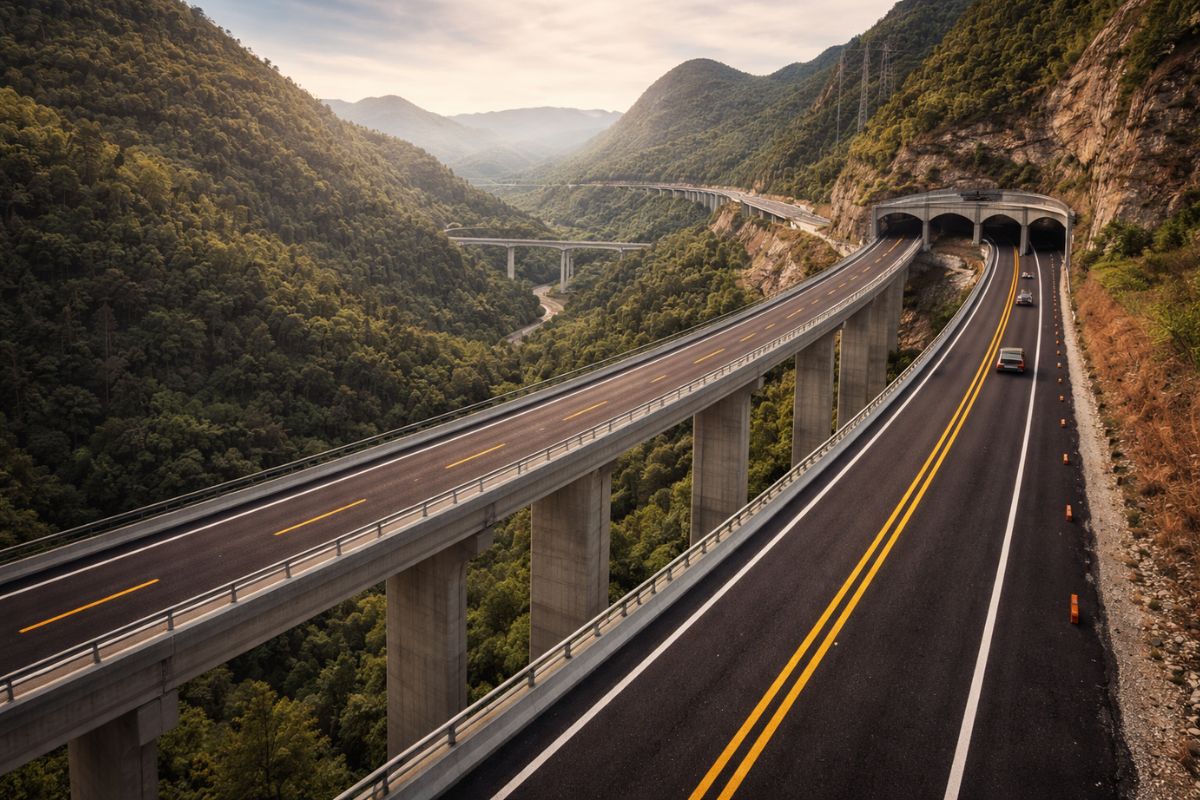
Espírito Santo will receive the largest engineering project in its history with the duplication of BR 262, which will have 50 viaducts, 28 bridges, and 2-kilometer tunnels cutting through the most challenging mountainous region of the entire state.
-
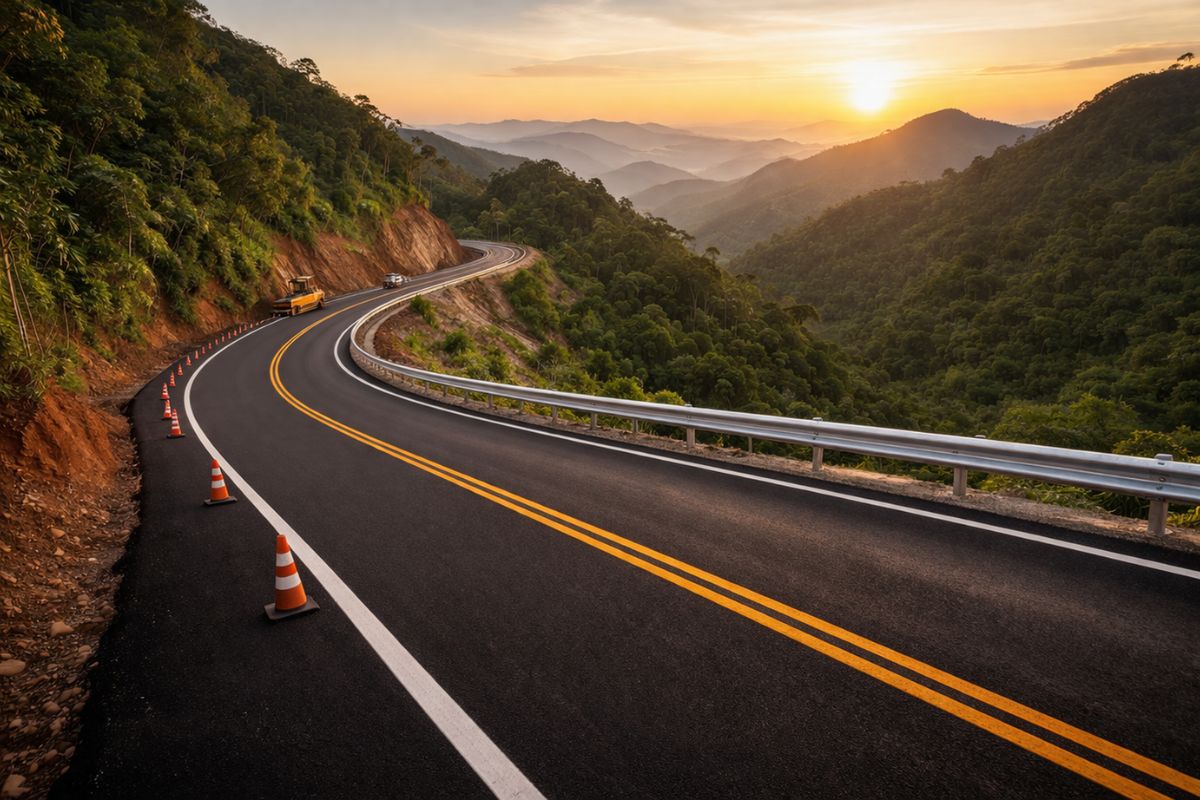
A project of nearly 9 million reais already has the first kilometer paved in Santa Catarina and promises to completely transform the access between Jaraguá do Sul and Rio dos Cedros in an area where tourism is growing at a rapid pace.
-
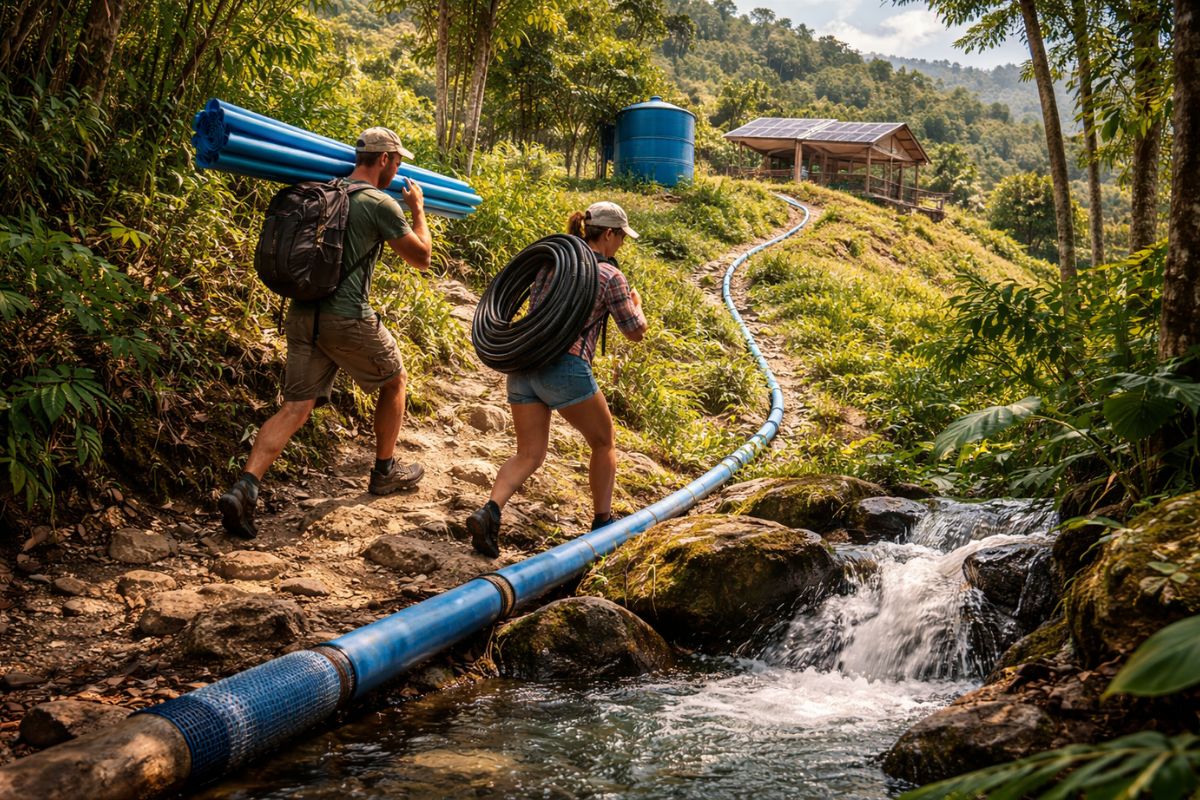
A couple builds a system to bring water from the spring to their land, climbs a hill with materials on their backs, and creates a simple, cheap, and sustainable solution to ensure their own water supply.

Salvador is the northeastern capital that launched the most residential units in 2021, with a total of 5,600, following the trend of a heated sector. Nevertheless, the city still ranks fifth in the list of capitals with the highest sales in the Northeast, according to the consulting firm Brain. According to Fábio Tadeu Araújo, managing partner of Brain, one of the reasons explaining why the capital of Bahia has not sold as much as it launched is the low stock of units.
Fábio Tadeu states that Fortaleza started 2021 with a larger stock, with about 6,000 units in inventory. Meanwhile, Salvador had 4,000 units in stock. Thus, one of the factors explaining why Fortaleza sold more is that the Ceará capital had more to sell, while Salvador took longer to eliminate inventory in 2021, thus lacking time for launches.
The presidential decree that made the construction industry an essential service during the pandemic was one of the reasons contributing to the positive scenario of last year. “We must talk about the importance of the construction industry not stopping for Brazil and for jobs. We increased the number of jobs by 15% during this period, which is very significant,” says José Carlos Martins, president of CBIC.
Challenges for the Construction Sector
However, in the coming months, this increase in job creation in the construction sector will have to face the problem of rising prices of inputs used in the construction industry, caused by problems in the industry during the pandemic.
According to Correio 24 horas, between July 2020 and March 2022, at least seven important inputs for the construction industry had increases of more than 75% in the capital of Bahia. The price increases are higher than Brazil’s inflation, which stands at 11.3% over the past 12 months, up to March.
However, the rise in prices of inputs used in the construction sector has not been fully passed on to end consumers, the buyers of properties, because the works carried out over the past year and in the first quarter of 2022 are the result of the business cycle initiated in July 2020, at a time when price increases were not as significant as they are now.
Among the municipalities analyzed by CBIC, Belo Horizonte, Rio de Janeiro, Salvador, Curitiba and São Paulo, Bahia’s capital stands out for having the least increase in residential property values. The increase was only 6% in the prices of properties sold in Salvador in the first quarter of this year compared to the same period in 2021, according to CBIC.








Seja o primeiro a reagir!