Portuguese
  Spanish




Building Materials Hit High Prices, Especially for Those Building in the Municipality of Jundiaí and Region
Compared to what was seen in the years 2020 and 2021, when the construction market was booming in Jundiaí, this year of 2022 shows a change in prices, as there has been a significant increase in the prices of building materials, especially basic ones like steel, sand, and cement.
According to the president of the Association of Companies and Professionals in the Real Estate Sector of Jundiaí and Region (Proempi), Paulo Oliva, it is not yet possible to set a general price increase at the beginning of 2022, but considering the main inputs, it is estimated that there has been an increase of 10 to 15% in the price of materials. Paulo says that one of the main reasons for this increase would be shipping costs.
Among all building materials, the main ones that saw price increases were those of the foundation. As Oliva mentions, cement and concrete blocks went up by 10%, concrete by 20%, steel by 15%, PVC pipes increased by 5%, and ceramic coatings also saw a rise. We cannot say that the price of materials is fixed. One of the points that may have directly contributed to the price increase is the decrease in service quality and the lack of skilled labor. Because of this, the construction sector, which had been growing significantly, has declined.
Fuel Price Increase Should Directly Relate to Higher Building Material Prices
A consumer at a building materials store, Antonio Carlos Marques Junior, reports that fuel causes a chain reaction. This general increase in fuel prices has led to higher prices for building materials. This occurs because materials that depend on transportation, such as sand and steel, incur fuel costs.
Clients Who Estimated Project Costs Gave Up Midway
With the rise in prices of building materials, many clients who had estimated a budget for their projects stopped after the price increases. Only those with available funds continued. Some even changed their plans, adjusted the built area, and there were those who intended to renovate, started, but then stopped.
The president of the Association of Building Material Merchants (Acomac) of Jundiaí and Region, Carlos Eduardo Fávaro, states that price adjustments are constant. According to him, construction has two essential elements: the first is cement and the second is steel. Both have seen higher prices, which have significantly impacted the projects. Cement has undergone two adjustments of over 10% in a month and a half, while steel has been rising every two weeks or weekly.
According to the JJ website, the problem of high material prices has also affected the derivatives of these materials. Cement is nearly R$ 40 and is used in the manufacturing of blocks, slabs, and mortar. Ready-mixed concrete now costs R$ 400 per m3, whereas before the pandemic it was R$ 180. Steel, which is also high-priced, is used to manufacture nails, wires, and tools.
Generally, Fávaro expects material prices to stabilize at the beginning of 2022; however, in April, prices are set to rise again. This can be explained by the fact that there was a lot of rain in January, which negatively affected sales since it is a sector that requires favorable weather conditions. In February, prices improved, and with the better pandemic scenario, people felt more secure to make purchases.
-
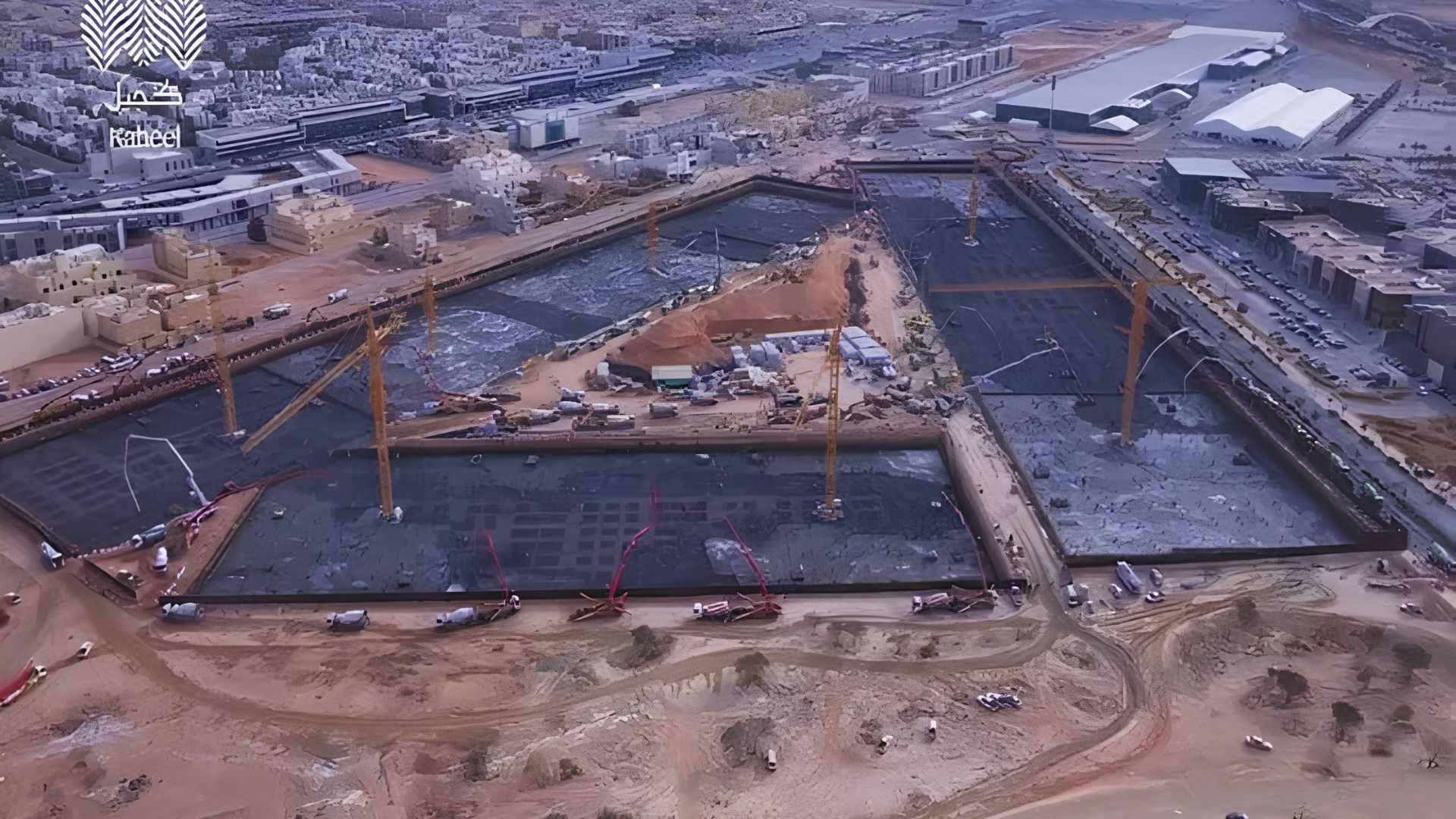
More than 6,000 trucks poured nearly 70,000 cubic meters of concrete without interruption for 72 hours to create the largest continuous concrete pour in history and erect a megaproject in Saudi Arabia.

-
28-meter, 156-ton titans traveled 20,000 km from China to the port of Santa Catarina: Portonave received 7 fully electric megacranes, part of a R$ 210 million package, to double container handling.
-
They exchanged the idea of a large house for a 35 m² warehouse, spent US$ 12,000 on the structure, and created a tiny house in Colorado with space to live and work.

-
A newly opened terminal in the middle of the Amazon has begun transporting soy and corn through Amapá, eyeing the queue of ships that is congesting the ports in the South.