





 Portuguese
  English
  Spanish
  4 min of reading
  112 comments





Construction Industry Faces a Crisis That Could Shake Its Foundation: The Lack of Skilled Workers. With Rising Costs, An Aging Workforce, and Difficulties in Attracting Young People, the Sector Could Face a Blackout.
Brazil may be heading toward a silent but devastating crisis: the shortage of skilled workers in the construction industry.
Despite being one of the pillars of the national economy, the sector faces a growing difficulty in hiring qualified professionals, which threatens the continuity of important projects and the growth of the real estate market.
The latest survey from the National System of Research on Costs and Indices of Construction Industry (Sinapi), conducted by IBGE, found an increase of 69% in labor costs over the last ten years.
-
Airfare prices may rise with increasing fuel costs, and the government is considering urgent measures to avoid a direct impact on the wallets of Brazilians.

-
Chocolate prices soar nearly 15% and become a luxury item for Easter 2026, with increases surpassing inflation and changes in Brazilian consumption habits.

-
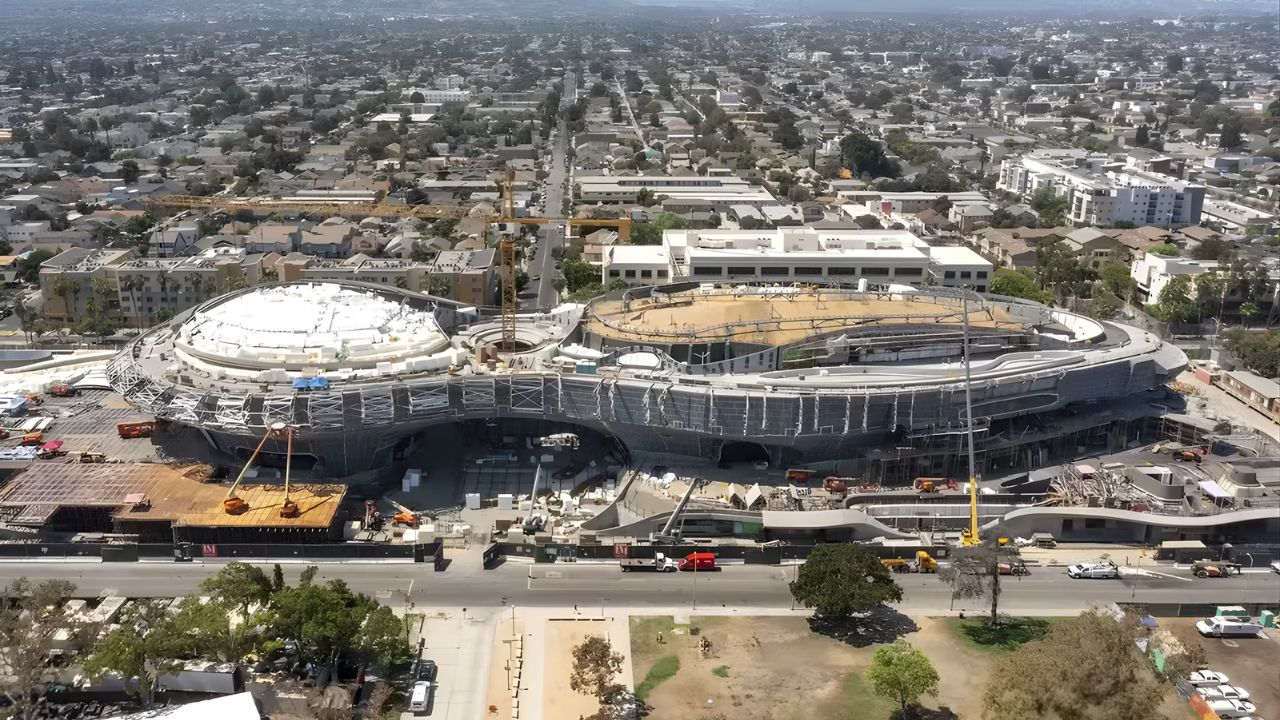
Created by George Lucas with over $1 billion, a futuristic museum in the shape of a spaceship with 1,500 curved panels is about to open in Los Angeles and will house one of the largest private collections of narrative art in the world.
-
The Federal Revenue issues a good alert for Brazilian taxpayers: 60.9% are already using the pre-filled tax return, automatic refunds via Pix reach millions, and the government plans for a fully automated income tax in the coming years.


This scenario reflects a threat that is already being felt by industry employers: 90% of them report difficulty in finding workers, according to a survey by Grua Insights.
The lack of bricklayers tops the complaints, followed by laborers and carpenters.
The Impact on the Sector
This labor crisis is not just a cold statistic in a report. According to the same study, 70% of companies had to postpone project deliveries in the last six months due to difficulties in hiring.
This generates a cascading effect that impacts investment planning, such as the estimated R$ 1.3 trillion that could be injected into the sector by 2029, according to estimates from the Brazilian Chamber of Construction Industry (CBIC).
Renato Correia, president of CBIC, highlighted during an event in Minas Gerais that the problem affects the whole sector, which employs about 2.8 million people, according to IBGE.
For him, one of the solutions would be to attract young people and informal workers to the construction industry, which offers one of the best entry-level salaries in the national market, second only to public service and technology sectors.
Young People Are Not Interested in the Construction Industry
Another point raised is the difficulty in attracting young people, whose profile has changed in recent years.
Today, the average age of workers in the sector is 41 years, according to the survey by Grua Insights.
Correia believes that, to win over this audience, it will be necessary to further modernize the sector, using technologies that attract young people to an increasingly industrialized and digital market.
“Today, the young prefer to work on the internet, become influencers, or pursue professions that require less physical effort.
But the construction industry is transforming rapidly and has a lot of potential to attract new talents,” explained the president of CBIC.
More Expensive Projects, More Expensive Properties
In addition to the labor shortage, rising costs directly impact the real estate market.
In November 2024, the cost per square meter in Brazil reached R$ 1,786.82, according to IBGE.
In Minas Gerais, the average value was R$ 1,684.62, but the accumulated increase in the last 12 months in the state exceeded the national average.
Felipe Boaventura, vice president of Labor Relations at Sinduscon-MG, emphasized that the lack of professionals increases project costs, whether due to higher wages or extended timelines.
He warned that this could cool the real estate market, as the middle and lower-income public, which makes up the majority of consumers, has low tolerance for price variations.
“Real estate sales in Belo Horizonte rose 60% in the third quarter of 2024, but a rise in costs could cause a significant retraction in the future,” warned Boaventura.
Aging Workers Worsen the Problem
Luiz Henrique Bombinho, a construction entrepreneur in Belo Horizonte, stressed that workers in the sector are aging and that younger individuals are seeking alternatives outside construction, such as ride-sharing apps.
For him, the sector needs to act quickly to avoid a blackout in the near future.
“The more experienced professionals are becoming slower, and many are already close to retirement.
If the sector does not attract new workers, we will have an even bigger problem in the coming years,” projected Bombinho.
How to Overcome the Blackout?
Modernization, coupled with the provision of better working conditions and training opportunities, is seen as the main path to preventing the sector from collapsing.
Renato Correia believes that investing in technologies and the digitalization of processes can transform the sector into something more attractive and competitive for young people.
In light of so many adversities, will the Brazilian construction industry be able to reinvent itself in time to avoid a collapse in the future?








Sabe qual é o problema disso tudo? E desvalorização do profissional, hoje às empresa querem pagar menos da metade do teto do engenheiro, aí querem mão de obra qualificada. Os engenheiros hoje em dia sabe que pra ganhar, tem que arregaçar as mangas e pegar suas próprias obrar, pequenas mas ainda ganha melhor que trabalhar pra muitas empresas nesse país. Sou aluno do último ano de engenharia civil, e digo que não vou me submeter a trabalhar pra empresa que pagam menos que o teto.
O principal obstaculo em nao atrair os mais jovens é o salario pago. Muito baixo para quem esta iniciando é uma profissao desgastante sem beneficios especiais alem dos empresarios e a propria populacao descriminarem estes trabalhadores tao essenciais na construcao civil tao quanto os engenheiros e arquitetos que sao também desvalorizados
O problema não é falta de mso de obra.
É o baixo salário oferecido pelos empresários que enxergam funcionários com pouco estudo e não valorizam essa mão de obra.
Os mais jovens migram para outros setores informais que pagam mais, juntando com o auxílio que o governo oferece (bolsa preguiçoso), compensa mais trabalhar quando quiser e do jeito que quiser.
Ofereçam salário justo, e verá que tem muita gente qualificada.
Agora querer pagar 2.000,00 a um pai de família para trabalhar em um serviço degradante, infelizmente não encontrará ninguém.