





 Portuguese
  English
  Spanish
  3 min of reading
  0 comments



Sector Faces Productivity and Innovation Challenges, But Decision Can Change the Future of the Industry
Despite representing 6% of the national GDP in 2024 and employing over 7 million workers, the construction industry still operates as if it were in the last century. Projects continue to be managed in spreadsheets, waste remains high, delays are common, and the lack of reliable data persists as a hallmark. Therefore, digital and cultural transformation has ceased to be an option and has become an immediate requirement.
Technical Investigation Reveals Old Barriers and Digital Solutions
The construction sector, according to the Brazilian Chamber of the Construction Industry (CBIC), has maintained historical bottlenecks since the 1990s, when economic reforms privatized part of the production chain. However, in 2023 and 2024, market studies showed that digitalization has already brought significant gains in projects that adopted BIM models and sensors connected via IoT.
These technologies allow for the prediction of delays, strict budget control, and even the anticipation of structural risks. Integrated data becomes central to ensuring predictability in deliveries, something increasingly demanded by investors, developers, and clients. Therefore, viewing innovation as a cost has become a strategic error.
-
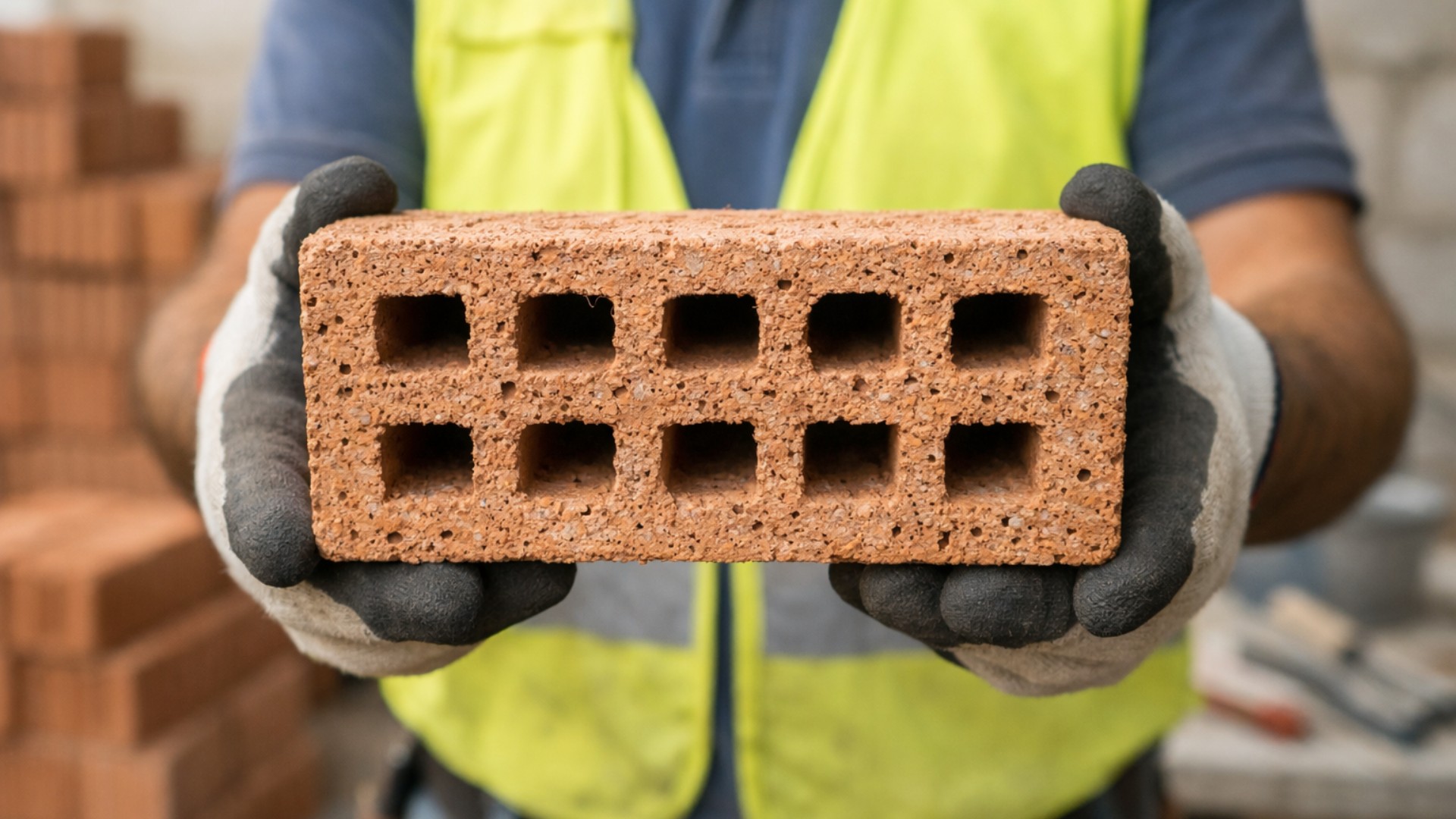
Scientists use sawdust mixed with clay to create a lighter brick, promising efficient thermal insulation and impressing by transforming waste into a solution for construction.
-
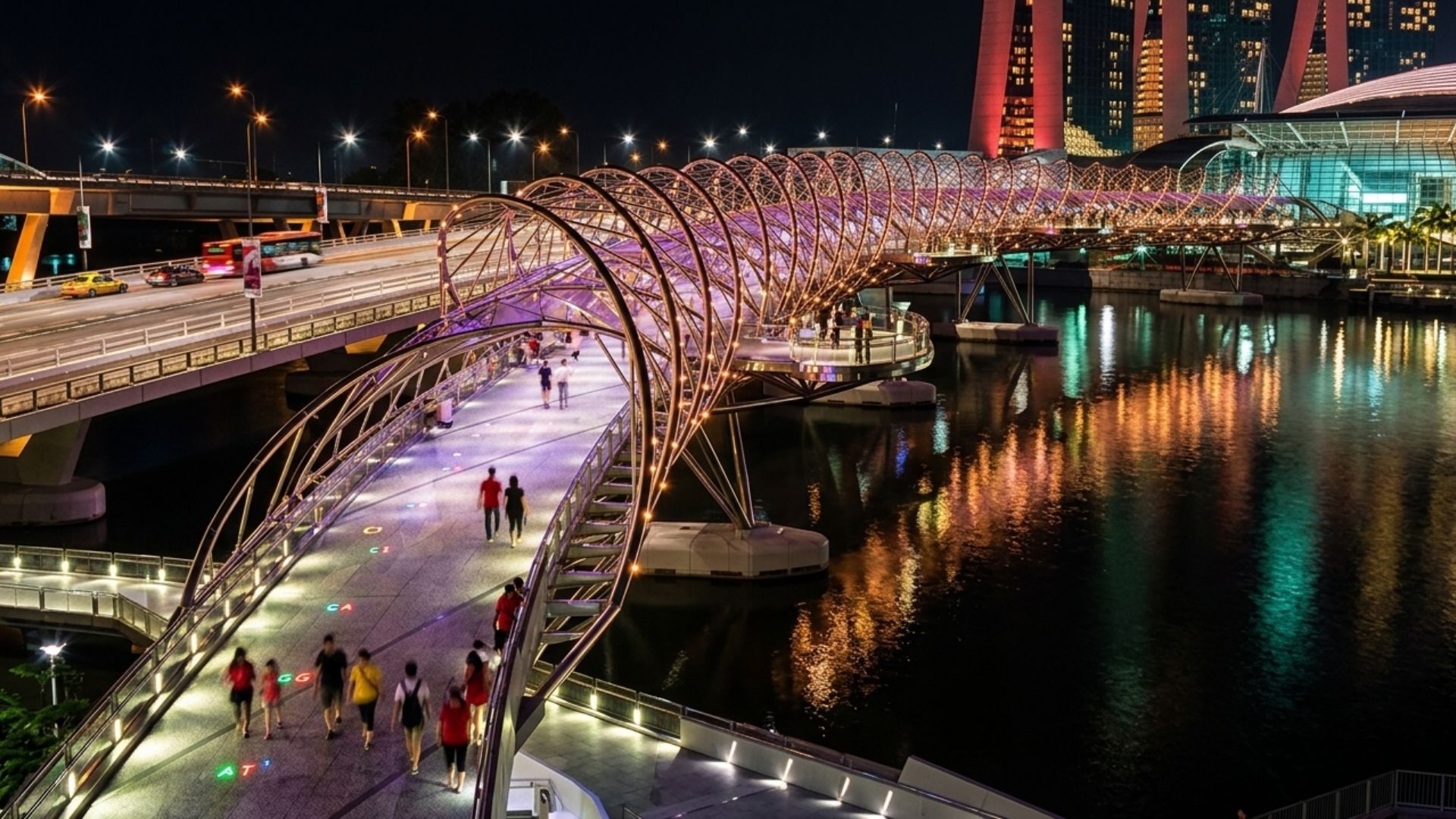
With a DNA shape, this bridge in Singapore draws attention in modern architecture and surprises tourists by transforming a simple crossing into an unforgettable visual experience in the urban heart.
-
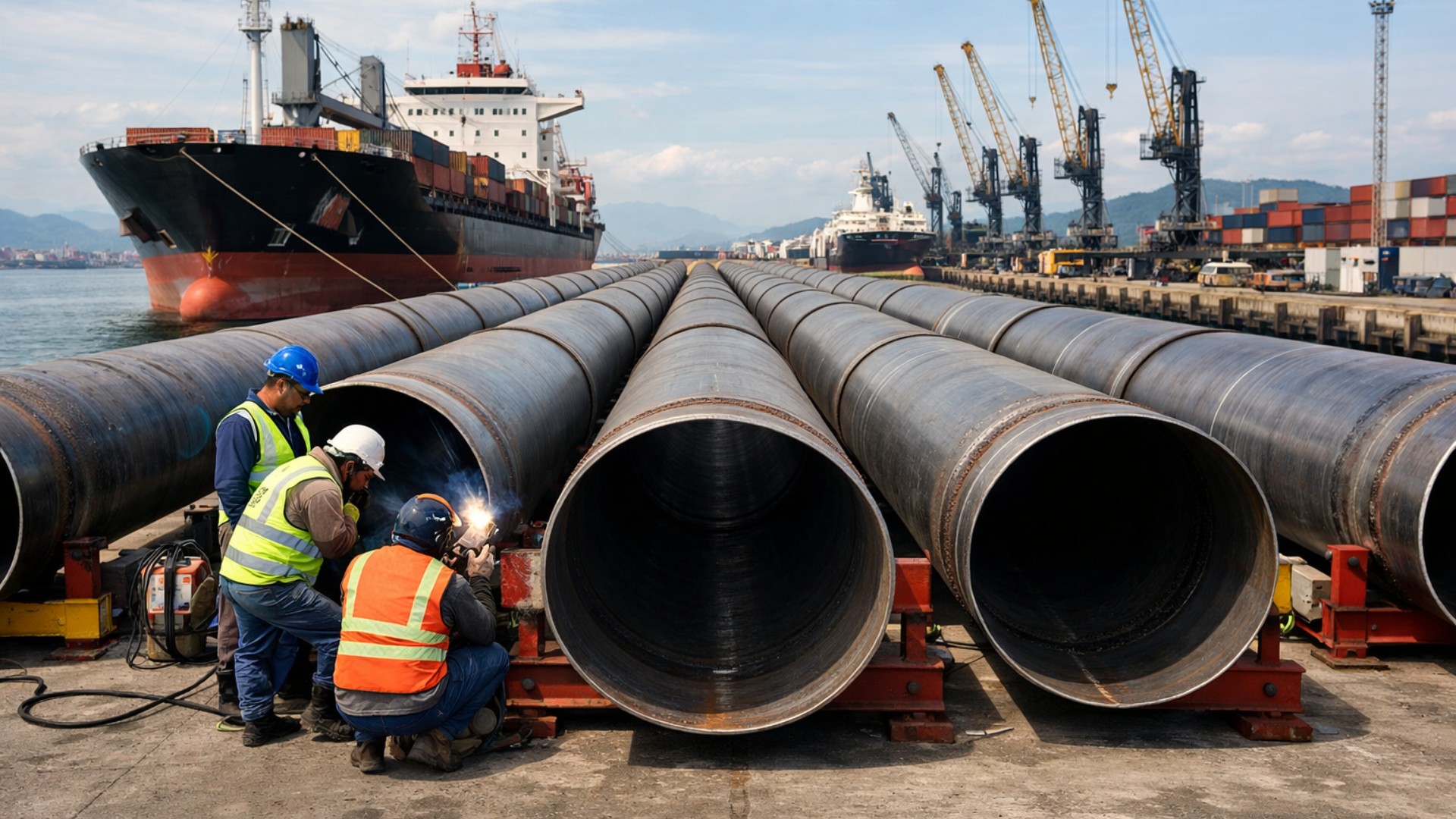
Giant underwater pipeline begins to take shape with a R$ 134.7 million project at the Port of Santos: the 1.7 km structure uses 12-meter and 700 mm pipes to supply water to 450,000 people in Guarujá.
-
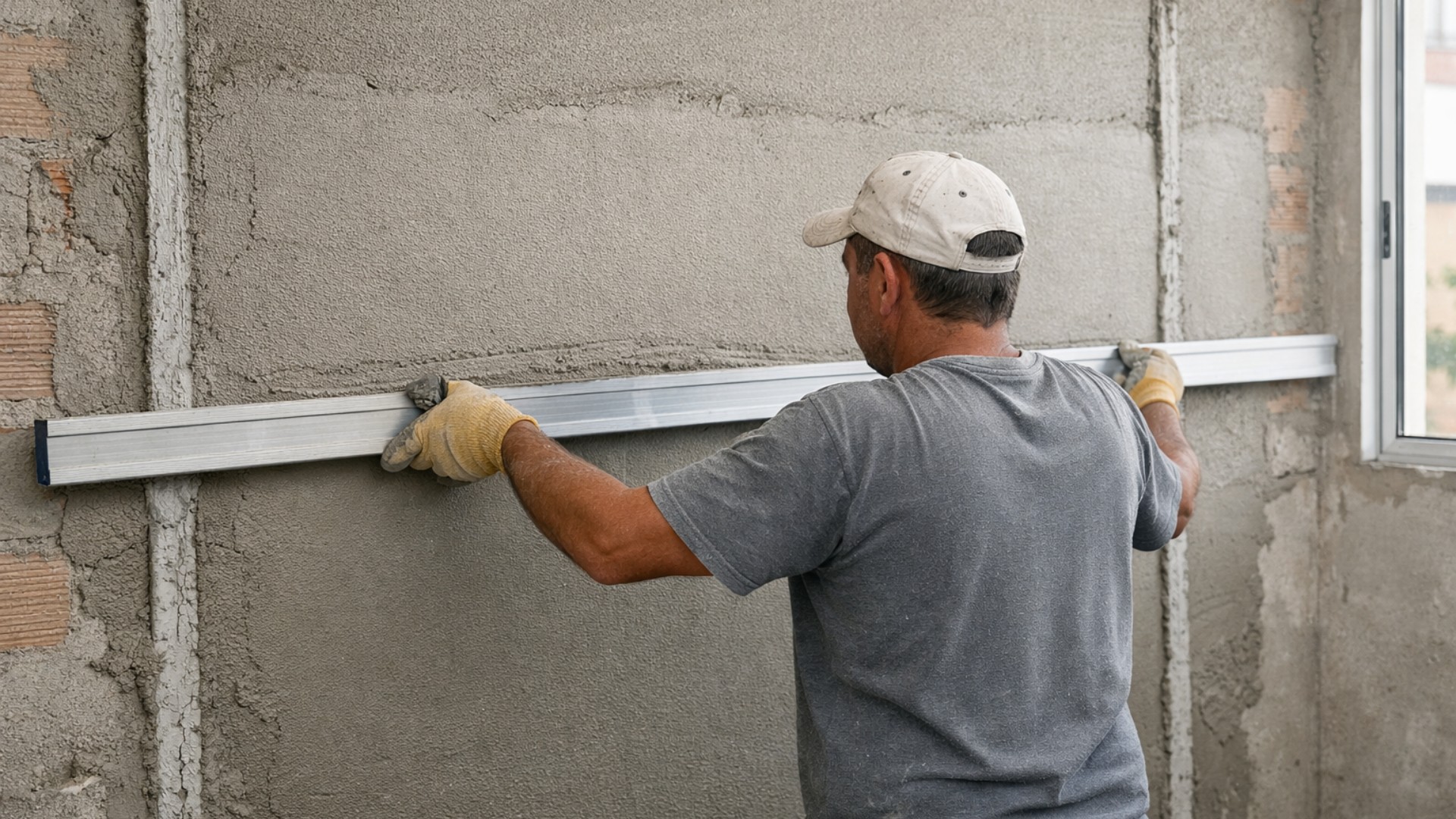
A mason reveals a professional plastering technique that uses aligned guides and a 3-meter ruler to plaster an entire wall in up to 3 hours, without visible seams, with uniform thickness, perfect plumb, and a finish ready for painting without rework.
Social and Cultural Impacts of Diversity in Leadership
However, the transformation of the sector is not limited to technology. The female presence in construction increased from 10% in 2018 to 14% in 2023, according to a report by CBIC. Nonetheless, the hierarchical and masculine culture still prevails.
Female leadership has shown that diversity is a competitive advantage. Studies conducted in 2022 by sector consultancies indicate that companies with women in leadership positions adopt more collaborative practices, increase focus on processes, and drive innovation. In this way, in addition to building projects, women are reconstructing business models and redefining work relationships.
Fragmentation of the Chain and Emergence of Construtechs
Another obstacle is the fragmentation of the production chain, composed of suppliers, subcontractors, and service providers. This structure complicates the standardization of processes and the application of technologies at scale. However, since 2020, construtechs and proptechs have begun to operate in specific niches, bringing solutions that range from cost control to sustainability.
Consequently, these agents create smarter and more collaborative ecosystems. The fragmentation, previously seen as a hurdle, becomes key to innovation and agility.
Future Marked by Data, Sustainability, and Strategic Decisions
According to experts interviewed in 2024, the future of the construction industry will not be defined by who builds faster or cheaper. On the contrary, it will be determined by who delivers with intelligence, predictability, and sustainability.
Thus, only with data at the center of operations, diverse leadership, and connected technologies will it be possible to transform the sector. The decision, according to analysts, is now: those who decide to invest in change will gain an advantage.
What Does the Future Hold for the Construction Industry?
The Brazilian construction industry, with historical weight and economic relevance, stands at a crossroads. On one side, there is the need to accelerate digital transformation, integrate data, and adopt innovation. On the other side, there is the urgency to ensure diversity, sustainability, and efficient governance.
Meanwhile, delays, waste, and cultural resistance show that the challenge is not technical, but one of decision. Therefore, the sector will need to balance productivity, innovation, and social impact to finally enter the 21st century.
And you, do you believe that the construction industry should prioritize immediate digitalization to boost the sector or advance at a more cautious pace, focusing on diversity and sustainability?









Seja o primeiro a reagir!