





 Portuguese
  English
  Spanish
  3 min of reading
  0 comments


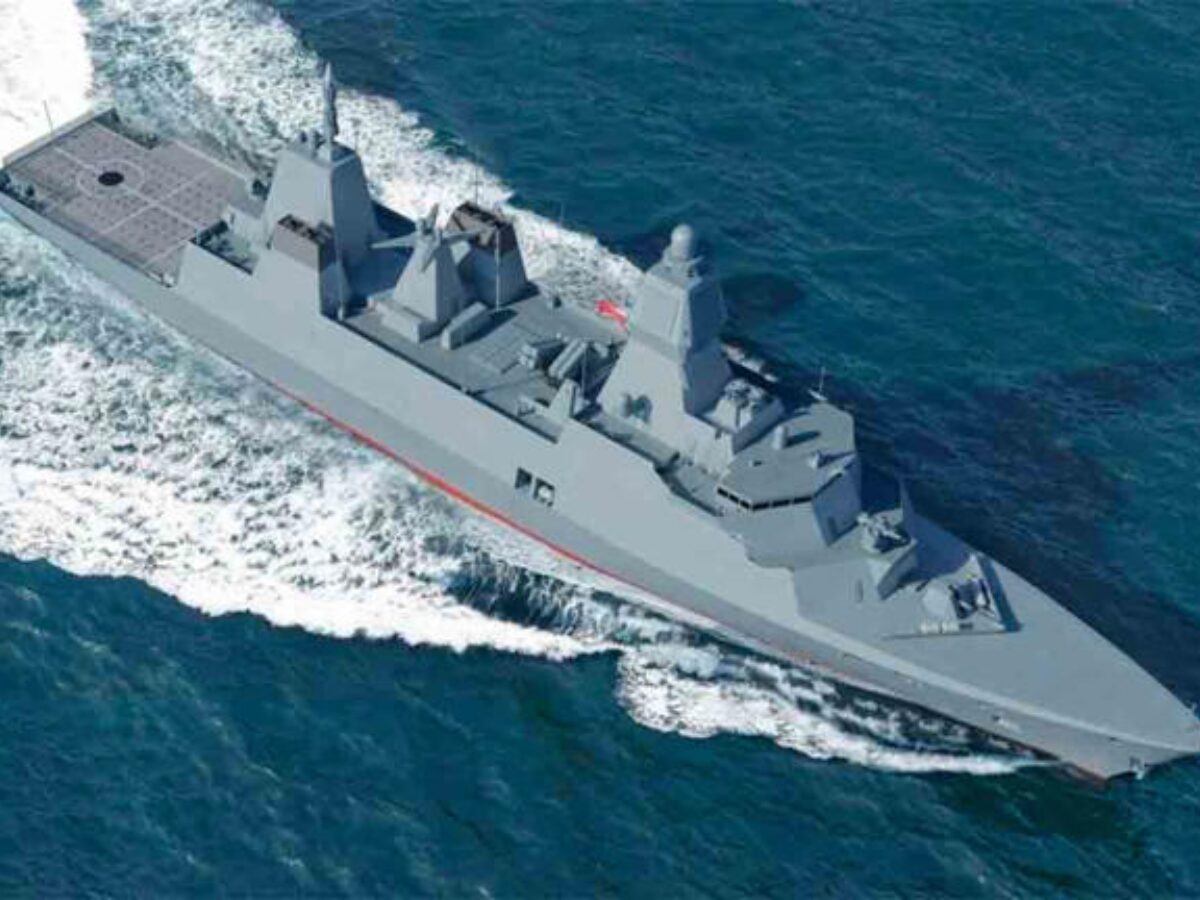
Poland Has Started Construction of the Second Miecznik-Class Frigate, Burza, Strengthening Its Navy with British Technology and Modern Armaments for Air, Naval, and Underwater Defense.
Poland has strategically advanced in strengthening its navy by officially starting the construction of the second frigate of the Miecznik class, which will be named Burza (“Storm”), enhancing its defense and deterrence capabilities in the Baltic Sea.
The Polish Ministry of Defense confirmed this week the start of construction of the Burza frigate, the second vessel of the ambitious modernization program of the Polish Navy. The symbolic milestone was the cutting of the first metal sheet, carried out at the PGZ Shipyard in Gdynia, the same site where the first frigate of the Miecznik class is being built.
Although the ceremony did not include the keel-laying, it represents a decisive step in consolidating the project aimed at strengthening Poland’s naval presence in the Baltic Sea region against modern threats.
-
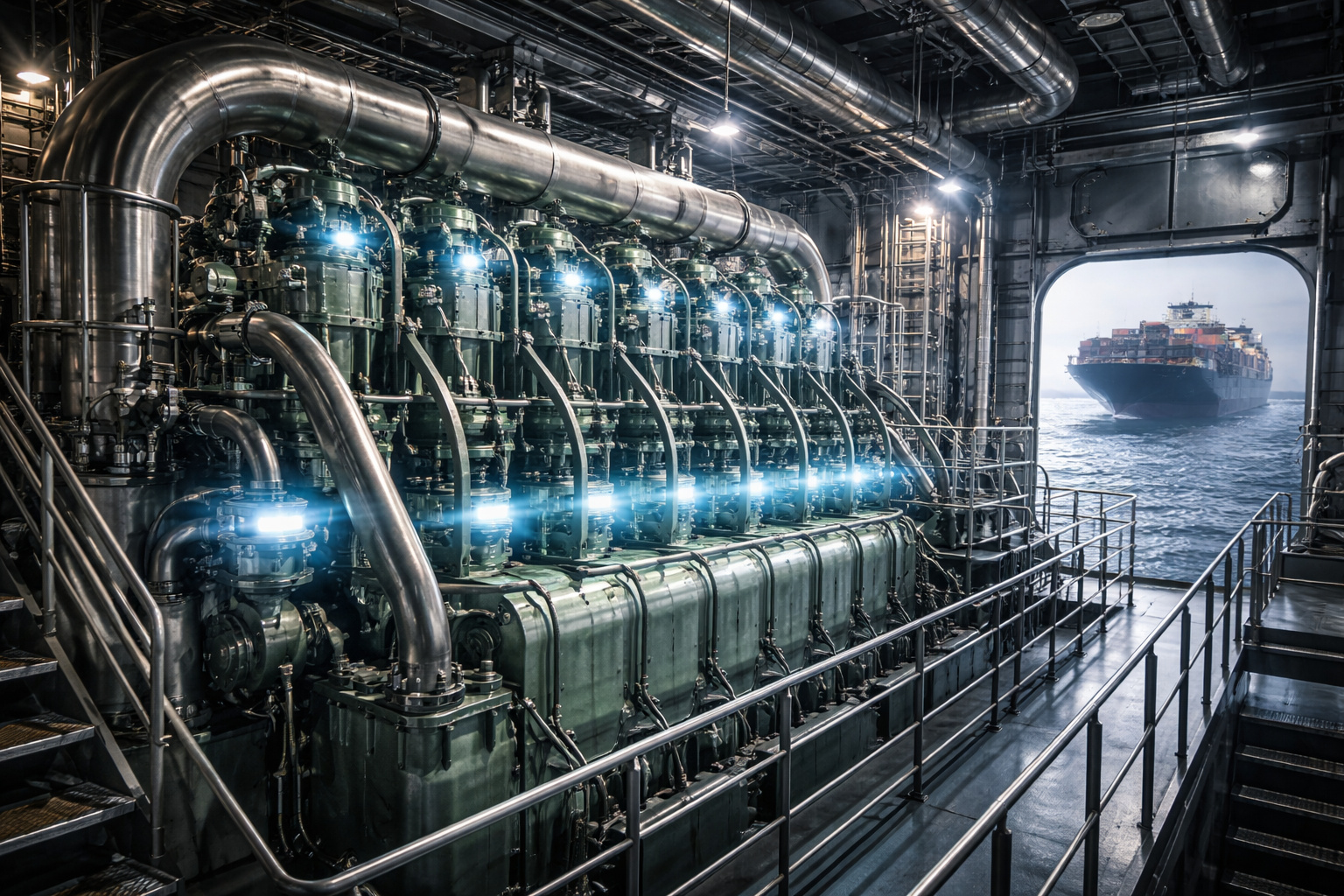
Europe is trying to create an ammonia-powered marine engine without auxiliary fuel, which could unlock the race for giant emission-free ships. The technology aims to eliminate one of the biggest obstacles to clean maritime propulsion.
-
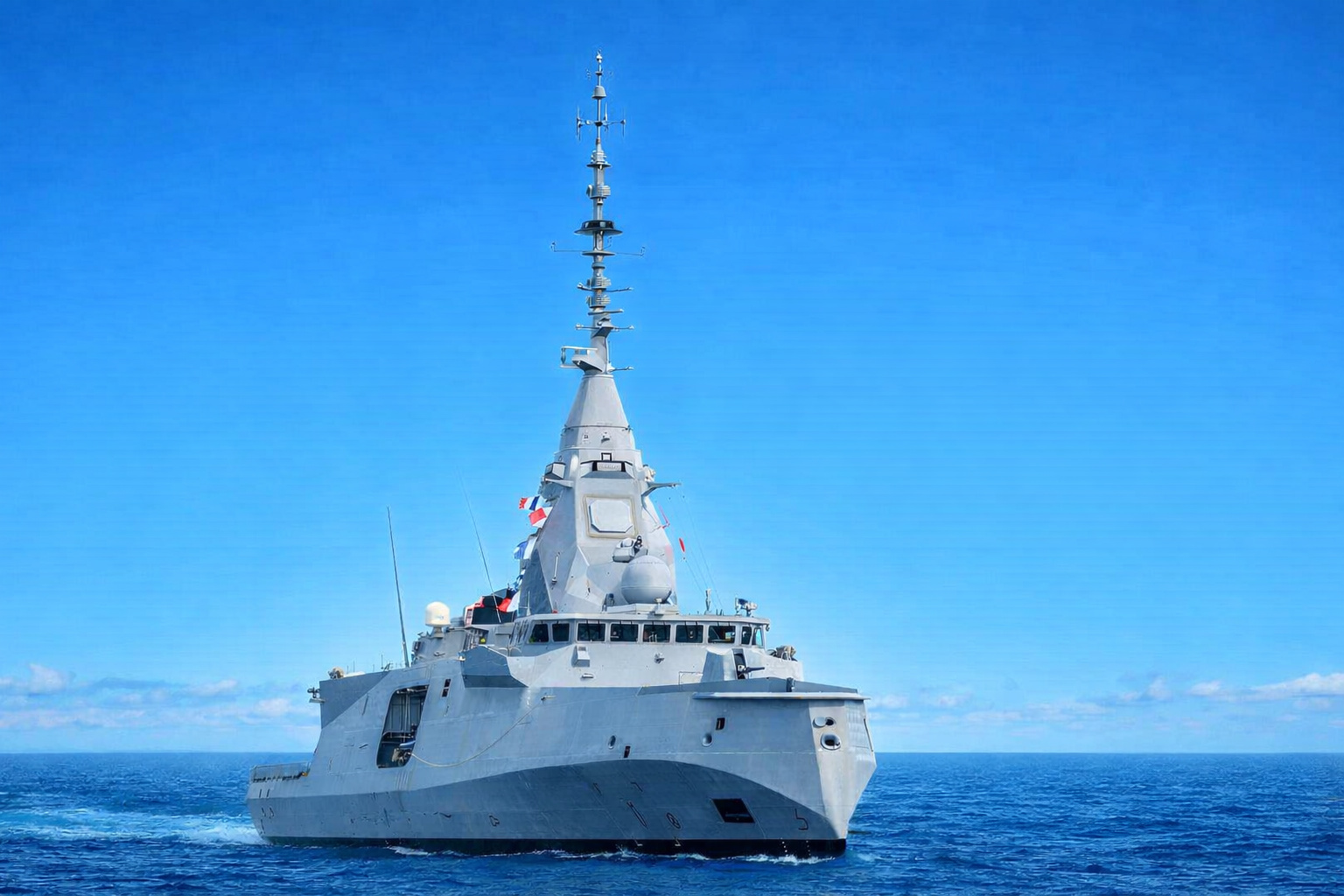
A 4,500-ton frigate with just over 100 crew members, state-of-the-art radar, and cruise missiles is being touted as the new standard of naval warfare in the 21st century.
-
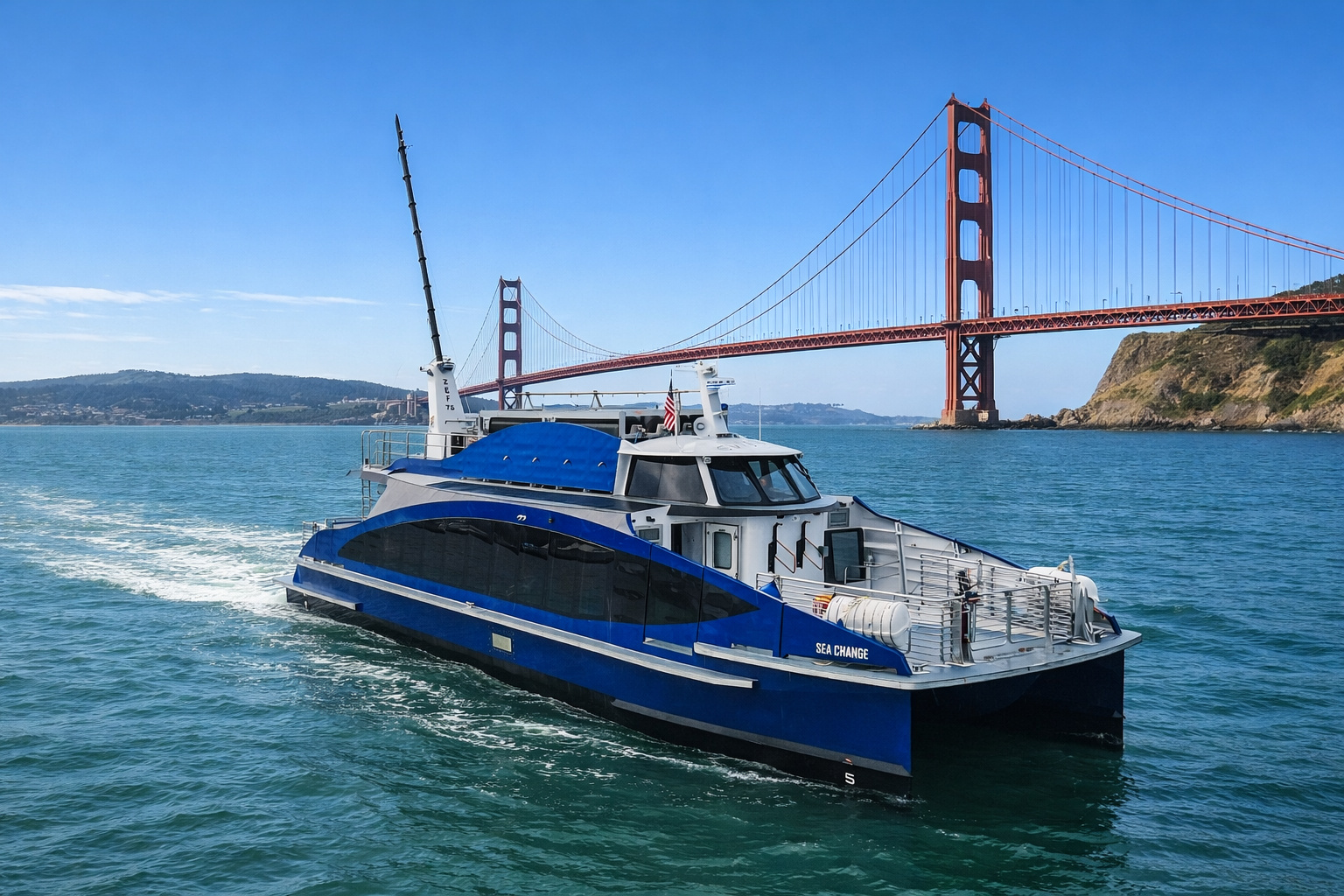
The first commercial hydrogen-powered ferry enters operation in the U.S., eliminates the use of diesel, uses fuel cells to generate clean energy on board, and transforms San Francisco Bay into a landmark of the new era of emission-free navigation.
-
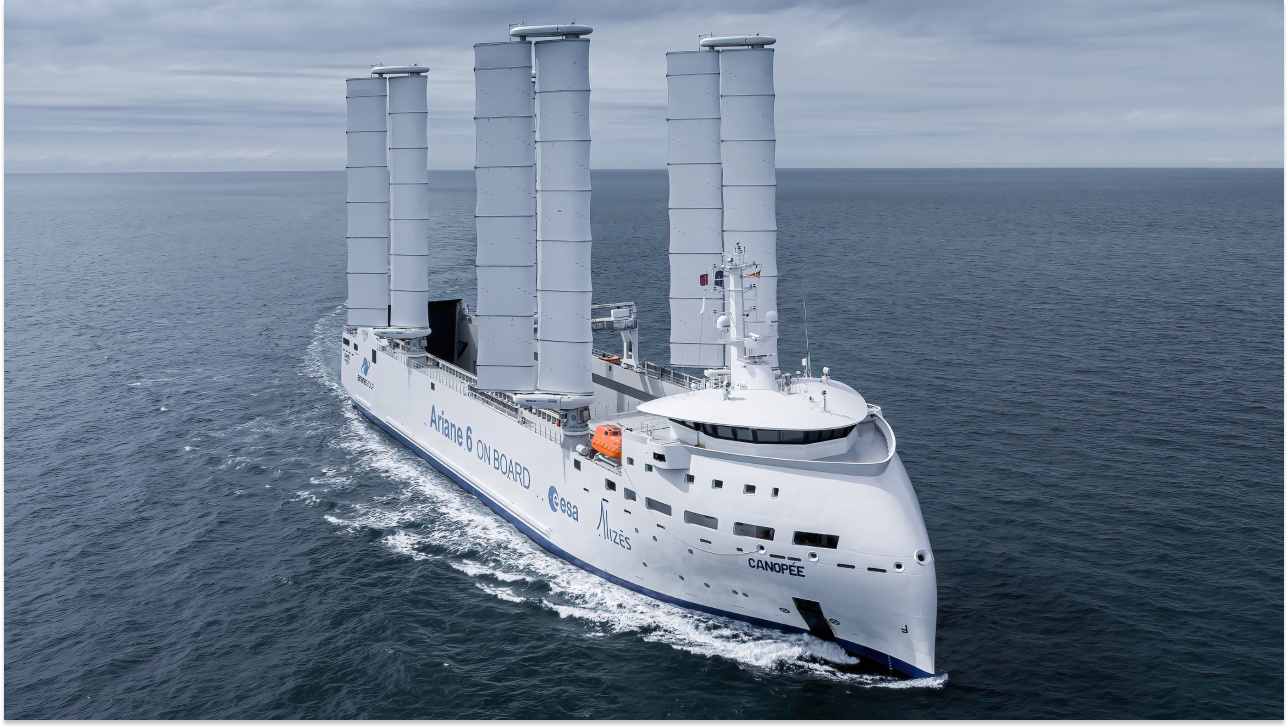
With a length of 121 meters and four rigid sails of 36 meters that automatically rotate to capture the wind, Canopée is the world’s first hybrid industrial cargo ship powered by wind, used to transport rockets and reduce fuel consumption by up to 30% on transoceanic routes.

Frigate Burza Is the Symbol of the New Era of the Polish Navy
The Miecznik class is based on the established British design Arrowhead 140, developed by Babcock.
The adoption of this model reflects the choice of a tested solution, adapted to the specific needs of the Polish Navy, and represents a technological leap compared to the ships currently in service.
In total, the program plans to construct three multifunctional frigates, with the first expected to be launched in 2026.
The Burza will be a robust vessel, with a displacement of up to 7,000 tons, a length of 138.7 meters, a beam of 19.7 meters, and a draft of 5.5 meters.
The crew will consist of between 100 and 120 sailors, with a total accommodation capacity for up to 160 people.
Its autonomy will allow it to operate for up to 30 consecutive days at sea, with a maximum estimated speed of 26 knots and a range of up to 6,000 nautical miles.
Air, Naval, and Underwater Combat Capability
Designed to face multiple threats, the Miecznik class will be equipped with state-of-the-art armaments. The Burza will be outfitted with:
- Leonardo 76mm Super Rapid Gun, effective for short-range defense;
- 16 RBS-15 anti-ship missiles as the main offensive armament;
- Mk.41 VLS launcher with 32 cells, compatible with missiles from the CAMM family, cruise, and interceptors.
This configuration ensures Poland a modern naval capability, ready to protect its maritime territory and conduct missions in cooperation with NATO allies.
Timeline
Although the start of construction of the Burza was marked only by a symbolic cutting of a sheet, the event represents an important milestone within the program’s timeline.
The expectation is that the first frigate of the Miecznik class will be delivered between 2028 and 2030, while the second — the Burza — is expected to be completed throughout the 2030s.
With this, Poland strengthens its presence in the Baltic Sea and continues the modernization of its naval forces.
Source: MSN







Seja o primeiro a reagir!