





 Portuguese
  English
  Spanish
  3 min of reading
  27 comments


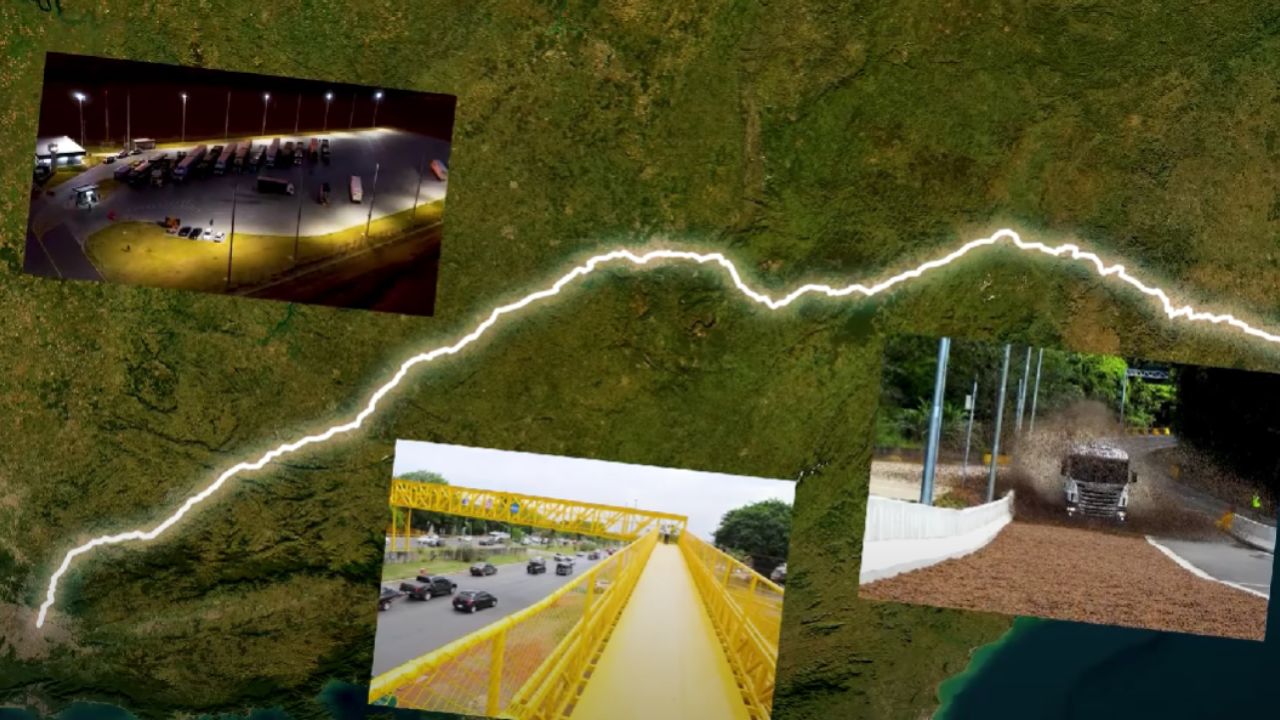


With an Investment of Up to R$ 10 Billion, the Construction of the Duplication of BR-381 Promises to Transform 562 Km of Dangerous Roads into a Modern, Safe, and Efficient Highway, Generating Over 83 Thousand Jobs and Revolutionizing Logistics in Brazil by 2028.
BR-381, famous for its feared reputation and nicknamed the “Highway of Death,” is about to transform. On January 22, 2025, the concession was signed, marking the beginning of Brazil’s largest highway duplication project, with investments that could exceed R$ 10 billion over the next 30 years. But what does this change represent for drivers and Brazilian infrastructure?
If you have ever driven on BR-381, you know it is more than just a highway: it is a true challenge. Winding curves, single-lane roads, and lack of maintenance make the journey not only slow but also dangerous. Now, with construction underway, the promise is for a safer and more efficient future. Will this project really transform the “Highway of Death” into a symbol of progress? Let’s understand the details.
What is BR-381 and Why is it Known as the Highway of Death?
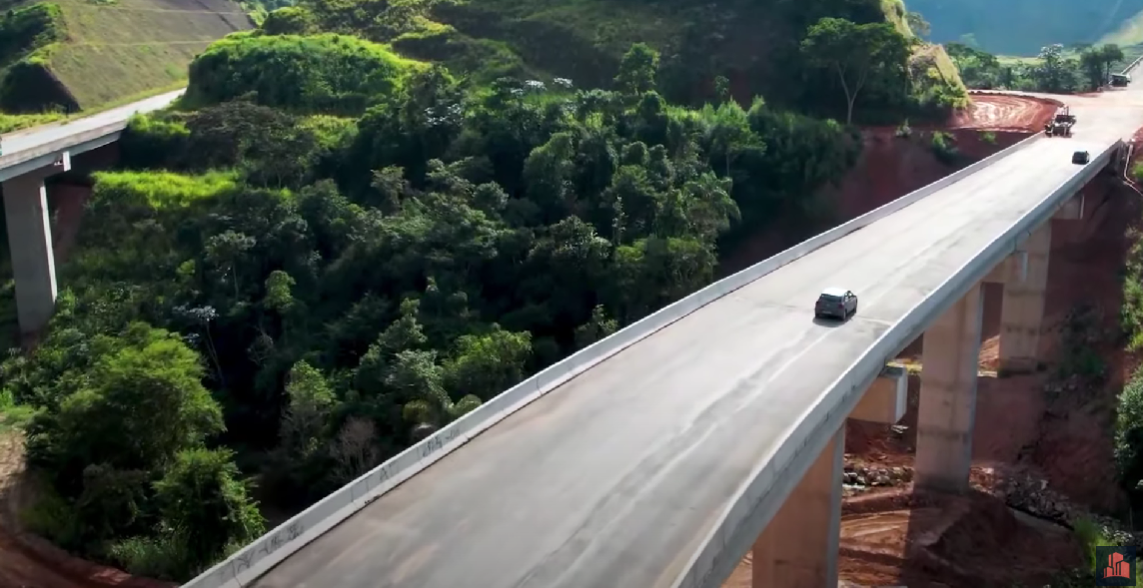
BR-381 connects Minas Gerais to São Paulo and Espírito Santo, cutting through important industrial hubs like the Steel Valley. With its 562 km stretch, it is one of the busiest highways in the country, transporting about 24,700 vehicles per day. Despite its strategic importance, the winding layout and outdated infrastructure have earned the highway the dreaded nickname “Highway of Death.”
-
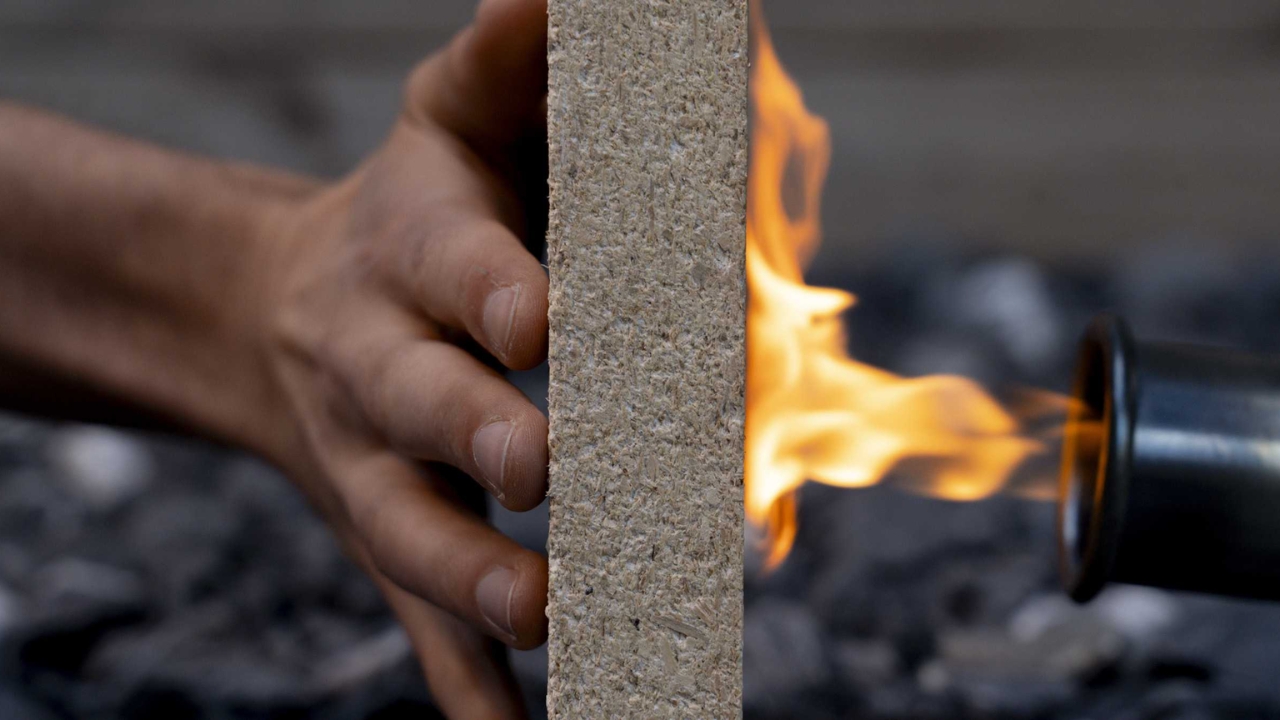
Scientists transform sawdust into fire-resistant panels, stabilize the compound with an enzyme extracted from watermelon seeds, and turn waste into promising material for construction.
-
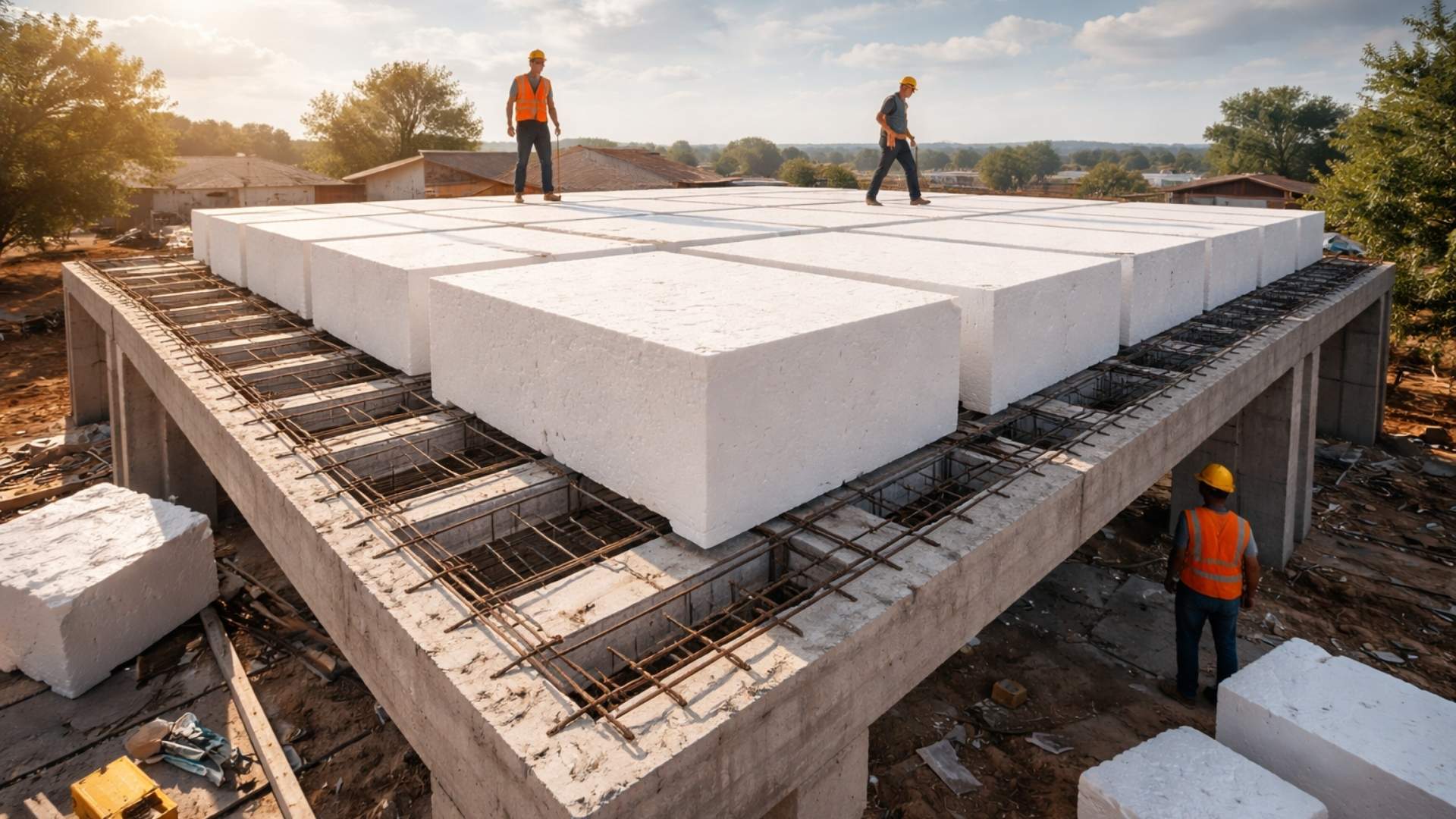
Forget concrete: architects are replacing tons of concrete with giant blocks of expanded polystyrene to build the roofs of houses and reduce structural weight by up to 50%, cut costs, improve thermal insulation, and speed up construction.
-
The Brazilian state enters the center of the global race for critical minerals by starting the construction of the largest underground nickel mine in Latin America, a mineral essential for electric car batteries that the entire world is competing for at this moment.
-
New CCR concrete paving technology promises roads up to 3x more durable, less maintenance, and cost reduction in Brazil.


Historically, the lack of duplication and fatal accidents have turned BR-381 into a logistical bottleneck and a nightmare for drivers. The precarious conditions have not only impacted lives but also hampered the flow of goods and products, raising costs for businesses and consumers.
Key Details of the Duplication Project
The duplication of BR-381 is a milestone for Brazil. Under the concession of Nova 381, the project envisions modernizing 106 km of highway, creating 83 km of additional lanes, and building new walkways, escape areas, and rest points for truck drivers.
Furthermore, the work includes adjustments to the layout to smooth out dangerous curves, making the route safer and more efficient. Initial investments total R$ 900 million by 2028, but the total project potential can reach R$ 10 billion. With carefully planned timelines, the promise is to deliver a modern highway without compromising the flow of vehicles during construction.
Another highlight is the incorporation of cutting-edge technology. Operation Control Centers (CCOs) will be installed, responsible for monitoring the highway in real-time with cameras and sensors. These systems will ensure greater efficiency in emergency management and traffic.
Economic and Social Impacts of the Project
The duplication of BR-381 is not limited to road safety. It is estimated that the project will generate about 83,500 direct and indirect jobs over the years. This will boost the local economy, especially in municipalities that rely on the highway for goods transportation.
Additionally, modernization will reduce logistics and operational costs, increasing the competitiveness of industries and improving integration between states. For drivers, the greatest benefit will be safety, with a wider, well-signposted highway and adequate support points.
Comparing BR-381 with Other Duplicated Highways
A notable example of success in duplication is the Imigrantes Highway in São Paulo. Inaugurated in 1976 and duplicated in 2002, it overcame geotechnical and environmental challenges to become one of the most efficient highways in the country. While the Imigrantes faced geographical barriers, the focus of BR-381 is on correcting dangerous curves and eliminating critical bottlenecks.
Both projects demonstrate that modern infrastructure is essential for economic development and driver safety. However, the duplication of BR-381 also aims to mitigate a dark history of accidents, something that goes beyond mere modernization.








Quero ver se vão fazer obras na 381 de são Matheus ES até BH, e outra, o problema maior é o perímetro Urbano de BH que não está na licitação.
Matéria fajuta! Essa repórter pode voltar pro prezinho, não sabe nada do assunto.
O trecho concedido não é de 562km, de GV a Caeté da 260km e o restante até BH vai ficar por conta do governo federal, devido a complexidade do projeto.
Só de BH a SP são mais de 600km, essa Rafaela é estagiária? Kkkkkkkkkk kkkkkkkkkk kkkkkkkkkk kkkkkkkkkk
Esses projetos não sai do papel, esses e outros, quem ganha muito dinheiro são a empresa projetistas.