





 English
  Francês
  Alemão
  Italiano
  Japonês
  Norueguês
  Portuguese
  Spanish
 3 min of reading


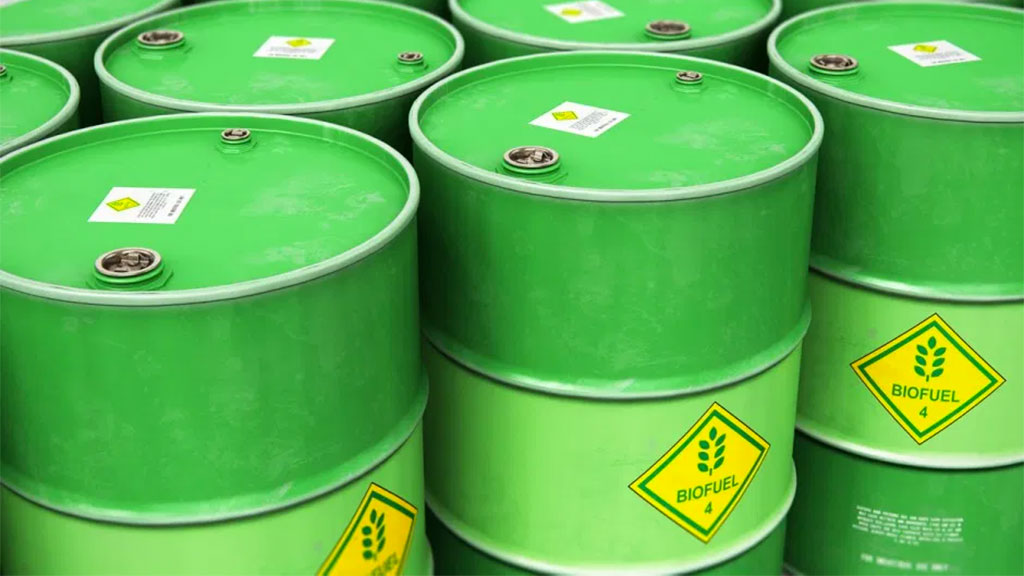
In Maringá, In The State Of Paraná, Cocamar Is In The Process Of Constructing A New Biodiesel Plant, With An Estimated Production Of 300 Tons/Day Starting In December
Cocamar Agroindustrial Cooperative is in the process of constructing a new biodiesel plant in the city of Maringá, located in the state of Paraná. The unit, which is expected to produce 300 tons per day, will have investments of R$ 40 million in the 2020/2025 planning. The new plant in the biofuel sector is scheduled to start operating in December, still in 2021.
Biodiesel Plant Construction In Paraná
The construction of the new plant by the Agroindustrial Cooperative in Paraná will be fully automated, so it can extract, on average, oil from 1,500 tons of soybeans every day. Valdemar Cremoneis, the industrial executive manager of Cocamar, said that within the same planning cycle, the increase of 50% in the crushing capacity of soybeans in the industry is expected to rise from 3,000 tons to 4,500 tons. According to him, this way, they will have more raw materials to supply the biodiesel plants and retail oil production.
The business director of the cooperative, Anderson Alves Bertolleti, stated that for the cooperatives, the biodiesel plant in Paraná will be a new business opportunity, allowing them to add more value to their production. He emphasized that the cooperative is moving towards the vertical integration of the soybean complex.
-
Expansion of Federal Institutes: 38 new campuses and R$ 200 million for public education; see the cities included.

-
Lula’s government changes rule in important benefit and thousands of Brazilians will no longer receive it; see what has changed.

-
New Gripen fighter makes Argentines surrender to Brazil, and the heavy reaction exposes envy, frustration, and shock at Brazil’s technological leap.

-
This discovered deposit near the Andes could change the future of Argentina, attract billions, and even shake up the global metals market.


This year, Cocamar Agroindustrial Cooperative is expected to process 1 million tons of grains in its plant, a figure that represents more than half of the 1.7 million tons projected for the 2020/21 harvest.
Biodiesel Inclusion Program
Producers who own a small area of land and registered before 11/18 are entitled to the “social seal,” and each sack of soybeans will receive an additional R$ 1.20. This program applies to properties with up to four financial modules of Pronaf (National Program for Family Agriculture) and with the DAP (Declaration of Eligibility for Pronaf) active and the CAR (Rural Environmental Registry) active. The Social Seal is an interministerial plan of the Federal Government to promote the integration of biodiesel into Brazil’s energy matrix and strengthen family farming.
Cocamar Agroindustrial Cooperative: The company was founded on March 27, 1963, and is located in Maringá, Paraná state. Initially, it gathered 46 founders, all coffee producers. The goal is to organize regional production, receive products, and benefit from them. Over time, the cooperative has recognized business diversification and continued to grow. Today, the Cocamar plant has over 80 operational units distributed across the northern and northwestern states of Paraná, western São Paulo, and Southwestern Mato Grosso do Sul.
MME Temporarily Reduces Biodiesel Blend In Diesel
The Ministry of Mines and Energy (MME) reported that, after auction 79, the biodiesel blend in diesel will be temporarily reduced from 13% to 10%. Although the Brazilian soybean harvest – one of the main raw materials for biodiesel – is expected to grow to about 136 million this year, global market demand remains strong, leading to a temporary reassessment of the fuel blend ratio, according to the investment portfolio of the Ministry of Agriculture.
This would not be the first time the blend has been altered. In August, the bidding was canceled by the ANP. At that time, Bento Albuquerque, Minister of Mines and Energy, announced the reduction of the diesel blend, citing issues with soybean supply. Brazilian biodiesel is sourced mostly from soybean oil, accounting for about 71%, while the rest consists of tallow and other fats. Read the full article here.







Seja o primeiro a reagir!