





 Portuguese
  English
  Spanish
  2 min of reading
  0 comments


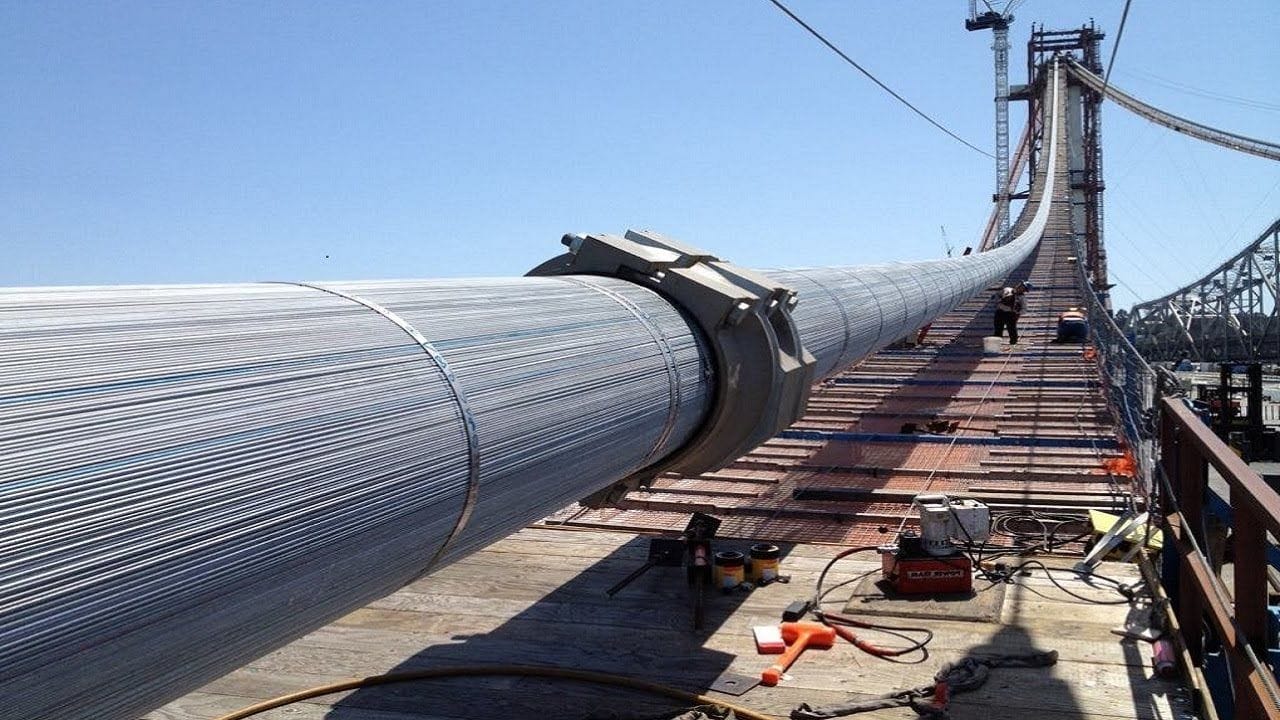
The Bridge That Connects San Francisco to Oakland Is More Than an Engineering Feat; It Is a Testament to the Human Spirit and the Insatiable Search for Overcoming.
The construction that links San Francisco to Oakland, two iconic cities in the United States, marks a new chapter in traffic engineering with its impressive structure that extends for 7.18 km. With seven traffic lanes in the west section and ten in the east section, this work not only highlights technological advancement but also human capacity to overcome geographical and natural challenges.
A Giant in the San Francisco Bay in the United States

Strategically located in the San Francisco Bay, California, the San Francisco-Oakland Bay Bridge is one of the most notable constructions in the region. Serving as part of Interstate 80 and facilitating a direct route between San Francisco and Oakland, the bridge supports a daily flow of about 260,000 vehicles. This engineering landmark not only physically connects two cities but also unites cultures, economies, and histories.
Engineering and Construction
The bridge is divided into two main sections: the western crossing, with two suspension spans linked by a central anchorage, and the eastern part, originally a cantilever bridge replaced by a new structure after earthquake concerns. The innovation does not stop there; the design includes a viaduct, a tunnel through the rocky hill of Yerba Buena Island, followed by more viaducts, exemplifying the versatility and adaptation to the challenging environment of the bay.
-
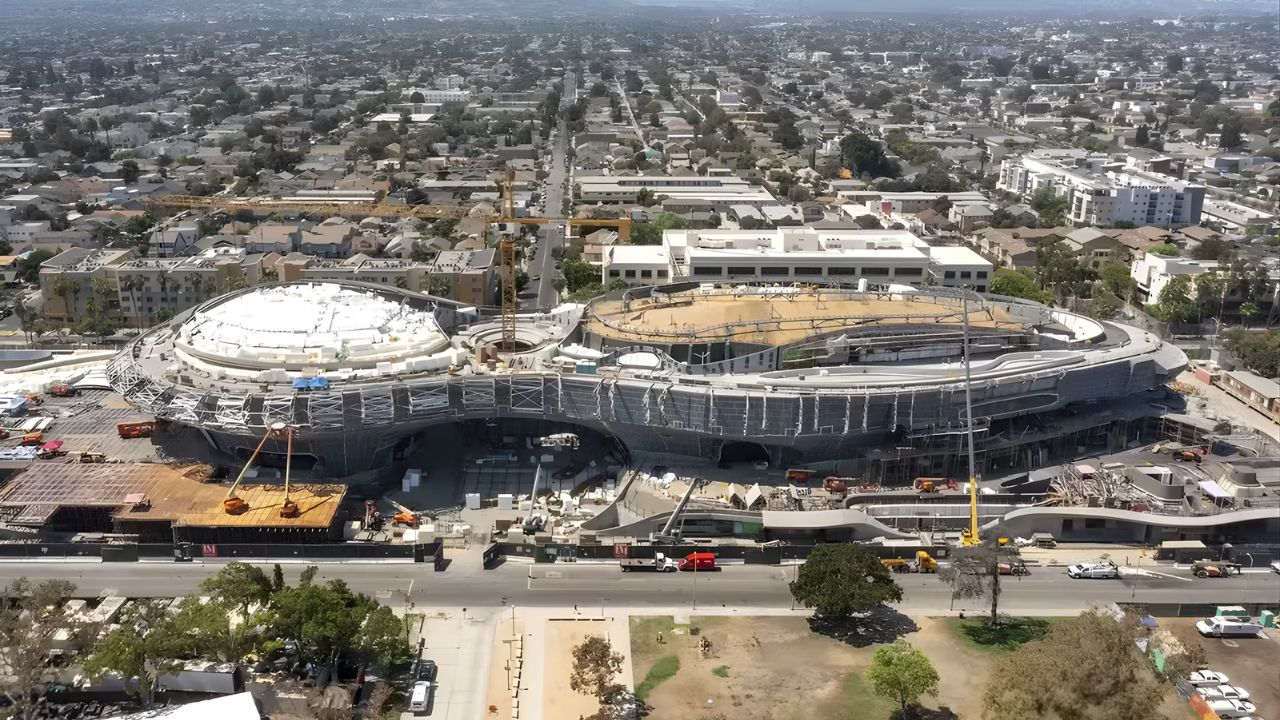
Created by George Lucas with over $1 billion, a futuristic museum in the shape of a spaceship with 1,500 curved panels is about to open in Los Angeles and will house one of the largest private collections of narrative art in the world.
-
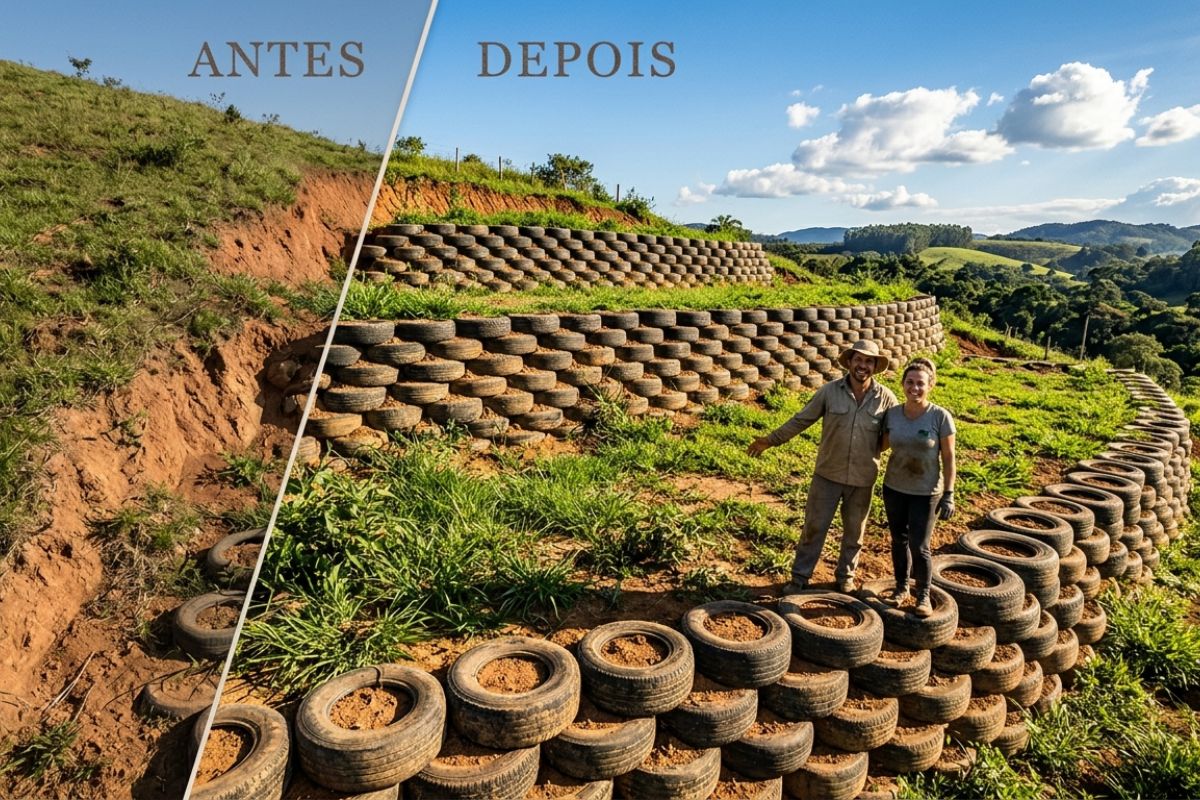
Couple shows how they built a retaining wall on their property using 400 old tires: sloped land turned into plateaus, tires are aligned, filled, and compacted with layers of soil, with grass helping in support and at almost zero cost.
-
Engineer explains drainage during the rainy season: the difference between surface water and deep water, ditches, gutters, and water outlets on the road, as well as drains and drainage mattresses, to prevent erosion, aquaplaning, and flooding at the construction site today.

-
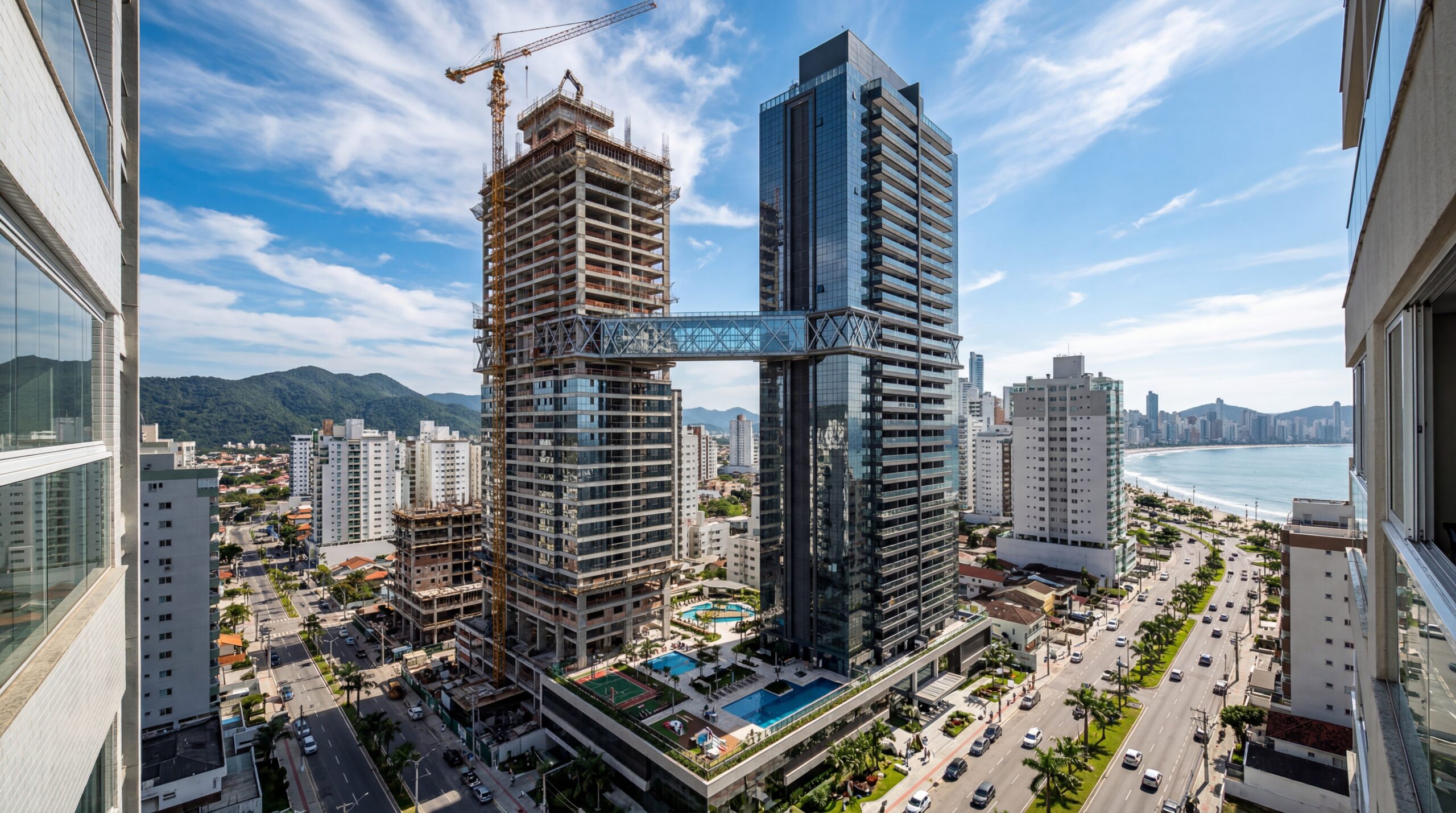
With 55 floors, 177 meters in height, a 15-meter walkway between the twin towers, ventilated facade, and 6,300 m² of leisure space, Ápice Towers already has one tower completed and another nearly at the top.

The idea of constructing a bridge over San Francisco Bay dates back to the Gold Rush, with the “Emperor” Norton calling for the construction of such a structure in 1872. Despite the initial engineering and funding challenges, persistence and visionary thinking led to the approval and start of construction in the 1930s. With a final cost that far exceeded initial estimates, the bridge was inaugurated in 1936, becoming a symbol of progress and innovation.
Economic and Social Impact
In addition to being an engineering marvel, the San Francisco-Oakland Bay Bridge has had a profound impact on economic development and regional connectivity. Facilitating trade and mobility, the bridge is an essential pillar for the local economy, proving to be a valuable investment that continues to benefit the population of both cities.
By connecting two vibrant cities, the construction of the bridge not only facilitates the daily movement of thousands of people, but also serves as a constant reminder of the unlimited possibilities that innovation and determination can unlock.









Seja o primeiro a reagir!