





 Portuguese
  English
  Spanish
  3 min of reading
  0 comments


Extraordinary Constructions Located in the Most Inaccessible and Isolated Places in the World, from a Solitary Cabin in the Heights of Washington to a Seed Vault in the Norwegian Arctic. These Engineering Works Not Only Challenge the Extreme Geographic and Climatic Adversities, but Also Exemplify the Human Capacity to Adapt and Persist in Environments Where Nature Reigns Supreme.
When we think of constructions, we usually envision buildings erected in bustling cities or quiet suburbs, where access to materials and labor is easily available. However, some of the most impressive engineering works in the world are located far from these urban centers, in environments where few humans venture. These structures challenge not only the limits of conventional engineering but also our understanding of how and why we build in such inhospitable locations.
These remote constructions offer a window into the extraordinary, where each project tells a story of innovation, determination, and adaptation. Whether it’s a lighthouse on a rocky island amidst the tumultuous sea or a fire lookout cabin atop an isolated mountain, these buildings reveal what is possible when human ingenuity meets almost insurmountable challenges. By exploring these constructions, we not only appreciate the engineering that makes them possible, but we also gain a better understanding of the extreme conditions they endure and the essential purposes they serve.
1. Lisa Cabin, Washington, USA


The Lisa Cabin is a relic from the 1930s, built at an altitude of 2,700 meters in the mountains of Washington State. Originally a fire lookout base, this cabin now serves as a symbol of resilience, maintained by passionate volunteers dedicated to preserving its history and structure on one of the most dangerous and abandoned trails in the region.
-
New CCR concrete paving technology promises roads up to 3x more durable, less maintenance, and cost reduction in Brazil.

-
Made from recycled plastic, plastic wood is gaining space in the construction industry because it does not rot, resists moisture, and reduces maintenance costs over the years.

-
Florianópolis will receive a million-dollar BRT that will begin construction in 2026 with nearly 400 million in funding from the federal government and the Inter-American Development Bank, and the map already shows the routes for the exclusive bus corridors.

-
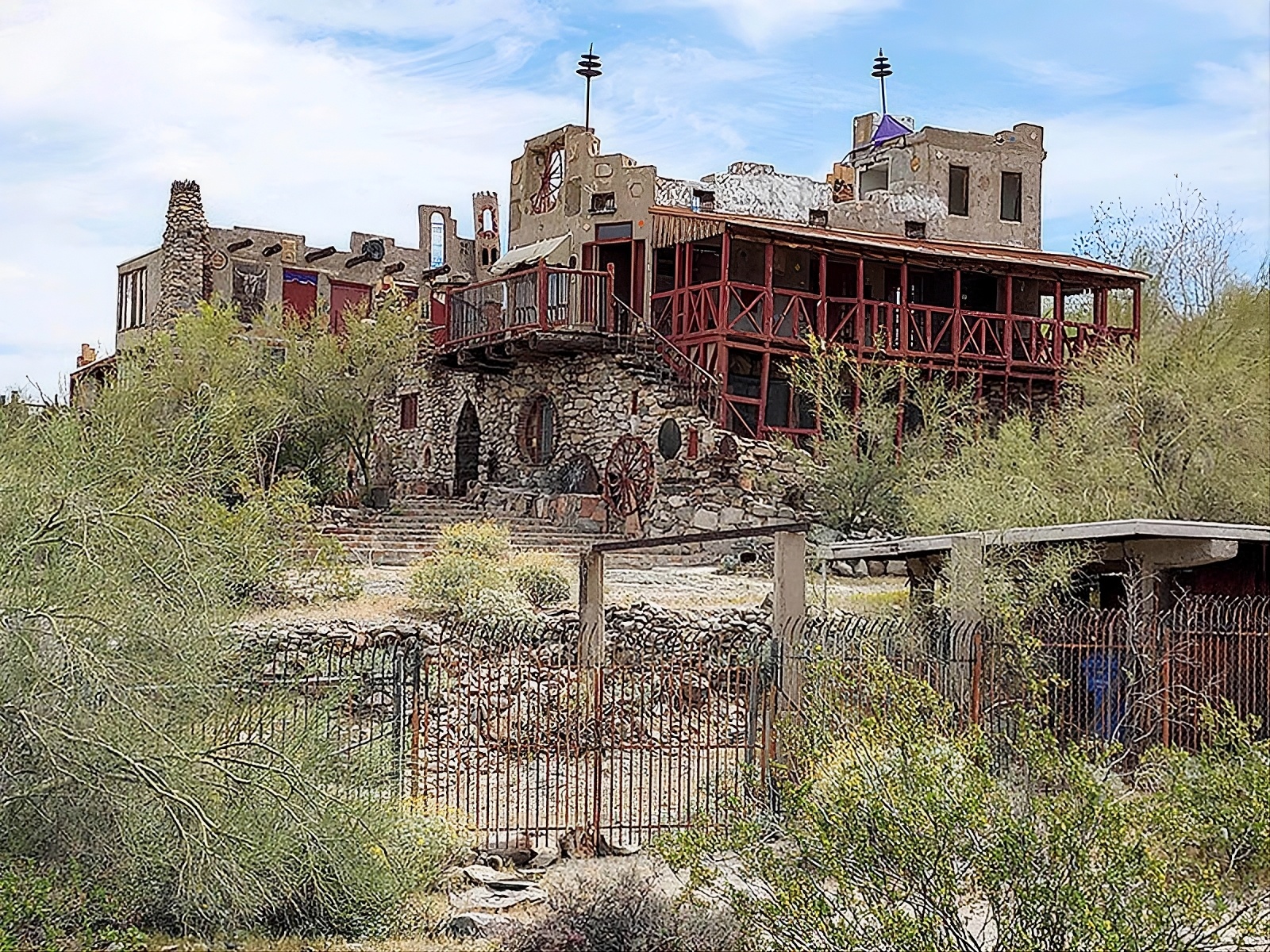
Without a blueprint, without an engineer, and using scrap from the dump, a father spends 15 years building an 18-room castle for his daughter, featuring tram tracks, 13 fireplaces, and over 700 m², which may now be demolished.

2. Bishop Rock Lighthouse, United Kingdom
Located in the Scilly Isles archipelago, the Bishop Rock Lighthouse stands out as one of the most isolated constructions in the world. Built in 1858 on an island that is merely a rock in the sea, the lighthouse was an ingenious response to the navigation difficulties in the area, marked by frequent shipwrecks. Despite the adversities, such as its remote location and logistical challenges, the lighthouse still guides ships with its light, more than 160 years after its inauguration.
3. Svalbard Global Seed Vault, Norway
In northwest Norway, within a mountain covered in ice, lies the Svalbard Global Seed Vault, known as the “Doomsday Vault“. This bunker, built in 2008, was designed to store seeds of vital crops from around the world, protecting them against potential catastrophes. The remote location and cold climate create the perfect conditions for the long-term preservation of seeds.
4. Halley Research Station, Antarctica
Operated by the United Kingdom since 1957, the Halley Research Station in Antarctica is a remarkable example of adaptive engineering. Built to withstand one of the most extreme environments on Earth, this modular station is mounted on skis and hydraulic legs, allowing it to be moved and adjusted as needed to face the constantly changing Antarctic weather.
5. Temples on Mount Fanjing, China
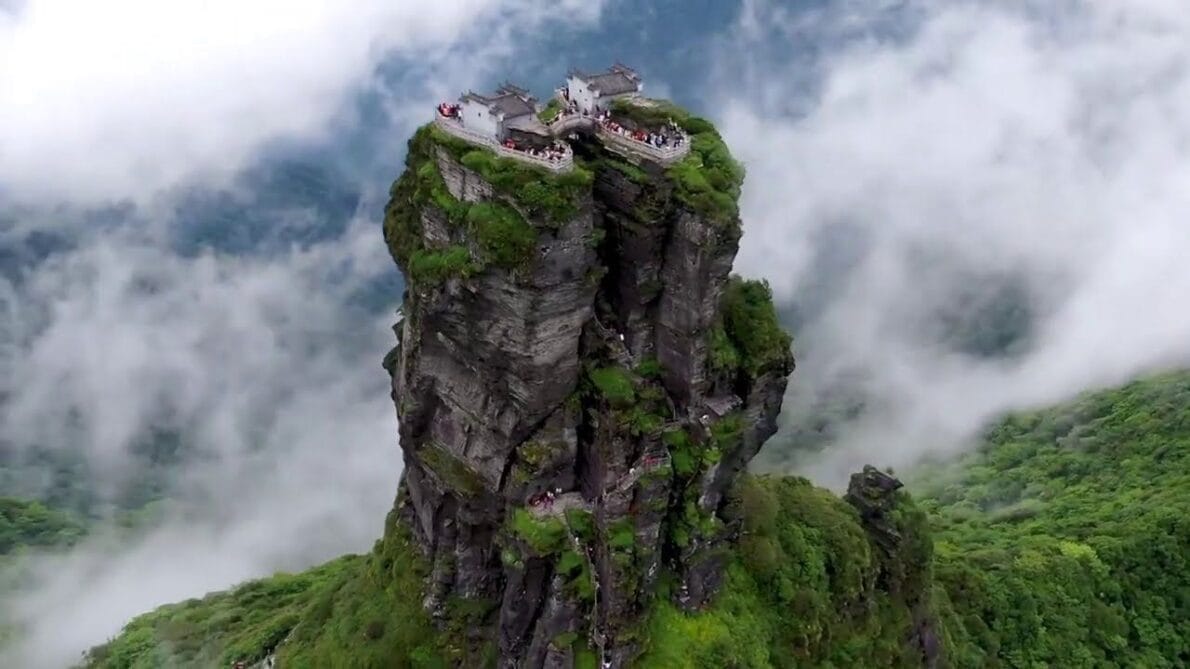
In southwestern China, the Temples on Mount Fanjing are perhaps one of the most mysterious examples of remote constructions. These temples, built around 500 years ago, are situated atop a mountain 2,570 meters high, accessible only by a strenuous hike of over 8,000 steps. The engineering behind their construction remains an enigma, given the challenge of transporting heavy materials to the summit at that time.
These constructions not only challenge our traditional conceptions of architecture and engineering, but also represent the human spirit of perseverance and innovation. Each, with its unique story and challenging context, continues to inspire and intrigue explorers and engineers around the world.








-

Uma pessoa reagiu a isso.