Portuguese
  Spanish


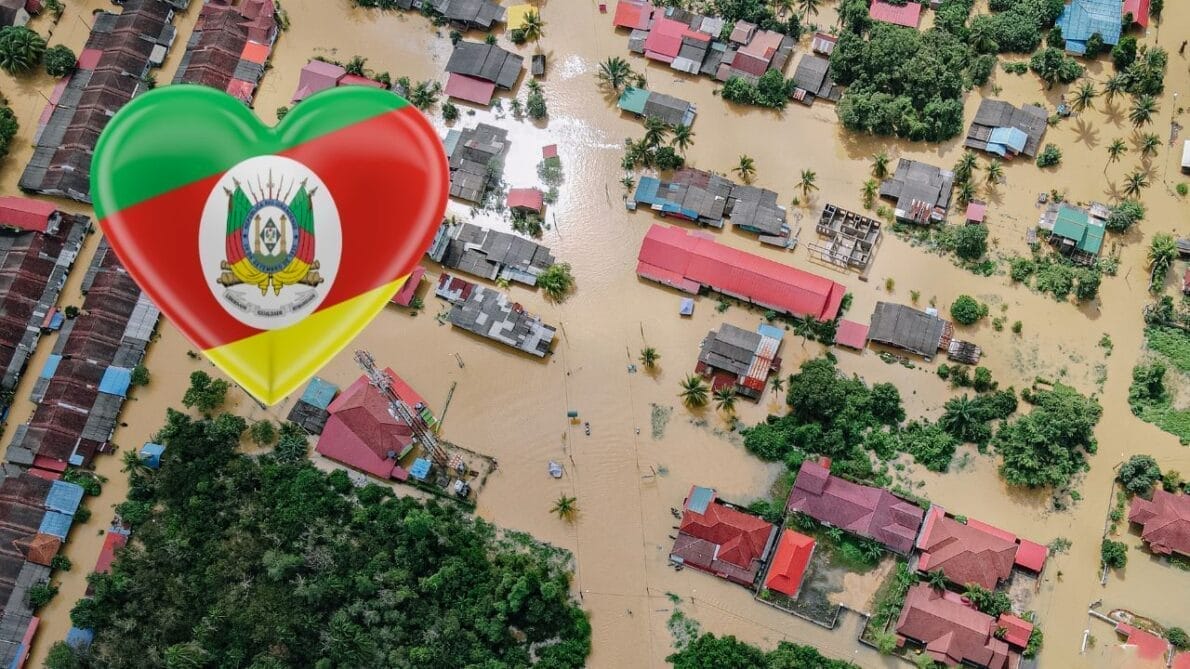

With the forecast of more precipitation in the coming days, Rio Grande do Sul is facing a continuous cycle of floods, exacerbated by the interaction of distinct air masses and residual effects of the El Niño phenomenon, along with a geography of watersheds that complicates water drainage, challenging the recovery capacity of already affected areas.
The residents of Rio Grande do Sul are facing another challenging period with the forecast of more rain, even while many cities are still dealing with the effects of previous floods. This phenomenon is directly related to the geographic position of the state and complex climate interactions that favor storm formation.
The region of Rio Grande do Sul is situated in an area prone to encounters of air masses of different temperatures and humidities. In the coming days, a line of intense precipitation will advance from the southernmost part of the state to the north, bringing more storms mainly to the extreme south. This movement is visible through weather maps showing the progression of rains across the state, indicating an increase in precipitation on the 8th and 9th.
Another Important Factor Is the Geography of Rio Grande do Sul
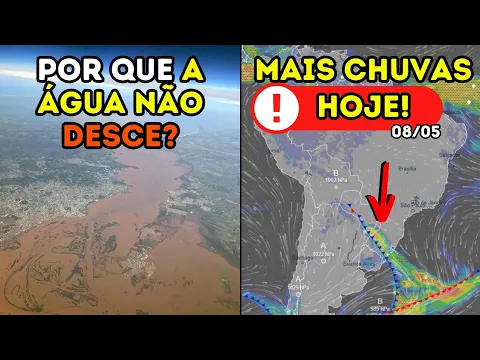

In addition to immediate atmospheric conditions, the El Niño phenomenon, which recently entered a phase of neutrality, still influences the climate conditions in the region. During El Niño years, the southern part of Brazil tends to receive more humidity, resulting in more intense and frequent rain than normal. Although the phenomenon is waning, its residual effects still contribute to the current climate conditions.
-
She spent 73 years breathing inside an iron lung, survived the aftereffects of polio, and became the last woman in the United States dependent on the equipment before dying at 78 years old.

-
Brazilian students created a $1 filter using pine bark, cotton, and 3D-printed parts to clean cassava wastewater, reduce the toxicity of a hazardous waste, and transform contaminated water into biofertilizer.

-
Astronaut from Artemis II steps down after mission to the Moon and decision surprises after a record of 406,771 km, a historic 10-day journey, and an unprecedented achievement for Canada.

-
A fossil kept for years in a small museum in Montreal concealed 450-million-year-old soft tissue, a discovery that has only happened once before in history.


Another important factor is the geography of Rio Grande do Sul (read about the geography), which has several watersheds. When heavy rain occurs, the waters from this rain are drained into main rivers and their tributaries, causing flooding quickly, especially in areas with microbasins. Soil saturation also contributes to the delay in water drainage, keeping river levels high even after the rain has stopped.
National Institute of Meteorology (Inmet) Offers Regular Updates and Alerts on Weather Conditions
This challenging climate scenario highlights the importance of constant weather monitoring and appropriate preparations to face these conditions. The National Institute of Meteorology (Inmet) offers regular updates and alerts on weather conditions, providing crucial information for the local population and authorities. Moreover, aid and prevention measures are essential to mitigate the impacts of floods and ensure the safety of residents.
The intense and frequent rains in Rio Grande do Sul serve as a reminder of the growing influence of climate change and the need for adaptation and preparation for extreme weather events. While the scientific community and authorities work to understand and mitigate these phenomena, the population is encouraged to stay informed and prepared to face these climate adversities.