





 Portuguese
  English
  Spanish
  4 min of reading
  0 comments


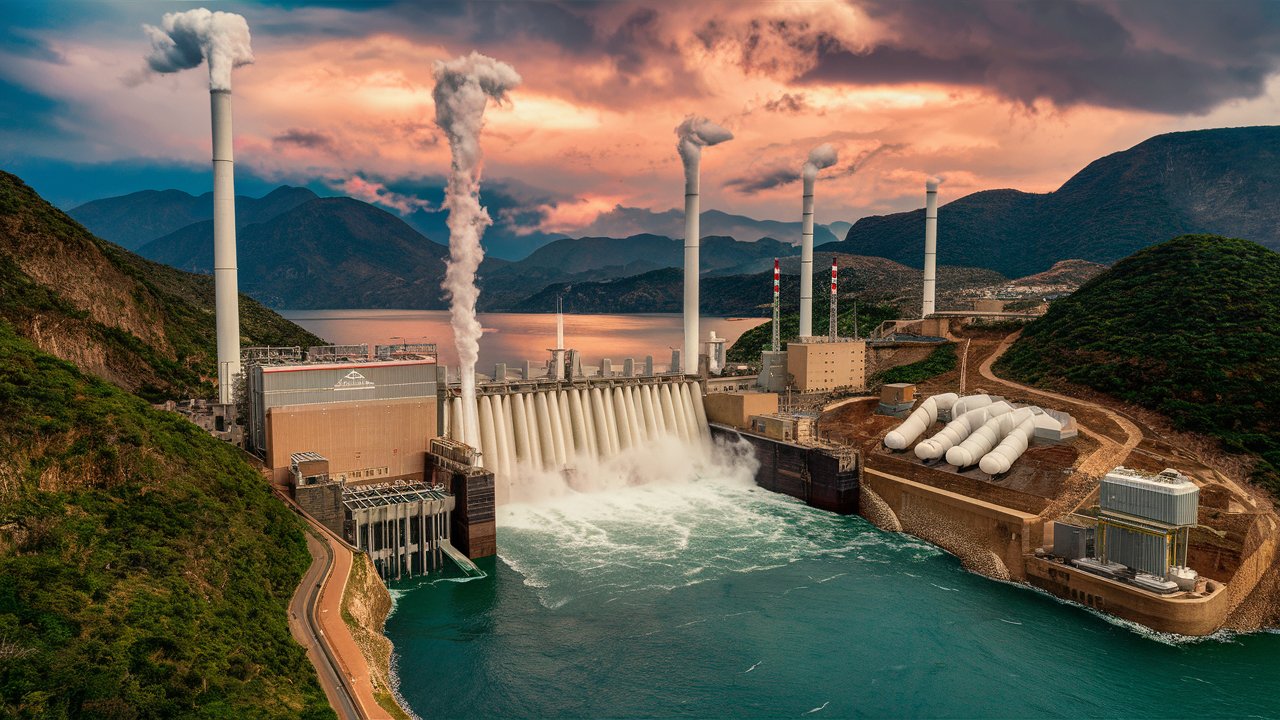
Understand Historical Records of Energy Consumption in Brazil, the Impacts of Climate and the Economy, and the Relevance of Renewable Sources Such as Solar, Hydroelectric, and Wind. In Addition, See the Challenges Faced by These Sources and the Future of the National Energy Sector.
Anyone who expected a reduction in energy consumption in Brazil in 2024 will undoubtedly need to revise their expectations. Due to higher temperatures and accelerated economic growth, energy consumption continues to reach surprising numbers. On January 22, 2025, at 2:31 PM, the National Interconnected System (SIN) registered 102,810 MW, the highest peak in history. This value therefore surpassed the previous record of 102,478 MW, recorded on March 15, 2024. This data was presented by the National Electric System Operator (ONS).
Economic Growth and Heat Drive Energy Demand
Thus, the forecast of a Gross Domestic Product (GDP) above 3.0% in 2024, combined with intense heat waves recorded between December 2024 and January 2025, has increasingly elevated the need for energy in the country. According to the National Institute of Meteorology (INMET), January 2025 was one of the hottest months in recent decades. Consequently, the average daily load also set records, reaching 92,985 MW average, according to ONS data.
Why Is Solar Energy Making Headlines?
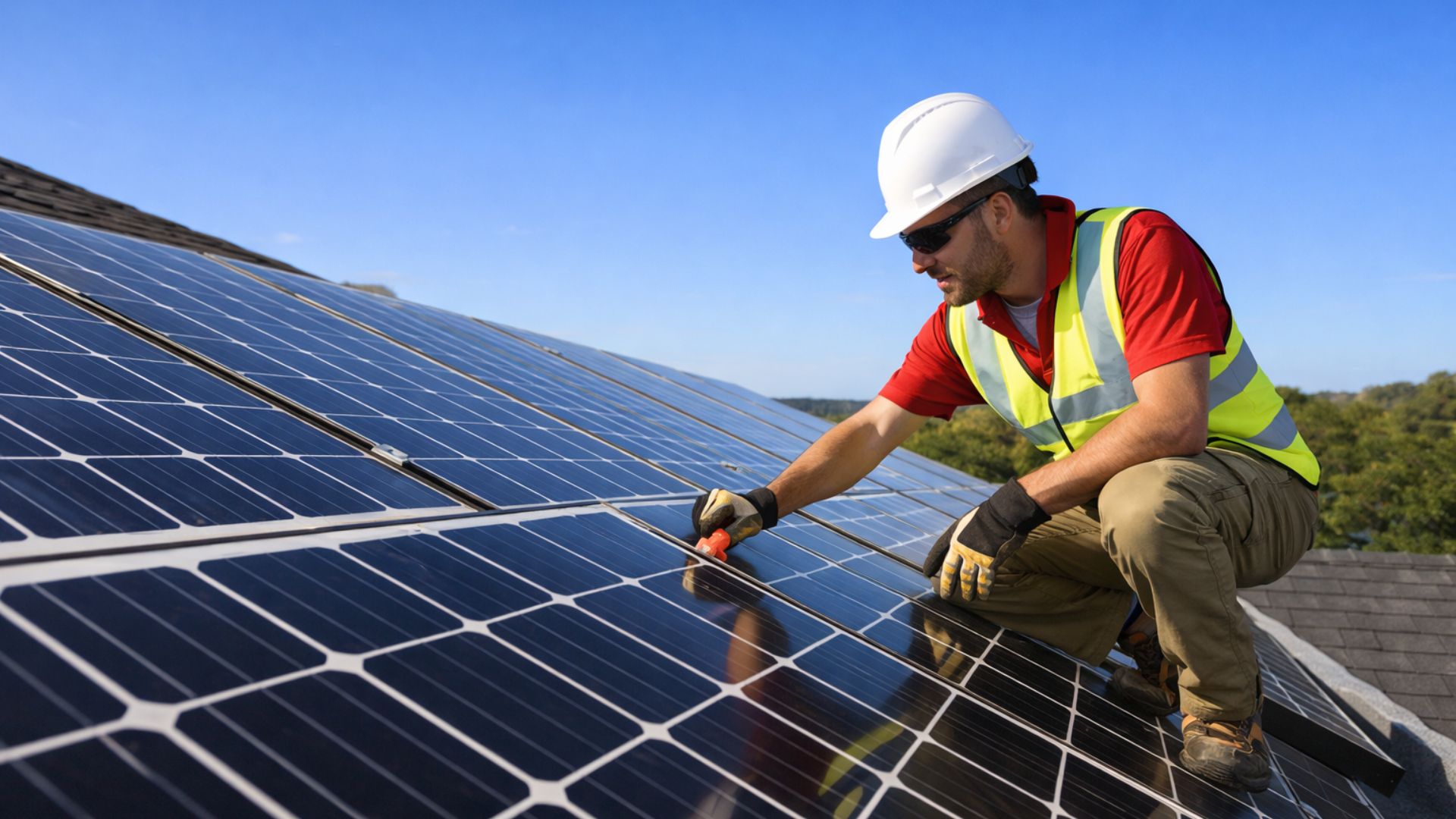
On the other hand, despite the electricity sector having a diversified matrix, news often highlights only the growth of solar energy. This creates, therefore, a partial view of the market. In 2024, the Brazilian Solar Photovoltaic Energy Association (ABSOLAR) recorded a 68% increase in the installed capacity of solar energy. Thus, it is noticeable that equally important sources, such as hydroelectric and wind, are unfortunately overlooked. Interestingly, these sources do not receive the same media attention, which undoubtedly raises questions about the visibility of traditional technologies.
-
A Canadian retiree creates a hydroelectric system on a real river, generating energy continuously throughout the day and demonstrating how the power of water can supply a house with stability even in a simple structure.

-
Petrobras reaffirms its commitment to the market and ensures that it will carry out the energy transition safely to maintain national sovereignty.

-
Researchers discover a possible hydrogen deposit of up to 46 million tons beneath an ancient coal basin, and the volume could exceed half of the entire global production.

-
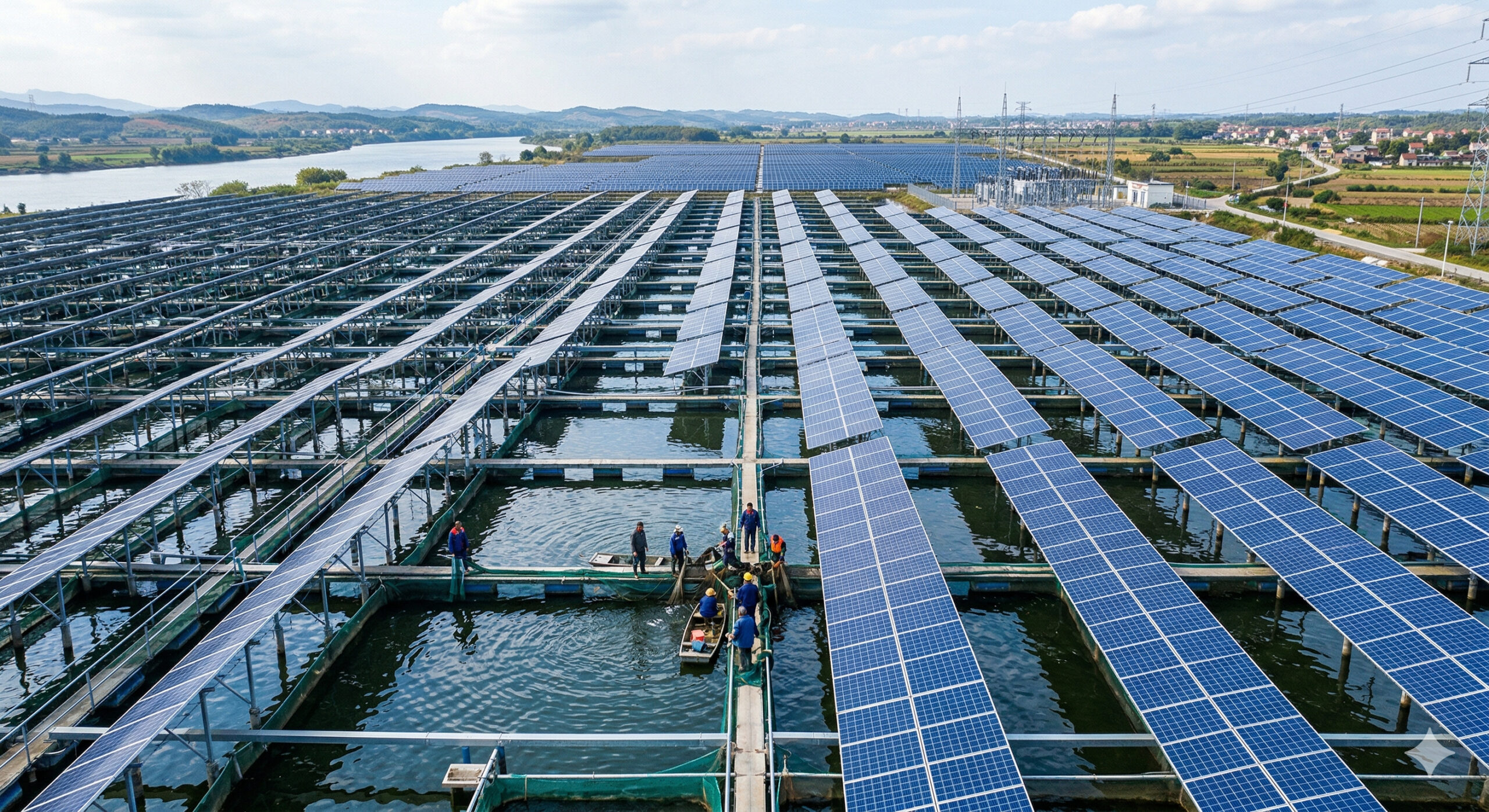
China bets on the Fishery-PV model and transforms fish farms into giant solar plants, covering ponds with panels that generate energy while utilizing the same space for large-scale aquaculture production.

The Relevance of Hydroelectric Power in the Energy System
- Firstly, hydroelectric plants, primarily responsible for balancing electricity demand during nighttime, also return freshwater to reservoirs, contributing to sustainability. In 2023, they accounted for about 52% of the electricity matrix, according to the Energy Research Company (EPE).
- Despite this, hydroelectric expansion projects face challenges, such as delays in construction and high initial costs, as pointed out in a study by the National Electric Energy Agency (ANEEL).
- From this perspective, it is important to remember that a large portion of Brazilian territory is filled with exploitable rivers and streams. However, this hydropower potential remains, unfortunately, underutilized, especially in rural areas.
Wind: The Underestimated Power of Wind
Similarly, wind turbines have demonstrated high performance, with installed capacity of up to 4,000 kW per wind turbine. In 2024, the National Electric System Operator highlighted that wind energy accounted for over 13% of the country’s total electricity generation. However, its implementation is less talked about, probably due to its industrial scale. This happens because, for this reason, it does not meet immediate residential consumption demands. This factor, combined with the lack of advertising incentives, significantly limits the presence of this segment in the headlines.
Ignored Facts Hurt Consumers and the Market
Therefore, when only a part of the energy market is disclosed, the public remains, unfortunately, uninformed about the possibilities and opportunities in the electricity sector. This lack of information has clear negative consequences:
- Impact on the Job Market: Many professions related to renewable energies are rendered invisible.
- Ignorance About Sustainability: Permanent sources, such as hydroelectric plants, still lead the Brazilian electricity matrix. However, they receive little attention.
- Injustice in Journalistic Coverage: The lack of diversity in reporting clearly harms the debate on the future of energy in the country.
Energy in Brazil: Challenges and Solutions
In this sense, the challenges for a more balanced energy sector include:
- Diversity of the Matrix: The integration of traditional and renewable sources is undoubtedly essential.
- Encouragement of Research and Innovation: More advanced technologies can indeed reduce costs and increase efficiency.
- Education and Awareness: Informative campaigns help to highlight the role of all energy sources.
The Future of Renewable Energy in the Country
Finally, Brazil undeniably has enormous potential to expand its electricity matrix in a balanced manner. This expansion should explore both traditional sources and emerging technologies. However, it is essential that the debate about the sector is conducted simultaneously with transparency and inclusion. In this context, it is crucial to highlight the contributions of all renewable sources to sustainability and energy security.
On the other hand, it is crucial to remember that energy is not limited to sunlight or wind. Hydroelectric, wind, and even thermoelectric sources play important roles. Thus, each one contributes, therefore, to the robustness of the Brazilian electric system. Therefore, a more comprehensive approach is clearly the key to ensuring that consumers are well-informed. This will ensure that the sector continues to grow in a sustainable manner.





-

Uma pessoa reagiu a isso.