





 Portuguese
  English
  Spanish
  2 min of reading
  0 comments



Tilapia Consumption Grows 10% Per Year in Brazil, Making the Fish the Most Consumed and Driving Record Production of 662 Thousand Tons.
Tilapia consumption in Brazil is steadily increasing, driven by healthier and more nutritious diets.
According to Peixe BR – Brazilian Association of Fish Farming, per capita consumption rose from 1.47 kilograms per person in 2015 to 2.84 kilograms in 2024. National production also reached a record, totaling 662.2 thousand tons.
Why Tilapia Is the Most Consumed Fish in Brazil
The Brazilian preference for tilapia is linked to factors such as:
-
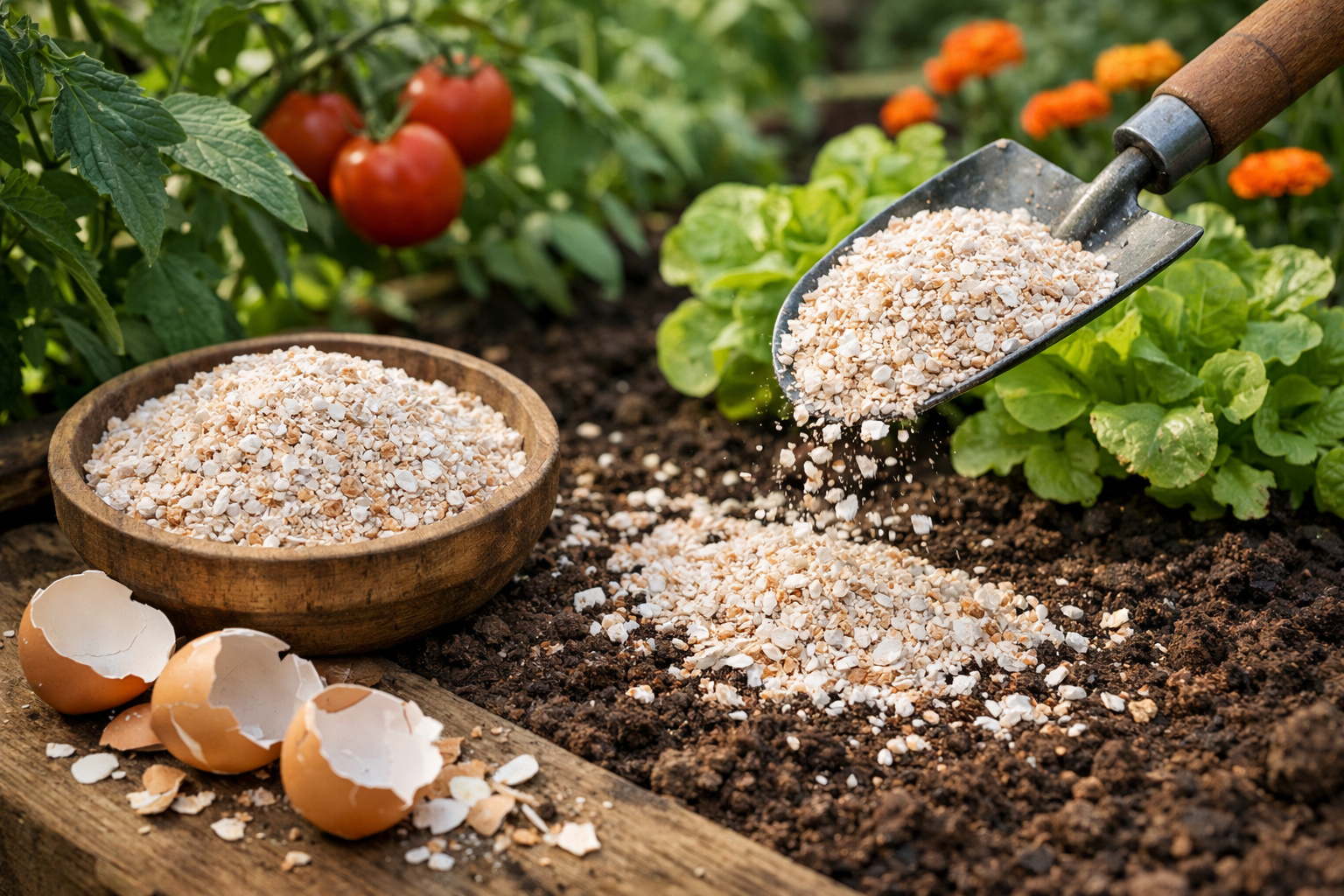
The eggshell that almost everyone throws away is made up of about 95% calcium carbonate and can help enrich the soil when crushed, slowly releasing nutrients and being reused in home gardens and vegetable patches.
-
This farm in the United States does not use sunlight, does not use soil, and produces 500 times more food per square meter than traditional agriculture: the secret lies in 42,000 LEDs, hydroponics, and a system that recycles even the heat from the lamps.

-
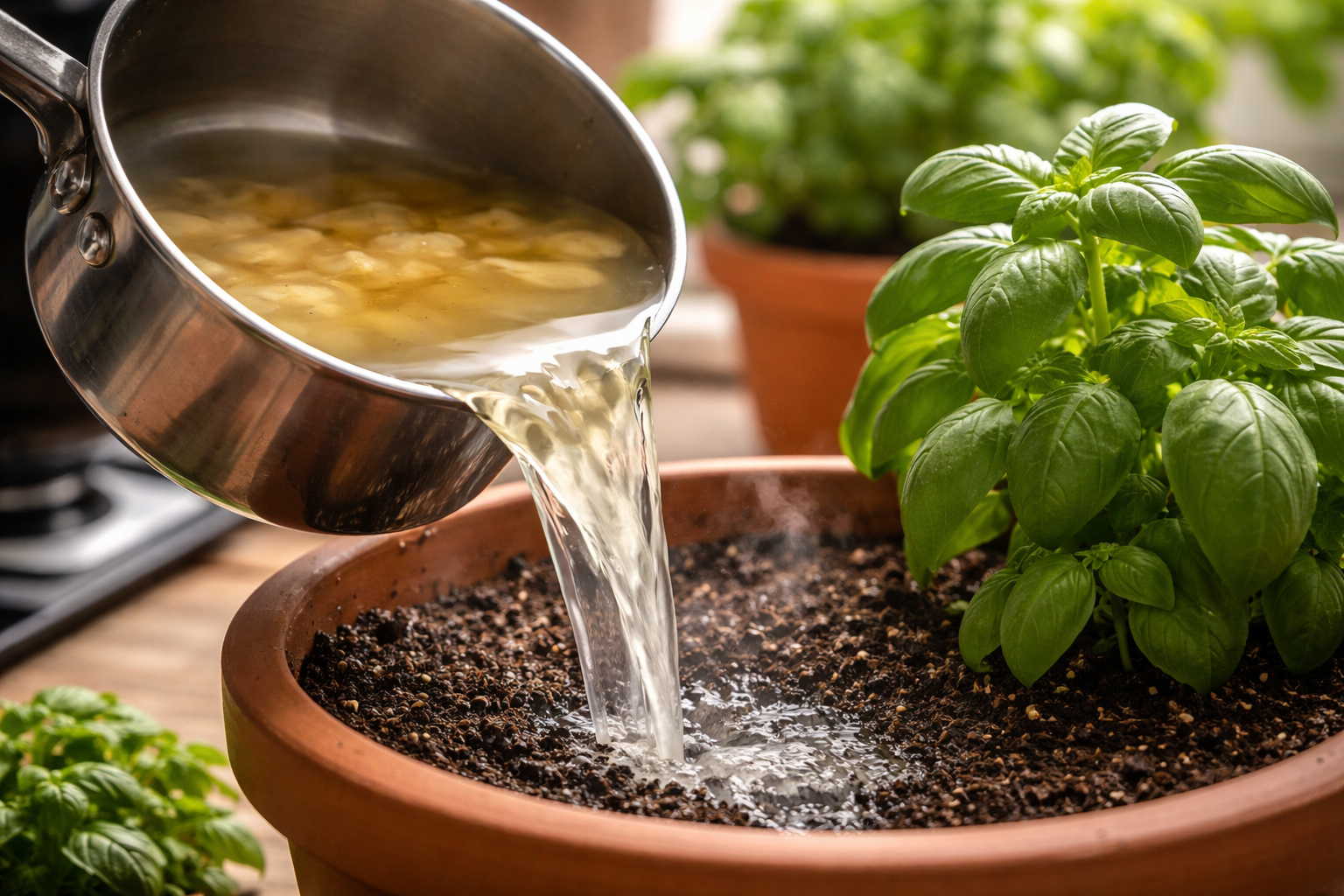
The water that almost everyone throws away after cooking potatoes carries nutrients released during the preparation and can be reused to help in the development of plants when used correctly at the base of gardens and pots, at no additional cost and without changing the routine.
-
The sea water temperature rose from 28 to 34 degrees in Santa Catarina and killed up to 90% of the oysters: producers who planted over 1 million seeds lost practically everything and say that if it happens again, production is doomed to end.


Bone-free fillet, easy to prepare;
Mild flavor that appeals to different palates;
Versatility: can be grilled, boiled, or even raw in ceviche;
An accessible and nutritious option for daily meals.
“Tilapia consumption stands out as the best historical series among all animal proteins in the country,” says Francisco Medeiros, president of Peixe BR.
National Production Expands to the Interior
Tilapia farming is no longer concentrated only in coastal regions. Today, states like Paraná, São Paulo, Minas Gerais, Santa Catarina, and Mato Grosso do Sul lead production, making the fish accessible throughout Brazil.
Paraná: largest national producer;
São Paulo and Minas Gerais: steady growth;
Interior of Brazil: expanding supply for local consumption.
Impressive Annual Growth
Over the past 11 years, tilapia consumption has increased, on average, by 10.3% per year. This growth positions tilapia as a benchmark in the protein sector and reinforces its prominent role in the healthy diet of Brazilians.
Healthy Eating: A Trend That Favors Tilapia
The increase in consumption reflects changes in eating habits:
Preference for lean proteins;
Emphasis on nutritious and versatile foods;
Inclusion of tilapia in family diets and restaurants;
Ease of preparation, making the fish popular in various meals.








Seja o primeiro a reagir!