





 English
  Francês
  Alemão
  Italiano
  Japonês
  Norueguês
  Portuguese
  Spanish
  3 min of reading


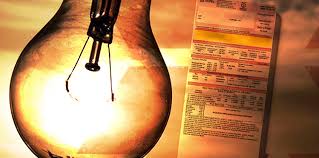
The Rise of Electricity Bills Is Becoming an Increasing Challenge for Brazilians, and ANELL’s Outlook for 2022 Is Not Optimistic
An internally published text by the National Electric Energy Agency and released by Estadão forecasts even higher increases for electricity bills in 2022.
According to the document, “the average tariff impact in 2022 will be around 21.4%.”
According to information from Estadão, the accumulated increase in 2020 for the final Residential consumer was 7.4%. In other words, the projected increase for next year is three times higher than what we experienced in 2021.
-
Renewable energy advances over protected areas in Brazil, and a survey by the Energy Transition Observatory reveals silent impacts that challenge environmental conservation and pressure sensitive traditional territories.

-
Rio Grande do Sul accelerates energy transition: State invests in renewable technologies and consolidates decarbonization strategies and pathways to attract billions in new industrial investments.

-
With 160,000 m² of collectors, an area larger than 20 football fields, Silkeborg, in Denmark, hosts a solar thermal plant that heats 19,500 homes and could become the largest solar heating plant in the world.

-
A study reveals the expansion of renewable energy procurement in Brazil and shows how companies are taking advantage of opportunities to reduce expenses, ensure energy efficiency, and strengthen strategic environmental commitments.


- UFMS Will Build a Solar-Powered Charging Station for Electric Cars and Bicycles at the University
- Higher Electricity Bills Due to the Worst Water Crisis in 91 Years in Brazil Drive Up Prices in Malls and Slow Down Year-End Sales in Shops
- Panvel Invests R$ 4 Million and Opens a New Solar Power Plant in the State of Rio Grande do Sul
Furthermore, a shortfall of 13 billion by April 2022 is the “best estimate” that forecasts can point out for the companies in the sector, already discounted the “forecast of tariff collection income during the water scarcity tariff flag period.”
In other words, according to the report, even with the maximum tariff flag, the forecast is for losses in the sector.
The Search for Alternatives to Reduce Energy Expenses Continues


This constant rise has led both residential and business consumers to seek alternatives to reduce their electricity bills.
Decentralized alternative energy sources have become an increasingly desired solution, with solar energy being the most used and even encouraged by various types of credit programs and facilitation for acquiring solar panels.
Companies that design and install residential solar panels are multiplying across the country.
According to the Portal Solar website, there was a 53% growth in decentralized solar energy generation, with the total amount of energy generated increasing from 4.71 GW in January to 7.3 GW at the beginning of November.
By way of comparison, the total of solar energy microgeneration in the country corresponds to about half of the generation capacity of the Itaipu Dam, which is 14 GW.
Despite the investment not being small, at around R$ 15,000.00, according to information from Portal Solar, electricity bills can become 50% to 90% cheaper, since in addition to the energy generated for use in the residence, there is the system of energy credits generated by residential solar panels that are not used and are sent to the grid, which then counts as credit for the individual with the energy distributor.
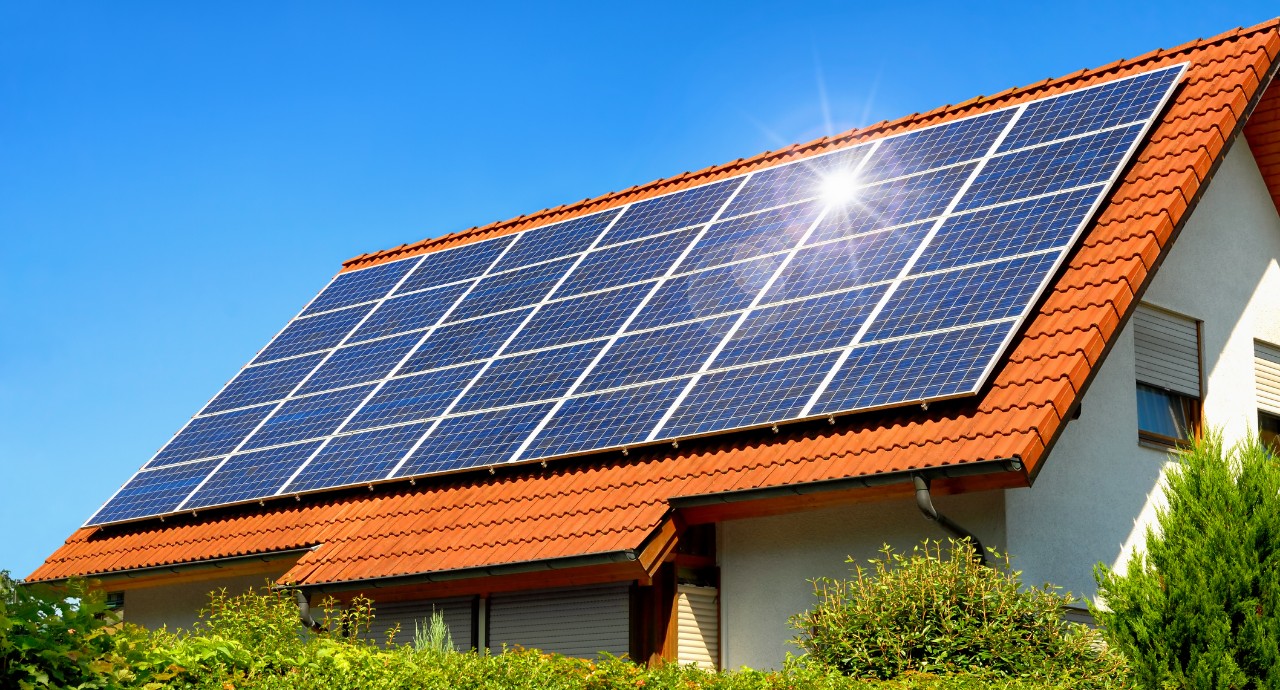
According to Portal Solar, the investment made in acquiring solar panels for a residence pays off in about five years.
What Is the Impact of the Increase in Electricity Prices on Inflation?
There are still no official data to justify this progressive increase in electricity bills on inflation in 2022; our 2021 data indicate that increases in electricity have a weight of 4.81% in the IPCA, along with fuels, which have a weight of 5.98%, in addition to cooking gas, which is also pushing the index up.
These three items pose a serious problem for the IPCA, which is part of the inflation calculation, as they are expenses that Brazilians cannot avoid, one way or another.
Moreover, they affect the entire productive chain of the country, especially since the transportation of goods in Brazil is predominantly done by road.









Seja o primeiro a reagir!