Portuguese
  Spanish


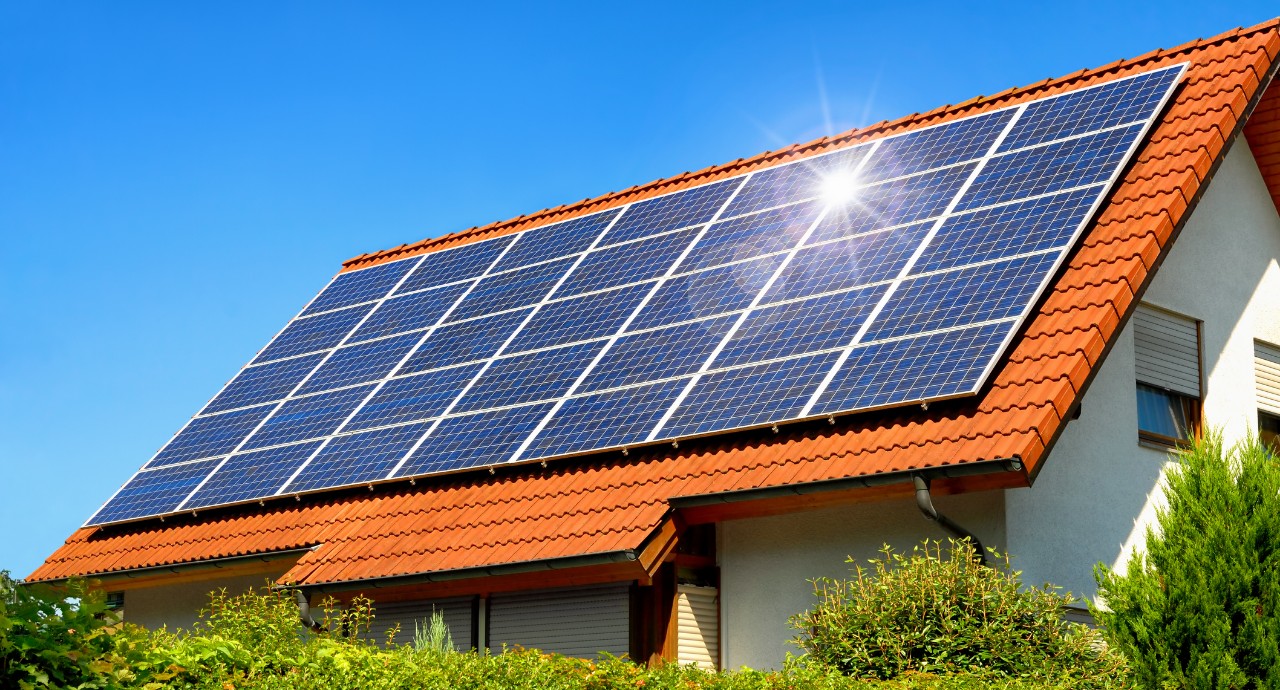

Solar Energy Generation And Solar Panel Financing Are Lower Compared To Electricity Expenses
Brazilian consumers are seeking alternatives to save on their electricity bills. As an alternative, investments in solar energy have become a solution, especially when it comes to financing installations (over 50% of solar panel installations in Brazil are financed).
See Also:
- Ativa Investimentos Estimates That Petrobras Needs To Raise Gasoline Prices By 6% To Eliminate The Deficit Between Fuel Prices In The Country And Its International Quotation
- Plastic Gasoline: Researchers Develop New Fuel Made From Plastic That May Substitute Gasoline In The Future
- Federal University Of Viçosa Will Offer Free Courses For Beneficiaries Of Auxílio Brasil
When consumers do not have all the necessary resources, financing options for obtaining solar energy prove advantageous. In fact, the interest rates that apply to the amount ultimately result in savings for consumers. Besides reducing or eliminating expenses with electricity bills, people who have solar panels in their homes are no longer held hostage by continuous price increases.
Just in 2021, the electricity bill will probably be 12% more expensive on average. The conventional tariff has already been adjusted by 7%, and the red flag (for every 100 kWh) by 52%, according to the National Electric Energy Agency (Aneel). For 2022, the estimate is an average increase of 16.68%.
-
Giant Batteries Take Center Stage in Chile Auction as Company Offers 960 GWh of Solar Energy for Nighttime Use, Aiming to Stabilize Solar Power Supply

-
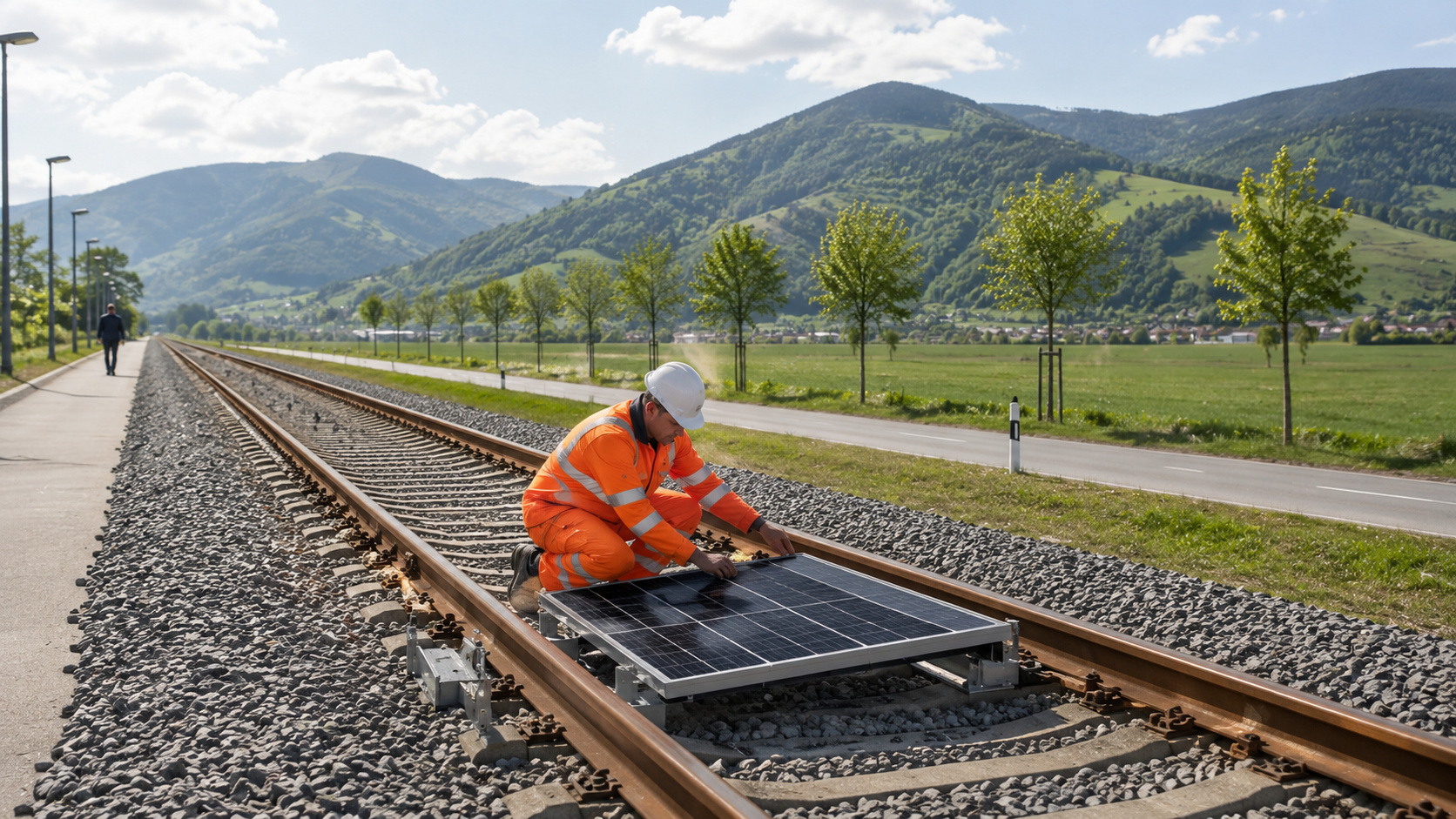
After a Year of Success in Switzerland, Solar Railway Attracts Italy’s Interest for Clean Energy Transformation
-
Robots Clean Solar Panels in Desert Power Plants Without Water, Preventing Energy Losses
-
Brazil’s Offshore Wind Energy Potential Worth $1 Trillion Stalled by Long-Delayed Agreement



The results presented are above the basic interest rate of the economy (Selic), currently at 6.25%, each year. The rate marks the cost of credit, which is added to other costs, and the total varies depending on the institution. The good news is that the cost of interest ends when the financing is paid off, unlike conventional adjustments for those who do not yet use solar energy as an alternative.
The director of Entec Solar, a developer of technology for photovoltaic energy generation, Tiago Sarneski, claims that “In practice, it is not a real interest rate, as the rate [paid on the financing] replaces the increase in the tariff that the consumer stops paying by investing in their own energy generation.”
Financing For Up To 96 Months
According to Tiago, investments in photovoltaic solar energy offered in the market by Entec Solar can be paid for in up to 96 months. On average, sales are made for payment over five years. “That is, after this period, the consumer no longer has to worry about electricity bill adjustments or financing interest,” says Tiago.
More than 50% of investments in solar panel installation and solar power generation in Brazil are financed, according to the “Strategic Study – Distributed Generation: Photovoltaic Market” by Greener, an advisory company in the solar energy sector. It is a mechanism widely used by consumers – a group that accounts for almost three-quarters (74%) of solar panel financing.
Solar Energy And The Payback
Another research shows that the investment that pays off is called “payback,” which is the time it takes for the initial resources spent to be recouped, the return on investment from solar panels. The manager of Entec Solar mentions an investment with a return of R$ 420,000. Every year, with the cuts in electricity bill expenses, this accumulated value is deducted. After four years, with the desired savings, the invested resources can be recovered.
Another factor that drives consumers to adopt solar energy is sustainability. “For both residences and commercial establishments, it is indeed a significant investment. However, with financing options, the ‘payback’, and especially in this context of water crisis that has increased energy costs in Brazil, it is an investment with financial returns, not to mention the importance of environmental sustainability,” emphasizes the director of Entec Solar.