





 Portuguese
  English
  Spanish
  3 min of reading
  0 comments


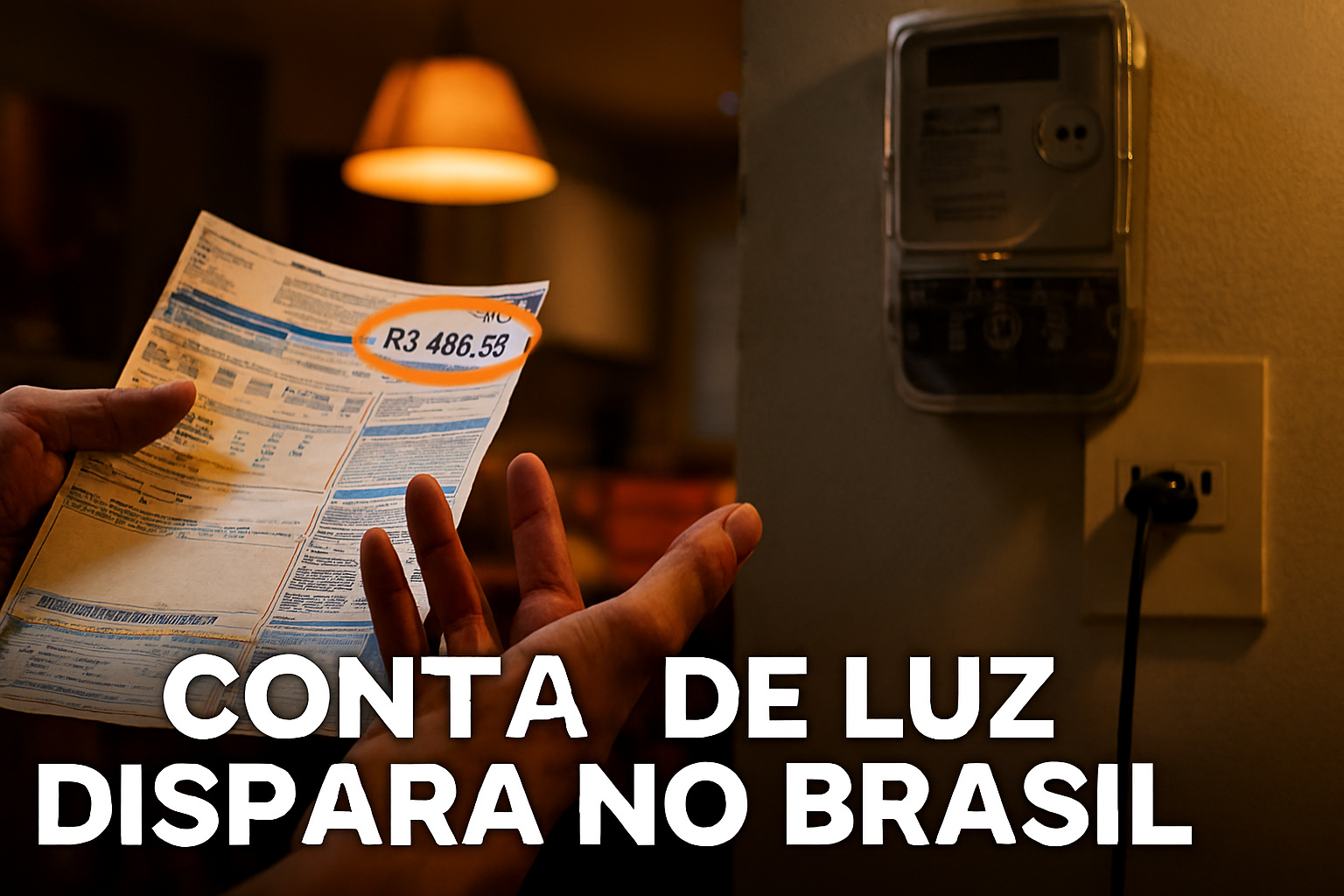
Brazilians Report High Electricity Bills Even With Reduced Consumption. Understand Why Rates Rise, The Impact On Families, And What Aneel And Utilities Say.
In recent months, a phenomenon has caused perplexity and indignation among Brazilians from different regions: even with reduced energy consumption, electricity bills are arriving higher. The perception is not isolated. According to recent reports gathered by national portals such as Brazil Urgente (10/31/2025) and analyses from Record News Internacional (11/02/2025), consumers report significant variations in their bills, with an average increase of between 8% and 27% in observed cases, despite a clear drop in consumption measured by utility meters and apps. The phrase that dominated social networks, WhatsApp groups, and consumer forums summarizes the country’s mood: “I used less energy, but the bill came higher.”
The situation has generated distrust, requests for reviews, opening complaints with Aneel, and even reports to Procon. In several regions, families say they have turned off appliances, reduced air conditioning time, and even cut down on hot showers, but the results on the bills contradict domestic savings.
Some consumers report that, compared to the same period last year, there were decreases of 10 to 20 kWh in consumption, but increases of R$ 80 to R$ 150 on the bill, causing surprise and discontent in low and middle-income households.
-
The institute that trained the greatest aerospace engineers in Brazil has just opened its first campus outside São Paulo after 75 years: ITA Ceará will have R$ 445 million, new courses in energy and systems, and classes are expected to start in 2027.

-
Luciano Hang, owner of Havan, goes to Juiz de Fora after the tragedy in February, brings R$ 1 million, hands out R$ 2,000 cards, and donates up to R$ 15,000 to victims in the region.

-
The Brazilian passport allows legal residence in dozens of countries without the need for a prior visa, and most Brazilians are unaware that they can apply for residency directly upon arriving in nations in South America, Africa, and even Europe.

-
Petrobras sends a message to Brazilian truck drivers after fuel collapse and reveals plan to have 100% domestic diesel.


Why Bills Are Rising Even With Lower Energy Consumption
To understand this unexpected rise, experts consulted by the press point to a combination of factors. The tariff structure, which includes components such as tariff flags, sector charges, and state taxes, accounts for up to 45% of the bill in some locations. Additionally, after years of cross-subsidies, contractual updates from utilities and tariff rebalancing approved by Aneel have been applied in 2024 and 2025.
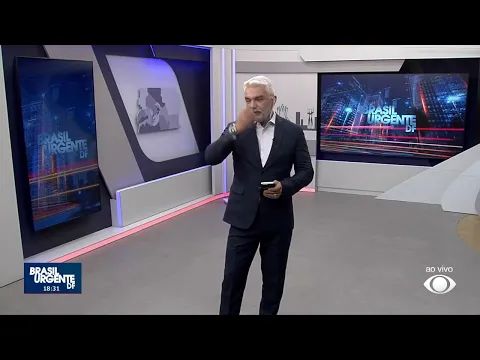

In states where periodic tariff reviews have been authorized recently, the impact has been more intense, affecting both residences and small businesses.
Another central point is the minimum charge and two-part tariffs. Even if consumption decreases, the fixed part of the bill — which covers distribution and availability costs — continues to be charged, reducing the impact of any household savings.
In some analyzed cases, a consumer who reduces ten kilowatt-hours of usage saves only R$ 5 but sees other costs rise, nullifying the advantage and resulting in higher bills.
Direct Impact On Family Routine
The rise in electricity prices occurs at a time when families are striving to balance their budgets amid rising prices for food, fuel, and services. During the electoral period and structural reforms, energy becomes a sensitive issue.
In middle-class neighborhoods of capitals like Recife, São Paulo, Belo Horizonte, and Porto Alegre, reports indicate consumers who have already switched to consumption monitoring apps, increased frugality habits, and started reading their detailed bills in search of errors or extra charges.
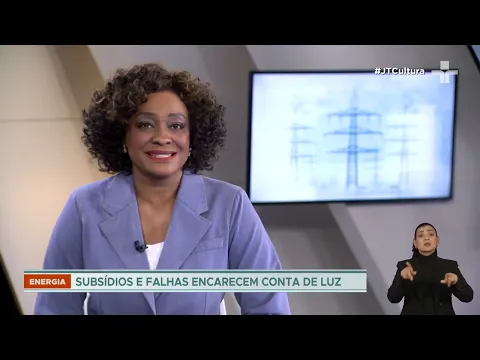
On social media, consumers expose screens from utility apps that show decreased consumption but higher bills. The predominant tone is one of frustration with the feeling of paying more for less and difficulty in planning household budgets, especially in families with incomes of up to three minimum wages.
And The Authorities? What Do The Utilities And Aneel Say
The utilities and the National Electric Energy Agency state that the charges follow legal parameters and that adjustments are necessary to maintain investments, expand networks, and ensure sector balance.
The Aneel also reinforced that consumers can request reviews and contest charges, and that inspections are conducted periodically.
Procon-SP, in a recent note, advised consumers to file formal complaints and attach photos of meter readings whenever there is a discrepancy.
Energy Transition And Pressure On The Sector
The scenario is unfolding at a strategic moment. Brazil, a global highlight in renewable energy, is undergoing a transition to greater electrification of the economy.
However, while clean and hydroelectric matrices are advancing, the final bill to consumers seems to be going in the opposite direction of energy logic, at least in the short term.
The situation exposes a growing contradiction: a country with renewable abundance, yet tariffs pressured by regulatory effects, cross-subsidies, and demands for infrastructure expansion.








-

-

2 pessoas reagiram a isso.