





 English
  Francês
  Alemão
  Italiano
  Japonês
  Norueguês
  Portuguese
  Spanish
  4 min of reading


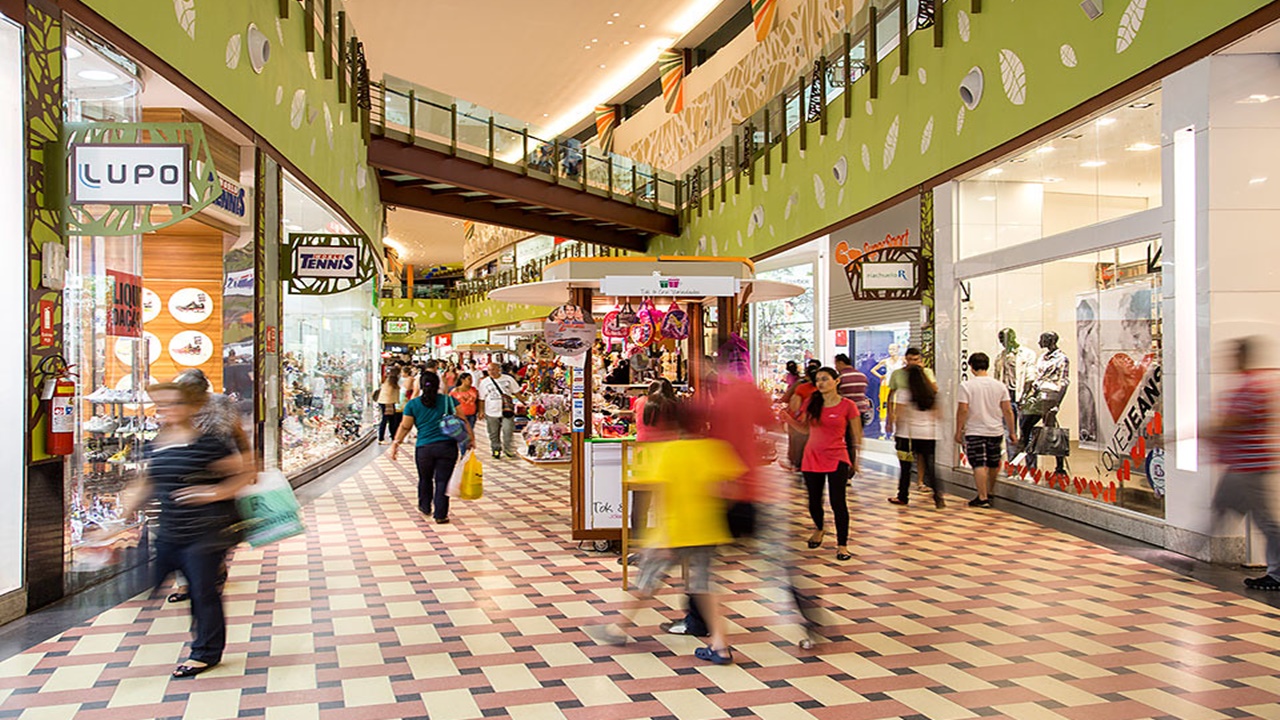
Waterfall Effect: Increase in Electricity Bill Impacts Product Prices, and Price Increases Will Hurt End-of-Year Sales.
Brazil is facing, in 2021, the worst water crisis since 1930. According to the National Electric System Operator, this is the most critical moment in 91 years of monitoring the river basins. Only in September, the reservoirs of the Southeast and Midwest systems, responsible for 70% of the country’s energy generation, operated at around 19% of their capacity.
Also Read
- Petrobras Needs to Raise Gasoline Prices by 6% to Eliminate the Discrepancy Between Fuel Prices in the Country and Its International Quotation
- Brazil, the World’s Largest Exporter of Pulp, Develops Chemical Pulp Made from Cow Manure that Promises to Replace Wood-based Pulp and Revolutionize Paper Production
- Canada Needs Labor to Fill Job Vacancies in Technical Areas, Engineering, Mechanics, Technology, Health, and More
- GRUPO GR Calls for Hundreds of Job Openings for Maintenance Assistants, Security Guards, Doormen, Firefighters, Attendants, and More to Work in SP and RJ
One of the sectors most affected by the reservoir shortage is the supply of electricity. The effects of the crisis also hit consumers’ wallets, who face additional expenses that go beyond the electricity bill.
Electricity Tariff Increases Could Raise Product Prices in Shopping Centers by up to 30%
According to the Brazilian Association of Shopping Mall Retailers (Alshop), electricity tariff increases could raise product prices in shopping centers by up to 30%. The main reason for this increase is related to inflation, a situation in which end consumers are the most affected and could hinder end-of-year sales, a period when commerce thrives due to Christmas and New Year.
-
Historic bankruptcy of Centauro shocks the market, and the century-old company puts more than 500,000 products, machines, and complete infrastructure up for online auction.

-
Abandoned house for 15 years disappears in the woods, shocks owner with unrecognizable scenery and is reborn in an intense transformation after almost 90 hours of work in just 10 days.

-
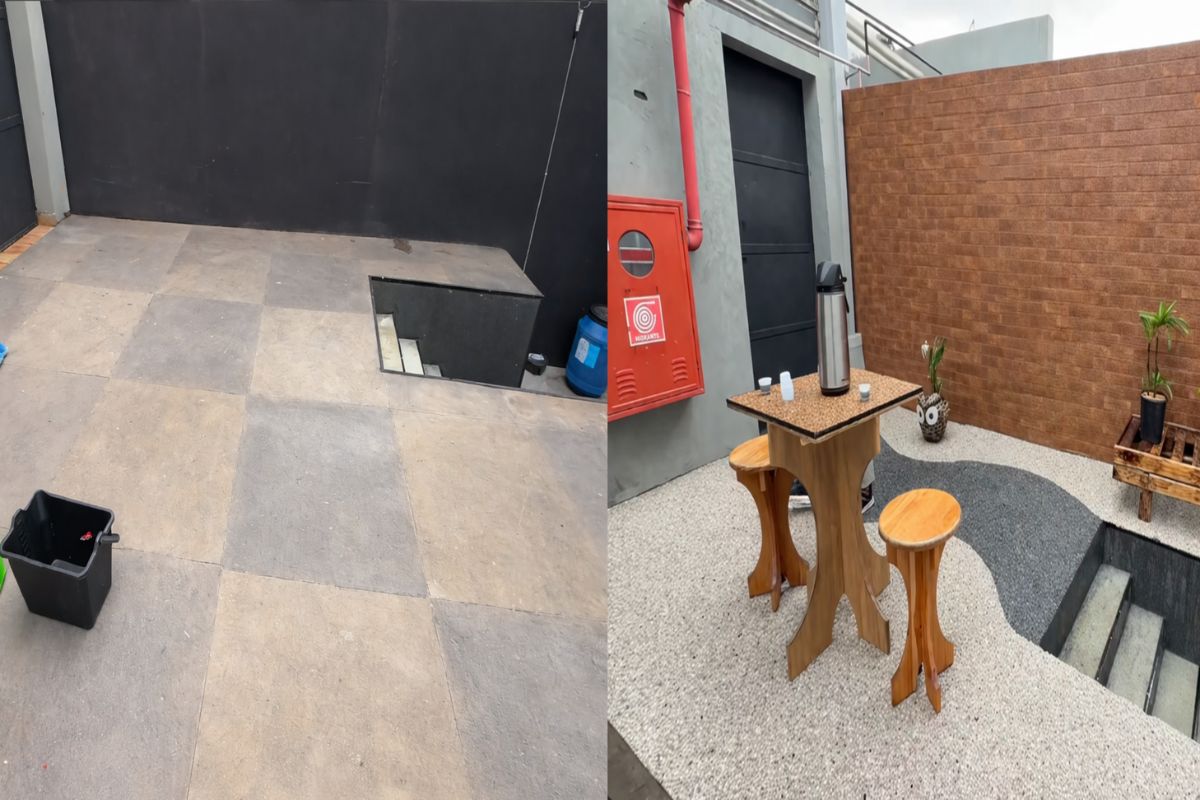
In just three hours, a natural stone floor transforms the entrance of the house with an organic effect, immediate drainage, and a sophisticated non-slip finish that doesn’t puddle water, dries quickly, and impresses with the final result.
-
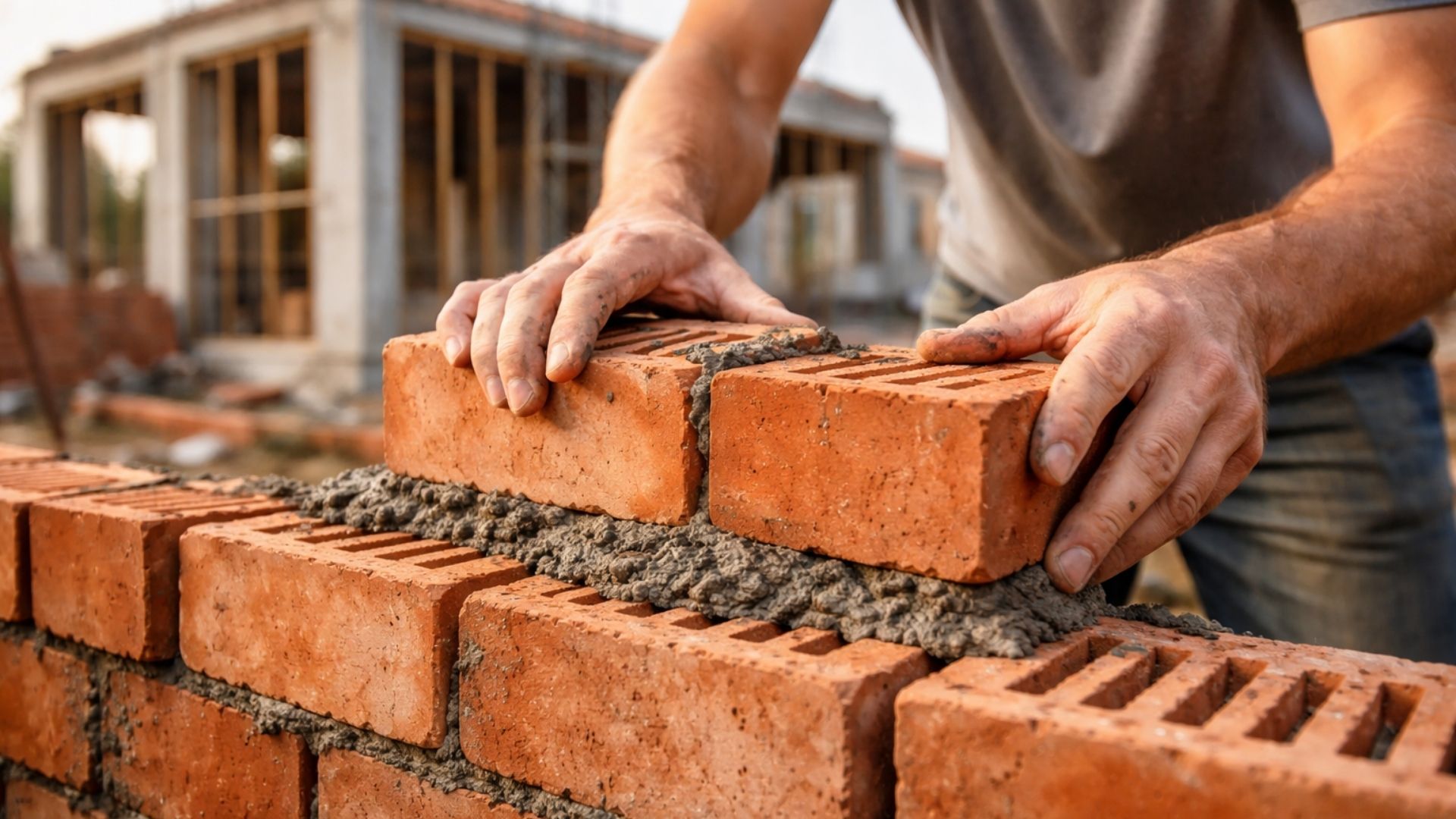
‘Interlocking brick’ made of earth arrives in the construction industry with cost reductions of up to 40% on the project.

According to Luis Augusto Idelfonso, institutional director of Alshop, price adjustments can occur due to different factors. In a statement to the press, he stated that the main one is the correction of the condominium fees that the shopping mall charges retailers.
With the increase in electricity costs, the maintenance costs of the shopping mall increase significantly, as the electricity bill represents up to 45% of the condominium costs.
Another point of concern is the correction coming from raw material producers and industries, also due to the increase in electricity rates. When one of the primary production sources is impacted this way, a chain reaction occurs: the cost of electricity increases, which drives production costs up, impacting the price offered to stores that, in turn, pass the increase on to consumers.
In retail, one of the ways to mitigate this increase is to make smarter choices and save where possible. Whether it’s replacing lighting with LED lights, implementing a solar or wind energy system, or even opting for devices that consume less energy. Every action should be aimed at reducing costs.
How Retailers Can Save on Energy
According to Alshop, air conditioning accounts for approximately 60% of electrical expenses in commerce. Therefore, it is essential for retailers to prioritize more modern and energy-efficient cooling devices.
On its blog, Frigelar, a company specialized in refrigeration and air conditioning, published an article that outlines how to select the most economical technology to cool the physical store environments.
According to the publication on the best air conditioning option for commerce, there are many models and technologies on the market that can reduce energy consumption and help establishments save. However, to choose the ideal device, it is crucial to consider some important factors, such as room size and unit capacity, voltage and electricity requirements, thermal load, among others.
Basically, there are various options available in the market that can lower the final cost. One of them is Inverter technology, which consumes less electricity and can lead to savings of up to 40% compared to conventional models.
Another alternative is to develop a cooling project, where specialized technicians prepare a solution with the best cost-benefit for each establishment.
According to Frigelar, one of the most popular models recommended for commerce is the ceiling and floor air conditioner, which is considered very effective for cooling environments. The unit is specially designed for places with high foot traffic and is very useful for larger spaces.
Regarding lighting replacement, it is worth opting for LED bulbs, which have a much longer lifespan and consume up to 90% less electricity than fluorescent bulbs. Although they have a higher initial cost, the investment pays off in terms of savings over the long run.
The Impact of Price Increase on Commerce
The water, economic, and health crises have caused many difficulties for the economy as a whole. In retail, high unemployment rates and wage reductions end up discouraging the consumption of material goods and worsening the recession.
After the long quarantine period, which drastically affected the revenue of shopping centers and retail in general, the sector is in recovery and sees the rising product prices as an additional obstacle to face.
Therefore, adopting good practices for energy savings is essential to minimize the situation. It is an action that does not resolve the problem entirely but contributes to the financial health of stores.









Seja o primeiro a reagir!