





 Portuguese
  English
  Spanish
  4 min of reading
  0 comments


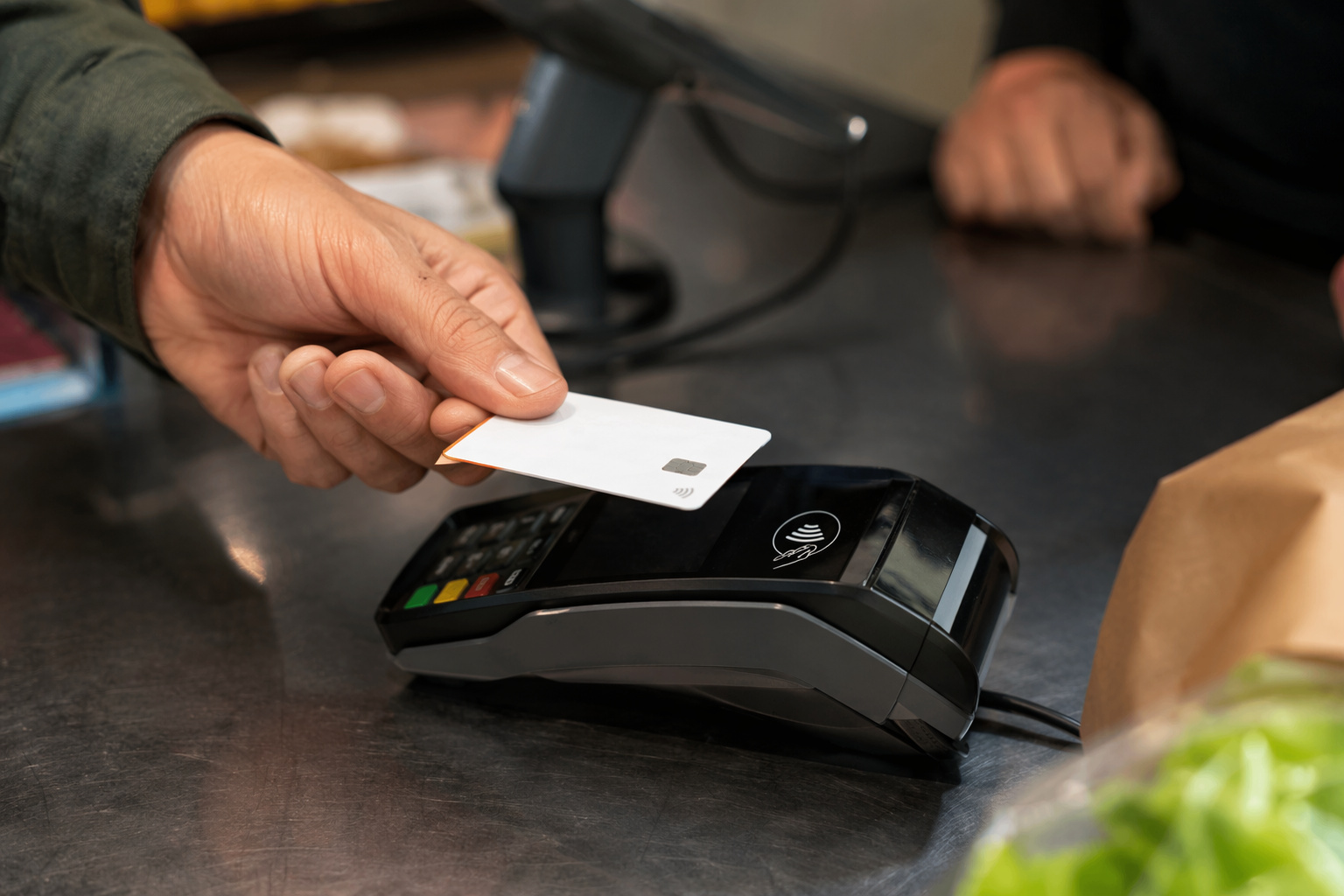
Increasing use of contactless payments requires heightened attention to security, fraud prevention, and constant monitoring of financial transactions
The advancement of contactless payments has consolidated a transformation in consumption in Brazil between 2022 and 2026, according to data from the Central Bank and Febraban.
Contactless technology has become widely used in supermarkets, pharmacies, transportation, and services, making everyday purchases faster and more convenient.
At the same time, the increase in adoption has raised growing concerns about the security of financial data in light of the actions of scammers.
This scenario highlights that, while technology simplifies payments, it also requires continuous attention from consumers and institutions.
How NFC technology works in contactless payments
Contactless payments use NFC (Near Field Communication) technology, which allows data exchange between nearby devices.
Cards, mobile phones, and smartwatches communicate with payment terminals when brought close, eliminating the need for the physical card in most transactions.
Each transaction is encrypted and generates a unique code, which reduces the exposure of the user’s real information.
In many cases, low-value purchases are authorized without a password, according to rules set by financial institutions.
On the other hand, digital wallets add extra layers of protection, such as biometrics and facial recognition before payment is released.
Security of contactless payments and the role of banks
Financial institutions adopt advanced encryption and monitoring systems to identify unusual consumption patterns.
Additionally, limits for password-free transactions have been established, which reduces potential losses in case of misuse.
According to the Central Bank and Febraban, between 2023 and 2025, there was significant evolution in anti-fraud systems with real-time analysis.
Even so, user behavior remains a decisive factor in preventing scams and misuse of the card.
The combination of banking technology and good consumer practices helps reduce occurrences of fraud.
-
Everyone has started talking about the end of the minimum retirement age in Brazil — but has this “silent change” really happened or are we facing one of the biggest recent rumors about the INSS?

-
The true reason behind the Mercosur and European Union agreement is not in supermarkets or factories but rather buried in Brazilian soil in the form of rare earths and strategic minerals that the entire world desperately needs for the future.

-
Everyone has started talking about the end of the minimum retirement age in Brazil — but has this “silent change” really happened, or are we facing one of the biggest recent rumors about the INSS?

-
Contactless payments in 2026 soar in Brazil, exposing new invisible fraud gaps and forcing users to double their security precautions with contactless cards.
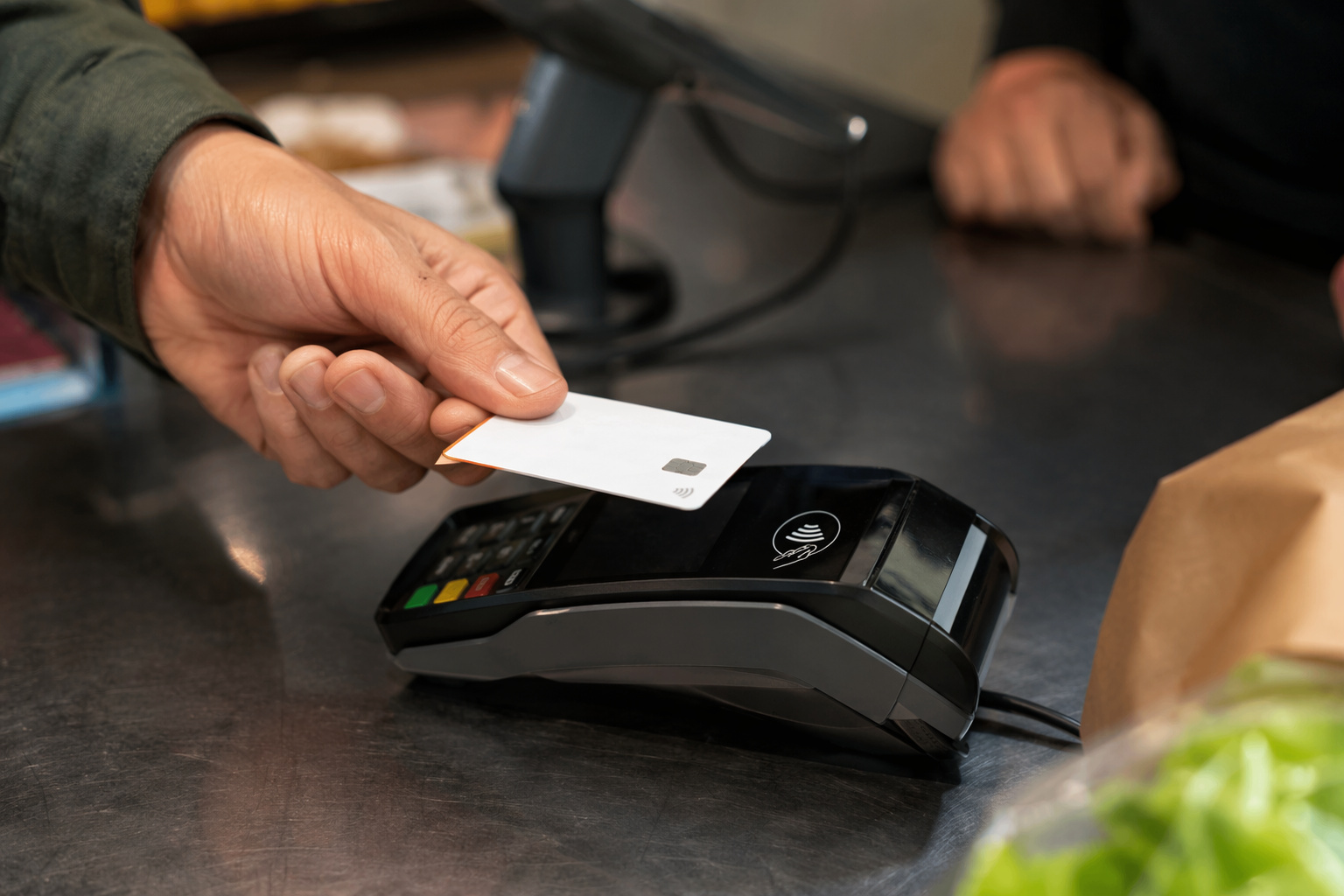
Main forms of fraud in contactless payments
Scammers use various strategies to try to exploit the contactless function, especially in environments with a high flow of people.
One of the practices involves the use of hidden devices in bags or backpacks, discreetly brought close to cards in pockets.
Although this attempt is limited by the short distance required, it can still occur in specific situations.
Another form of fraud involves manipulating payment terminals by installing clandestine devices or malicious software.
Additionally, lost or stolen cards can be used in succession for low-value purchases before being blocked.
Among the main identified practices, the following stand out:
- Installation of illegal devices on payment terminals to capture data
- Use of hidden terminals in busy locations for unauthorized proximity
- Use of stolen or lost cards without immediate blocking
- Attempts to clone electronic data obtained illegally
Precautions that increase security for consumers and establishments
Adopting simple practices can significantly reduce the risks associated with contactless payments.
Frequent monitoring of account statements allows for quick identification of any suspicious activity.
Additionally, activating real-time alerts contributes to an immediate response in case of unknown transactions.
It is also possible to deactivate the contactless function when not in use, depending on the issuer’s rules.
In public environments, using RFID-blocking wallets can help prevent unauthorized reading attempts.
On the establishment side, security depends on strict control of payment equipment.
Payment terminals must be updated, certified, and protected against unauthorized physical access.
Additionally, teams should be trained to identify suspicious changes, unknown cables, or strange devices on terminals.
Information and quick action as a financial protection strategy
The evolution of contactless payments continues to accelerate, according to reports released by the Central Bank in 2025 and 2026.
At the same time, fraud strategies also evolve, making constant information an essential factor for protection.
Consumers, banks, and merchants who keep up with these changes can react more quickly to potential risks.
Periodic review of card settings, use of alerts, and monitoring of statements are fundamental measures.
In case of suspicion, immediate blocking of the card and contesting the transaction should be done without delay.








Seja o primeiro a reagir!