





 Portuguese
  English
  Spanish
  4 min of reading
  0 comments


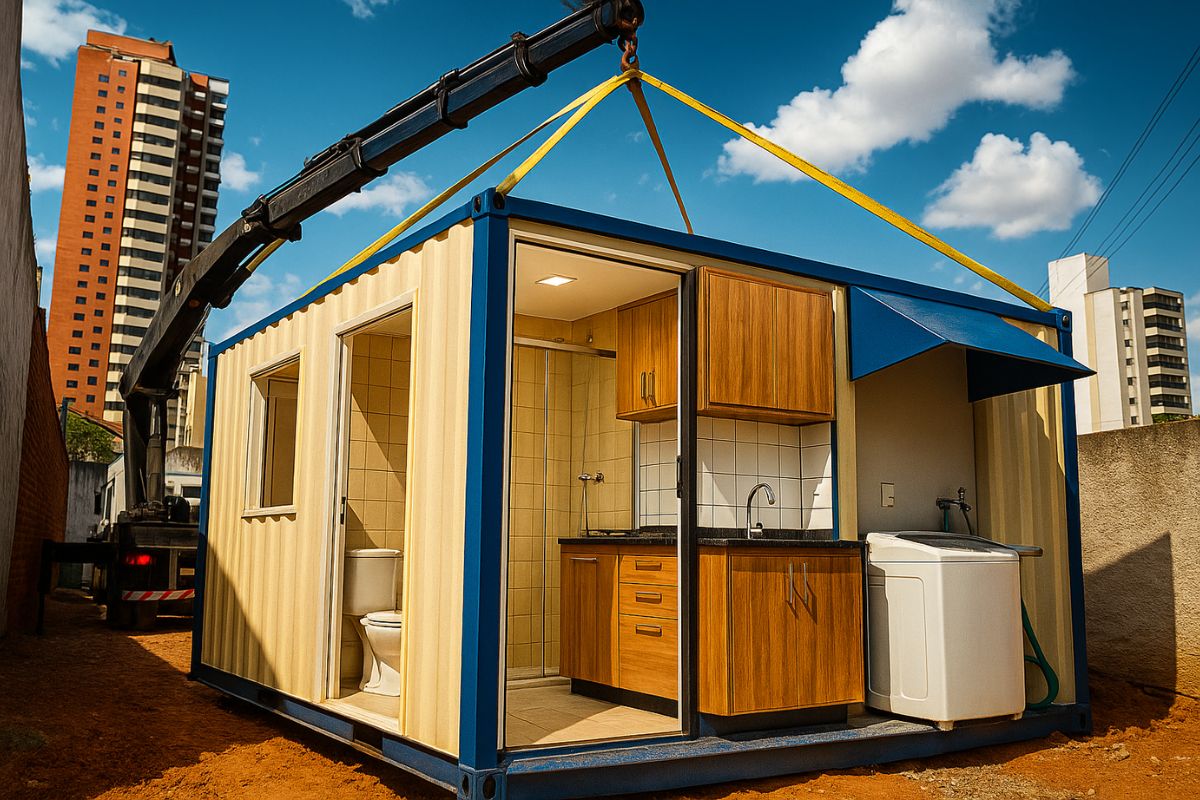
Container Receives Complete Adaptation With Tiled Bathroom, Planned Kitchen and External Area Prepared for Laundry, Showing That the Structure Can Serve as Housing, Investment and Base for New Units on the Same Lot
The container installed in Campinas was transformed into a complete housing unit, designed for immediate use by a family member and later to be part of a set of studios in the same backyard. The proposal was to show that the container can move from being a metal structure to the level of a functional house, with air circulation, reinforced security, a fully tiled bathroom, and a point for external laundry. All of this was accomplished while maintaining the original format of a 20 HC container, which already offers increased height.
The delivery required a difficult access operation, with a narrow gate, sloped street, and low wiring, which extended the unloading time. Even so, the container was positioned and leveled, allowing progress to the interior, where the kitchen and bathroom are on one side and the bedroom with a TV point on the other. The owner’s idea is to continue using the same standard for the next modules to be installed in the back of the lot.
Container Layout and Room Division
The container was organized linearly, using the entrance to divide the space into two main areas. Immediately to the right are the kitchen and bathroom, which concentrate the plumbing and electrical installations. The kitchen was designed to accommodate a stove, sink, wall cabinets, and refrigerator near the door, which facilitates daily use and keeps the circulation area clear. The circuit breaker panel is accessible and visible.
-
YouTuber creates an excavator equipped with a giant 4.5-meter sword to challenge his brother to a rematch, and the invention quickly goes viral on social media.

-
The U.S. Army surprises the world by presenting the UH-60MX Black Hawk helicopter capable of flying without pilots, controlled by a tablet, featuring the MATRIX system, smart sensors, and full autonomy in real combat and rescue missions.

-
Heineken’s factory in Brazil produces 300 million beer cans in just 4 months, reaches 1 million hectoliters, received R$ 2.5 billion, and is already projecting an annual capacity of 5 million with sustainable technology.

-
Inside an active volcano in Africa, residents use volcanic rocks to build houses in an impressive setting.

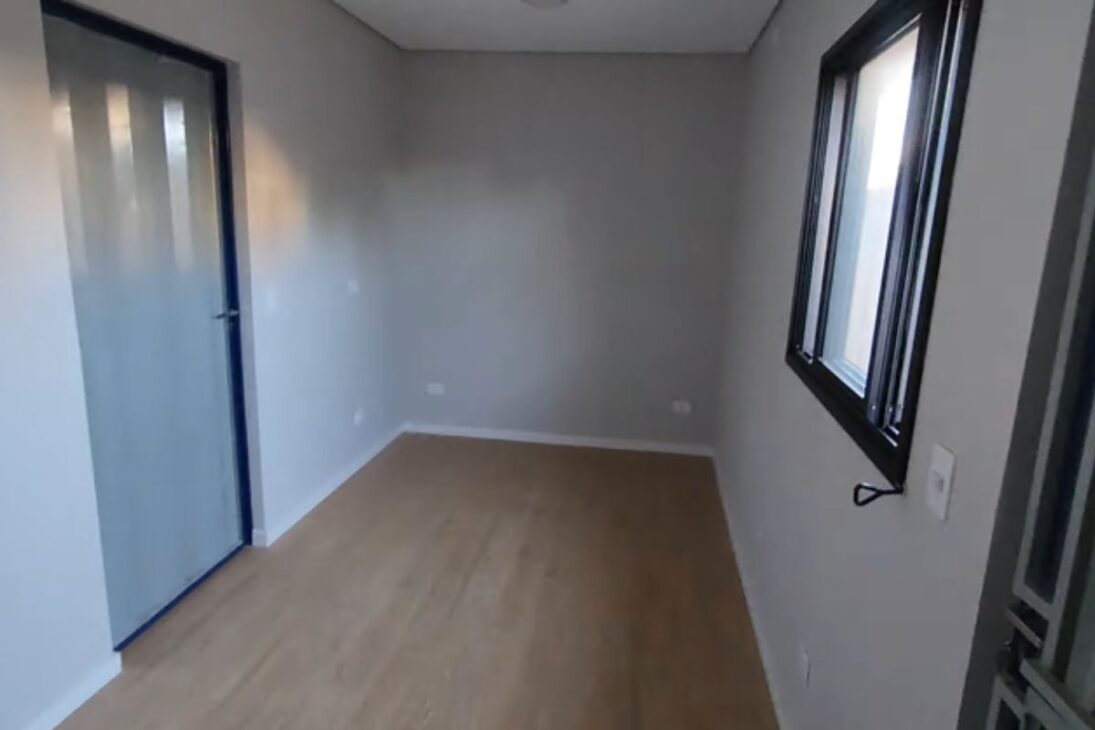
On the opposite side, the bedroom area was reserved. There, the client can install a double bed with outlets on either side of the headboard and a TV point in front. The project was already designed to accommodate overhead cabinets with side descents, in addition to the possibility of using a storage bed to increase storage, which is essential in a container used as compact housing.
Tiled Bathroom Inside the Container
One of the key points that transforms the container into a real home is the bathroom. The entire bathroom was tiled in white, with a basic and timeless finish, which facilitates cleaning and remains in style. The space includes a niche, shower, appropriate flooring, toilet, sink, and mirror, replicating the standard of a conventional residential bathroom.
To ensure comfort, the container’s bathroom received a window with a mosquito screen and grille, following the same standard as the external openings. This allows keeping the window open for ventilation without the risk of insects entering or external access, which is important in compact constructions installed in backyards.
Ventilation, Windows, and Security of the Container
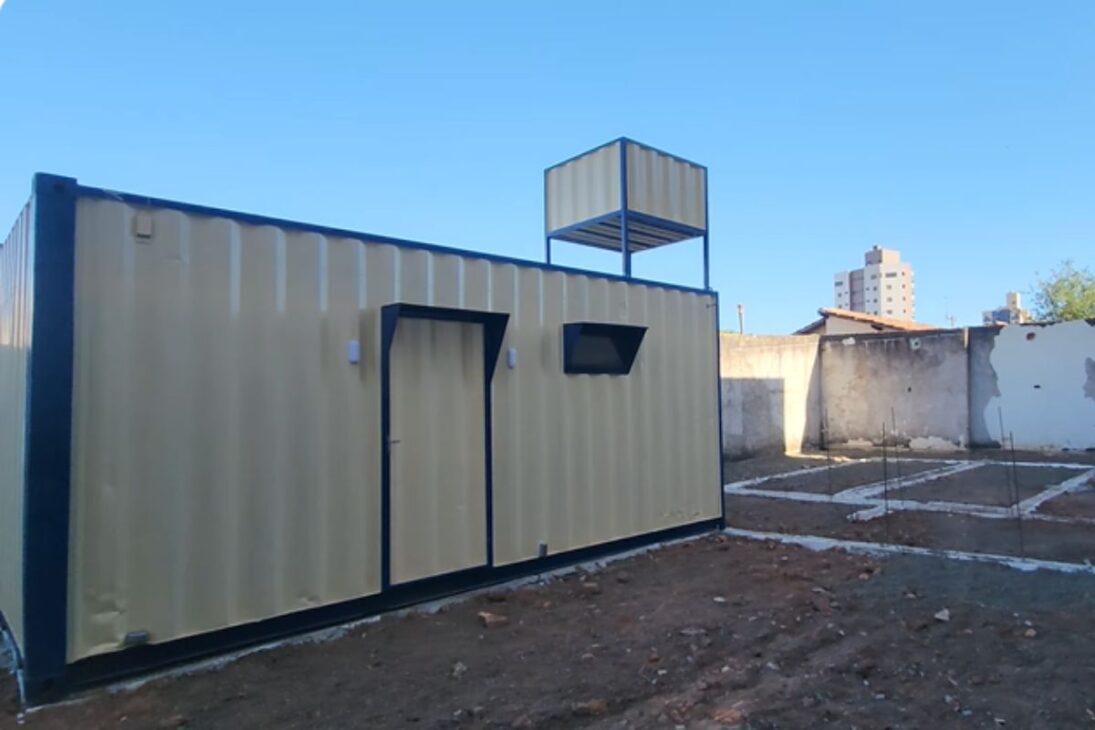
As the container was installed almost in the city center, surrounded by buildings, the project prioritized privacy and protection. The windows are high and feature a mosquito screen and a max air window, allowing airflow without exposure to the street. The sliding protections were made from the container’s own sheet metal, meeting the client’s request for more security.
The entrance door also received a grille. The goal is to allow the resident to leave the door open during the day, enjoying the backyard and airflow while keeping the interior protected. This detail shows that the container can be adapted for daily use, even for those with a dog in the backyard or multiple people circulating on the property.
External Area and Laundry Integrated With the Container
At the back of the container, a corridor of about 1.5 meters was left, forming a private area. There, there are shelters for the gas cylinder, lighting sconces, and metal structure for future coverage. This area was reserved for receiving a sink and washing machine, meaning that the laundry is external but protected, which helps free up internal space in the container.
The installation of the piping and gas hose has already been done, directing everything to the correct point, which facilitates maintenance and increases safety. The corridor also functions as an exclusive ventilation area for this first studio, preparing the ground for the next units that the owner plans to install on the same lot.
Technical Structure of the Container and Areas for Improvement
The container used is a 20 HC model, which has a higher height than a standard container, improving internal comfort and allowing for the installation of cabinets and ceilings without compromising circulation. The doors were made from the container’s own sheet metal, maintaining the visual standard and increasing durability. It was also planned to include a shelter for a water tank, ensuring the unit’s water autonomy.
The team’s report shows that the location is not always ready to receive the container, requiring extra maneuvering and unloading time. Even so, the project was completed and delivered to the client. The team emphasized that each container has a different story and that this type of construction requires adaptation to the terrain, access, and the resident’s needs.
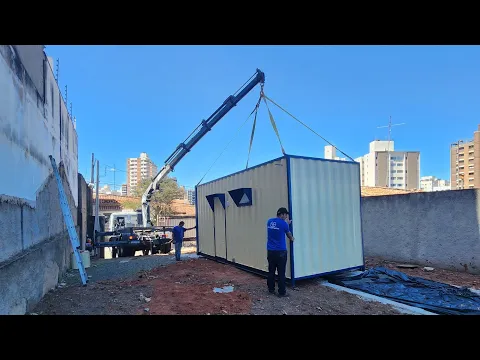

The Campinas case shows that the container can move from temporary use and become functional housing, with a complete bathroom, planned kitchen, and an external laundry area prepared for daily use. When the project considers ventilation, security, and infrastructure, the container starts to behave like a small house, ready to live in or to generate income as a studio.
For you, what must not be missing in a container for it to really be considered a home: a complete bathroom, a planned kitchen, or an external support area? Share in the comments.






-

Uma pessoa reagiu a isso.