





 Portuguese
  English
  Spanish
  5 min of reading
  0 comments


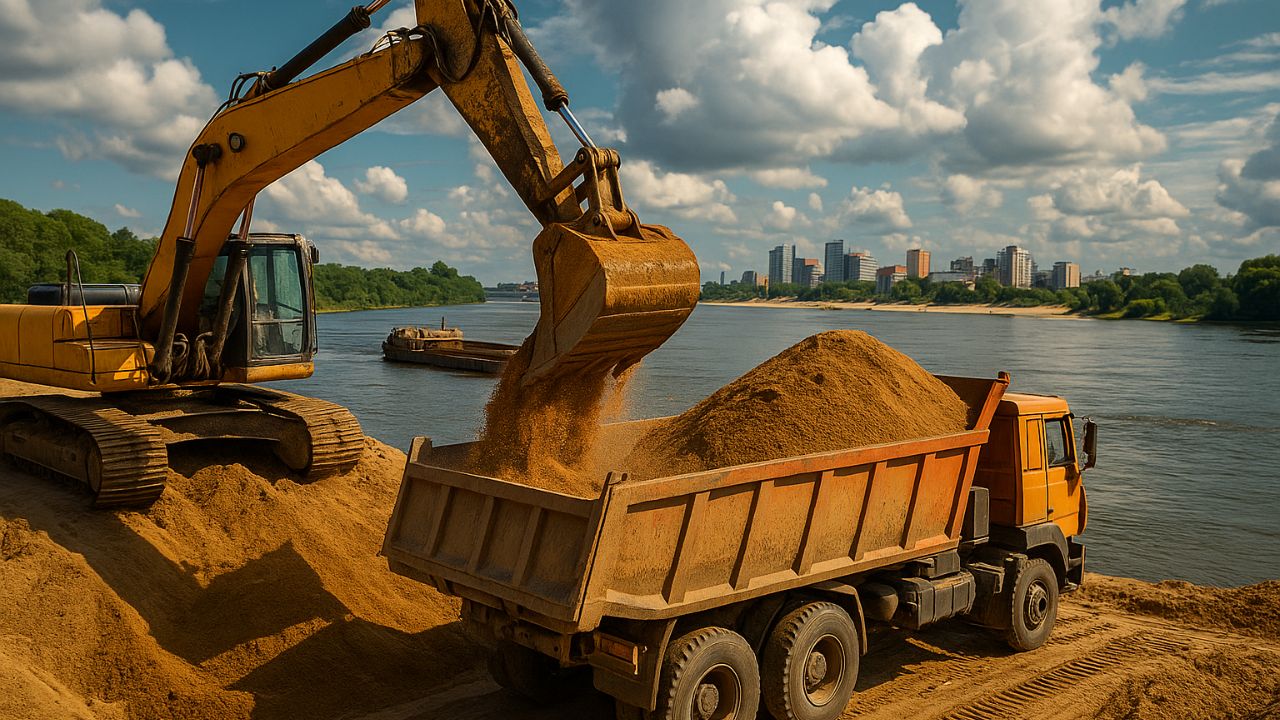
Global Sand Smuggling Turns into a Billion-Dollar Business, Escapes Government Control, Strengthens Sand Mafias, and Accelerates Environmental Risks in Rivers, Beaches, and Cities.
The global sand smuggling has stopped being a local and silent problem to become a billion-dollar phenomenon, with a direct impact on construction, public safety, and the environment. Estimates indicate that about 50 billion tons of sand and gravel are used every year, feeding a market that can reach up to 890 billion reais, and a significant portion of this volume may have illegal origins.
At the same time, the alert from researchers and activists grows about the violence, corruption, and environmental degradation associated with illegal sand extraction. In several countries, sand mafias are behind threats, attacks, and even murders of people trying to monitor or report this kind of activity, while rivers, beaches, and entire ecosystems are altered without any effective control.
Sand, The Invisible Raw Material of the Modern World
Sand is so present in daily life that it often goes unnoticed. It is in concrete, asphalt, glass, silicon, cosmetics, and even in some types of wine. About 90% of all sand consumed goes to the construction industry.
-
End of the 6×1 schedule: how the reduction of hours can affect service companies, industry, and agribusiness.

-
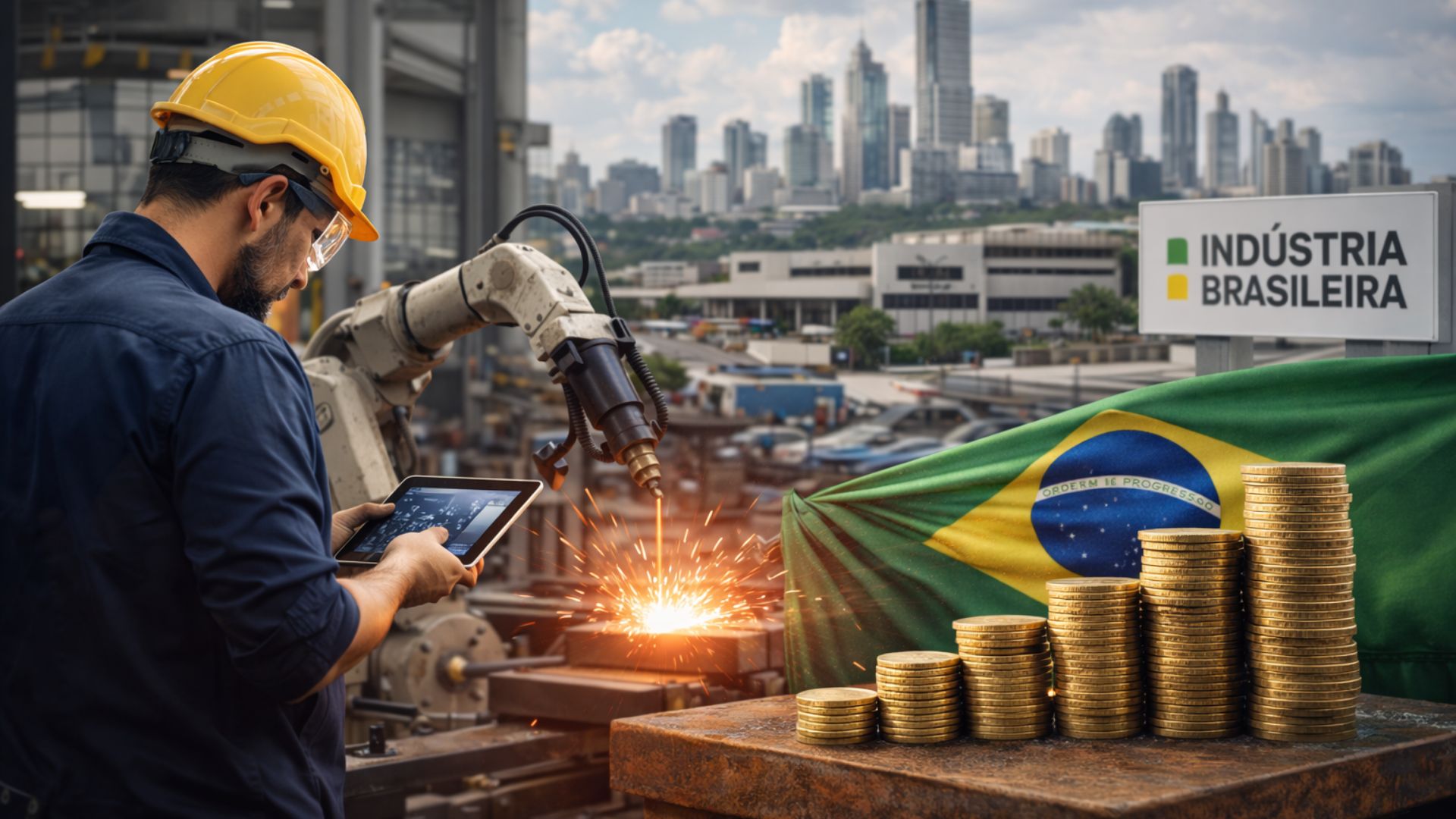
Brazil Ignores Trump’s threats to BRICS, Buys 42 tons of gold and reduces the Dollar’s share by 6.45% in international reserves.

-
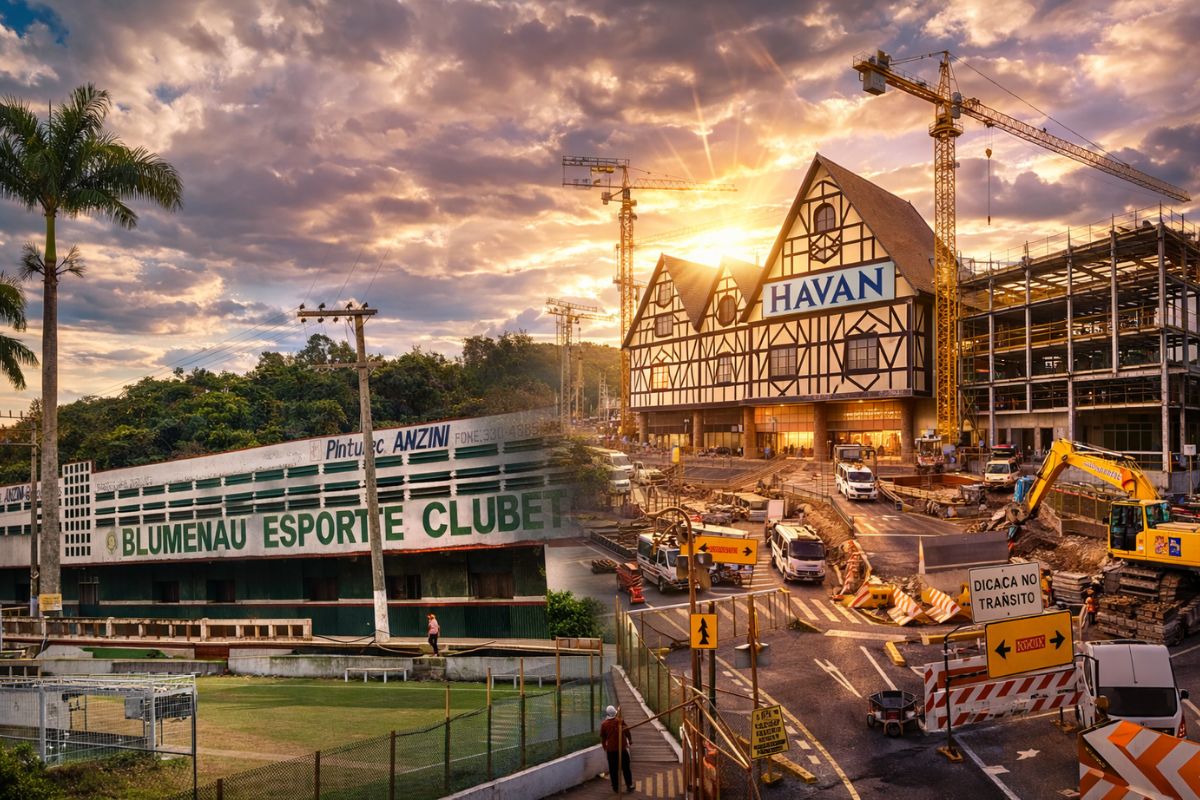
Havan buys historic football land in Blumenau for a million-dollar amount protected by a confidentiality clause and is already planning to change even the layout of streets to build a megastore in half-timbered style costing 80 million reais.
-
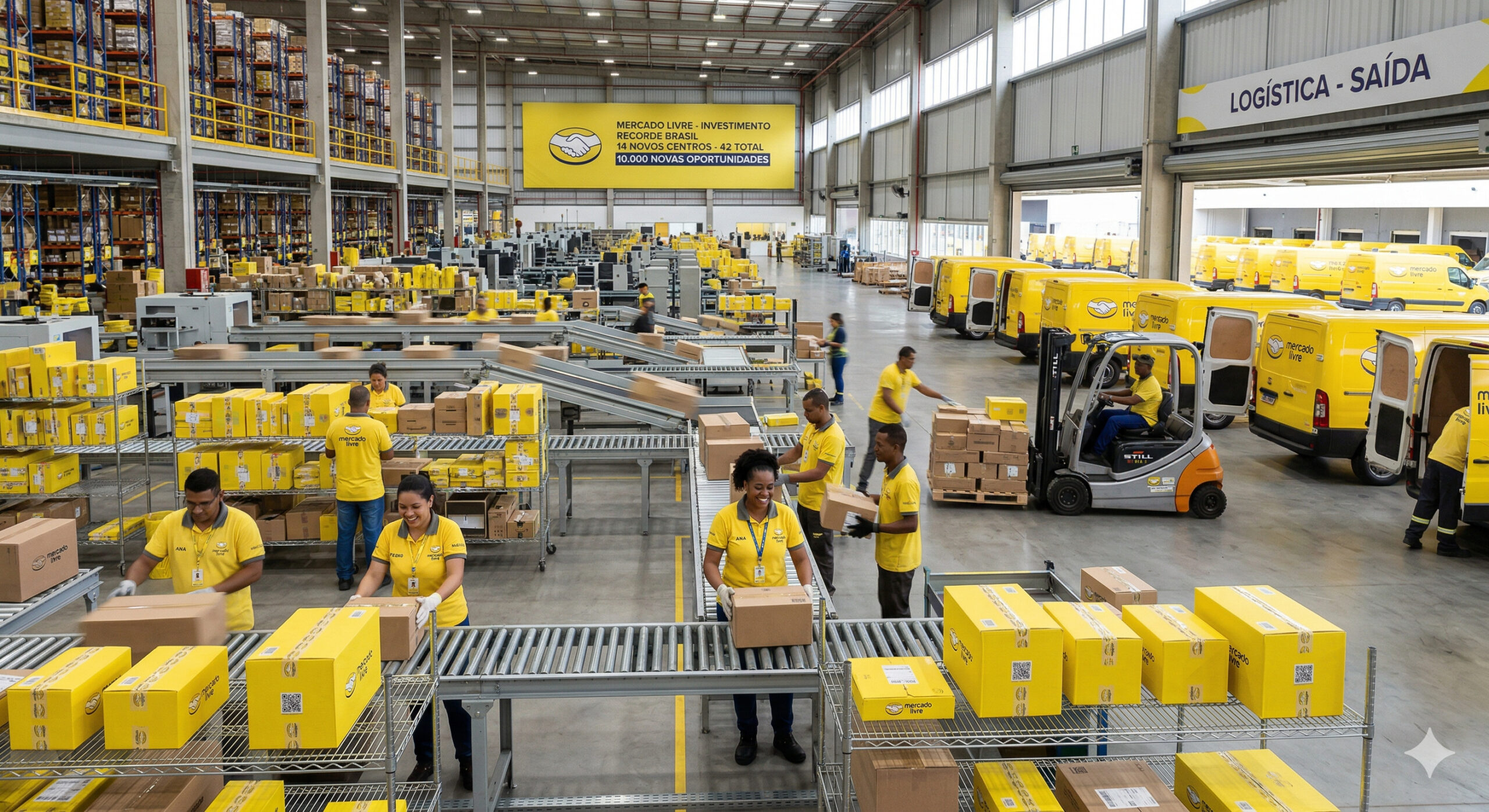
Mercado Livre “opens the vault” and announces a record investment of R$ 57 billion in Brazil in 2026, a value 50% higher than the previous year, with an expansion plan that includes 14 new logistics centers, totaling 42 units in the country and hiring an additional 10,000 employees.

China and India lead the global demand, driven by rapid urban growth. In developing countries, hundreds of millions of people migrate from rural areas to cities every year, and this urbanization pulls an intense consumption of concrete and asphalt.
Estimates suggest that the world constructs the equivalent of nine cities the size of New York each year, which helps explain why the global sand market has become so strategic.
Why Illegal Sand Extraction Is Growing


Although it seems abundant, not every sand is suitable for construction. Desert sand, shaped by the wind, has very rounded grains and does not provide the necessary adhesion for concrete. The most valued is river sand, with irregular edges, which ensures more strength and durability to structures.
It is exactly this sand, taken from riverbeds and coastal areas, that has become the target of illegal sand extraction. It can be removed manually or with machinery, often without a license or in areas where this activity is prohibited.
In several developing countries, researchers estimate that more than 50% of sand extraction is illegal, reinforcing the weight of global sand smuggling in the supply chain.
Once mixed with sand obtained legally, the origin of the material practically disappears. The cargo can head to a construction site or a cargo ship without anyone being able to identify where that sand came from.
High demand, low extraction costs, and the fact that purchasing sand is a legal practice create a scenario where control is difficult and enforcement is limited.
Sand Mafias and Violence in Several Countries
The rise of global sand smuggling has opened space for organized groups at various levels, from small owners removing sand to build their own houses to structured networks known as sand mafias.
These groups operate in clandestine extraction points, using intimidation, threats, and attempts at bribery and finding fertile ground in regions where enforcement is weak and corruption in local and regional governments is common.
Field reports and documented cases indicate that hundreds of people have been murdered in recent years in conflicts related to sand, with records in Mexico, Ghana, Indonesia, India, and other countries.
In some episodes, environmental activists, local residents, and even authorities attempting to halt illegal sand extraction have become direct targets of the sand mafias.
Environmental Impact of Sand Extraction
The problem is not only economic and security-related. The environmental impact of sand extraction is profound and often irreversible.
Excessive removal of sand in rivers and beaches increases the risk of erosion, landslides, and flooding. In stretches of river where dredging is intense, the riverbed is lowered, and the banks lose support, which can compromise bridges, roads, and riverside communities.
In the aquatic environment, dredging acts as a forced removal of life. By pulling sand from the riverbeds, the entire habitat of plants, fish, and other organisms is destroyed. This alters food chains, reduces biodiversity, and can harm artisanal fishing and water quality.
In coastal areas, the removal of sand from beaches and dunes reduces natural protection against storms and sea encroachment. Coastal cities become more exposed to storm surges, flooding, and coastal line retreat.
In many cases, the effects appear gradually, making it harder to immediately associate the damage with illegal sand extraction.
A Billion-Dollar Market Difficult to Track
The global sand market is estimated at around 890 billion reais, but it is still almost impossible to determine how much of that amount comes from illegal operations. Estimates range from a few tens of billions of dollars in value moved each year, with global sand smuggling occurring in dozens of countries.
In Western Europe and North America, irregular extraction exists on a smaller scale. In developing countries, the activity can reach millions of tons per year, often without adequate monitoring.
The combination of high consumption, low extraction costs, limited enforcement, and tracking difficulties keeps global sand smuggling as one of the world’s least visible illegal markets, despite its economic weight and the accumulated impacts on communities and ecosystems.
Technologies, Alternatives, and Challenges to Curb Smuggling
Some technological solutions are already in use or under development. It is possible to recycle concrete to reuse sand and to produce artificial sand by crushing rocks, which would reduce pressure on rivers and beaches. However, these alternatives are still costlier and more energy-intensive compared to direct extraction.
Experts point out that as long as sand extraction remains a cheap, poorly monitored, and high-return activity, there will be an incentive for illegal sand extraction and for the advancement of sand mafias.
The proposed responses cover various fronts:
- greater involvement of local communities in monitoring extraction areas
- institutional strengthening to combat corruption linked to the sector
- awareness campaigns about the environmental impact of sand extraction
- public policies and international standards that make tracking the origin of the material more feasible
Without this set of measures, the fear of researchers and activists is that global sand smuggling will continue to grow silently, with diffuse effects on rivers, beaches, cities, and production chains worldwide.
And for you, what should be the government priority: tightening enforcement on global sand smuggling or first investing in alternatives like artificial sand and concrete recycling?






Seja o primeiro a reagir!