





 Portuguese
  English
  Spanish
  5 min of reading
  0 comments


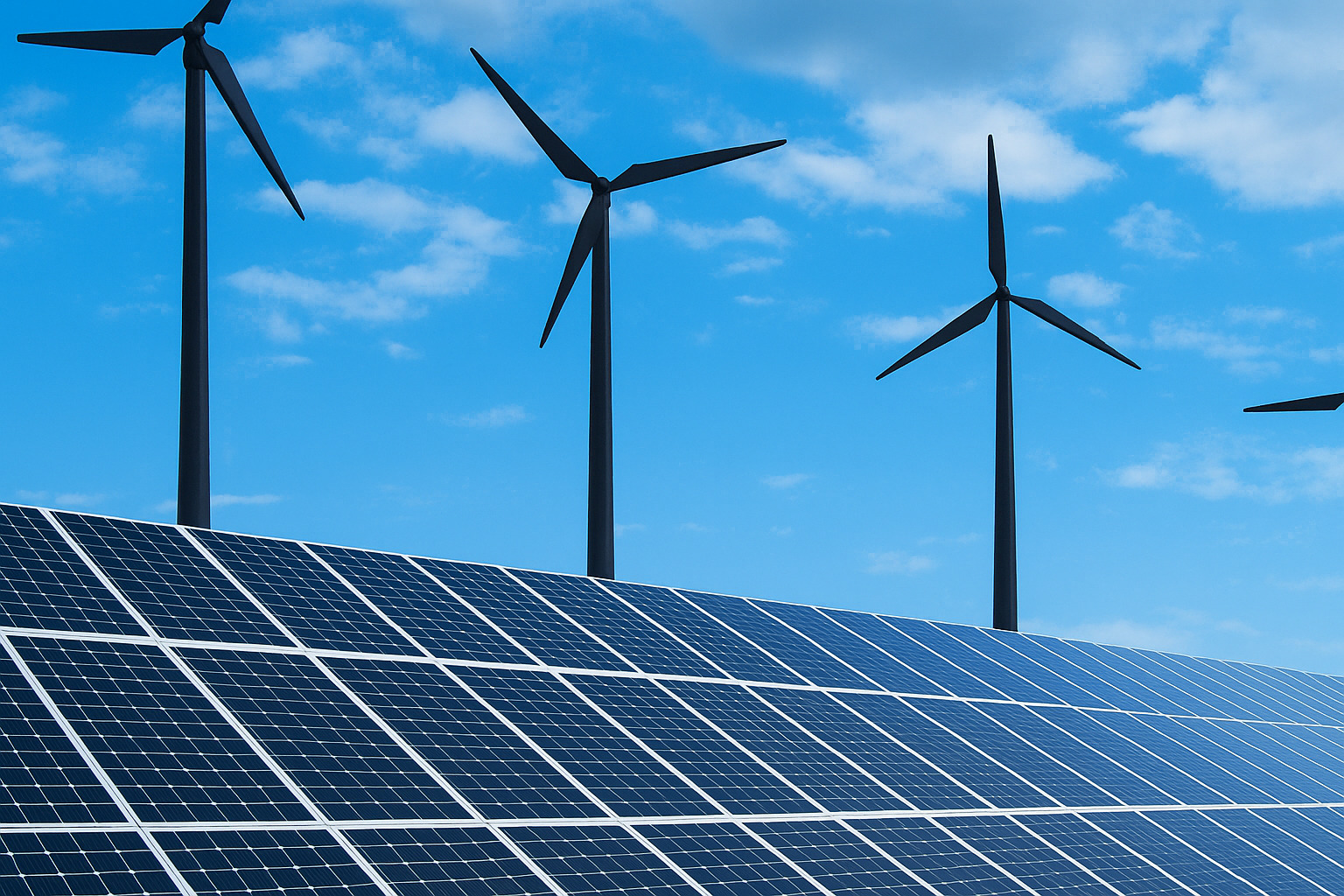
Discover How International Cooperation Between Brazil and the United Kingdom Strengthens the Energy Transition and the Sustainable Use of Critical Minerals.
International cooperation is proving to be increasingly essential in tackling the global challenges of the 21st century.
Furthermore, among the highlighted topics are critical minerals and the energy transition. Fundamental elements for sustainable development, technological innovation, and the mitigation of climate change impacts.
Recently, Brazil and the United Kingdom strengthened their partnership, demonstrating that collaboration between nations strengthens economies. It ensures energy security and, consequently, accelerates the adoption of clean energy sources.
-
How green infrastructure and renewable energy at the World Cup transform the logistics of the largest sporting event on the planet in North America.

-
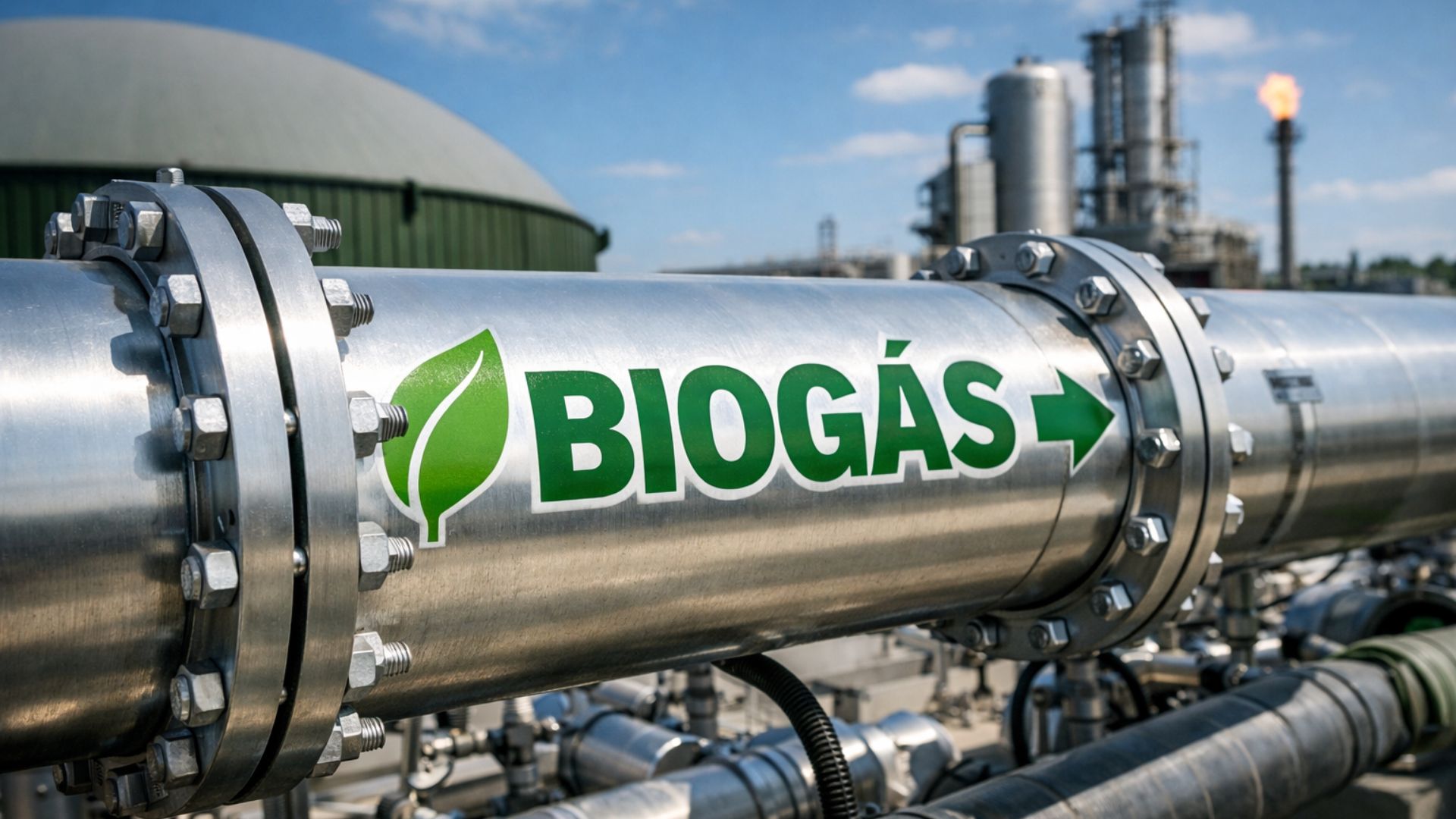
The Cagece and UFC project advances in sustainable innovation with biogas by converting waste into renewable energy, reducing environmental impacts, and increasing sanitation efficiency with concrete and measurable results.
-
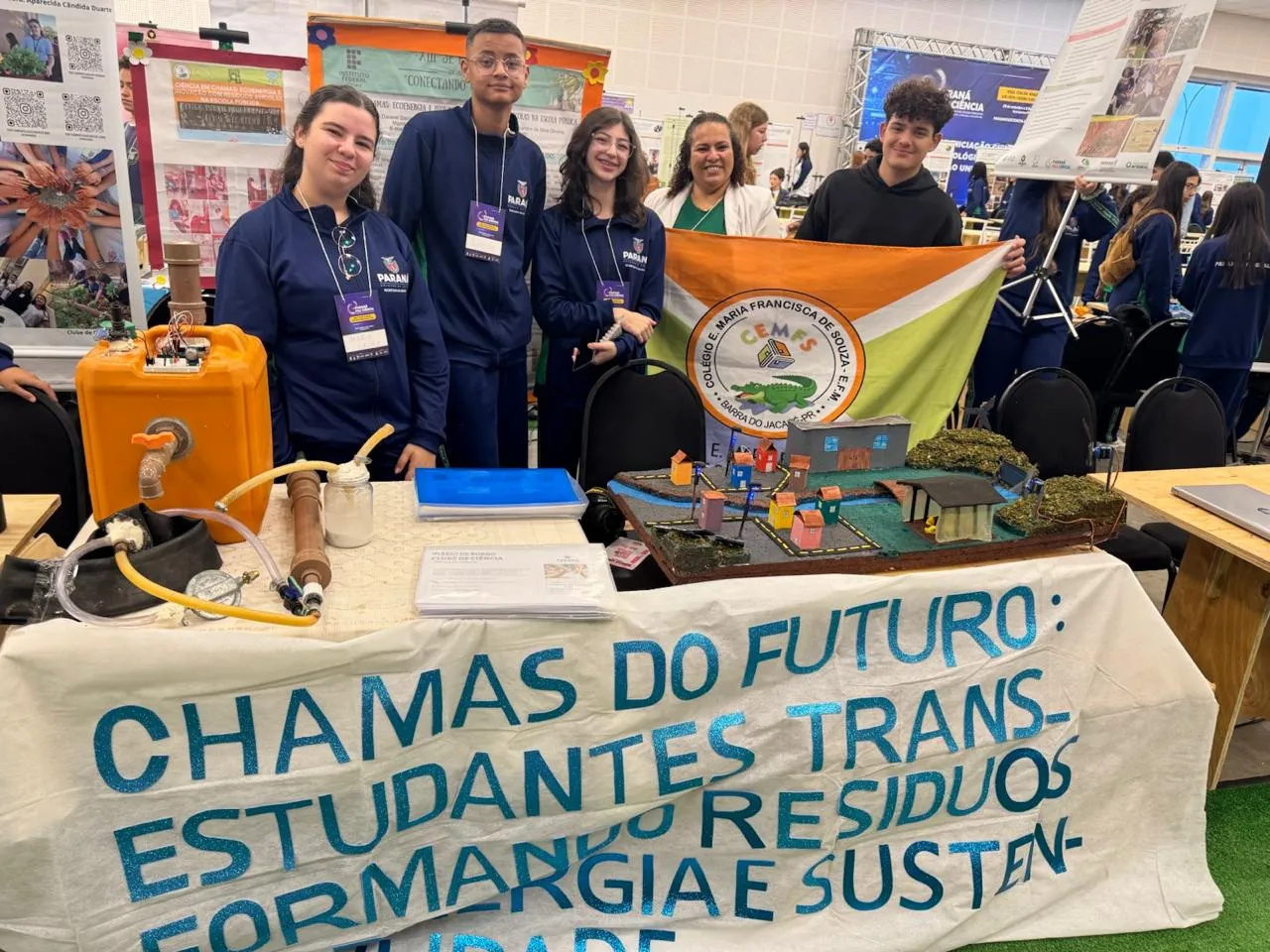
Paranaense students develop a system that transforms farm waste into clean energy and revolutionizes sustainable agribusiness.
-
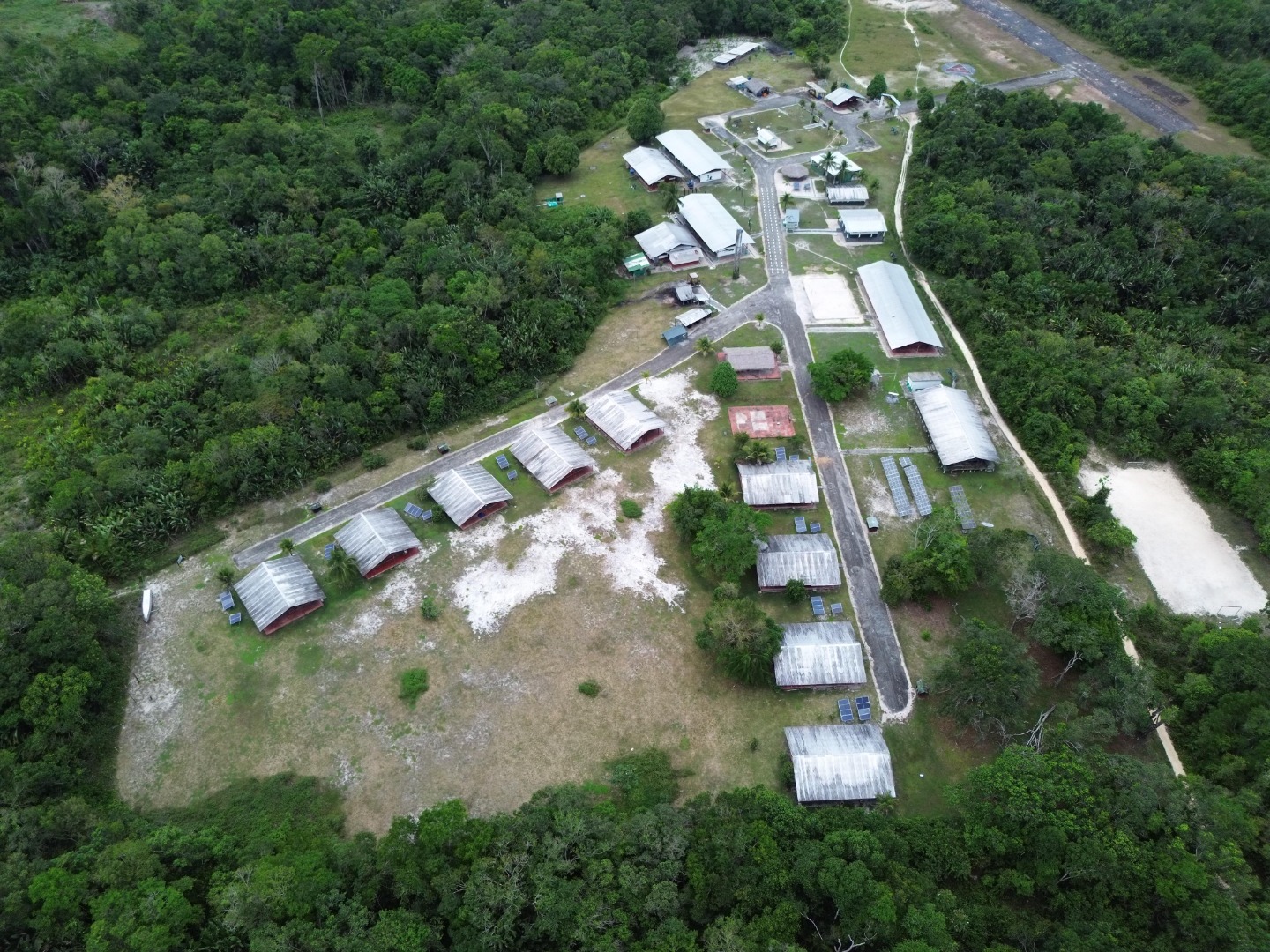
The Ministry of Defense installs a giant photovoltaic plant and ensures a stable supply of clean energy in Maturacá, in the Amazon.
Historically, international cooperation in the energy sector has generated significant results.
Since the 20th century, countries have established bilateral and multilateral agreements, allowing for the exchange of technical and scientific knowledge. In addition to investments in infrastructure and the establishment of global production and consumption standards.
For example, the creation of organizations such as the International Energy Agency (IEA) in 1974 responded to the need for global coordination in the face of oil crises.
Therefore, experience shows that countries that work together advance more rapidly in innovation, energy efficiency, and sustainability policies.
In the current context, critical minerals play a central role.
Indeed, these resources support the manufacturing of batteries, renewable energy equipment, electronic devices, and low-carbon technologies.
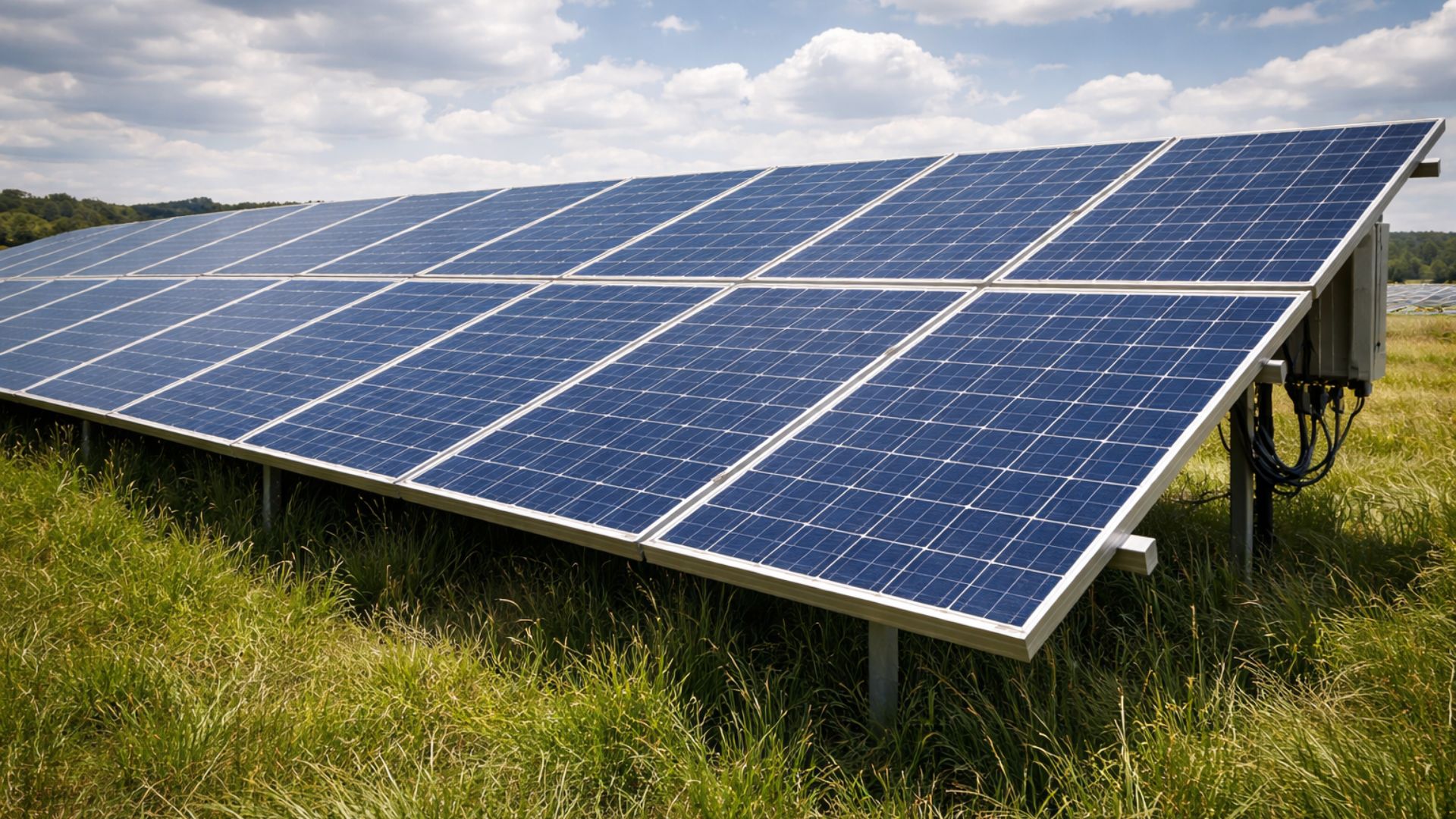
Additionally, the growing demand for electric vehicles, wind turbines, and solar panels reinforces the need to ensure safe and sustainable access to these minerals.
In this scenario, international cooperation becomes strategic. Because no country has all the necessary reserves and processing capabilities to meet global demand independently.
The Brazil-United Kingdom Partnership Strengthens the International Agenda
The Ministry of Mines and Energy (MME) of Brazil and the British government held a meeting on September 25, 2025 to advance joint agendas related to the exploration of critical minerals, energy security, and the transition to a low-carbon economy.
During the meeting, delegates highlighted the relevance of including these topics in the agenda of COP30, which will take place in Belém, Pará, and in future international conferences.
Thus, the initiative highlights that international cooperation is not only strategic but also essential for advancing global climate commitments.
Brazil is participating in the Global Clean Power Alliance (GCPA), an international initiative that addresses challenges related to the critical minerals supply chain.
Among the GCPA’s objectives are the promotion of data transparency, diversification of supply sources, use of secondary materials, and encouragement of investments in emerging countries.
In this way, the approach reinforces the importance of structured international cooperation that can generate mutual benefits and strengthen economies in a balanced way.
Additionally, Brazil emphasized that critical minerals accelerate global climate commitments and that governments, the private sector, financial institutions, academia, and civil society need to engage.
Therefore, this vision broadens the concept of international cooperation, showing that collaboration involves multiple actors contributing to innovative and sustainable solutions.
By integrating different sectors, countries can develop more effective policies, encourage responsible investment, and promote the sustainable use of natural resources.
Concrete Results and Long-term Vision
The Brazil-United Kingdom partnership foresees concrete results by 2028, the year of the second global stocktake, an event that will allow for the assessment of global progress in the energy transition and the redefinition of strategies.
Thus, this planning demonstrates that international cooperation is a continuous process that requires long-term vision, political commitment, and articulation among different levels of governance.
Indeed, historical experience shows that projects of this nature achieve greater impact when they establish clear goals, periodic monitoring, and accountability mechanisms.
Beyond the economic and technological aspect, international cooperation between Brazil and the United Kingdom strengthens the countries’ positions in multilateral forums and enhances their capacity to influence global decisions related to energy, the environment, and technological innovation.
Thus, this synergy becomes even more important in a context marked by rapid transformations, such as the digitalization of the economy, the emergence of new energy sources, and the pressure to reduce greenhouse gas emissions.
Another relevant point is the social and environmental dimension of international cooperation.
Indeed, responsible access to critical minerals requires respect for local communities and sustainable mining practices.
Additionally, Brazil’s experience, combined with the technological and regulatory advances of the United Kingdom, serves as a model for other nations seeking to balance economic growth and environmental preservation.
In this way, the partnership contributes to building a fairer and more sustainable future.
Science, Technology, and Innovation in the Energy Transition
The collaboration between Brazil and the United Kingdom highlights the role of science, technology, and innovation in the energy transition.
In addition, the exchange of technical knowledge, joint research, and the development of innovative solutions optimizes the production, storage, and use of clean energy.
Consequently, international cooperation creates opportunities for capacity building, job creation, and strengthening innovation ecosystems, benefiting both the countries involved and the global community.
Another benefit of the partnership is the creation of training and technical education programs.
Indeed, international cooperation allows Brazilian and British professionals to share experiences, enhance their skills, and adopt best practices in sustainable mining, waste management, and the development of green technologies.
In this way, this generates positive impacts on the labor market and strengthens human capital, essential to sustaining an efficient and lasting energy transition.
In summary, the recent rapprochement between Brazil and the United Kingdom reinforces the importance of building strategic and lasting partnerships around global issues such as critical minerals and the energy transition.
Therefore, international cooperation is not only a diplomatic tool but an essential mechanism to face complex challenges, promote sustainable development, and accelerate the implementation of low-carbon solutions.
By integrating efforts from different nations, sectors, and institutions, it is possible to create a more resilient, innovative, and prepared environment for future challenges.








Seja o primeiro a reagir!