





 Portuguese
  English
  Spanish
  5 min of reading
  0 comments


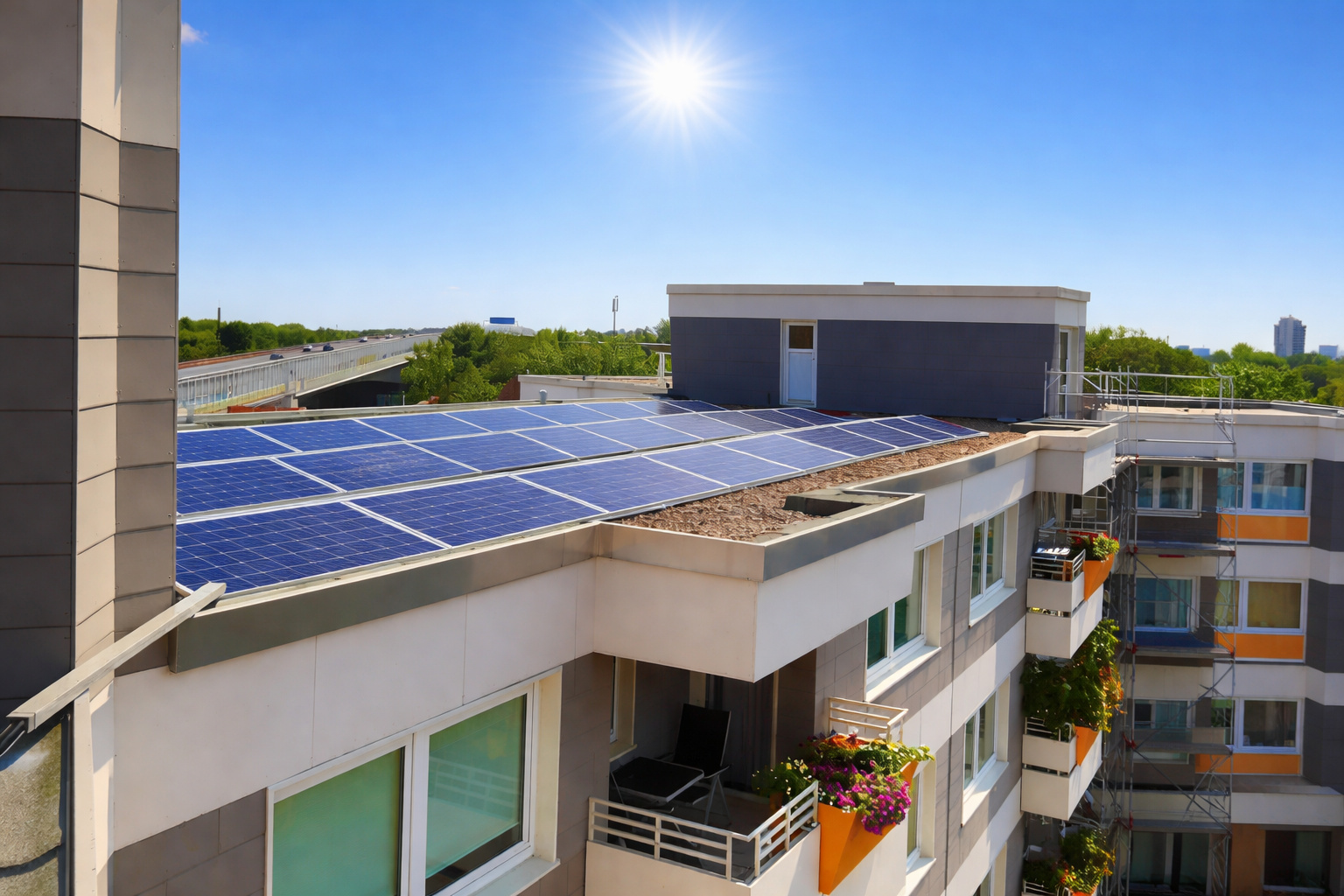
Distributed Generation Cooperative Advances in Brazil by Expanding Access to Clean Energy, Reducing Costs, and Strengthening the Collective Model of Electricity Production.
The growth of the distributed generation cooperative in Brazil reflects a profound change in how consumers relate to electricity. In recent years, this collective model has gained traction by allowing individuals and businesses to participate in clean energy production, even without installing their own systems. As a result, the country now counts around 60 thousand customers served by cooperatives, a number that represents a significant advance and signals the consolidation of the sector.
Since the beginning of distributed generation in Brazil, the search for more economical and sustainable alternatives has driven new organizational formats. In this context, the distributed generation cooperative emerged as a practical response for consumers who wanted to reduce costs while contributing to the energy transition. Over time, this model adapted to the Brazilian regulatory reality and began to attract different profiles of participants.
Moreover, technological advancement and the decrease in solar equipment costs have facilitated the expansion of cooperatives. As a result, distributed generation is no longer a solution restricted to large investors and has begun to integrate into the daily lives of small business owners, rural producers, and residential consumers. Thus, the distributed generation cooperative has established itself as a viable and accessible alternative.
-
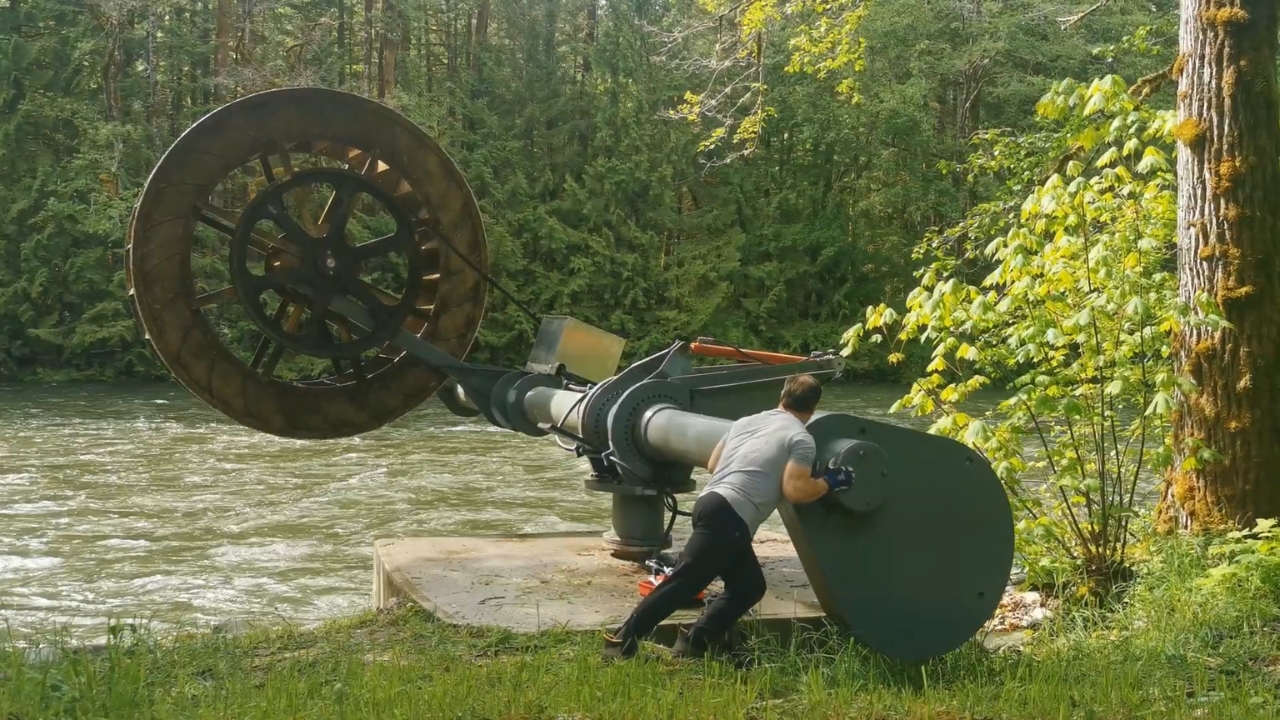
A Canadian retiree creates a hydroelectric system on a real river, generating energy continuously throughout the day and demonstrating how the power of water can supply a house with stability even in a simple structure.
-
Petrobras reaffirms its commitment to the market and ensures that it will carry out the energy transition safely to maintain national sovereignty.

-
Researchers discover a possible hydrogen deposit of up to 46 million tons beneath an ancient coal basin, and the volume could exceed half of the entire global production.

-
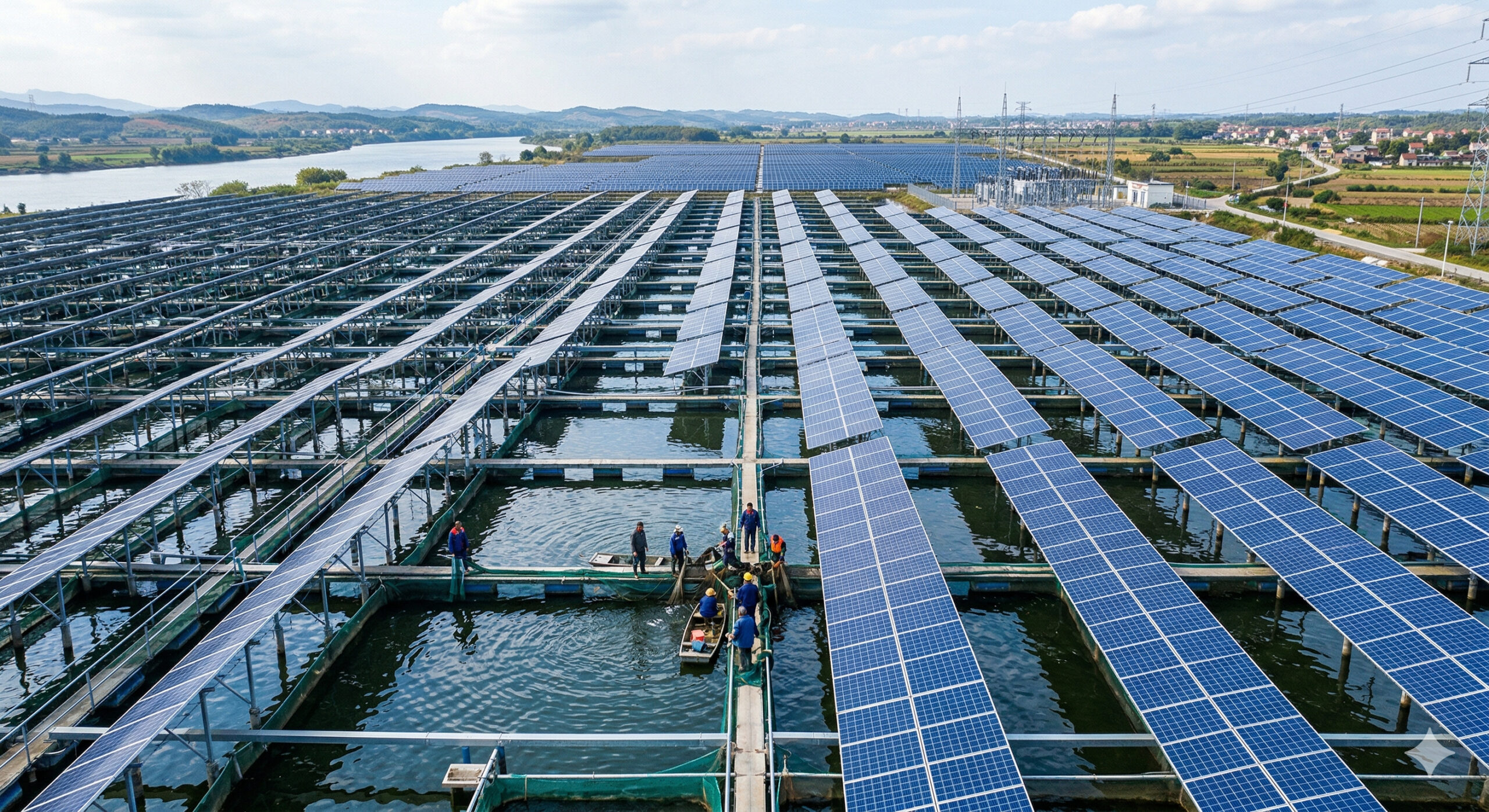
China bets on the Fishery-PV model and transforms fish farms into giant solar plants, covering ponds with panels that generate energy while utilizing the same space for large-scale aquaculture production.

Origins and Evolution of the Distributed Generation Cooperative in Brazil
Historically, the Brazilian electricity sector has always been based on large centralized plants and long transmission networks. However, starting in the 2010s, the country began a gradual movement toward decentralization of energy generation. In this scenario, the regulation of distributed generation opened the way for new business models and collective organization.
With the publication of the first regulations that allowed for electricity compensation, consumers began to see opportunities outside the traditional model. Thus, the distributed generation cooperative gained relevance by uniting people with the same goal: to produce clean energy in a shared manner. Over the years, this format has strengthened, especially in regions with high solar potential.
As more consumers joined the system, cooperatives expanded their activities and diversified projects. Furthermore, the accumulated experience allowed for efficiency gains and greater legal security. Therefore, the 40% growth in the number of customers is not just a statistical datum but rather the maturity of a model that has consolidated in the country.
How a Distributed Generation Cooperative Works
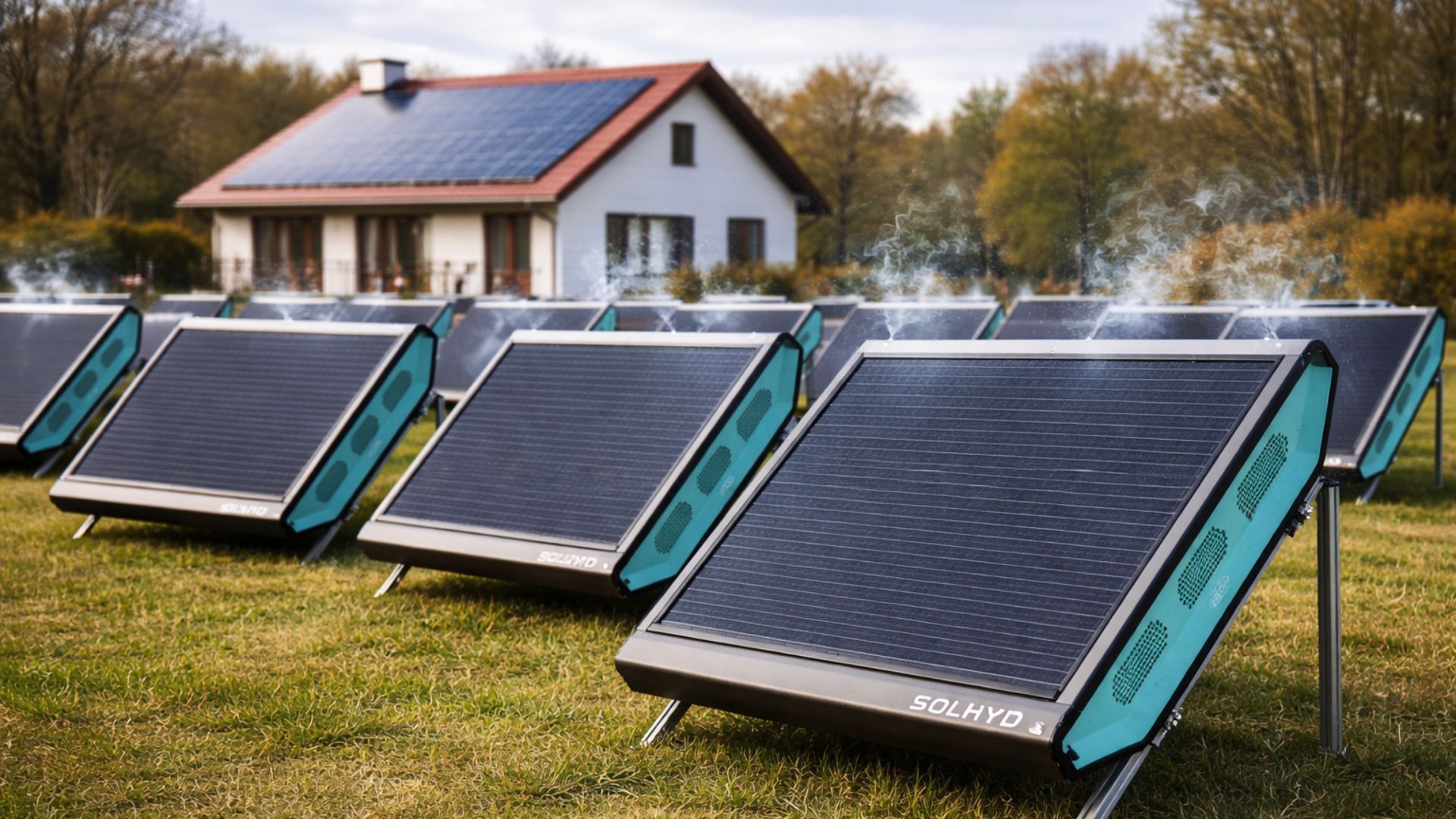
The operation of a distributed generation cooperative is based on the union of consumers who become members. Instead of each participant individually investing in a generation system, the cooperative installs shared plants, usually solar energy, and distributes energy credits among its members. In this way, everyone benefits from the production without the need for individual installations.
Additionally, this model reduces financial barriers, as costs are shared among the members. At the same time, collective management allows for better planning and maintenance of systems. As a result, participants achieve predictability in their energy expenses and greater stability in the face of tariff fluctuations.
Another relevant point is that the cooperative assumes technical and administrative responsibilities. Thus, the end consumer does not need to deal with complex operational issues. This makes the distributed generation cooperative especially attractive for those seeking simplicity and savings without giving up sustainability.
Economic and Social Benefits of the Cooperative Model
From an economic perspective, the distributed generation cooperative directly contributes to reducing electricity bills. By receiving energy credits, members decrease their dependence on conventional energy and protect themselves against tariff increases. Furthermore, the collective model allows access to larger-scale projects, which tend to be more efficient.
Socially, the impact is also significant. Cooperatives strengthen the local economy, create jobs, and stimulate community participation. At the same time, they promote energy education and greater awareness of rational electricity use. This way, the model goes beyond financial savings and generates lasting benefits.
Another important aspect involves democratizing access to clean energy. People living in rental properties or in places without technical conditions to install solar panels find in the cooperative a practical solution. Thus, the distributed generation cooperative broadens the reach of the energy transition in Brazil.
Recent Growth and Sector Consolidation
The 40% growth in the number of customers demonstrates that the distributed generation cooperative is experiencing a moment of consolidation. This advance results from a combination of greater public awareness, regulatory security, and the search for sustainable solutions. Over time, the model has ceased to be a novelty and has begun to integrate energy planning strategies.
Furthermore, companies and rural producers have come to see cooperatives as tools for competitiveness. By reducing operational costs, these agents can invest in other areas and strengthen their businesses. As a result, the sector has attracted new investments and expanded its presence in different regions of the country.
This movement also reflects a cultural shift. Increasingly, consumers understand the importance of clean energy and conscious consumption. In this context, the distributed generation cooperative presents itself as a collective path to face energy and environmental challenges.
Challenges and Perspectives for the Future
Despite the significant growth, the distributed generation cooperative still faces challenges. Among them are the need for regulatory improvement and adaptation to changes in the electricity sector rules. However, the experience accumulated by cooperatives strengthens their capacity to respond to these challenges.
At the same time, the prospects for the future remain positive. Technological advancement, along with the expansion of solar generation and other renewable sources, is expected to further extend the model’s reach. Furthermore, the search for sustainability should keep the distributed generation cooperative as a relevant alternative in the long term.
Therefore, observing the continuous growth and reaching 60 thousand customers, it is evident that this model has consolidated in Brazil. With simple language, collective organization, and a focus on clean energy, the distributed generation cooperative represents a solid and timeless path for the future of the Brazilian electricity sector.









Seja o primeiro a reagir!