





 Portuguese
  English
  Spanish
  3 min of reading
  0 comments


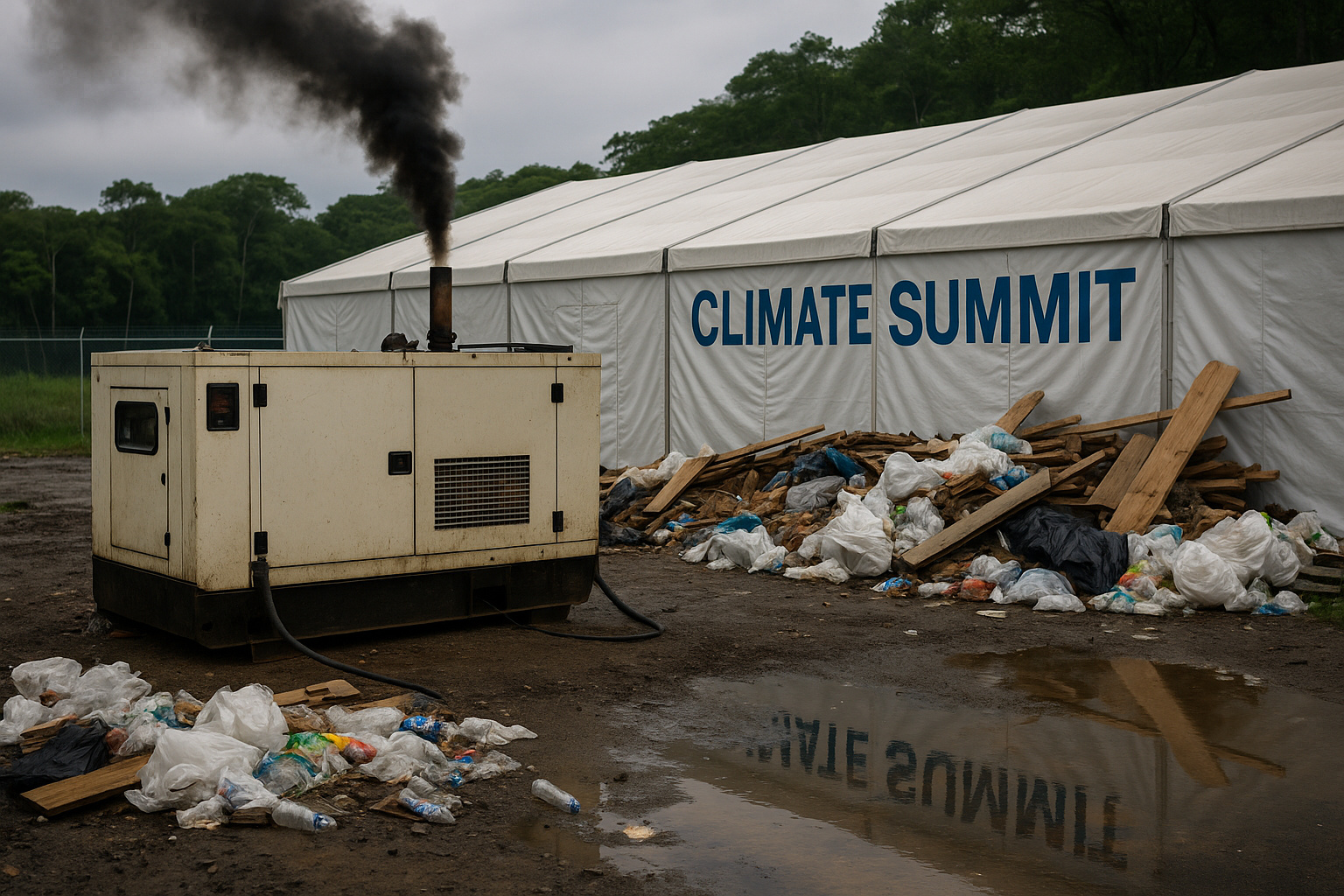
Even With Environmental Rhetoric, COP30 Operates With Diesel Generators, Poor Waste Management, and Constant Emissions at the Blue Zone Pavilion, According to Inspections Conducted on Site
COP30, which will take place in Belém (PA) in November 2025, should symbolize the global commitment to reducing greenhouse gas emissions. However, the reality behind the scenes reveals a contradictory scenario. Amid speeches about sustainability, the event operates with hundreds of diesel generators, carbon emissions, and improper waste disposal.
According to data from the organization, 80,000 kilovolt-amperes of electrical power are needed to keep the conference running. For this, about 160 diesel generators have been installed around the Blue Zone — the area allocated for official delegations and heads of state. More than 30 technical plazas hold up to 20 machines each, operating continuously to support the cooling and lighting systems.
Energy Consumption and Emissions
Staff reported that many generators remain on all the time, even to power air conditioning units at full capacity. The exact fuel consumption and carbon emissions, however, were not disclosed by the organization.
Meanwhile, the smell of diesel has become constant in the area designated for journalists, especially after the typical late-afternoon rains in Belém. The contrast is symbolic: the event that discusses the future of the planet relies on fossil fuel to ensure the thermal comfort of its participants.
-
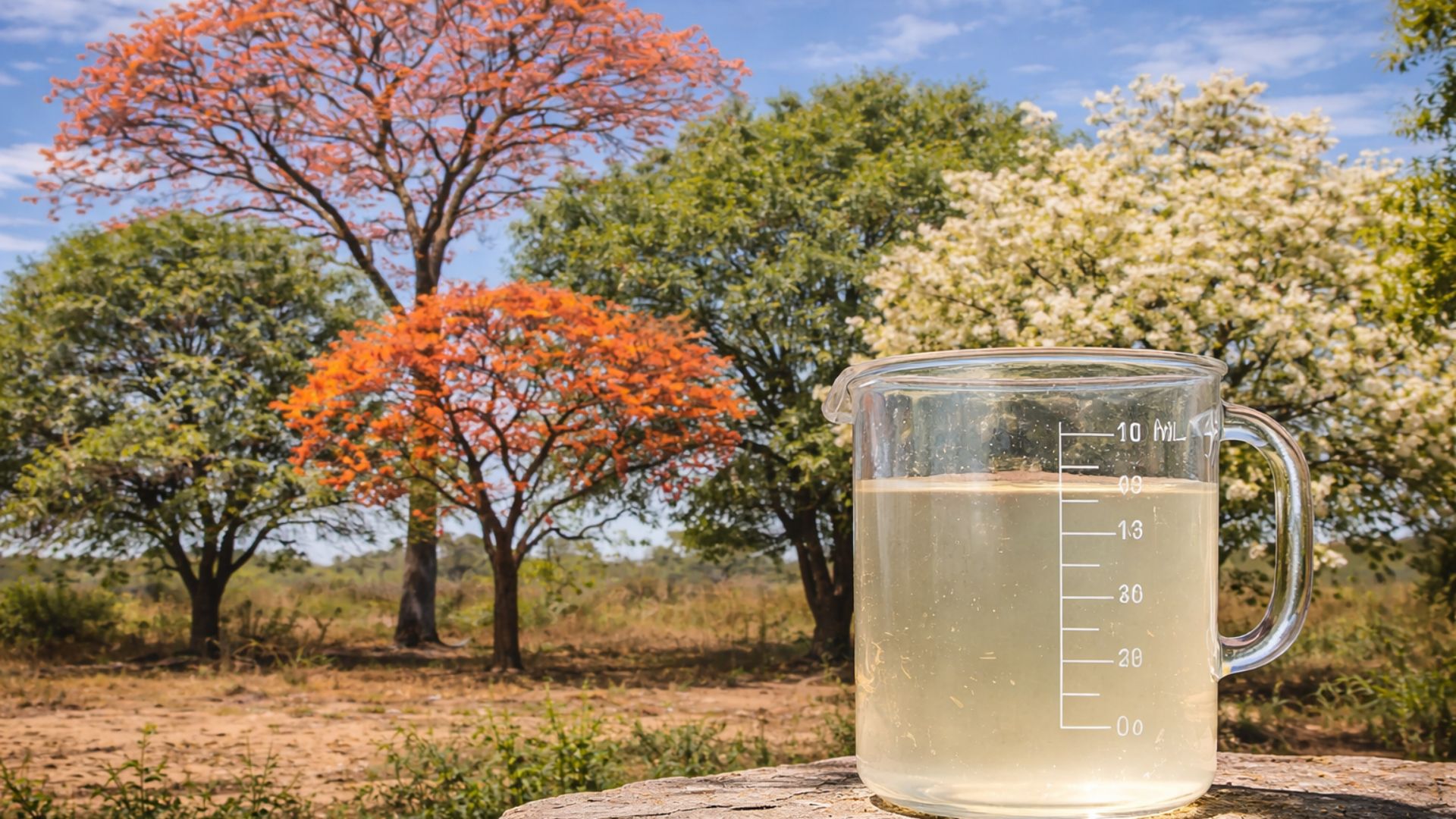
Embrapa’s discovery reveals an unexpected advancement by allowing the production of seedlings from the caatinga using brackish water, opening a new frontier for farmers to face drought more efficiently.
-
6 sources of free fertilizer that you are throwing away every day and can transform your garden without spending anything.

-
With a water crisis on the radar, Sabesp invests in reclaimed water for data centers and transforms sewage treatment into a solution that saves millions of liters and protects public supply.

-
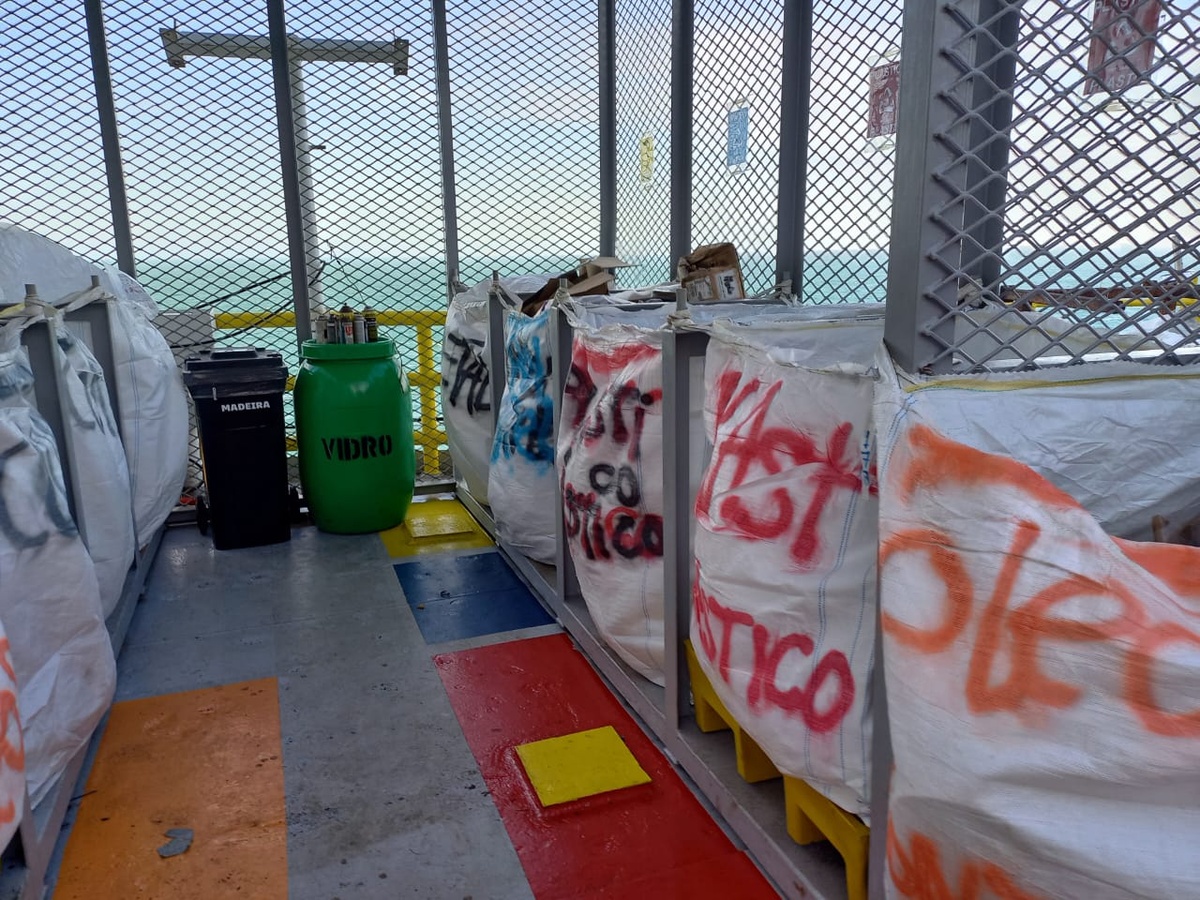
Foresea achieves 100% offshore waste reuse in 2025, eliminates landfill disposal, and consolidates sustainable strategy with 1,500 tons recycled.

Technical Infeasibility and Fuel Substitution
The COP30 tender anticipated the use of 100% renewable fuel (B100), but, according to the Special Secretariat of COP (Secop), linked to the Civil House, the plan was not feasible. Reasons such as complex logistics, equipment compatibility, and operational safety were cited as impediments.
Thus, the alternative adopted was Diesel S10, sold at gas stations, but with a modified version by Petrobras — still unavailable to the public. The composition includes 75% mineral diesel, 15% biodiesel, and 10% of renewable raw material processed in refineries.
According to Secop, the mixture meets the criteria of the National Agency of Petroleum (ANP) and the sustainability goals of the event, ensuring lower sulfur levels and partial emission reduction. Nevertheless, experts consider the use of fossil fuels a backward step for the environment during a climate conference.
Criticism and Comparisons With Previous Mega-events
Environmentalists interviewed by national outlets classified the situation as “absurd” and “shameful”, especially recalling that Brazil provided 90% clean energy during the Rio Olympics (2016) and the World Cup (2014), according to data from the National System Operator (ONS).
Since 2011, Pará has had the Belo Monte Hydroelectric Plant, one of the largest in the world, in Altamira. However, technicians involved in COP30 stated that creating an exclusive line for the event area would be economically unfeasible, as it would require the construction of new integration connections to the national system.
Waste Management and Poor Drainage
The accumulation of waste is also a concern. Inspections revealed piles of wood, debris, and manual separation of recyclables done without personal protective equipment.
To prevent flooding, a drainage channel was built. Even so, the storm on November 11 caused blockages in the water outlets. PET bottles, pieces of wood, and plastic packaging hindered proper drainage and worsened the flooding in the area.
A Paradox in the Midst of the Forest
Surrounded by a metal fence, the Blue Zone is next to a preserved stretch of the Amazon. The contrast is evident. While the world discusses decarbonization, the conference runs powered by diesel and surrounded by trash and smoke.
The scenario highlights the paradox between rhetoric and practice, transforming a symbol of sustainability into a warning about structural contradictions in major environmental events.










-

-

2 pessoas reagiram a isso.