





 Portuguese
  English
  Spanish
  5 min of reading
  0 comments


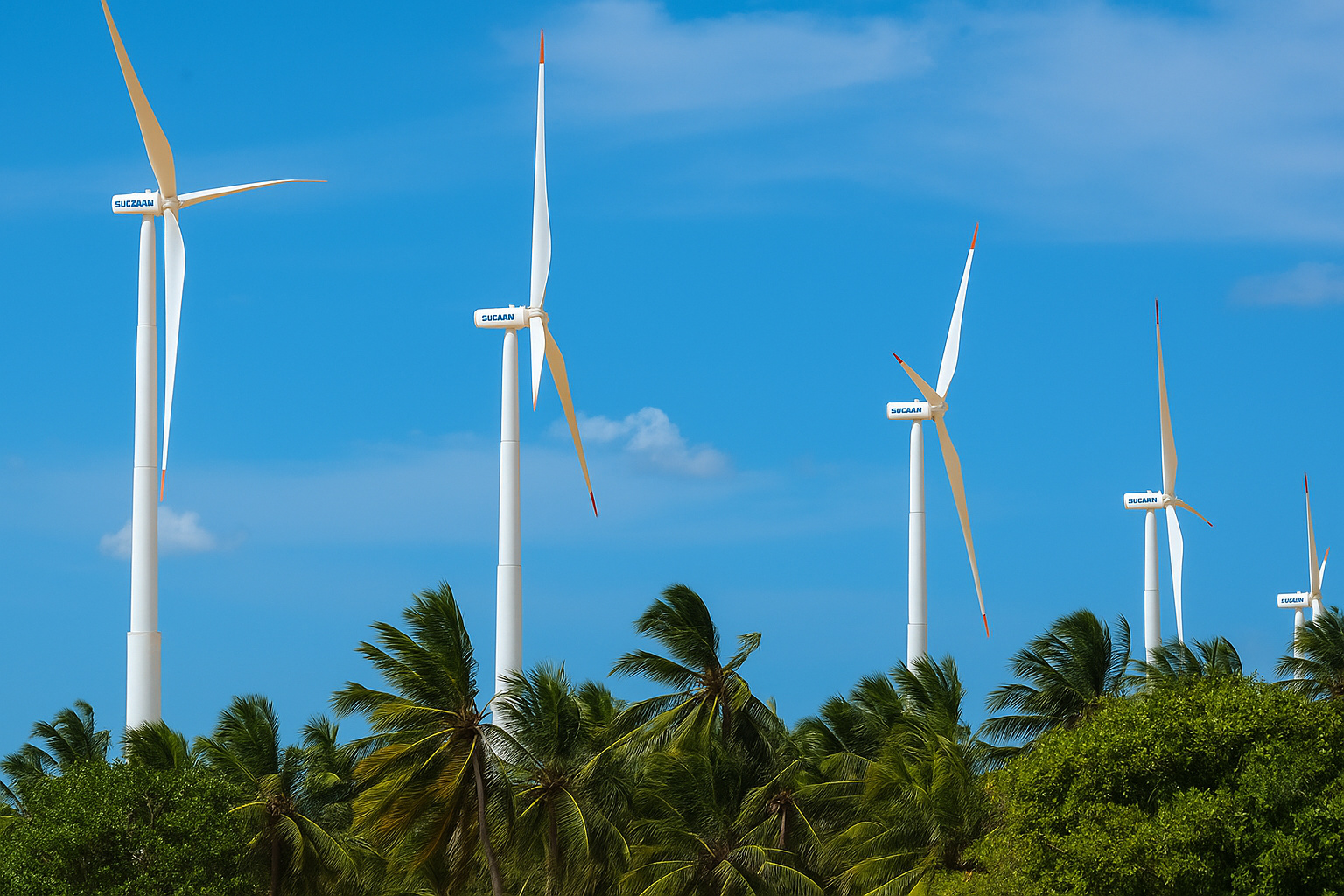
Understand How the Growth of Clean Energy Needs to Accelerate Globally to Meet Climate Goals and Ensure a Sustainable Future
The growth of clean energy has become increasingly a central theme in the global debate on sustainability and climate change.
In recent years, the world has made significant progress in implementing renewable energy sources; however, according to a recent study presented in Brasília, before the 30th United Nations Conference on Climate Change (COP30), these advances still do not fully meet international climate goals.
Historically, humanity has relied almost exclusively on fossil fuels, such as coal, oil, and natural gas, to generate electricity, power industries, and supply transportation.
-
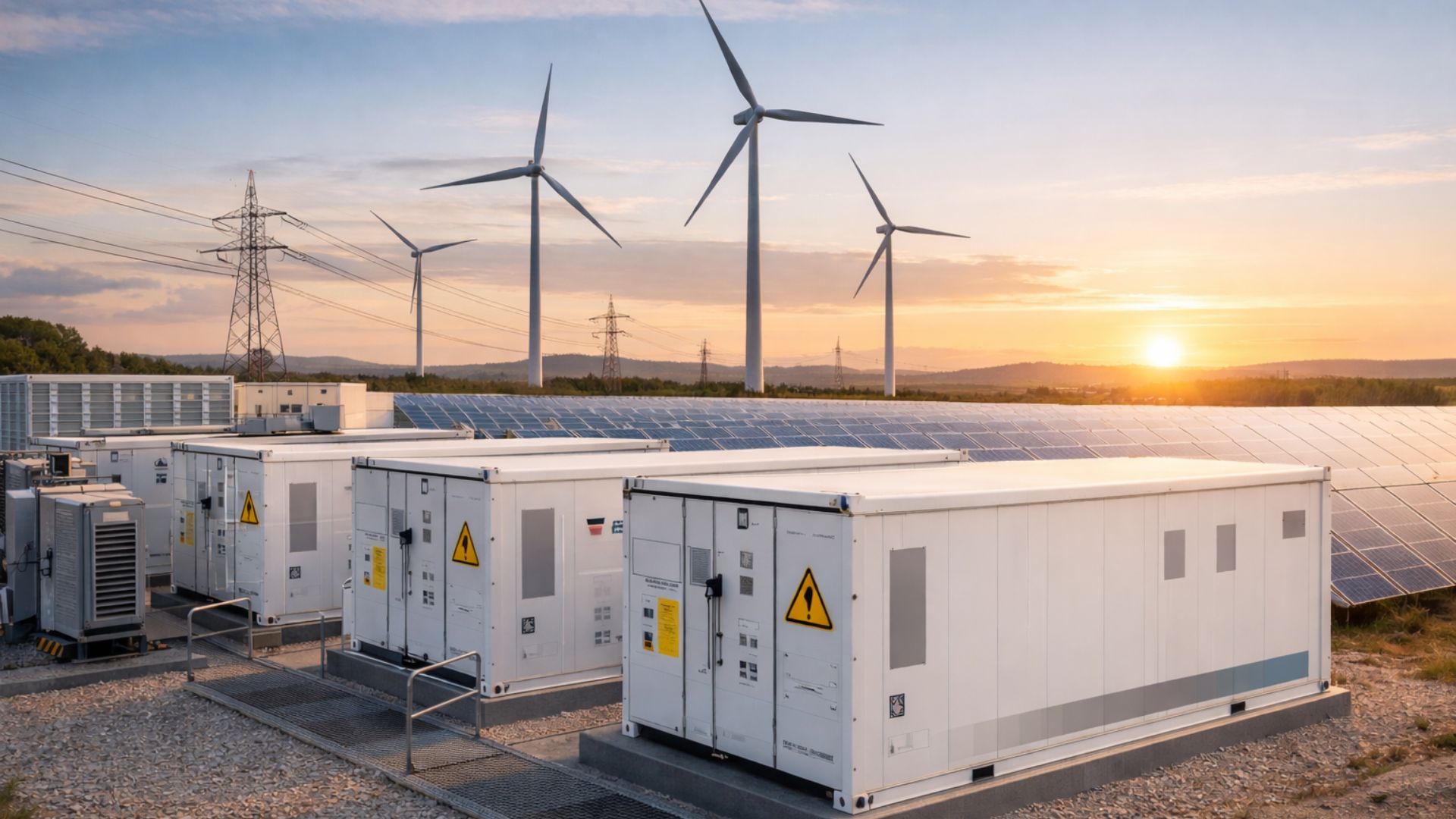
Ibitu Energia is advancing with a billion-dollar investment in renewable energy in Piauí and boosting economic growth by expanding production capacity, generating jobs, and attracting new businesses related to the energy transition.
-
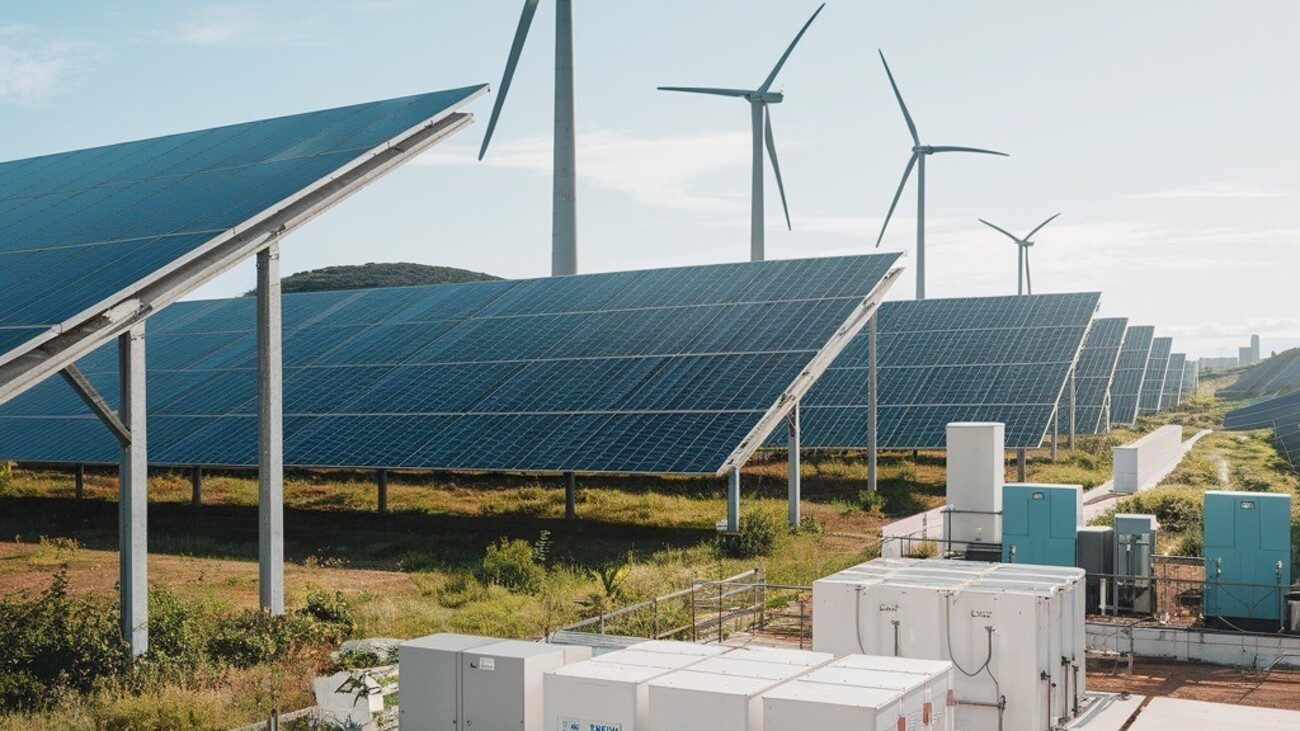
Boosting the energy transition: European Union releases €20 million funding to modernize the system and optimize electricity grid storage.
-
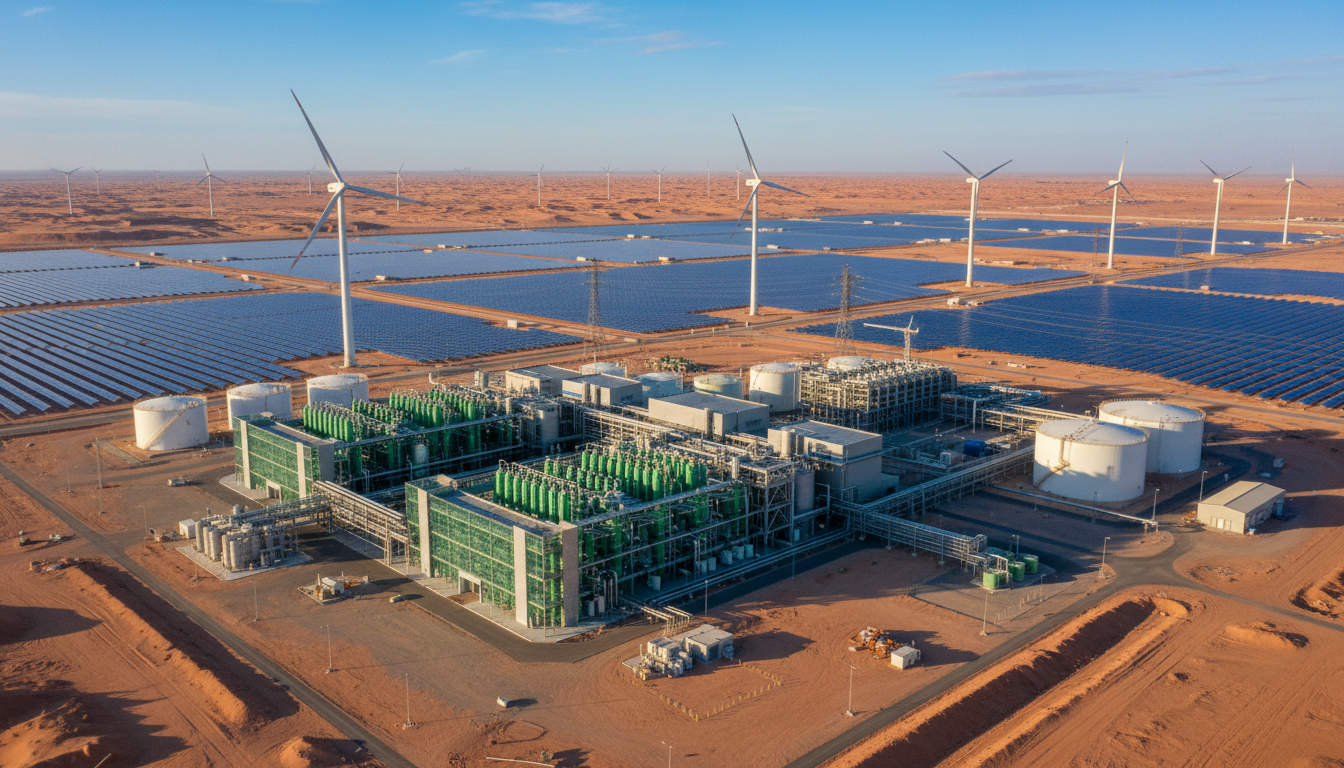
In the Saudi Arabian desert, the world’s largest green hydrogen plant is 80% complete and will use 4 gigawatts of solar and wind energy to produce 600 tons of clean fuel per day when it opens in 2027.
-
Instability in the energy market drives investments in renewables and starts the global race for the electric transition.
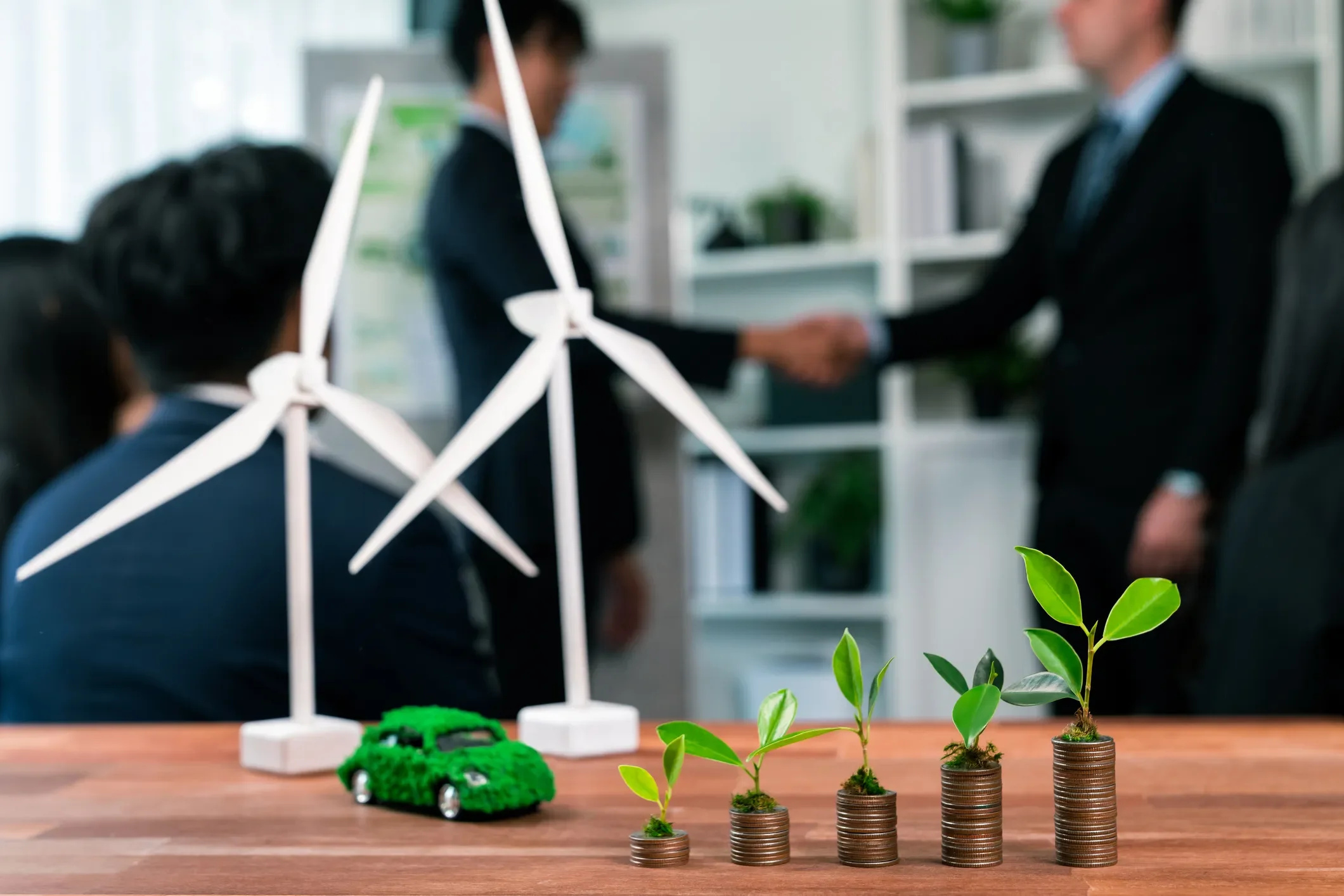
Although this energy model has driven economic growth during the 20th century, it has also left a significant environmental legacy, including the emission of greenhouse gases, air pollution, and accelerated climate change.
Therefore, the need to reduce environmental impacts and ensure energy supply has become evident. Consequently, this has driven research and development of clean energy sources, such as solar, wind, hydropower, and, more recently, biomethane and green hydrogen.
The study presented on the eve of COP30 showed that the growth of clean energy in 2024 reached record levels, with an additional capacity of 582 gigawatts.
Investments and Global Goals for Clean Energy
The report was prepared by international institutions, including the International Renewable Energy Agency (IRENA), the Presidency of COP30, and the Global Renewable Energy Alliance (GRA).
It highlights that to triple global renewable energy capacity by 2030, it will be necessary to invest US$ 1.4 trillion per year between 2025 and 2030. More than double the amount invested in 2024, which reached US$ 624 billion.
Therefore, this increase in financial resources serves not only to expand the production of clean energy. But also strengthens distribution networks, supply chains, and the manufacturing of modern technologies. Including solar panels, wind turbines, advanced batteries, and green hydrogen systems.
Historically, the global energy transition represents a turning point comparable to the Industrial Revolution.
Just as 19th-century society had to adapt to new sources of energy and technologies, today it is imperative to accelerate the transition to renewable sources.
Moreover, this change is not just environmental but also economic and social, as the adoption of clean energy creates jobs. It promotes technological innovation and ensures affordable and reliable energy for communities worldwide.
The Secretary-General of the United Nations, António Guterres, commented on the findings of the study, stating that the clean energy revolution is unstoppable.
He emphasized that these electricity sources are being implemented more quickly and economically than fossil fuels. Promoting economic growth and jobs while providing affordable energy.
Brazil and Its Leadership in Renewable Energy
For Brazil, the host of COP30 in Belém, the report brought encouraging news.
The country achieved, in 2023, a share of 89% renewable energy in its electricity matrix, a result of decades of investment in hydropower, wind, and solar energy.
Consequently, this leadership demonstrates that with consistent public policies and adequate incentives, it is possible to significantly accelerate the growth of clean energy, serving as an example for other developing countries.
The report also highlights that merely increasing generation capacity is not enough.
Therefore, countries must integrate renewable energy goals into national climate plans, known as Nationally Determined Contributions (NDCs), before COP30.
Additionally, these goals include not only the production of clean energy but also strategic investments in infrastructure, technological research, and strengthening productive chains of related equipment and services.
Furthermore, the study emphasizes the need to leverage global climate financing.
At COP28, held in Dubai, global leaders reached a consensus to triple renewable energy capacity by 2030.
At COP29, they defined a New Quantified Collective Goal, setting an annual floor of US$ 300 billion in climate financing, expanding to US$ 1.3 trillion by 2035.
Thus, mobilizing these resources will enable developing countries, especially in Latin America and Africa, to accelerate their energy transition without compromising economic growth and social inclusion.
Economic and Social Impacts of Clean Energy
The growth of clean energy also directly influences the global economy.
Investments in renewables create new jobs, promote green industrialization, and reduce dependence on fossil fuels, making countries more resilient to international crises and fluctuations in oil and gas markets.
Moreover, the adoption of clean technologies fosters innovation and industrial competitiveness, creating a virtuous cycle of sustainable development.
Historically, major energy transformations have required long-term vision and strategic planning.
For example, in the 19th century, the replacement of wood with coal transformed industries, cities, and society as a whole.
Today, the challenge is to partially replace coal, oil, and gas with renewable sources, drastically reducing greenhouse gas emissions and limiting the impacts of climate change.
COP30 represents a critical point in the history of the energy transition.
In the coming years, it will be determined whether we can reach the global goal of 11.2 terawatts of clean energy by 2030.
To achieve this, governments, businesses, and civil society must work together, prioritizing public policies that incentivize, strategic investments, and technological innovation.
Thus, the global commitment to the growth of clean energy is not only environmental but also an opportunity to ensure economic development, social justice, and energy security.
Collective Responsibility in the Energy Transition
The transition to clean energy is not limited to large countries or international investments.
Every community, business, and citizen can contribute by adopting efficient technologies, encouraging sustainable policies, or supporting renewable energy projects.
Thus, the growth of clean energy is a collective responsibility that requires immediate action, global cooperation, and strategic vision to ensure a safer, healthier, and more sustainable future.
Furthermore, investments in education and training also play a crucial role.
Preparing professionals capable of working in the renewable energy industry, encouraging green careers, technical courses, and universities focused on energy sustainability, will solidify the growth of clean energy in a lasting way.
In summary, the report presented in Brasília reinforces that the growth of clean energy has progressed but needs to accelerate significantly.
The challenge is global, historical, and urgent, and COP30 will be decisive in solidifying goals, increasing investments, and mobilizing resources that transform the pace of expansion into a true energy revolution.
Thus, history shows that humanity has always found ways to overcome energy challenges; today, the challenge is greater, but the opportunity to leave a sustainable and lasting legacy has never been clearer.






Seja o primeiro a reagir!