





 Portuguese
  English
  Spanish
 4 min of reading
  0 comments



Have you noticed a different smoke coming from the exhaust and thought it was normal? Many people ignore this signal, but it could be the engine’s first cry for help. The color of the exhaust smoke can reveal serious problems — and acting quickly can make the difference between a simple repair and a bill of up to R$10,000 at the shop.
Those who own a car know: the exhaust is like the engine’s breath. When something is wrong internally, it warns you. The problem is that most drivers do not understand what the color of the smoke means — and they continue driving as if nothing is happening.
Exhaust Smoke Color: The Engine’s Secret Code
-
The car stored for 38 years: when opening the barn door, what appears is breathtaking and looks like a scene from a movie!

-
Fiat works miracles in the Brazilian market, lowers the price of its 0 km hatch to R$ 69,990, reestablishes the model as the cheapest car in the country, and reignites the battle against Kwid and C3.

-
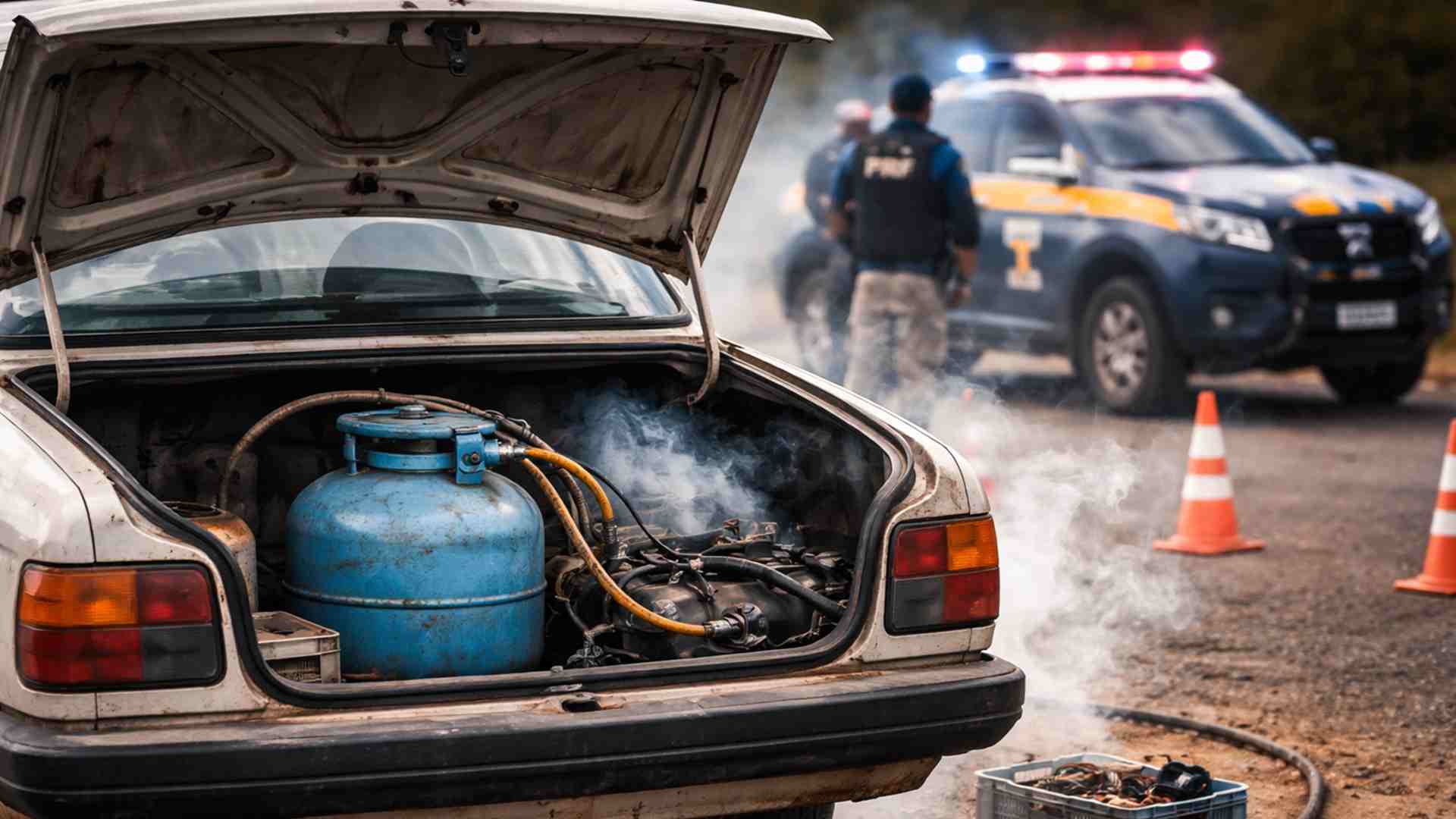
Chevette with cooking gas: How the gas cylinder ends up being used in cars clandestinely and why this makeshift solution can result in leaks, explosions, damaged engines, and seized vehicles.
-
Fiat launches the new 2027 Toro hybrid with 48V, 176 hp, an electric motor of 15.5 hp, a 0.85 kWh battery, up to 7% fuel savings, 8% fewer emissions, and possible exemption from IPVA.


Each shade of smoke has a specific origin, and interpreting this “code” can save you money. The color of the exhaust smoke is not just an aesthetic detail; it is the direct reflection of what is happening inside the combustion chambers.
When the fuel is not burned properly, it generates residues and gases that acquire visible coloration. This is where the attentive driver’s role comes in — understanding these variations can prevent serious headaches.
White Smoke: The Alert That Many People Ignore
White smoke is one of the most treacherous. If it appears only in the first few seconds after starting the car, it may just be condensation from humidity — something normal, especially on cold mornings. But if it continues to come out even when the engine is warm, the signal is serious.
This color usually indicates that the coolant is being burned along with the fuel, which points to a failure in the head gasket or even a crack in the engine block. The repair, depending on the model, can cost between R$3,000 and R$10,000. And the worst part: the longer the driver takes to act, the more expensive it becomes.
Blue Smoke: The Nightmare of Oil Consumption
When the exhaust starts to release blue smoke, it is time to worry about oil consumption. This coloration indicates that the lubricant is invading the combustion system and being burned along with the gasoline.
This can happen due to wear on the piston rings, valve guides, or the internal seals themselves. The car might still be running, but the engine is deteriorating with every kilometer. Constant oil changes and a strong burnt smell are complementary signs that something is wrong. Ignoring this symptom can turn a simple reconditioning into a financial nightmare.
Black Smoke: The Invisible Enemy of Consumption and the Environment
Black smoke is the easiest to identify and usually appears in cars with a rich mixture — that is, when there is more fuel than air in the combustion. This causes incomplete burning and waste of gasoline or diesel.
In gasoline engines, black smoke can result from dirty fuel injectors, a clogged air filter, or a faulty oxygen sensor. In diesel cars, it usually indicates excessive fuel injection, which reduces efficiency and accelerates engine wear.
In addition to harming performance, this smoke is one of the main causes of failures in environmental inspections. The strong smell and soot on the bumper are clear indications that the car is in urgent need of attention.
Gray Smoke: The Intermediate Case That Confuses Many People
Gray smoke is often the most difficult to identify. It can indicate anything from a slight excess of fuel to more complex problems in the automatic transmission system, especially when the fluid is burned.
Although it may seem harmless, the color of the exhaust smoke in this shade deserves professional diagnosis. It could be a sign of electrical failures in the ignition system or sensors with incorrect readings, causing the car to operate outside the ideal mixture.
How to Act in the Face of Any Type of Smoke
The first step is to observe the car’s behavior: does the smoke appear only on startup or persist even with the engine warm? Is there a strong smell, loss of power, or increased consumption? These clues help direct the technician towards the correct diagnosis.
Another tip is to never try to mask the problem with additives or home remedies. They might disguise the symptom for a few days, but they do not solve the underlying defect. The ideal is to look for a trusted shop where compression, leaks, and fuel mixture can be evaluated.
Keeping up with regular maintenance, using quality oil and fuel, and respecting the intervals for filter changes are simple habits that can prevent most cases.
In the end, understanding the color of the exhaust smoke is more than just taking care of the car — it is about preventing small signs from turning into big damages. Your engine always gives clues, and the exhaust is the most honest messenger it has. You just have to know how to listen.
Keyword: exhaust smoke color
SEO Title: Exhaust Smoke Color: What It Means and How Much It Costs to Fix
Meta Description: Discover what the color of the exhaust smoke reveals about the engine and avoid damages that can reach R$10,000 by acting in time.









Seja o primeiro a reagir!