





 Portuguese
  English
  Spanish
  4 min of reading
  0 comments


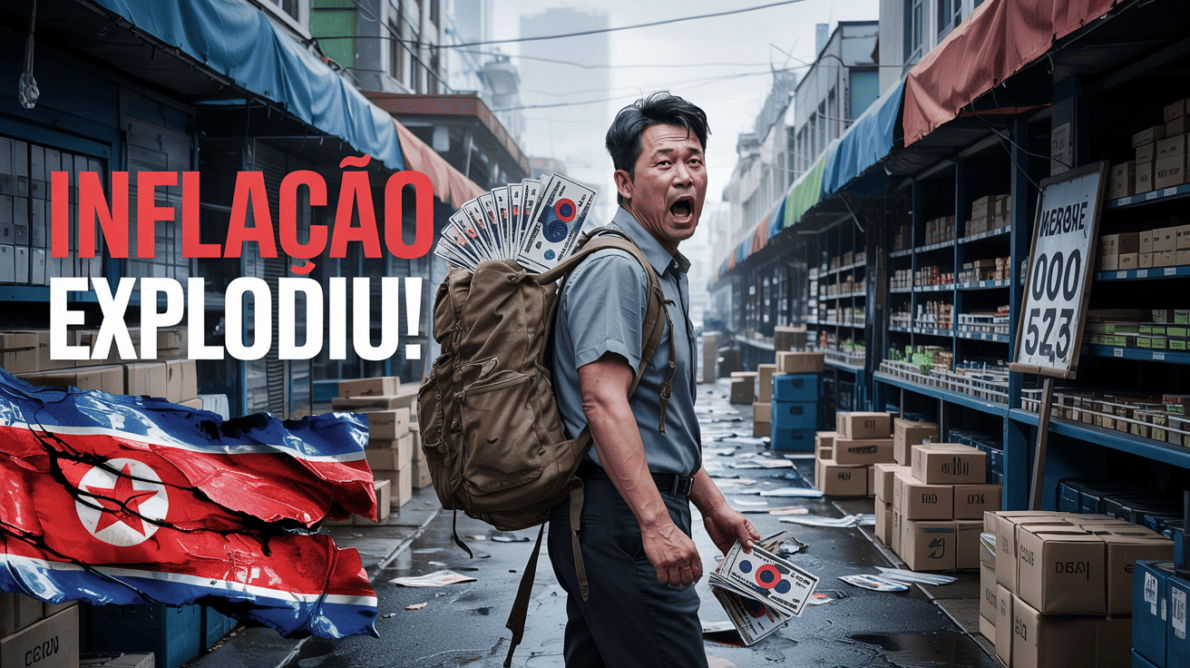
Out-of-Control Inflation in North Korea Reaches Such Absurd Levels That Residents Need to Carry Backpacks Full of Money to Buy Basic Items Like Oil and Sugar. With Eroded Salaries and Scarce Food, the Country is Plunging into a Dramatic Economic Crisis. Even Soldiers Are Selling Military Equipment to Survive the Hunger That Haunts the Population.
The North Korea faces an unprecedented economic crisis, with inflation reaching alarming levels and severely impacting the daily lives of the population.
Residents report that due to the sharp devaluation of the North Korean won and the exorbitant rise in prices of basic goods, it is necessary to use backpacks to carry the money needed for daily purchases.
This situation reflects the severity of the economic crisis plaguing the country and the difficulties faced by citizens in meeting basic needs.
-
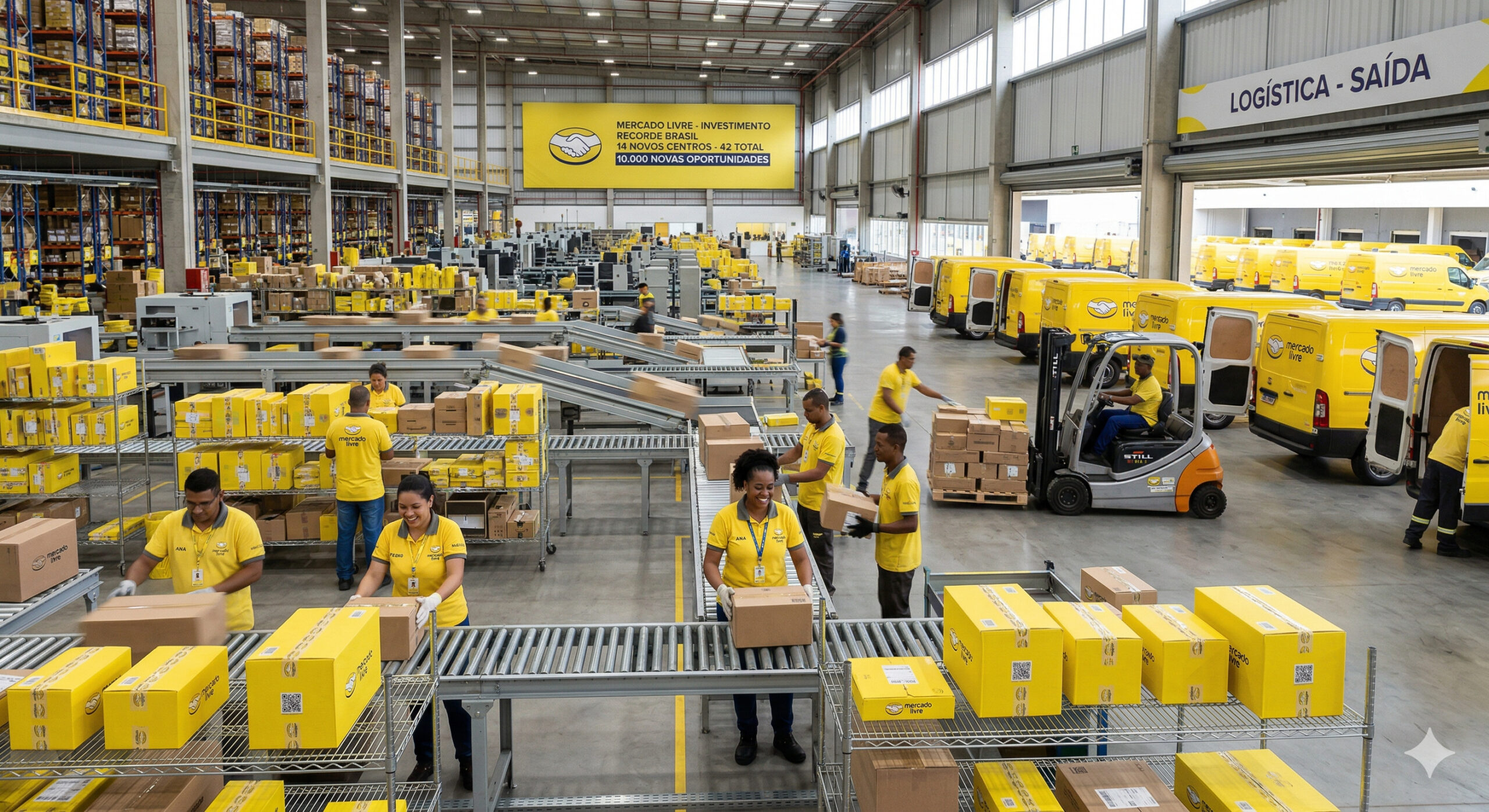
Mercado Livre “opens the vault” and announces a record investment of R$ 57 billion in Brazil in 2026, a value 50% higher than the previous year, with an expansion plan that includes 14 new logistics centers, totaling 42 units in the country and hiring an additional 10,000 employees.
-
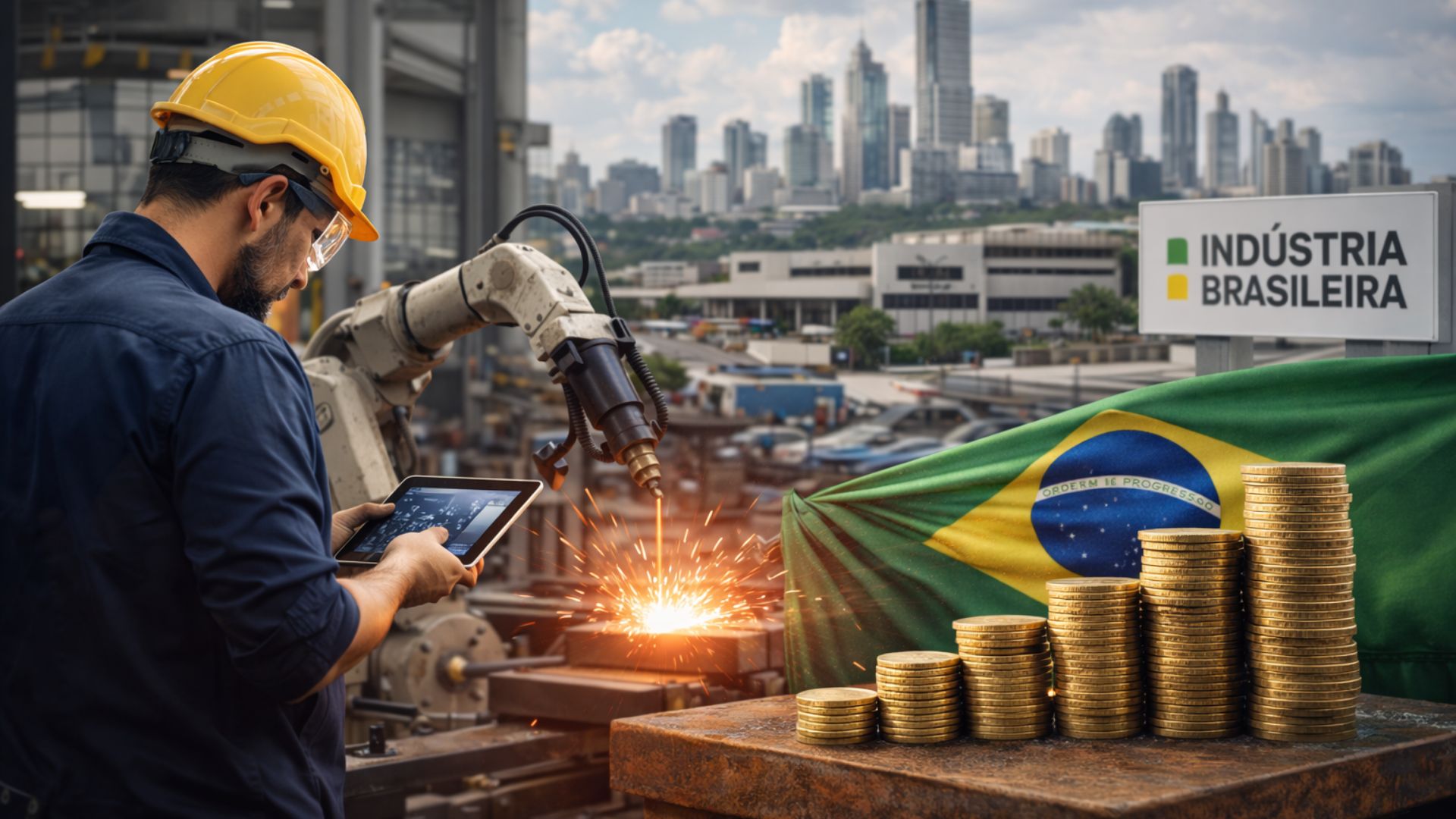
How investment in technology can revolutionize the national economy and enhance industrial gains, according to a study that highlights the direct impact on productivity, innovation, and wealth retention within Brazil.
-
The largest food company on the planet, JBS, has just opened a 4,000 square meter laboratory in Florianópolis to develop customized proteins that modulate muscle mass gain, immune response, and metabolic performance.

-
After nearly 30 bids and competition among industry giants, a Spanish company purchases one of the largest airports in Brazil for almost R$ 3 billion and takes over the management of Galeão in a concession that will last until 2039.


Significant Increase in Prices of Essential Goods
In recent years, the inflation in North Korea has led to significant increases in the prices of essential products.
According to reports obtained by Radio Free Asia (RFA), the cost of basic items has skyrocketed, making daily life increasingly challenging for the population.
For instance, the price of a kilogram of sunflower oil, used in daily cooking, increased from approximately 25,000 wons (around R$ 162) to 75,000 wons (approximately R$ 486) over a two-year period.
The sugar also experienced a significant increase, rising from 10,000 wons (R$ 65) to 40,000 wons (R$ 260).
Meanwhile, pork, an important source of protein, saw its price jump from less than 30,000 wons (R$ 195) to 87,000 wons (around R$ 563) per kilogram. These increases reflect the severity of inflation and its direct impact on citizens’ purchasing power.
Devaluation of the North Korean Won
The devaluation of the North Korean won against foreign currencies, such as the Chinese yuan and the US dollar, has been a determining factor in rising prices.
In parallel markets, where most transactions occur, the local currency has lost considerable value, raising the cost of importing goods and contributing to the inflationary spiral.
This devaluation directly affects the purchasing power of the population, which is already struggling due to low wages and product shortages.
Impact of Salary Increases
In January 2023, the North Korean government implemented a significant salary increase, raising basic monthly salaries from 2,000 wons (about R$ 13) to 30,000 wons (approximately R$ 195).
The measure aimed to encourage citizens to rely more on state salaries and less on parallel markets, known as jangmadang.
However, the rapid absorption of this increase by inflation resulted in little or no relief for the population.
Basic products, such as salt and eggs, saw adjustments similar to those of salaries. A kilogram of salt, which previously cost 500 wons (R$ 3.25), rose to 2,000 wons (R$ 13).
A carton of eggs, which was sold for 800 wons (R$ 5.20), is now marketed for 2,000 wons. Additionally, items such as footwear have also seen significant increases.
A pair of sneakers from the Sinuiju Shoe Factory, which cost around 19,800 wons (R$ 129), is now sold for up to 170,000 wons (approximately R$ 1,104) on the black market. These increases negate the positive effects that the salary increase could have provided.
Chronic Food Shortages
Food shortages are a persistent problem in North Korea. According to the United Nations World Food Program (WFP), local agricultural production is insufficient to meet the food needs of the population.
Factors such as limited arable land, lack of fertilizers, and shortage of modern agricultural equipment contribute to this deficiency.
Poor harvests and the impacts of COVID-19 pandemic-related disruptions have further worsened the situation, leading the population to face alarming levels of food insecurity.
Extreme Measures for Survival
In the face of the food crisis, part of the population has resorted to extreme measures to ensure survival. Reports suggest that North Korean soldiers are selling military equipment to afford food.
Moreover, there has been an increase in violent crimes related to hunger, highlighting the desperation of many citizens amid a scarcity of resources.
Informal Economy and Parallel Markets
With the deterioration of the formal economy, many North Koreans depend on the jangmadang, informal markets that operate outside of state control.
In these markets, a variety of products can be found, from food to imported consumer goods. However, prices in these markets are highly volatile and subject to currency fluctuations, making them inaccessible to a large portion of the population.
The dependence on these markets reflects the failure of state distribution systems and the citizens’ need to seek alternatives to meet their basic needs.
Challenges for the Future
The combination of out-of-control inflation, currency devaluation, food shortages, and increasing reliance on the informal economy places North Korea in an extremely vulnerable position.
Without significant changes in economic policies and a more open approach to international cooperation, it is unlikely that the situation will improve in the short term. The population will continue to face significant challenges.






-

Uma pessoa reagiu a isso.