





 Portuguese
  English
  Spanish
  3 min of reading
  0 comments



The Company Tries To Reverse An Unprecedented Sequence Of Losses With Cuts In The Physical Network, Internal Adjustments, And Actions To Recover Liquidity
Operating at a loss, the new administration of Brazilian Post and Telegraph Company has defined a reorganization plan to ensure financial breathing room and preserve the company’s role as a national logistics operator.
One of the points is the closure of up to a thousand unprofitable points, representing one of the most profound changes anticipated in the company’s service network.
The plan arises as a direct response to 12 consecutive quarters of accumulated losses, which pressured management to adopt tougher measures.
-
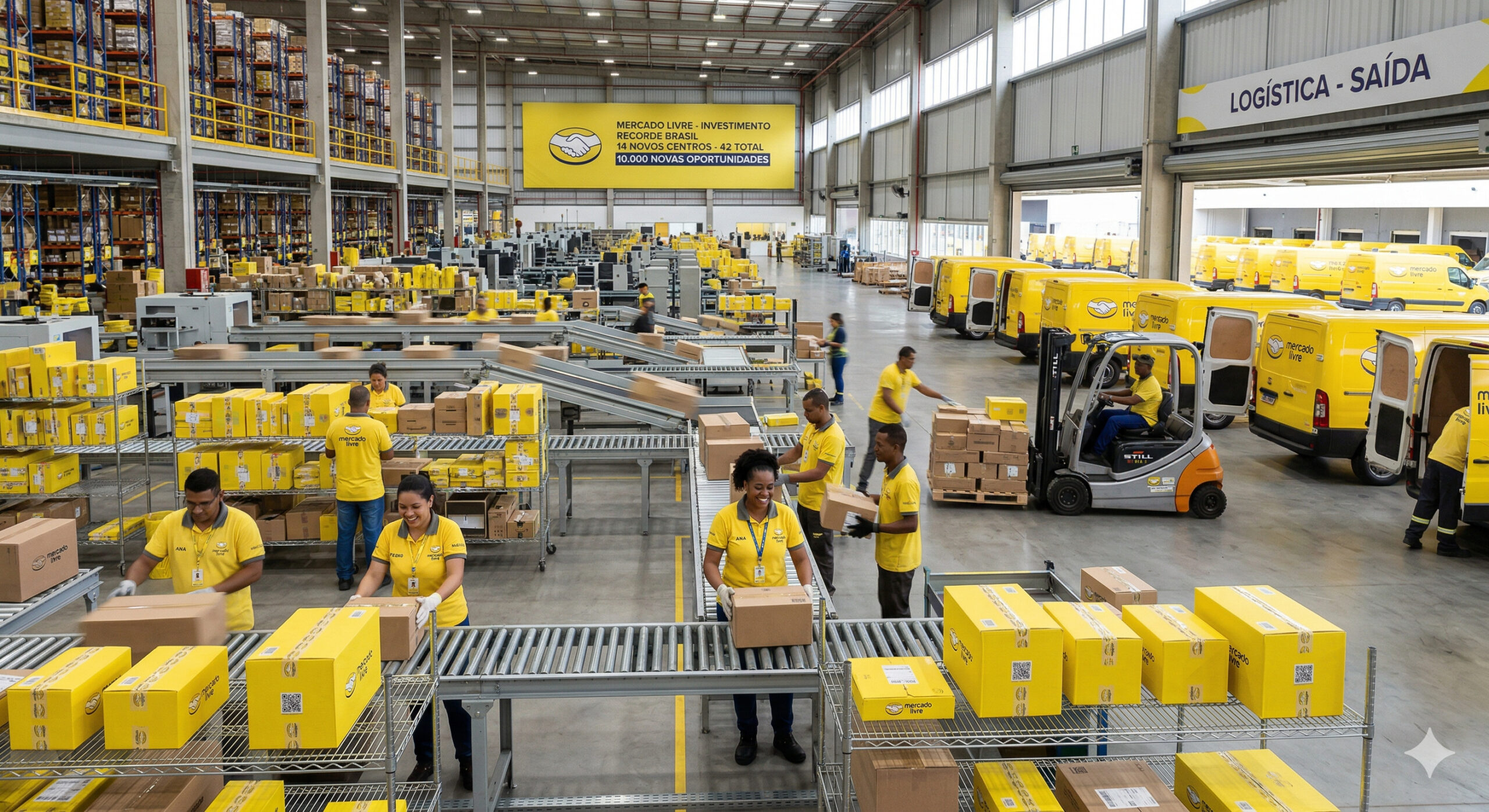
Mercado Livre “opens the vault” and announces a record investment of R$ 57 billion in Brazil in 2026, a value 50% higher than the previous year, with an expansion plan that includes 14 new logistics centers, totaling 42 units in the country and hiring an additional 10,000 employees.
-
How investment in technology can revolutionize the national economy and enhance industrial gains, according to a study that highlights the direct impact on productivity, innovation, and wealth retention within Brazil.

-
The largest food company on the planet, JBS, has just opened a 4,000 square meter laboratory in Florianópolis to develop customized proteins that modulate muscle mass gain, immune response, and metabolic performance.

-
After nearly 30 bids and competition among industry giants, a Spanish company purchases one of the largest airports in Brazil for almost R$ 3 billion and takes over the management of Galeão in a concession that will last until 2039.


According to the company, the restructuring was approved by the councils and is part of a broader strategy aimed at recovering liquidity and ensuring that the Post maintains its national role in the logistics sector. The physical network, previously considered untouchable, is now being reviewed rigorously.
The proposal includes reorganizing units that show poor financial performance and eliminating those that have become unviable. The company states that this movement is necessary to preserve resources and allow other investments to move forward.
High Deficit Drives Changes
The change is driven by a negative result of R$ 4.5 billion in the first half of 2025. This figure reinforces the seriousness of the situation and helps explain why the network restructuring gained immediate priority.
The elimination of unprofitable points appears in the package of actions to be implemented over the next 12 months, a period viewed by management as crucial to stabilizing operations. The intention is to reduce expenses and realign the network to current financial conditions.
Still, the company tries to balance the cuts with a reaffirmation of its public function. The Post reminds that it remains the only operator capable of reaching all municipalities in the country, including those that are hard to access.
Universalization Remains At The Center
The company’s reach is used as an argument to defend the maintenance of its public character, even amid structural changes. The Post emphasizes that it delivers educational books, electoral supplies, and humanitarian aid in emergency situations.
For management, reorganizing the network does not mean abandoning the commitment to universalization. The declared objective is to make operations sustainable enough to continue fulfilling these essential functions.
Plan Includes Parallel Measures
In addition to closing points, the plan includes a Voluntary Dismissal Program and cuts related to health plans. These actions are part of the cost reduction axis, considered essential to navigate the period of instability.
The modernization of technological infrastructure is also highlighted as a priority. The company bets that more efficient systems will increase competitiveness, especially in a market dominated by private operators.
The monetization of assets and the sale of properties, with potential of R$ 1.5 billion, emerge as another important front. The company asserts that these resources will help relieve financial pressure in the short term.
Liquidity Depends On Billion-Dollar Funding
The Post reported that it expects to conclude, by the end of November, the raising of R$ 20 billion through a consortium of banks. This operation is considered essential to ensure liquidity and allow the advancement of other actions.
The official statement does not detail how each measure will be executed, but the approval of the plan indicates that the company will have little room to delay difficult decisions, especially regarding the closure of unprofitable agencies.
Challenge Until 2027
The expectation is to reduce the deficit in 2026 and return to profit only in 2027. This distant horizon reinforces the weight of the announced measures and shows that the company is working with a prolonged recovery process.
The restructuring of the network, although controversial, becomes a symbol of the broader effort to reposition the company in a sector marked by strong competition, technological demands, and constant regulatory pressure.









Seja o primeiro a reagir!