





 Portuguese
  English
  Spanish
  3 min of reading
  0 comments


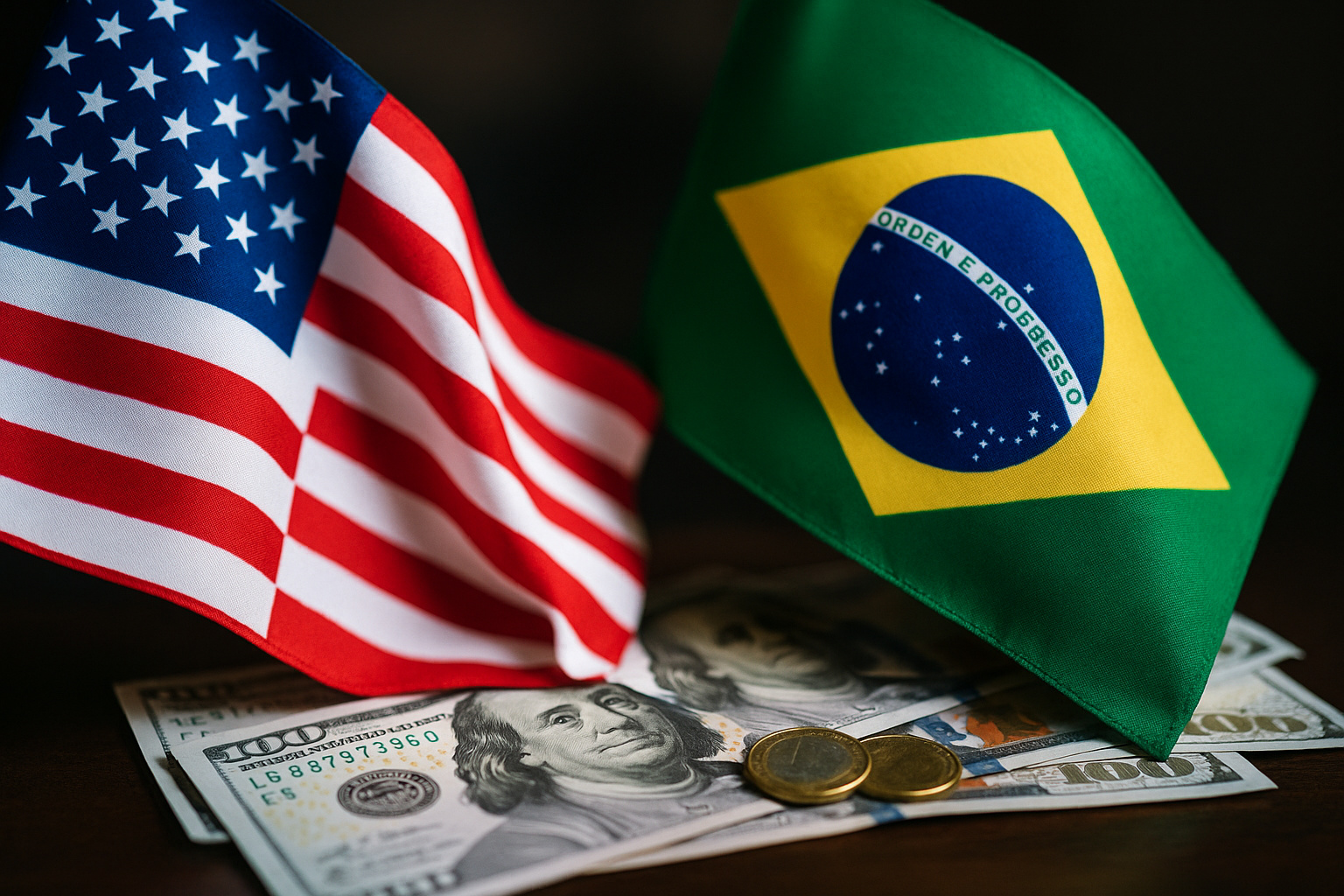
U.S. Interest Rate Cuts Might Attract Investments to Brazil and Open Space for Selic Cuts. Understand the Economic Impact.
The Federal Reserve (Fed), the Central Bank of the United States, is expected to announce a new interest rate cut this Wednesday (29). The global expectation is for a 0.25 percentage point reduction, which would leave the U.S. basic rate between 4% and 4.25%. The decision is being closely watched by investors as it directly impacts the exchange rate, inflation, and monetary policy in Brazil.
The importance is clear: when U.S. interest rates are lowered, international investments shift towards emerging markets with higher rates, such as Brazil. With the Selic at 15% per year, the difference between the two countries increases, making Brazilian assets more profitable and attractive.
Why U.S. Interest Rates Influence Brazil’s Economy
The United States is considered the most stable economy on the planet. Therefore, its monetary decisions reverberate throughout the global financial system. When the Fed keeps interest rates high, investors prefer to invest in U.S. Treasury securities, which offer low risk and high security.
-
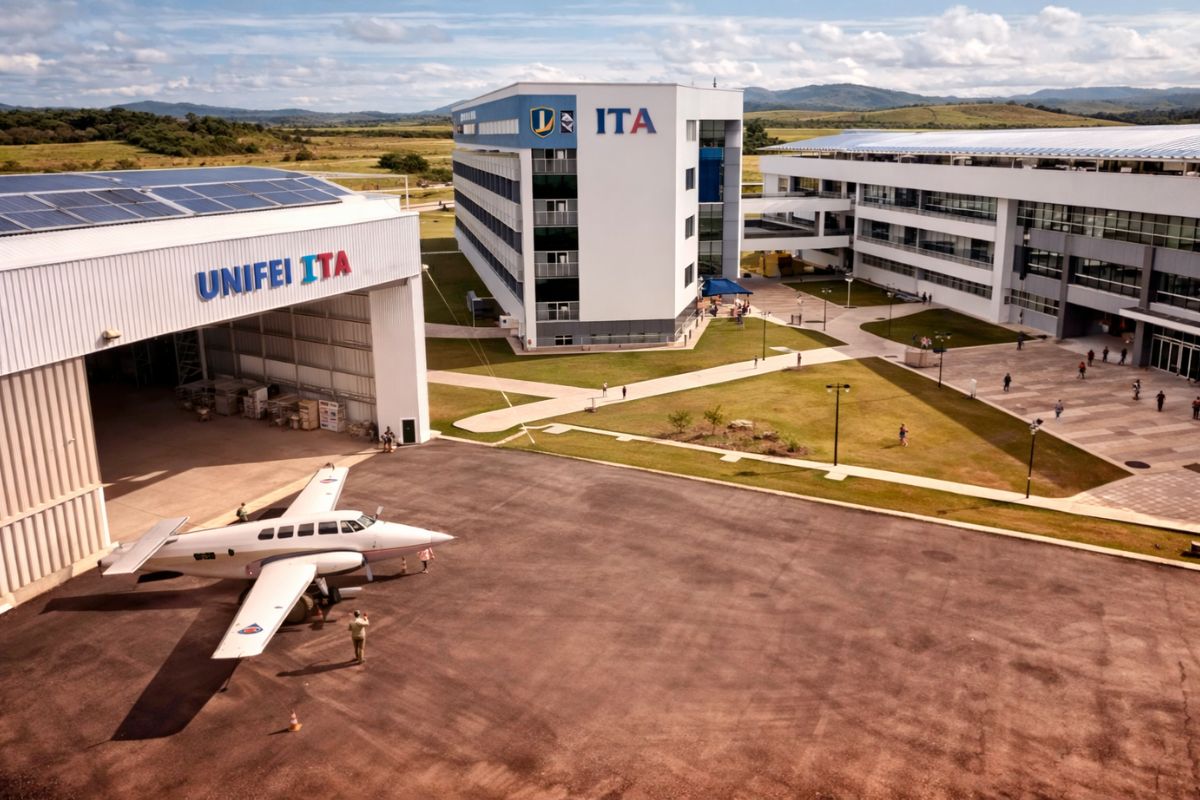
The institute that trained the greatest aerospace engineers in Brazil has just opened its first campus outside São Paulo after 75 years: ITA Ceará will have R$ 445 million, new courses in energy and systems, and classes are expected to start in 2027.
-
Luciano Hang, owner of Havan, goes to Juiz de Fora after the tragedy in February, brings R$ 1 million, hands out R$ 2,000 cards, and donates up to R$ 15,000 to victims in the region.

-
The Brazilian passport allows legal residence in dozens of countries without the need for a prior visa, and most Brazilians are unaware that they can apply for residency directly upon arriving in nations in South America, Africa, and even Europe.
-
Petrobras sends a message to Brazilian truck drivers after fuel collapse and reveals plan to have 100% domestic diesel.


This movement reduces the flow of foreign capital to countries like Brazil, which rely on these resources to finance companies, projects, and infrastructure. With the decline in U.S. interest rates, the scenario reverses: Brazil stands out again as a target for international investments, strengthening the real and helping to control inflation.
Experts Highlight Direct Impact on Exchange Rate and Prices
According to André Valério, senior economist at Banco Inter, the interest rate differential between Brazil and the United States is one of the main factors influencing the exchange rate.
“Currently, we have a very high differential. The greater this difference, the lower the pressure for currency depreciation we experience. And this is important because a depreciated exchange rate tends to create inflationary pass-through, raising the prices of goods in reais,” he stated.
In other words, the greater the distance between the rates, the lower the risk of dollar appreciation. With the market anticipating the cut, the American currency closed Tuesday (28) slightly down by 0.20%, quoted at R$ 5.36.
Global Investment Strategies Favor Brazil
The reduction of interest rates in the United States also stimulates an operation known as “carry trade”. In this strategy, investors borrow in countries with low interest rates — like the U.S. — and invest in markets with high interest rates, such as Brazil.
This strategy increases the influx of dollars into the country, strengthens the real, and stimulates new financial investments. Moreover, the flow of foreign capital helps to reduce domestic credit costs and stimulate economic growth.
Lower Interest Rates in the U.S. Open Space for Selic Cuts
According to Valério, the Fed’s decision also influences the stance of the Brazilian Central Bank. With less pressure on the currency, the BC of Brazil gains room to reduce the Selic without causing an increase in inflation.
“The prospect of lower interest rates in the United States allows us to have lower interest rates here in Brazil without generating additional pressure on inflation,” the economist explained.
Thus, the Brazilian economy may benefit doubly: with inflows of external investments and lower domestic interest rates, stimulating consumption and growth.
Outlook for the Brazilian Economy
The decision of the Federal Reserve will be a turning point for the global economy. If the cut is confirmed, Brazil is expected to experience improvements in exchange rates, inflation, and the investment market, strengthening the stability scenario.
On the other hand, if the Fed maintains the rate, the pace of foreign capital inflows may slow down, requiring caution from the government and the Central Bank in conducting economic policy.
In any case, the financial world remains attentive. After all, U.S. interest rates continue to be the global thermometer for investments — and their impact on Brazil and its economy is inevitable.










Seja o primeiro a reagir!