





 Portuguese
  English
  Spanish
  5 min of reading
  0 comments


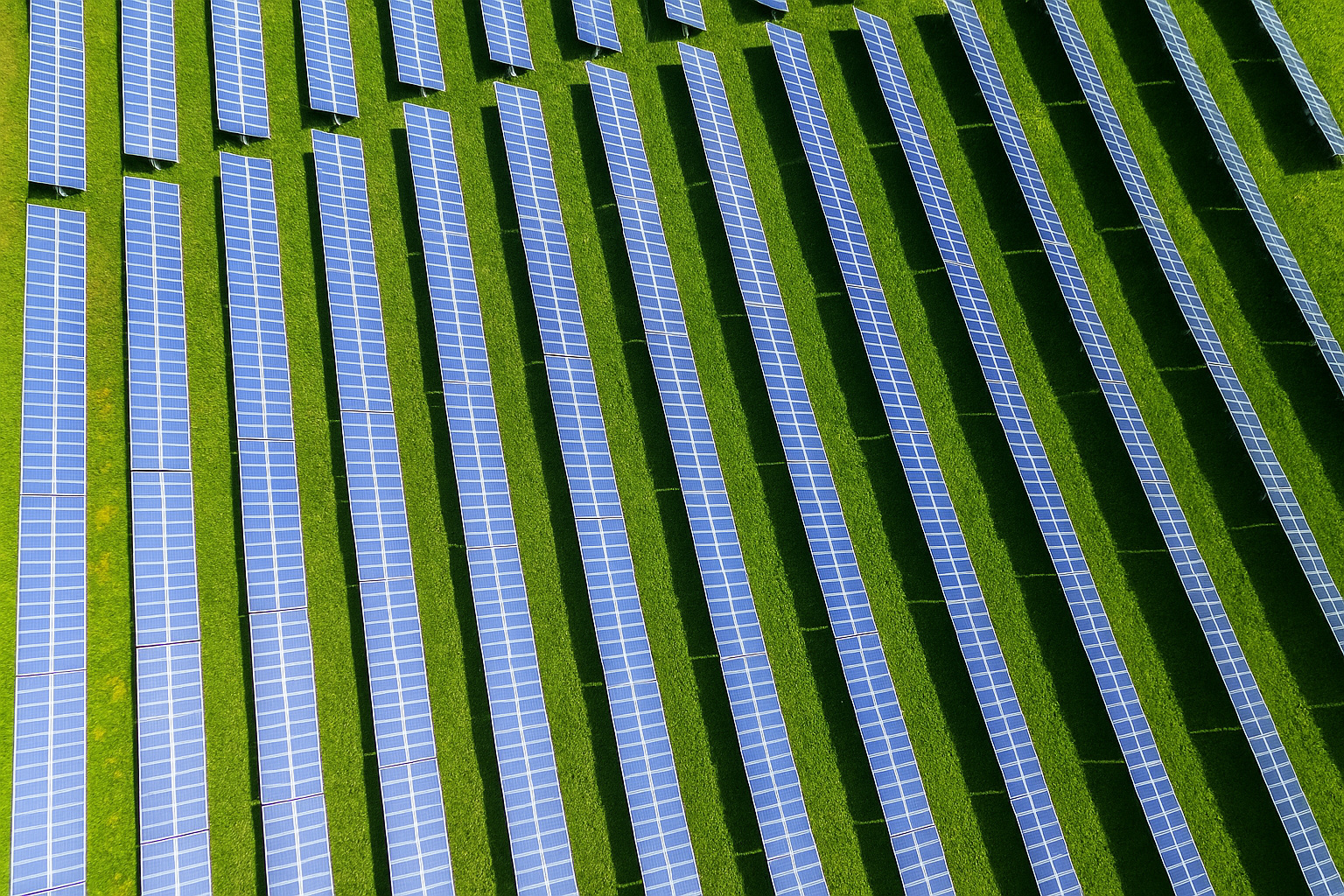
Increase Awareness About the Renewable Energy Generation Cutbacks and Understand How Brazil Deals with Climatic and Structural Challenges Impacting the Electricity Sector.
Renewable energy generation in Brazil is experiencing a moment of attention. In October, the country recorded cutbacks in renewable energy generation of 37%, according to data from the National Electric System Operator (ONS).
This number represents a wake-up call for the balance between production, consumption, and energy planning. It also brings reflections on the environmental and economic impacts of clean sources.
Historically, renewable energy has been one of the pillars of the Brazilian electricity matrix. The country stands out globally for its ability to generate electricity from sustainable sources, such as hydropower, wind, and solar, responsible for more than 80% of the total energy supply.
-
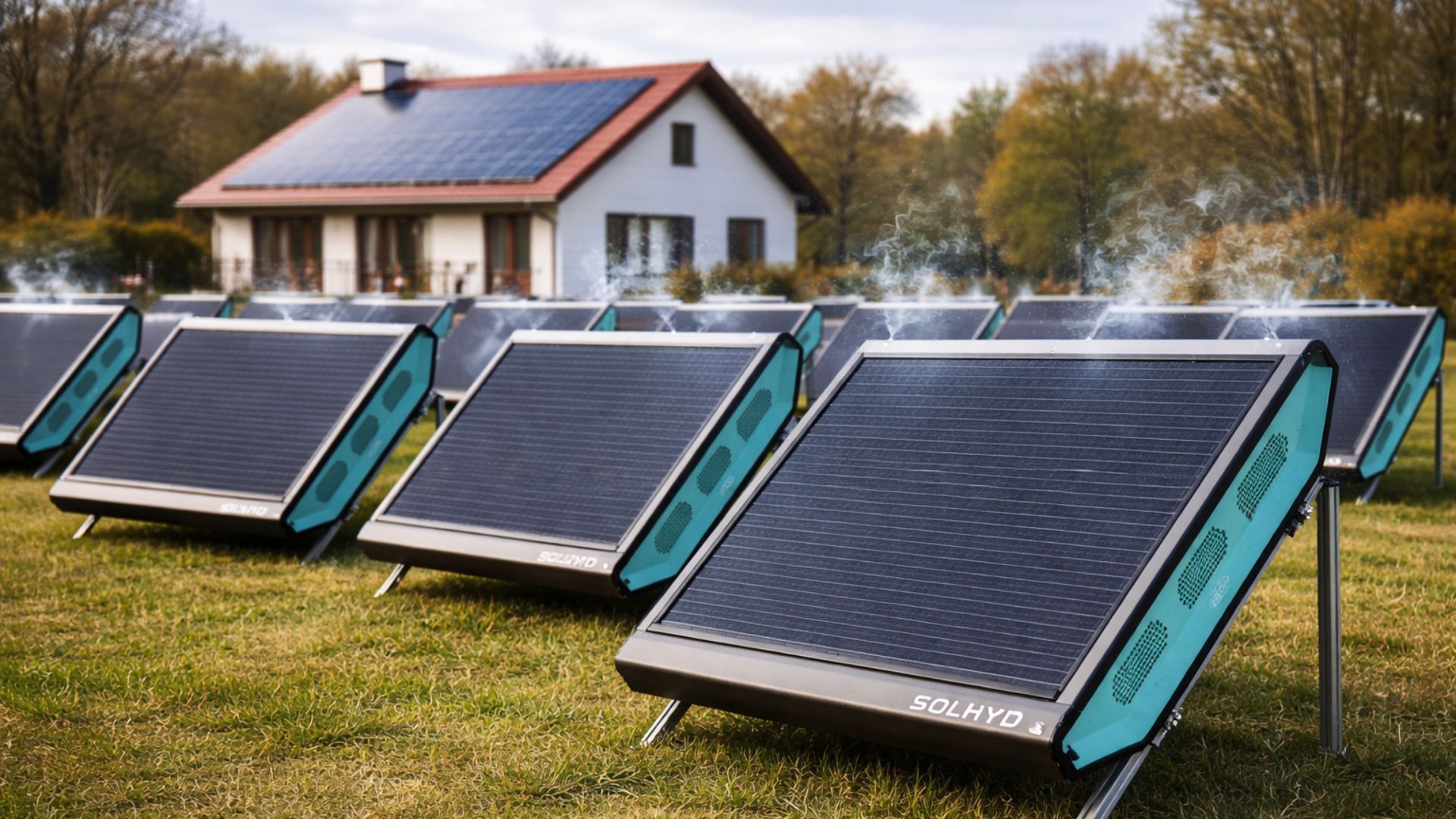
Green hydrogen at home: Belgium launches new technology that makes solar panels produce fuel from the moisture in the air, which could boost the energy transition.
-
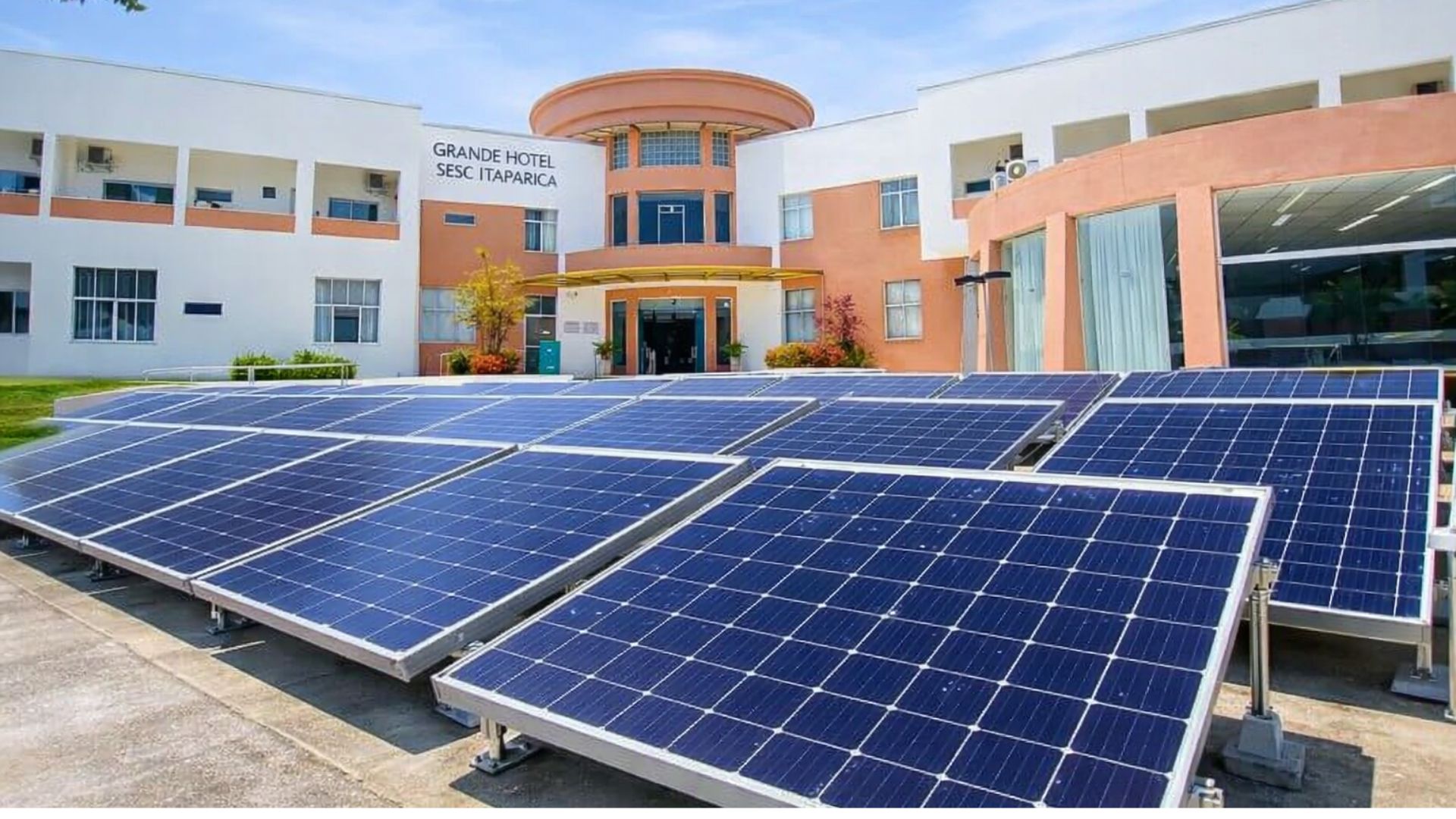
Sesc-BA bets on renewable energy with the support of EDP and drives the energy transition with a direct impact on cost reduction and the sustainability of its operations in Bahia.
-
Technology giant breaks global sustainability records: How Amazon’s leadership in renewable energy procurement transformed the global energy market in the past year.

-
Alert in the electric sector: Atlas Renewable Energy confirms billion-dollar investment and Brazil risks losing a share of the new investment in Latin America to neighboring countries.
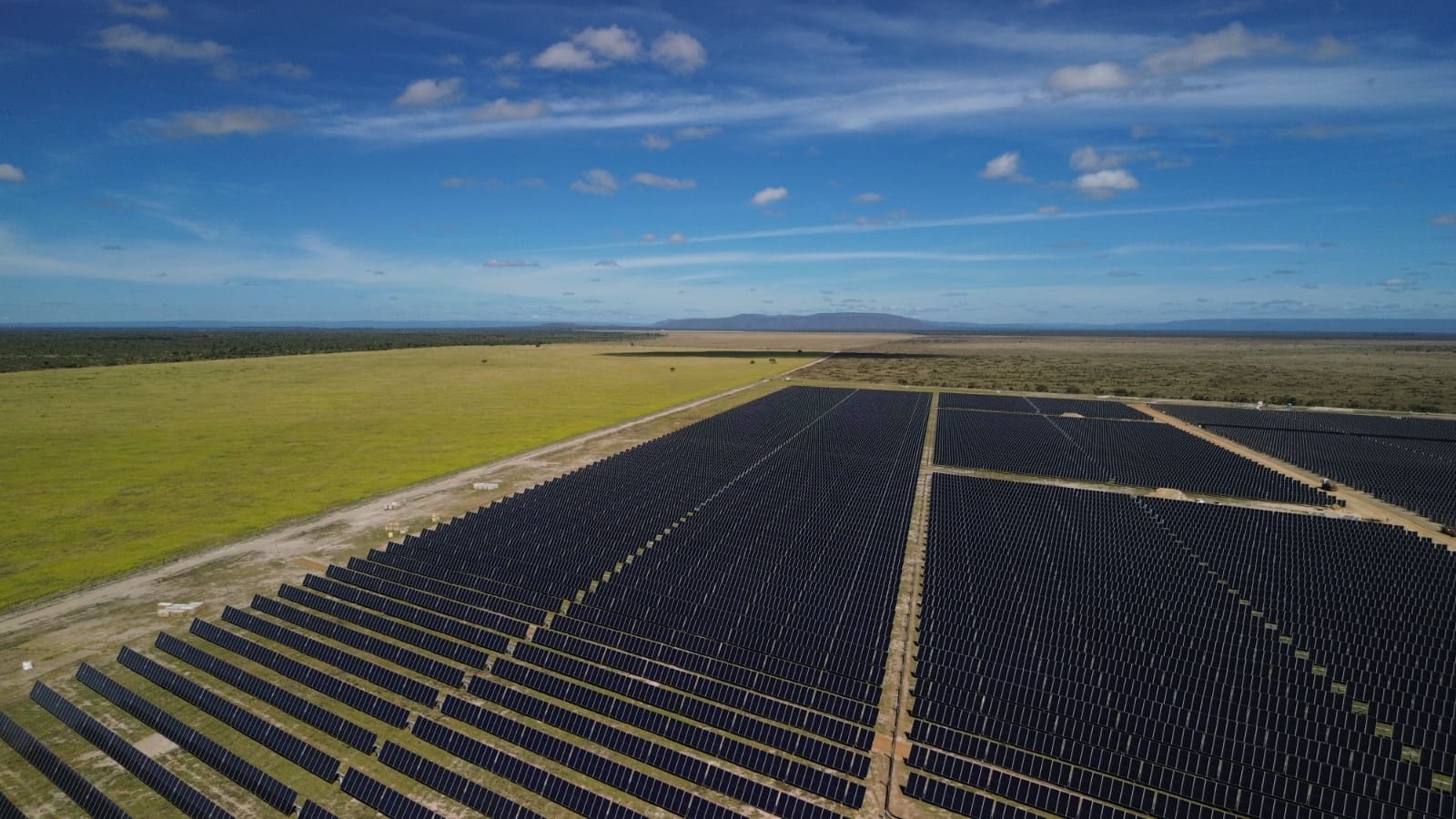

However, when the system faces generation cutbacks, part of this production is wasted, which affects the full utilization of renewable potential.
History of Renewable Generation and Brazil’s Role
Since the 20th century, Brazil has been consolidating its leadership in the use of renewable sources. The construction of the first hydropower plants, still during the developmental period, marked the beginning of a long-term strategy aimed at reducing dependence on fossil fuels and strengthening national energy sovereignty.
In the following decades, especially after the 2000s, the country increased investments in wind and solar energy. The diversification of the matrix brought environmental benefits, such as the reduction of greenhouse gas emissions and the stimulation of new sustainable production chains.
However, the accelerated growth of these intermittent sources — dependent on wind and solar radiation — imposed new challenges.
The electrical system needed to adapt to balance supply and demand, ensuring stability and energy security, even amid natural generation variations.
Factors Explaining Renewable Energy Cutbacks
Renewable energy generation cutbacks occur when there is an excess supply at certain hours, usually due to low demand or limitations in transmission infrastructure.
In October, the 37% reduction was primarily due to operational restrictions and limitations in the evacuation of energy produced in regions with high wind and solar generation.
These restrictions do not indicate technological failures, but rather a need for integrated planning between generation and transmission.
Many plants are located in areas far from the major consumer centers, especially in the Northeast and North of the country.
Thus, when the transmission lines become overloaded, part of the energy must be temporarily shut down, causing waste of clean potential.
The scenario also highlights the importance of energy storage.
Technologies such as large-scale batteries and pumped-storage plants allow for storing excess energy and releasing it during peak demand, making the system more efficient and balanced.
Climatic Challenges and Intermittency
In addition to structural issues, climatic variations directly affect the production of renewable sources.
Wind energy depends on the intensity of the winds, which changes according to the seasons of the year. Solar energy is sensitive to cloud cover and daylight duration.
During the dry season, hydropower also sees reductions in generation, which increases pressure on other sources.
These fluctuations demand a more flexible and interconnected electrical system, capable of quickly responding to changes in supply.
Brazil has one of the largest interconnected systems in the world, which is a competitive advantage.
Nevertheless, managing the variability of renewable sources still depends on technical improvements, long-term planning, and digital integration among the plants.
Paths to Avoid New Cutbacks
To reduce renewable energy generation cutbacks, it is essential to invest in expanding the transmission infrastructure.
Projects such as the Northern-Northeast-Southeast lines are crucial to ensure that energy generated in high-potential regions reaches major consumer centers.
Another solution lies in the modernization of the electrical system, using smart technologies.
The advancement of digital networks and the use of artificial intelligence enable forecasting generation peaks and adjusting the energy flow in real time, reducing waste.
The diversification of the energy matrix is also strategic.
Complementary sources, such as biogas and biomethane, help to stabilize supply, as they can be activated during periods of low wind or solar production, avoiding the need for cutbacks.
These measures show that Brazil’s energy transition depends on both technological innovation and integrated planning.
The Role of Public Policies and Investments
The Brazilian trajectory in renewable energy demonstrates that consistent public policies are decisive for the advancement of the sector.
Initiatives like the Incentive Program for Alternative Sources (Proinfa) and energy auctions laid the foundation for the growth of renewable sources over the last two decades.
However, the current scenario requires new regulatory instruments.
The recent cutbacks indicate that it is not enough to just produce clean energy — it is necessary to ensure that it is fully utilized.
Private investments and public-private partnerships are indispensable.
Strengthening energy regulation and regional integration can make the system more efficient and resilient.
Additionally, policies to incentivize energy storage and technological research can reduce the impacts of cutbacks and consolidate Brazil as a global renewable powerhouse.
The Future of Renewable Energy in Brazil
The future of renewable energy in Brazil is promising, but it depends on a systemic and long-term vision.
The expansion of clean sources needs to be accompanied by investments in infrastructure, technological innovation, and consistent energy policies.
If the country can reduce renewable energy generation cutbacks, it will enhance its global competitiveness and strengthen its international image as a leader in sustainability.
With planning and cooperation among government, businesses, and society, Brazil can transform current challenges into opportunities for growth and efficiency.
The global energy transition requires balance between security, sustainability, and accessibility.
In this context, Brazil has the conditions to be a world reference. To achieve this, it must ensure that every megawatt produced from clean sources is fully utilized, benefiting both the environment and the national economy.











Seja o primeiro a reagir!