





 Portuguese
  English
  Spanish
  3 min of reading
  0 comments


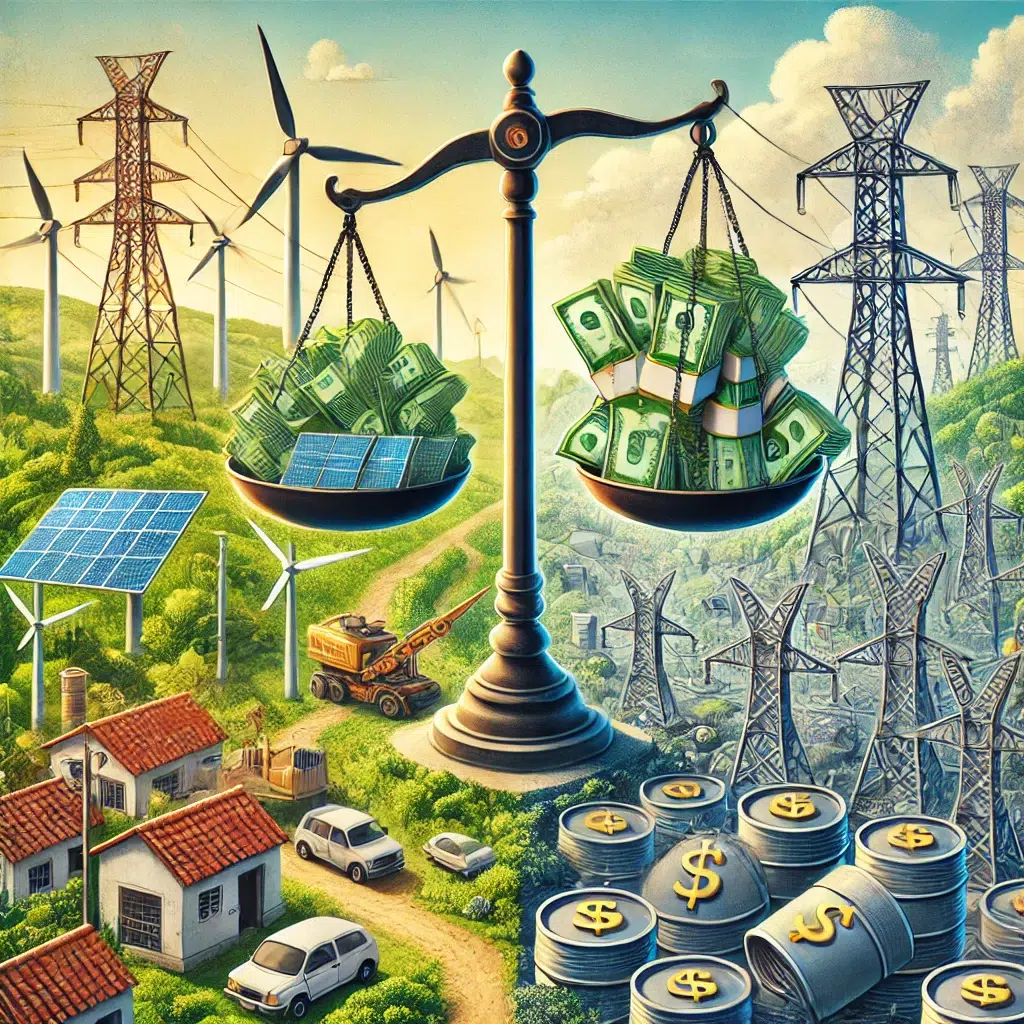
Restrictions on Renewable Energy Transmission Impact the Sector and Generate Financial Losses. Companies Seek Compensations and New Investments Try to Solve the Problem. The Government Plans Measures to Improve Infrastructure in the Coming Years.
The Renewable Energy Sector: Advances and Difficulties
Cuts in renewable energy generation have been decreasing. However, the impact on companies and investors is still significant.
Moreover, barriers in transmission, legal disputes, and uncertainties about financial compensations continue to influence the sector’s direction.
-
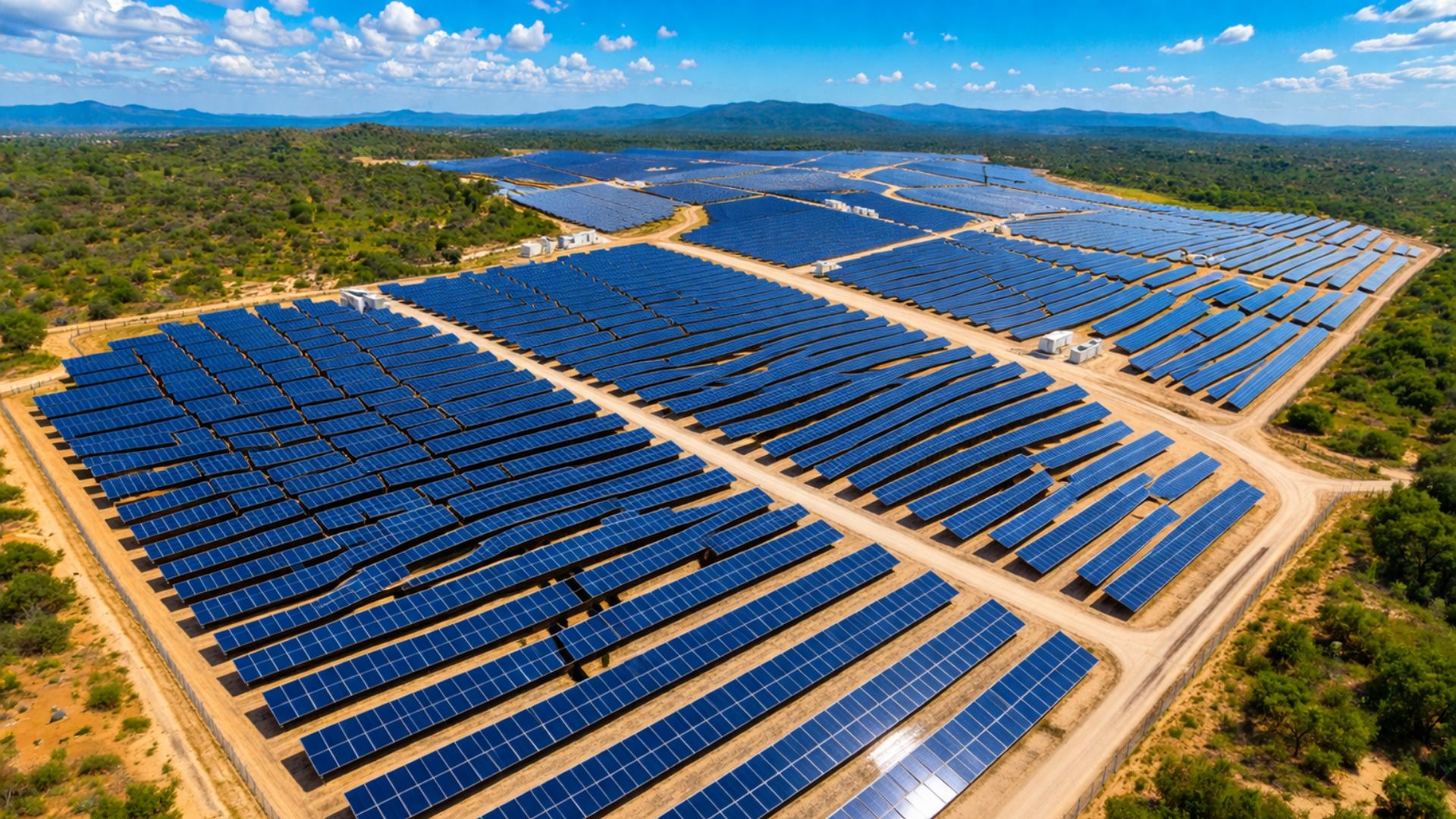
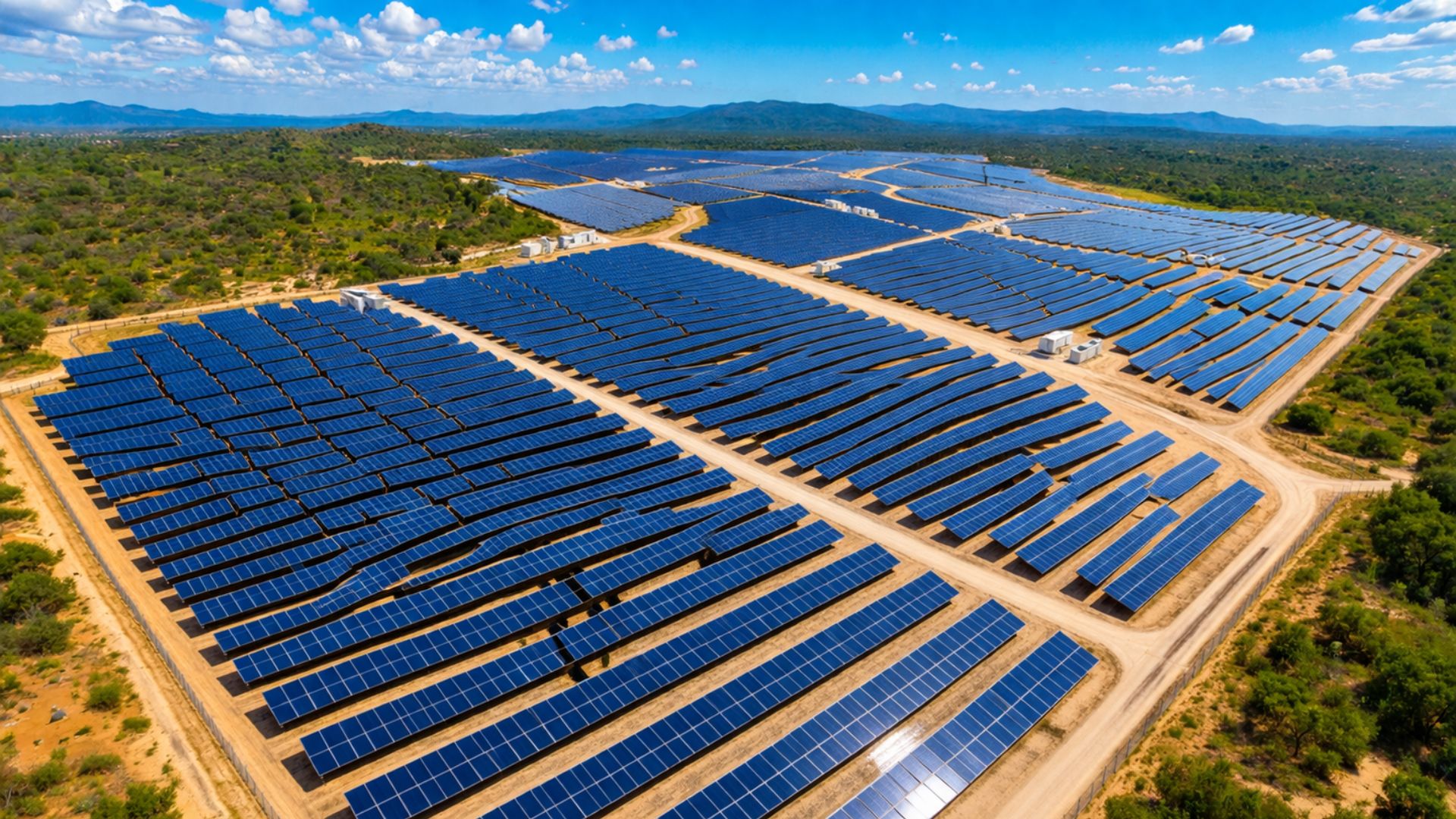
The Sol do Agreste Photovoltaic Complex begins operations in Pernambuco and accelerates the expansion of solar energy in Brazil, directly impacting the reduction of emissions and strengthening the sustainable energy matrix.
-
The Sol do Agreste Photovoltaic Complex begins operations in Pernambuco and accelerates the expansion of solar energy in Brazil, directly impacting the reduction of emissions and strengthening the sustainable energy matrix.
-
Renewable energy advances over protected areas in Brazil, and a survey by the Energy Transition Observatory reveals silent impacts that challenge environmental conservation and pressure sensitive traditional territories.

-
Rio Grande do Sul accelerates energy transition: State invests in renewable technologies and consolidates decarbonization strategies and pathways to attract billions in new industrial investments.


Since 2022, experts have warned about the increasing challenges.
According to Aneel, the first signs of overload in the transmission grid began to affect the Northeast at the end of 2023.
At that time, the National Electric System Operator (ONS) recommended emergency actions to mitigate the risks of overload.
Reduction of Cuts and Impact on Energy Production
Drop in Renewable Energy Cuts, But the Sector Still Struggles Against Obstacles
In January 2025, cuts in renewable energy generation in Brazil dropped to 10.2% of total produced.
In other words, a slight improvement compared to the 11.5% recorded in December 2024.
The decline occurred primarily in wind energy and solar energy, which traditionally face limitations due to outdated transmission infrastructure.
In the case of wind energy, for example, cuts dropped from 9.5% to 9.3%.
Meanwhile, solar energy showed a more significant reduction, from 17.8% to 12%.
Despite this improvement, the sector still incurs financial losses. The transmission infrastructure does not keep pace with the growth of energy production.
Additionally, the increase in energy consumption has not progressed at the same rate as the expansion of renewable sources, which represents an extra challenge for investors.
Regulation and Financial Challenges
Legal Conflicts and Pursuit of Compensations
The dispute between renewable energy generators and the National Electric Energy Agency (Aneel) remains intense.
After all, companies in the sector demand compensation for losses in generation.
Companies like Equatorial, CPFL, Eneva, and Alupar reported improvements in their financial results due to the decrease in energy curtailments.
On the other hand, Auren, Engie, and Serena were more adversely affected by generation cuts.
In August 2024, the Brazilian Solar Energy Association (ABSOLAR) and the Brazilian Wind Energy Association (ABEEólica) took legal action to pressure the government and Aneel for compensations.
The associations reported billion-dollar financial losses caused by restrictions from ONS.
Transmission Infrastructure and Its Failures
Impacts of Restrictions and Measures for Solution
In January 2025, cuts in generation due to infrastructure unavailability rose to 6% of total production, compared to 0% in December 2024.
The problem arose due to a failure in the energy transmission bipole connecting Pará to Rio de Janeiro.
Consequently, this restriction allows financial compensation for undelivered energy.
Moreover, some plants are already eligible to request compensations, according to an assessment by the Ministry of Mines and Energy.
In October 2024, a meeting among Aneel, ONS, and sector companies determined that new investments in the transmission network should be accelerated.
Estimates indicate that, between 2025 and 2027, structural improvements will significantly reduce these problems.
Expectations and the Future of Renewable Energy
Investments and Perspectives for the Coming Years
In 2024, investors warned that the operational limitations imposed by the National Electric System Operator (ONS) compromised the sector’s profitability.
Thus, many revised their projects and expansion strategies.
The lack of expansion of transmission lines in the Northeast represents a critical bottleneck, as it prevents the produced energy from efficiently reaching the Southeast.
The federal government, through the National Energy Plan 2050, projects investments exceeding R$ 200 billion to strengthen the transmission infrastructure in the next 25 years.
According to the National Bank for Economic and Social Development (BNDES), new projects will prioritize connecting wind and solar parks to the National Interconnected System (SIN).
Even with the reduction in cuts to renewable energy generation, Brazil still needs to overcome structural challenges in the transmission network.
Furthermore, it is essential to balance energy supply and demand.
According to experts from the Brazilian Institute of Energy (IBE), emergency actions will be essential in 2025 to avoid future energy crises.








-

3 pessoas reagiram a isso.